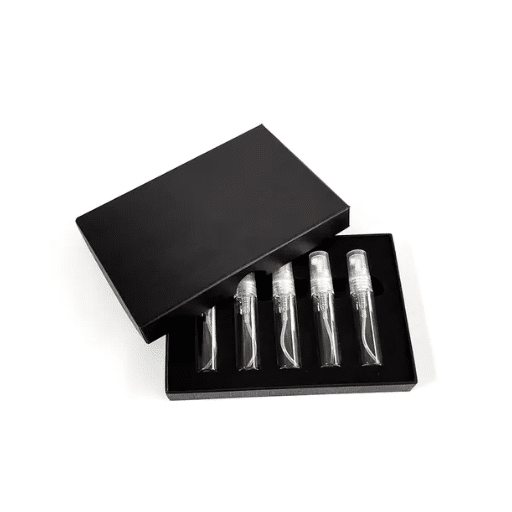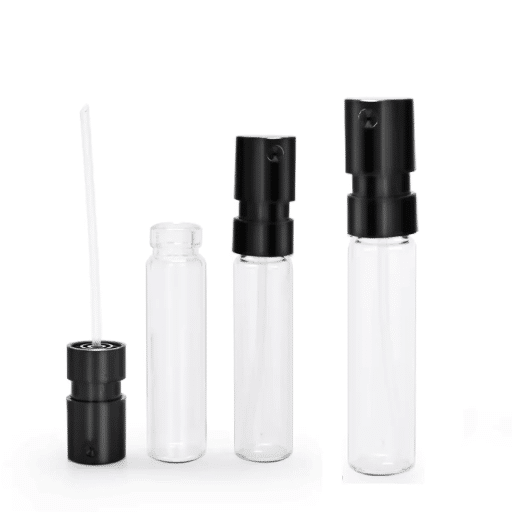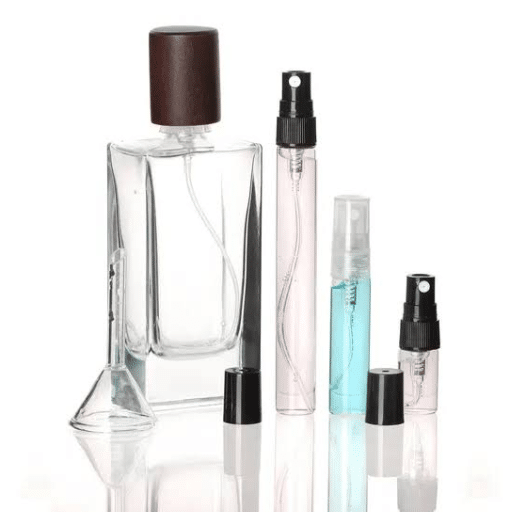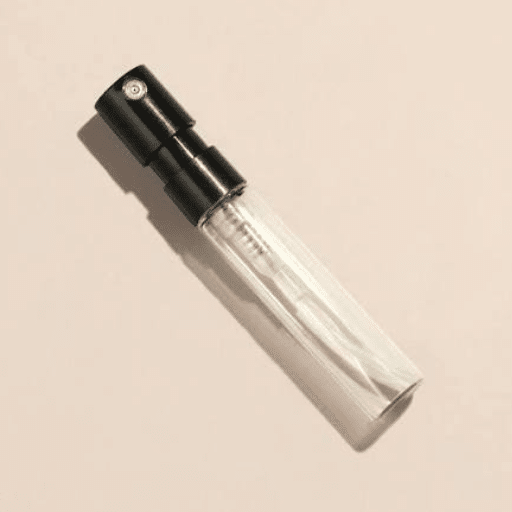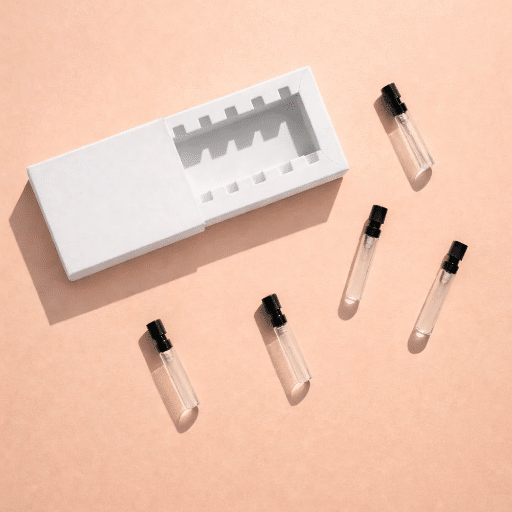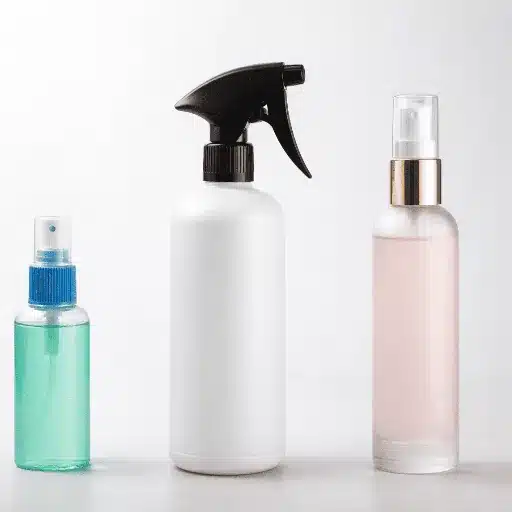
Many factors need to be considered when subpart concludes on how to choose a fine mist sprayer ailable. These factors go as follows; matching the product with these factors that are listed below: neck finish suitable for the product, the output per stroke of the sprayer, the material compatibility of the pellicular surfaces of the springs and all other associated materials with the formula, ergonomic safety and general safety features and proper supplier operating in strict control of quality such as audits and so forth. Well, if any of these would not be proper, there are leakages, or clogging nozzles, or poor functionality, which drive the consumers away.
What if a sprayer that ‘looked’ the part is the reason why your customers do not repurchase?
Here we spent already months on preparing the formula, designing the bottle and structuring the brand. The spraying device seems to be secondary for most product managers. Yet there is that small callous piece of machinery on top of the bottle, which regulates all client’s positive or negative emotions. It denotes whether that face mister is going to be an invigorating mist or an annoying drizzle. It indicates whether the hair spray is applied right to the roots or simply wets the tips.
We have been in this industry for a long period of time and provided and gotten components in form of packaging to so many people. We have witnessed first hand what the forces of the right sprayer have done to a good product – it turned from good to great. This article will give you a very strong approach on how to choose a fine mist sprayer that will not ruin your formula, will make the consumers happy and will build up your business. At that point, you will understand what parameters and attributes to look for and the right questions to pose to the dealer prior to putting in any orders in large quantities.
Key Takeaways
- Match the neck finish exactly (18/410, 20/410, 24/410, or 28/410) to prevent leaks and ensure proper fit.
- Select output between 0.12 ml and 0.30 ml per stroke for most cosmetic applications, adjusting for formula viscosity.
- Choose gasket and plastic materials that resist your specific formula, especially for alcohol-based or essential oil products.
- Test samples for spray pattern consistency, leak resistance, and actuation lifespan before committing to bulk production.
- Evaluate suppliers on MOQ flexibility, sampling speed, and technical support, not just price per unit.
Step 1: Match the Neck Finish to Your Bottle
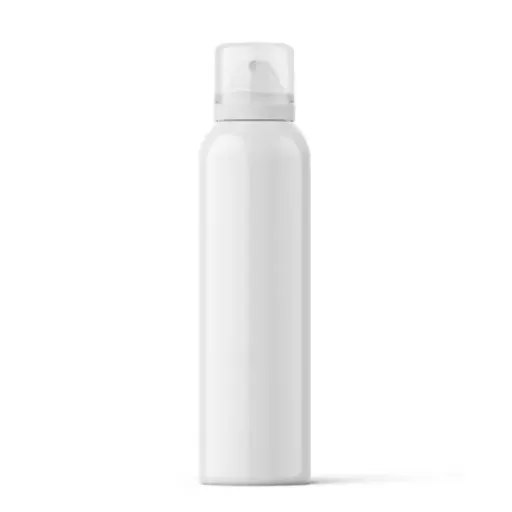
The neck finish is the single most critical specification for physical compatibility. It refers to the diameter and thread pattern where the sprayer screws onto the bottle. Get this wrong, and nothing else matters. The sprayer will either not fit at all or will create a leaky seal that ruins your product before it reaches the customer.
Understanding Neck Finish Numbers
Neck finishes use a standard numbering system. The first number indicates the outer diameter of the bottle neck in millimeters. The second number indicates the thread style. For fine mist sprayers, the most common configurations are:
- 18/410: Approximately 18 mm diameter with 410 thread pattern. Common for perfume bottles, travel-size containers, and sample vials ranging from 30 ml to 60 ml.
- 20/410: Approximately 20 mm diameter. The sweet spot for facial mists, toners, and setting sprays in 80 ml to 150 ml bottles.
- 24/410: Approximately 24 mm diameter. Popular for body mists, hair care products, and cleansers in 150 ml to 250 ml bottles.
- 28/410: Approximately 28 mm diameter. Used for larger household, pet care, and room spray products at 250 ml and above.
The 410 thread is the industry standard for fine mist sprayers. You may occasionally encounter 415 threads, which have a slightly different pitch. Always verify that your bottle neck and sprayer closure use identical specifications.
Measuring Your Bottle Neck for Compatibility
For those who are not aware of the details of the finish on bottles, the neck can be changed when one examines the outer diameter of the threaded portion across calipers. An 18/410 neck will measure approximately 18 mm. The threads are complicated and require more study but if absolutely incapable, ask the sprayer supplier and physically try fitting it after all anticipation.
In 2023, when Elena was bringing in her brand of minimalist skincare, one of the things she did was order 5,000 frosted glass bottles for a 20/410 necks as she understood this to be the normal fit. The packaging containing the bottles was presented by her supplier as the “One size fits all” packaging. The pumps she brought from another company came with the 20/410 inserts. They fit loosely and leaked without the contents reaching the user. All of the products from the first batch had been destroyed. A simple reading with a caliper could have figured out that all the bottles were sized up to 18/415 instead. The lack of time and patience led her to miss the launch date for the spring collection and ended up with almost twelve thousand dollars’ worth of inventory which could not be utilized.
Common Mistakes That Cause Leaks
responsible for the formation of any leaks. The first error consists in the improper contact between the screw thread of a bottle and a cap. The second one consists in the wrong length of the dip tube. The dip tube has to reach the bottom with a slight angle for maximum pumping efficiency. Otherwise, the pump will not be able to spray the last twenty percent of the product effectively. In the case of the excessive length, however, the tube may kink and therefore occlude the passage.
Want to avoid Elena’s mistake? Request a free sample kit with matched bottle and sprayer components to verify fit before you order.
Step 2: Select the Right Output and Spray Pattern
Output per stroke, also called dosage, determines how much product dispenses with each pump. Spray pattern determines how that product distributes across the target area. Together they define the user experience more than any other functional attribute.
Output Per Stroke: How Much Product Should Each Pump Deliver?
Most common, fine spray apparatuses between 0.12 ml and 0.30 ml per each squirt. This feature is dependent on the nature of makeup and the application of the substance to the skin.
Sun-based fragrances and watery toners, 0.12 ml to 0.16 ml, generates a very light almost floating mist. Do not worry after piercing the skin with many sprays in layers. Leave-in conditioners, sunscreens, and prohibits hair mists have to be pumped with moderate strength of 0.18 ml to 0.25 ml to cover the head thoroughly and not pump many times. Leave-ins, possibly room sprays other of the thicker oils may be squeezed with 0.25 ml to 0.40 ml emulsions.
These outputs are significantly altered if they increase. Only above 0.30 ml per spray stroke, water can be felt rather than the mist. This is the ideal mist for some users and the worst for others. In any case, don’t expect the same sharpness of spray from each formula – always test the product with the nozzle because preciseness depends on some other factors.
Matching Output to Product Viscosity and Application
Viscosity is about the motion of fluid particles. Thin toners are simple to spray because they easily create a mist in almost all available spray devices. Viscous serums and oils contain such high concentrations which exert a force on the pump and result in high spraying rates.
In the equation above, viscosity is in respect to a general principle. Simply, the less viscous your preparate is, the less amount of material is needed to effectively spray it and vice versa, more viscous effluent is pushed by a greater volume transferred out from the nozzle. In the presence of suspended particles in the formula like powders or glitters and the need to disperse them, the nozzle diameter and dip tube diameter must be adjusted so that clogging does not occur.
Spray Pattern: Fine Mist vs. Targeted Stream vs. Adjustable
Generally, most cosmetic mister applications make use of a cone-shaped spray nozzle that produces a gentle mist instead of forceful streaks. This is okay if you are doing a facial spray that will cover a large area quite softly. A few provide a fan-like design such that the spray comes out more like a sheet of water extended sideways. This is what many hair care brands favor for the reason it facilitates coverage from the root to the tip. The changing patterns offered by each adjustable nozzle does come with the advantage of their devices being easy to use in more than one way, however, they come at cost in terms of they are expensive and their breakdown rates are high.
In the realm of high-end skincare and perfumes, there is absolutely no substitution for the conically shaped micro mist spray. It is comfortable without being wasteful. Remember how to choose a fine mist sprayer will also depend on the skin of the body or hair and not paper alone, so see the kind and pattern of spray chosen on such skin before using it. You cannot compare the feeling of a spray on the skin to how it looks in the space around you.
Step 3: Choose Materials That Work With Your Formula
The chemical agents will stay in sprayer parts made of plastic and rubber for long time periods. If the wrong plastic material is chosen then it may create problems of leaks, discoloration or contamination of the product. This is important because it applies to alcoholic products, natural oils and to products containing acids and medicines.
Common Plastics and Their Properties
In many fine mist sprayers, the housing and the actuator usually utilizes polypropylene (PP), polyethylene (PE), or polyethylene terephthalate (PET). Each has its blending properties.
PP is immune from most chemical substances (just to mention alcohols and essential oils) and withstands somewhat high temperatures. This is why it is used in most of the cosmetic sprayers. PE is another material that has great resistance to chemicals and is accentuates the slope of the actuators and overcaps making them very soft. PET may be transparent and hard but can also be subject to chemical weathering in some environments. PP best meets the performance and cost requirements for cosmetic applications.
Another highest grade sprayer applies POM or polyoxymethylene spring and other component parts such as pistons. Hypothetically POM is the solution when it comes to where the components experience wear and tear and maintain it’s shape for many useful products. You may include this option in those enclosing mid-long term products.
Gasket Materials: EPDM, Silicone, NBR, and Formula Compatibility
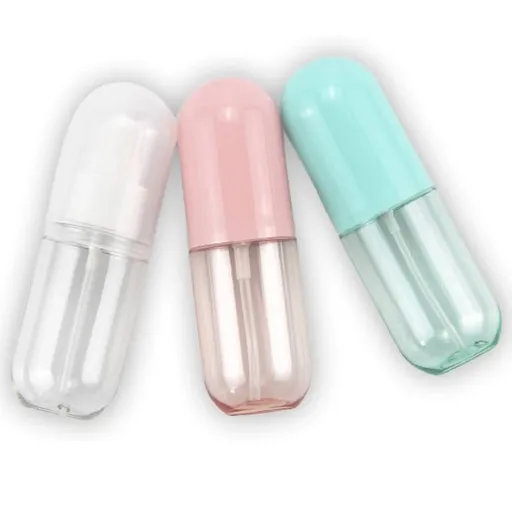
The gasket, or seal, is the most vulnerable component in any sprayer. It sits at the interface between the closure and the bottle neck, and it must resist both your formula and the mechanical stress of repeated actuation.
- EPDM: Excellent water resistance and good general chemical resistance. Ideal for water-based toners, mists, and cleansers. Avoid with concentrated oils and some solvents.
- Silicone: Broad chemical compatibility, including alcohols and many essential oils. Soft, durable, and widely used in cosmetic and pharmaceutical sprayers. Slightly higher cost than EPDM.
- NBR, or Nitrile: Good oil resistance and mechanical strength. Common in industrial applications but less frequently used in cosmetics due to limited compatibility with certain skincare actives.
- Viton, or FKM: Premium fluorocarbon rubber with exceptional chemical resistance. The choice for aggressive formulas, high-acid products, and pharmaceutical applications. Significantly higher cost.
When Marcus developed his botanical hair mist with twenty percent essential oil content, his first supplier shipped sprayers with standard EPDM gaskets. Within two weeks of shelf testing, the gaskets swelled and softened. The pumps leaked onto retail shelves. Switching to silicone gaskets solved the problem completely, but the delay pushed his launch back by six weeks. Always disclose your full ingredient list to your supplier and request gasket recommendations in writing.
When to Choose Metal Springs vs. All-Plastic Construction
Most fine mist sprayers use a small metal spring to return the piston after each pump. Standard steel springs work fine for water-based products. For highly acidic, alkaline, or salty formulas, consider stainless steel or all-plastic spring mechanisms to prevent corrosion. Some suppliers now offer fully recyclable mono-material sprayers with plastic springs, which we will discuss in the sustainability section below.
Formula Compatibility Checklist
Before finalizing your material selection, answer these questions:
- Does your formula contain more than sixty percent alcohol?
- Does it include essential oils, citrus extracts, or terpenes?
- Is the pH below four or above nine?
- Does it contain suspended solids or powders?
- Will it be stored in extreme temperatures during shipping?
If you answered yes to any of these, standard configurations may not work. Request material compatibility testing from your supplier or conduct your own accelerated shelf test at elevated temperatures.
Step 4: Evaluate Ergonomics, Safety, and User Experience
The functional requirements are important, but it is more on the consumer experience that makes the customers want to buy again. A sprayer, which causes pain to the finger, leaks when kept into a bag or cannot lock during travel, is an example of a negative image that such a product would create.
Actuator Design and Finger Comfort
To activate the pump, there is a button that the user presses. The design – including shape, surface finishing or texture, and force – adds to the comfortably position of the user. Large slightly bowed actuators for largo groups of users make sure that the pressure on the finger does not cause any discomfort in use. Textured layouts help avoid unintentional sliding of the touch areas if they become wet. The force to operate, in Newtons, however, must be relatively low for the comfort in providing multiple uses, but not too low such that it encourages accidental discharge.
Organic designs are important in these types of products with the products destined for commercial or professional usage where the stylist, for example, paints hundreds of touches per day. Go a step further and test the injector with other people within the context you plan to sell it. A design appreciated by a young male engineer in his twenties, may be thought of as stiff by a grown customer in the sixties.
Locking Mechanisms and Travel-Friendly Features
Travel-size products, or any product consumers carry in bags, need reliable locking mechanisms. The most common designs include:
- Twist-lock actuators: The nozzle twists to align or block the spray path. Simple, reliable, and cost-effective.
- Clip-lock overcaps: A separate cap clips over the actuator to prevent accidental pumping. Offers better protection but adds a component consumers can lose.
- Integrated lock buttons: A small tab on the actuator slides to block the pump. Convenient but adds mechanical complexity.
Consider your product’s use case. A bathroom countertop facial toner may not need a lock. A handbag-sized perfume mist absolutely does. Test the lock mechanism under realistic conditions. Shake the closed bottle vigorously. Place it in a bag with keys and a phone. Simulate the abuse of airline baggage handling.
Child-Resistant and Tamper-Evident Options
In cases where your product involves ingestion of potentially dangerous substances, or when you are selling in regions where the legislation imposes serious child-proofing requirements, it is well worth to consider packages with child resistant caps. This involves the user pressing and twisting, in order to get the cap off, therefore discouraging its opening. With an included tamper-proof design – band snapping after use only, The Introducer gives assurance that the contents inside the container are intact.
Overcaps and Dust Covers: Functional vs. Aesthetic
There are two functions of overcaps. They comprise the protection from dirt, dust, undesired actuation of the actuator in transit or in storage, as well as canvases for advertising. A standard, however adorned sprayer, in a metallic gold overcap, becomes a luxury item. A transparent cap can enable the distinctly-colored actuator to be seen.
Tying aesthetics and functionality together in balance. Too tight an overcap and the users will be angry with you. Too loose and it will pop off and be lost. And let people other than yourself who kiss the apparatus do the tests of force for the removing and replacing of the overcap.
Step 5: Assess Quality and Supplier Reliability
Even a perfectly specified sprayer fails if the manufacturer cuts corners. Quality assessment separates reliable partners from risky ones. This step is where many buyers focus exclusively on price and regret it later.
Quality Red Flags to Watch For in Samples
When you receive samples, inspect them immediately for these warning signs:
- Inconsistent spray pattern: Each pump should produce an identical mist. Variation indicates poor nozzle machining or inconsistent gasket seating.
- Sputtering or dripping: The first pump after sitting idle should produce a clean mist, not a spit of liquid. Dripping from the nozzle after actuation indicates poor seal design.
- Rough plastic edges: Flash, or excess plastic from molding, indicates sloppy manufacturing and can scratch users or snag on labels.
- Weak or wobbly actuators: The pump mechanism should feel solid. Side-to-side wobble suggests loose tolerances in the piston assembly.
- Inconsistent color matching: If you ordered custom colors, variation between samples indicates poor process control.
Testing Protocol: Leak, Actuation, and Spray Pattern Checks
Before approving a sprayer for production, conduct these tests:
- Leak test: Fill bottles with your formula, seal with the sprayer, and store them upside down at forty-five degrees Celsius for seventy-two hours. Check for seepage at the closure and nozzle.
- Actuation lifespan test: Mount the sprayer on a mechanical actuator or have a dedicated tester pump it repeatedly. Quality cosmetic sprayers should survive at least three thousand actuations without significant degradation in output or spray pattern. Premium products may warrant testing to ten thousand actuations.
- Spray pattern consistency: Spray onto black paper or a calibrated target from fifteen centimeters. The pattern should be uniform and repeatable across at least twenty consecutive pumps.
- Transport simulation: Place filled bottles in a box with vibration and drop testing. Simulate the conditions of your actual shipping method.
Questions to Ask Your Fine Mist Sprayer Supplier
The questions you ask reveal your expertise and protect your interests. Here are the essentials:
- What is your defect rate, and how do you define a defect?
- Can you provide material certifications, including REACH or FDA compliance where applicable?
- What is your typical lead time for samples versus production?
- Do you offer pre-production samples pulled from the actual production line?
- How do you handle quality disputes or defective batches?
- What customization options do you offer beyond color, and what are the associated MOQs?
- Can you cut dip tubes to custom lengths, or do we need to source bottles and tubes separately?
Understanding MOQ, Lead Times, and Sampling Policies
The minimums for an order can widely vary. For instance, for stock sprayers with standard color variants, the minimum order quantity is usually about one thousand pieces. For custom colors, metallizing, and logo printing, the order quantity often reaches at least ten or even fifty thousand units. Particular suppliers may present a low MOQ, but they apply charging for tooling which does not allow those economies to be used.
So are the lead times. The product which is in stock can be dispatched between one and two wеks. Custom products may take 4-8 weeks after samples are approved. Take into account the time that you will need to provide your samples, in the product development plans. The biggest mistake that you can make with your product is to rush this process.
Need help evaluating a supplier’s sample? Contact our team for a complimentary technical review. We will assess your sample for fit, function, and material compatibility at no charge.
Customization vs. Stock: Which Should You Choose?
Every brand faces the decision between off-the-shelf sprayers and custom configurations. The right choice depends on your stage, budget, and brand positioning.
When Stock Fine Mist Sprayers Make Sense
When developing a new product and seeking to understand the acceptability of that particular commodity on the market make use of Stock sprayers. They are cost effective and quick delivery so you will be able to concentrate on the formulation and the logistics of the product. Most, if not all, big brands embrace stock components first and only move to tailor made molds if the product survives the market.
The range of stock options improvement from five years ago is great. Manufacturers now have an extensive selection of colors, finishes and neck sizes in all of their catalogues without need for any additional custom molds. It is not impossible to put together a great presentation using average stock componen. cbut this requires careful selection of components and colors which compliment the organization’s branding.
When Custom Colors, Finishes, and Branding Are Worth It
Custom sprayers become worthwhile when brand differentiation drives your strategy. A signature actuator color, a matte soft-touch finish, or an embossed logo on the overcap signals premium positioning. For established brands with consistent reorder volumes, the per-unit cost of customization often pays for itself in brand recognition and customer loyalty.
Consider custom options when:
- Your annual volume exceeds fifty thousand units per SKU.
- Competitors in your category use generic sprayers that look identical.
- Your brand positioning relies heavily on tactile and visual luxury.
- You have validated product-market fit and can forecast demand reliably.
Customization Options and Typical MOQs
Common customization options include:
- Color matching: Pantone-matched actuators, closures, and overcaps. MOQs typically start at five thousand to ten thousand units.
- Metallization: Chrome, gold, or rose gold finishes applied through vacuum metallization. Adds luxury appearance at moderate cost. MOQs usually ten thousand-plus.
- Soft-touch coating: Rubberized feel that elevates the tactile experience. Popular for high-end skincare. MOQs vary widely.
- Logo printing or embossing: Brand identification on the actuator or overcap. Pad printing or hot stamping for logos. Embossing requires custom mold investment.
- Dip tube customization: Cut-to-length tubes for non-standard bottle heights. Often available with low or no MOQ from flexible suppliers.
Sustainability Considerations in Your Selection
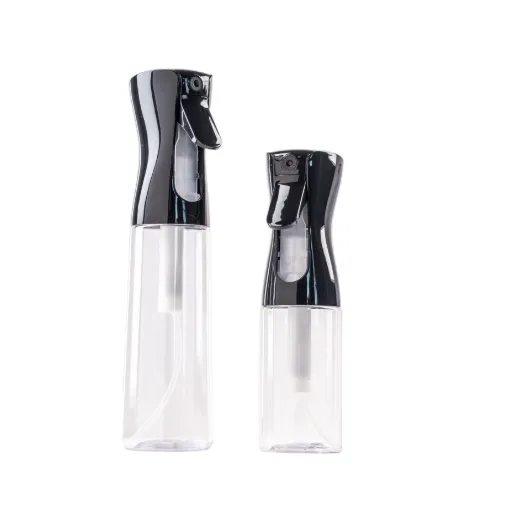
Sustainability is no longer a niche concern. Consumers increasingly expect environmentally responsible packaging, and regulations in the European Union and other markets are tightening. Your sprayer choice affects recyclability, carbon footprint, and brand perception.
Mono-Material and Recyclable Options
Sprayers, as they are conventionally built, incorporate a range of plastics and a metal spring making the material difficult to work with when it comes to recycling. The mono-material variant of sprayers, however, utilizes common plastic known as PP for the entire construction including the spring. The structural configuration thus ensures the flow of such materials to recycling streams without any need for disassembly.
The flip-side to this is the higher pricing as well as scarcity associated with the new design of mono-material sprayers. These designs are in existence, though with only a few business entities having this base of innovation. The actuation mechanism might be a bit different conventional ones in these cases. For such brands that develop circular packaging the cost/benefit analysis favors the latter.
Post-Consumer Recycled Plastic Sprayers
Certain vendors are beginning to provide spray bottles containing a fraction of post-consumer recycled material incorporated into the sprayer. PCR PP sprayers have a range of twenty-five to fifty percent of recycled material and do not register any significant performance compromise. They lower the use of raw plastics and are popular among environmental-friendly customers.
You must be cautious however with the existing PCR alternatives and how to choose a fine mist sprayer more so regarding the color-category of the sprayer itself because there should be confirmed ability of the supplier to provide near consistency of color even when produced in different batches. This is because some degree of variation in color may be present due to the recycled material and for high-end brands which focus on their look and color, this can be important.
Refillable Systems and Reduced Environmental Impact
Refillable packaging systems extend product life and reduce waste. If your brand offers refill pouches or replacement cartridges, ensure your sprayer is designed for long-term durability. A sprayer rated for three thousand actuations may fail before the customer finishes two refill cycles. Specify extended lifespan requirements upfront if refillability is part of your strategy.
Sustainable packaging choices also affect your outer packaging and shipping materials. Consider how your sprayer selection aligns with your broader eco-friendly packaging solutions. Consistency across every touchpoint reinforces your brand values.
Fine Mist Sprayer Selection Checklist
Use this checklist to evaluate any sprayer before approving it for production:
- Neck finish matches bottle exactly (measure and test fit).
- Dip tube length reaches bottle bottom without crimping.
- Output per stroke matches product viscosity and application need.
- Spray pattern produces consistent, even mist without sputtering.
- Plastic materials resist formula components (alcohol, oils, acids).
- Gasket material is compatible with formula and certified where required.
- Actuator is comfortable for target demographic during repeated use.
- Locking mechanism suits product use case (travel, home, professional).
- Overcap protects actuator and aligns with brand aesthetic.
- Sample passes leak test at elevated temperature.
- Sample maintains spray pattern through target actuation count.
- Supplier provides clear MOQ, lead time, and quality guarantee.
- Customization options and costs are documented in writing.
- Sustainability requirements (recyclable, PCR, mono-material) are specified if applicable.
Conclusion
The question of how to choose a fine mist sprayer should not be such a difficult one. By following these five steps, you will simplify your task significantly considering the abundance of options available today. Check the closure size of the system vis-à-vis the bottle’s finish. Determine the output and spray pattern for the particular formula and the container it will be used in. Refraining from choosing some materials which result in faster wear and tear should be helpful. Most importantly, ensure that all the users are comfortable and safe. Last but not least, ensure the product’s standards and manufacturing partners’ competence before mass production.
This highly technological device stands in the middle between your commodity and your customer being in its functional use the only part that comprises any essence from the formula i.e. her asoiny meaning. Every application lays fivten its proper product is based on clinical fact. Its branded and sale-friendly deploys your formulation exactly how it should be done. This ensures brand compliance while creating repeated orders. An inappropriate selection, on the other hand, will only create unwanted friction, disturbance to the customers, and bad feedback which does not reflect the way you mixed your formula.
Assisting brands is our daily process at the Fuzhou Longlu Packaging Co., Ltd. whether it involves stock sprayers with the initial launches or custom made configurations for an existing brand. We offer samples, recommendations, and mechanisms to assure the quality of the product once the packaging is selected or prior—there is no room for guessing how to choose a fine mist sprayer for that product.
Ready to find the perfect fine mist sprayer for your product? Request a free sample kit today and test our sprayers with your formula before you commit to bulk production.