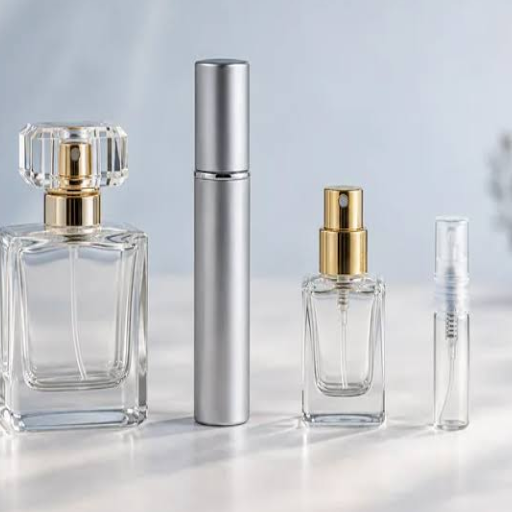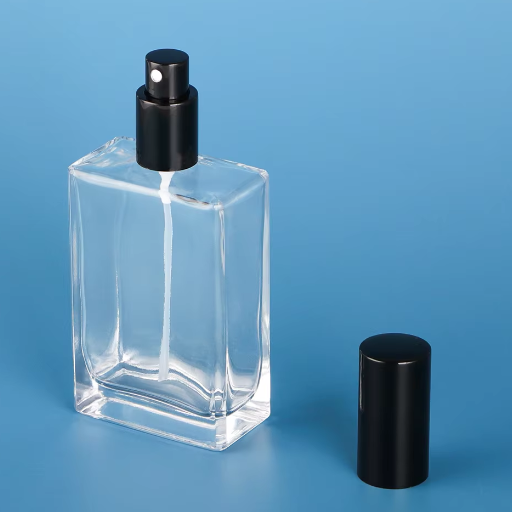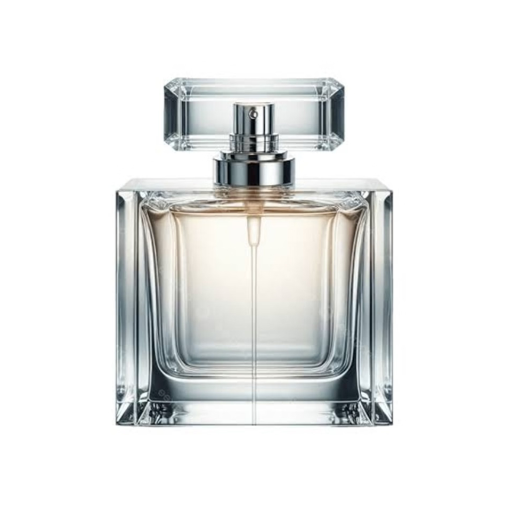
Perfume bottle caps are specified by fit first and appearance second. A cap has to match the bottle’s neck finish, the closure system underneath it, and the weight your brand needs. Get the fit wrong and the cap spins, leaks, or fails in transit, whatever the render shows.
Most buyers start from the opposite end. They pick a cap from a lookbook, approve a colour, then discover the bottle they sourced uses a different neck. The sample arrives, the cap sits loose, and the launch date moves.
This guide covers the four closure systems, five materials, how fit is measured, what drives cost, the quality checks that predict field failures, and the RFQ checklist that prevents the loose-cap problem. It is written for fragrance brands sourcing caps from a factory.
Key Takeaways
- A perfume bottle cap is a fit decision before it is a design decision. The neck finish and closure system decide what will work; material and finish decide what it costs.
- Four closure systems cover most of the market: screw, friction or press-fit, magnetic, and the crimp-collar assembly that buyers often mistake for a cap type.
- Five materials do most of the work: ABS, Surlyn, Zamac, aluminium, and wood. A Zamac cap can cost more than the bottle it sits on.
- The RFQ should carry the neck finish, cap inner diameter, retention type, gasket, target weight, decoration, and packing. Suppliers who cannot quote those details cannot guarantee a fit.
- Standard production time is 4 to 6 weeks. Sampling comes before tooling, and the sample is the last cheap place to catch a fit error.
What a Perfume Bottle Cap Actually Does
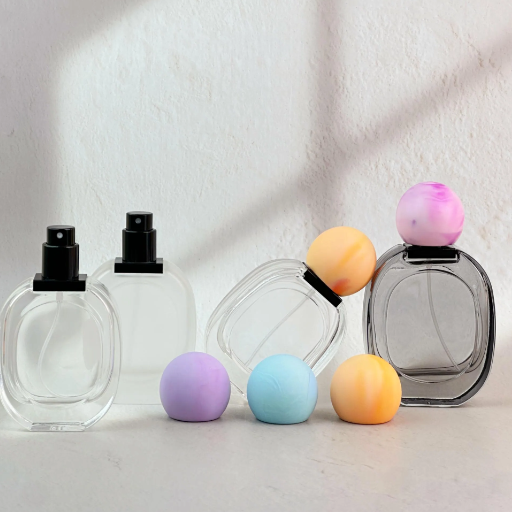
A cap limits evaporation around the spray mechanism, protects the actuator in transit, and carries the brand. The pump’s gasket does the pressure sealing. The cap keeps dust and handling damage off the spray surface, so a bad fit shows up as lost top notes and a stale nozzle, not an obvious leak.
The cap is the removable cover. The collar is the sleeve at the neck that holds it. The pump is the spray engine, crimped or screwed onto the bottle.
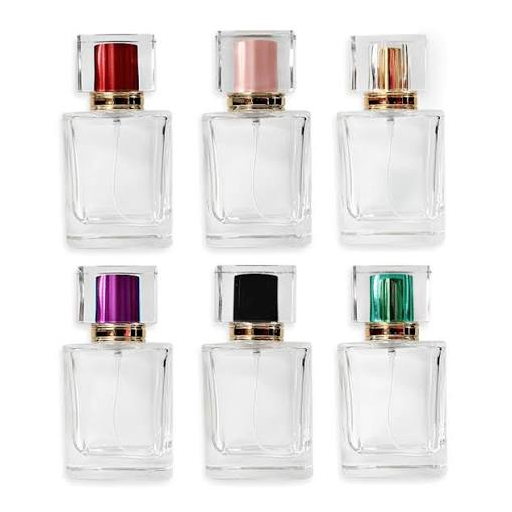
Buyers mix these up, which causes wrong orders. When a supplier asks for a “cap spec”, they usually want all three. Our shows the families side by side, and the covers the full assembly.
The Four Closure Systems
Almost every fragrance cap uses one of four systems. The system decides how the cap attaches, whether it can be removed by the customer, and how much the assembly costs.
Screw caps
A screw cap engages threads on the bottle neck. The finish is written as a diameter and a thread code, such as 15/415. Screw caps are tool-free, refillable, and common on splash colognes, perfume oils, and travel formats.
The trade-off is leaks. A screw cap depends on the gasket and the customer tightening it. Vibration can walk a poorly specified screw cap loose in transit. For a premium spray fragrance, screw caps are usually the wrong default.
Friction and press-fit caps
A friction cap slides or snaps over the pump or collar. Retention comes from interference between the cap’s inner wall and the collar, sometimes helped by a bead or spring clip.
This is the default for fine fragrance. It assembles cheaply, runs fast on the filling line, and gives a clean silhouette. It also has the least margin for error. A fraction of a millimetre too much clearance and the cap turns freely or falls off in the box.
Magnetic caps
A magnetic cap carries magnets in the cap and matching magnets or a steel insert in the collar. The magnets pull the cap into alignment and hold it with a weighted feel.
Magnetic perfume caps are the premium cue most brands ask for first. They are also the most expensive common system, because the cap is usually a two-part assembly: an outer shell, an inner insert, and magnet pairs. If the insert bond fails, the shell spins while the insert stays put. Buyers describe that as “the cap turns but won’t open.”
Crimp-collar assemblies
A crimp collar is not a cap type, but buyers search for it as one. The pump is crimped permanently onto the bottle neck and the decorative cap sits over it. The crimp is the seal; the cap is the cover.
This distinction matters when something leaks. A leaking crimp is a pump or neck problem, not a cap problem. A cap that will not stay on is a fit problem. Diagnosing the wrong part sends the sample to the wrong factory.
| System | Attaches to | Customer removable | Typical use | Cost tier |
|---|---|---|---|---|
| Screw cap | Threaded bottle neck | Yes | Oils, splashes, refillables, travel | Low to medium |
| Friction / press-fit | Pump or collar | Yes, by pull-off | Fine fragrance default | Low |
| Magnetic | Collar with magnets or steel insert | Yes, by pull-off | Premium and gift formats | High |
| Crimp collar (with overcap) | Crimped pump on bottle neck | Cap yes, pump no | Most spray fragrances | Medium, plus pump |
Choosing between systems? by material and closure type, or send us the bottle and we will match the assembly.
Perfume Bottle Caps: Materials Compared
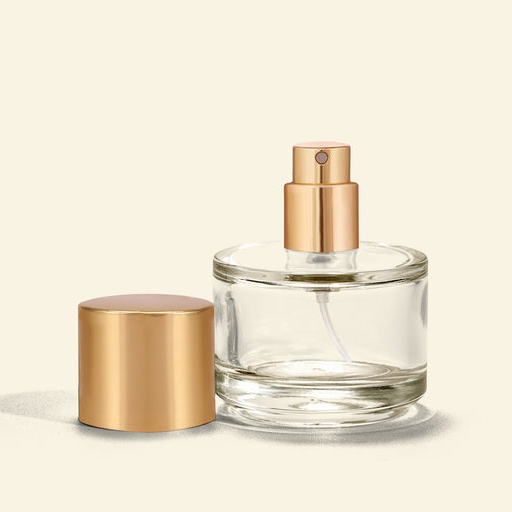
Material decides weight, finish, failure mode, and a large share of unit cost. Five materials cover most of the market.
ABS
ABS is the workhorse plastic. It moulds to tight tolerances, accepts colour and print, and can be vacuum-metallised to look like metal. It is light, economical, and the default for mass and mid-market fragrance.
The weakness is feel. An ABS cap can look expensive and still feel light. Metallised ABS also wears at the edges, which is why premium brands move up to aluminium or Zamac.
Surlyn
Surlyn is an ionomer resin used for heavy, clear caps that look like crystal. It is tough, resistant to cracking, and can be tinted or left translucent. The weight and clarity give it a premium plastic position without metal cost.
Surlyn is not glass. It scratches and can cloud with certain solvents if the wrong grade is specified. See our Surlyn perfume caps range for shapes and finishes.
Zamac (Zamak)
Zamac is a die-cast zinc alloy. It is the heaviest common cap material, takes polishing, plating, and engraving well, and delivers the weight and sound luxury brands want.
It is also the most expensive. Tooling costs more, the alloy adds shipping weight, and every plating step adds cost and rejects. In small runs, a Zamac cap can cost more than the glass bottle it covers. Zamak is the alloy family name; Zamac is the spelling most fragrance suppliers use.
If the brief calls for Zamac, budget early and confirm the alloy grade and plating specification. Our page covers construction.
Aluminium
Aluminium caps are stamped or machined, then anodised or plated. They are lighter than Zamac and usually cheaper, while still reading as metal. Anodising gives a clean colour range; plating gives a brighter finish.
Aluminium is the usual cost-down route from Zamac. It can feel thin if the wall is too light, so specify a target weight.
Wood and wrapped shells
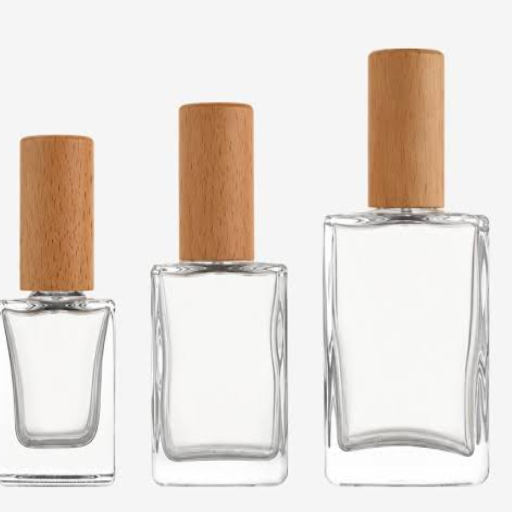
Wood caps are almost always a wooden shell over a plastic insert. The insert carries the fit; the wood carries the look. Grain and colour vary between batches, so approve a range sample.
Wood is a strong sustainability signal and a weak precision material. It moves with humidity, which is why the insert holds the fit.
| Material | Relative weight | Finish options | Common failure | Relative cost | Best fit |
|---|---|---|---|---|---|
| ABS | Light | Colour, print, metallising | Edge wear on metallised parts | Lowest | Mass and mid-market |
| Surlyn | Medium to heavy | Tint, frost, clear | Scratches, solvent clouding | Medium | Premium plastic, crystal look |
| Zamac | Heaviest | Polish, plate, engrave | Plating adhesion, cost overrun | Highest | Luxury and gift |
| Aluminium | Medium | Anodise, plate, print | Thin-wall feel, denting | Medium to high | Metal look at lower weight |
| Wood over insert | Medium | Stain, laser, natural grain | Batch colour variation, movement | Medium | Natural and sustainable cues |
How Perfume Bottle Cap Fit Is Specified
Fit is a number, not an adjective. Two measurements decide most of it: the bottle’s neck finish and the cap’s inner diameter.
Crimp necks use the FEA family, commonly FEA 13, 15, 18, and 20 millimetres. Screw necks use a diameter and thread code, such as 15/415. In both notations, the first number relates to the neck diameter; the code that follows describes the thread or finish profile.
The exact dimensions and tolerances are set out in our FEA 15 cap fit guide, so this section focuses on what to measure and send.
Measure the thread, not the smooth neck
Use calipers and measure across the threads at their widest point, not across the smooth neck. Then measure neck height from the sealing surface to the start of the thread or bead. Photograph the neck next to a ruler and include the bottle capacity and a drawing if you have one.
A supplier who receives only the diameter will guess the rest. Send all four: thread diameter, neck height, photo, and drawing.
Retention is a separate specification
Fit isn’t only diameter. Retention is how hard the cap is to pull off and how well it stays aligned.
Friction caps rely on interference and collar design. Magnetic caps rely on magnet strength and the steel insert. Screw caps rely on thread engagement and gasket compression.
Tell the supplier what the cap must feel like: easy pull with a soft click, firm pull with no rattle, or a magnetic snap. “Premium feel” is not a specification until it becomes a retention target.
A cap that spins without opening usually has a broken shell-to-insert bond, not a neck problem. A cap that falls off in the box has too little interference or too weak a magnet. A leak around the spray points to the pump gasket. A ring on the shoulder means the cap sits too low, which points to neck height or collar depth.
What Drives Perfume Cap Cost
Cap price is not one number. It is tooling, material, weight, plating, assembly, decoration, and volume, and each moves independently.
Tooling. A new mould is a one-time cost. Stock shapes avoid it; custom silhouettes carry it. Cost per unit falls as volume rises, which is why a custom cap rarely makes sense for a very small first run.
Material and weight. Zamac costs more than aluminium, aluminium more than Surlyn, Surlyn more than ABS. Weight adds material and freight cost. A heavy cap is a deliberate choice with a recurring price.
Plating and decoration. Each plating pass adds handling, chemicals, and a reject rate. Two-tone plating, laser engraving, screen print, and hot stamping each add steps. More steps mean more samples and more ways for a batch to fail inspection.
Assembly and volume. Magnetic caps need magnet pairs, an insert, and a bonding step. Liners need fitting and checking. Small runs carry changeover cost, so ask for packing and volume tiers in the quote.
A hypothetical cost decision
Consider a founder we will call Tom. He wants a heavy metal cap for a 50 ml eau de parfum because the renders look premium, so he chooses Zamac. The quote comes back with a cap that costs more than the bottle, pushing his retail price above the tier he planned.
Tom switches to an aluminium shell over an ABS insert with the same silhouette and a similar weight target. The cap still reads as metal, the unit cost drops, and the launch price holds. The material decision belongs in the cost model before the design is locked.
Need the cost model before you choose a material? and we will quote the realistic options.
Quality Checks That Predict Field Failures
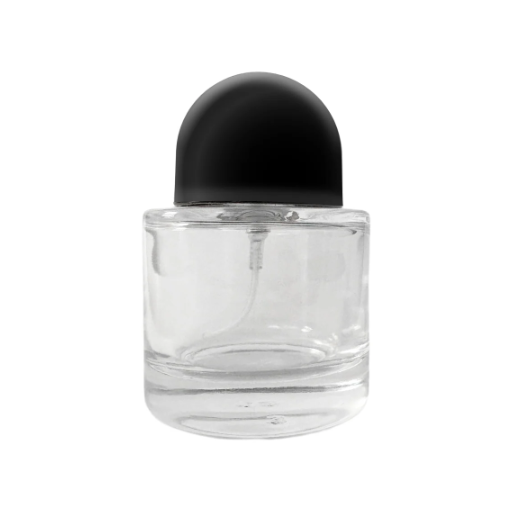
A cap can pass a visual check and still fail in the hand. These tests catch what eyes miss.
Pull-off and retention. Measure removal force and check that the cap returns to alignment after repeated pulls. Magnetic caps should snap to the same position every time.
Open and close cycles. A common consumer-life check is 30 to 40 cycles. A cap that loosens or stops latching inside that range will generate complaints.
Evaporation and weight loss. Fit the full assembly to a filled bottle and measure weight loss under accelerated storage. This tests the pump gasket and the cap’s sealing contribution.
Transit simulation. Vibration and drop testing shows whether the cap stays on and the actuator survives. Reference a recognised transit standard.
Plating and decoration adhesion. Cross-hatch or rub tests catch plating that wears at the edges. Check the area a customer touches when opening the cap.
Gasket compatibility. Soak the gasket in the actual concentrate. A gasket that swells or hardens will leak or seize months after shipping.
Pre-shipment inspection. Agree the AQL level and defect list before production. The report should show these tests, not only carton counts.
How to Order Perfume Bottle Caps
A clean RFQ for custom perfume caps shortens the sample cycle. Include these items:
- Bottle neck finish, with thread diameter, neck height, photo, and drawing
- Cap inner diameter and the collar or pump it must fit
- Closure system: screw, friction, magnetic, or crimp-collar overcap
- Material, or the target weight and look if the material is open
- Finish, decoration, and logo method
- Gasket or liner requirement
- Packing method, quantity, destination, and delivery date
- Sample deadline and who approves the golden sample
The sampling path runs in three steps. A stock sample confirms fit and feel. A custom colour or logo on an existing mould confirms the look without tooling. A new mould comes last, only after the first two are approved.
Standard production time is 4 to 6 weeks after sample approval. Tooling adds time before that, so plan the launch backward from the delivery date.
Red flags in a cap quote
A supplier who cannot state the alloy grade, show a gasket specification, or explain retention is quoting a look, not a part. A quote that names a different neck finish from your bottle is a fit failure waiting to happen. A price far below the others usually means a lighter wall, cheaper plating, or no liner.
A hypothetical RFQ that worked
Consider a brand manager we will call Priya. Her first cap order went wrong because the RFQ said “15 mm neck, gold cap, premium feel.” The sample fit loosely and the launch slipped two weeks.
For the second run, Priya sent the bottle, caliper measurements, the neck drawing, the target cap weight, a collar photo, and a golden sample of the feel she wanted. The first sample matched, the colour was approved, and production started on schedule. A one-page spec made the difference, not a bigger budget.
Frequently Asked Questions
What is the top of a perfume bottle called?
The removable cover is the cap or overcap. The part it sits on is the collar, and the spray engine underneath is the pump. Suppliers often use “cap” loosely for the whole assembly, so confirm which part is quoted.
Can I replace the cap on my perfume bottle?
Sometimes. A friction or magnetic cap can be replaced if you find one with the same inner diameter and collar design. A crimped pump cannot be replaced without decanting. For a brand sourcing new packaging, replacement is a fit question, not a repair question.
Why does my new cap spin without opening?
Most often the outer shell has separated from the inner insert, so the shell turns while the insert stays locked on the collar. This is a bonding or assembly fault, not a neck-size fault. Ask the supplier for the insert bond specification and an adhesion check.
What is the difference between Zamac and aluminium caps?
Zamac is die-cast zinc alloy: heavier, more expensive, and capable of deeper plating and engraving. Aluminium is lighter and usually cheaper, with anodised or plated finishes. Zamac signals the heaviest luxury tier; aluminium is the practical metal alternative.
Do perfume caps need to be child-resistant?
Fragrance is generally outside the US child-resistant closure list under the Poison Prevention Packaging Act, but scope depends on the product and market. Confirm with your compliance team and check the current 16 CFR Part 1700 text rather than relying on a supplier’s summary.
Conclusion
Perfume bottle caps reward a spec-first approach. Decide the closure system and neck finish before the colour, because those choices decide whether the cap seals, stays on, and survives transit.
Then compare materials against the price tier. ABS and Surlyn cover most of the market, aluminium is the metal cost-down, and Zamac is the luxury tier with a luxury cost. Confirm retention, gasket, and packing in writing.
Finally, put the measurements in the RFQ. Thread diameter, neck height, cap inner diameter, target weight, and a photo of the collar turn a lookbook request into a part a factory can quote.
Ready to specify your cap? and we will match the closure, material, and finish to your price tier. For bulk pricing, see our guide to .