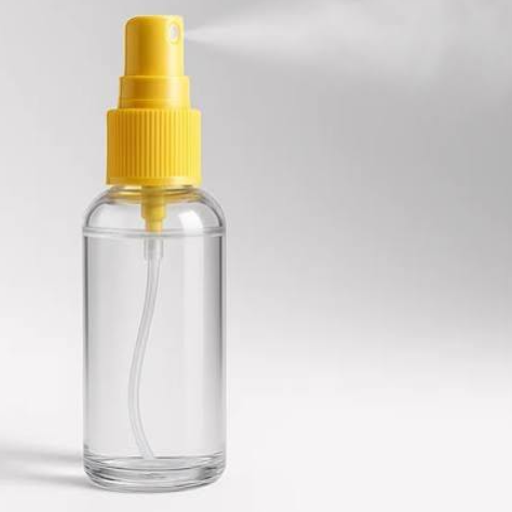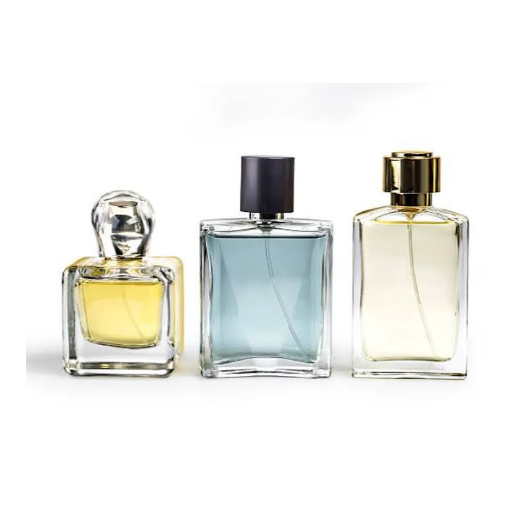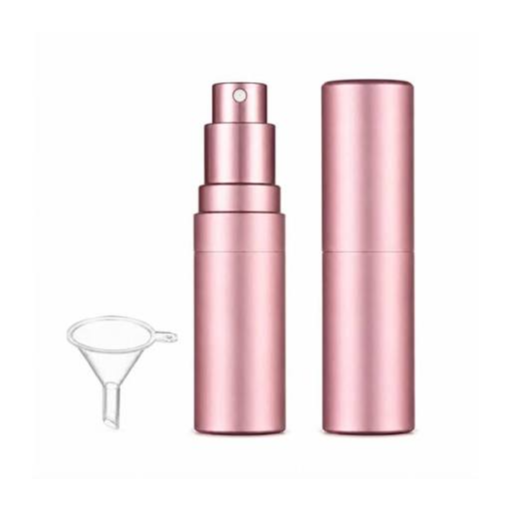
Perfume bottle sprayer compatibility is a five-part match: the closure system (including the collar or ferrule), the neck finish, the dip tube length, the gasket material, and the actuator. The collar or thread diameter is one number in that set. On its own, it never proves a fit.
Here is how the error usually starts. A brand approves a 50 ml flacon and an FEA 15 pump. The glass factory molds the neck to its own drawing, and the bead lands 0.3 mm over the pump maker’s tolerance. The first crimp splits the collar.
The launch moves four weeks while a new glass batch is made. The pump was “the right size”. The assembly was still wrong. This scenario is hypothetical, but the sequence is common.
Most buyers start with the bottle, the part they can see. Then they discover the pump they want does not exist for the neck they chose, or it exists but will not seal. This guide gives a six-step fit check that catches the mismatch before tooling. and we will check the fit before you commit.
Key Takeaways
- Compatibility is a five-part match: closure system (with collar or ferrule), neck finish, dip tube, gasket, and actuator. Diameter alone never settles it.
- FEA 13/15/17/18/20 are crimp necks. 15/415, 18/410, 18/415, 20/410 and 24/410 are threaded finishes. A shared number does not mean a shared fit.
- Crimp pumps are permanent and need a crimping machine. Screw and snap-on pumps are removable. The choice follows the filling line and the refill plan.
- A dip tube is measured from the sealing surface to the bottle base, not from the outside height. Leave 1 to 4 mm of clearance.
- A water test does not prove fragrance compatibility. Fill a sample, invert it for 24 hours, then check dose and spray pattern.
What Perfume Bottle Sprayer Compatibility Actually Means
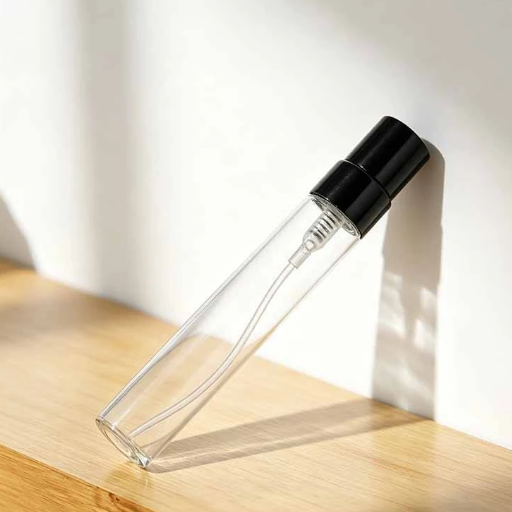
Compatibility is not a property of the pump. It is a property of the assembly. Five interfaces have to agree at the same time.
| Interface | What must match | What fails when it does not |
|---|---|---|
| Closure system | Crimp, screw or snap-on; collar or ferrule to the pump drawing | Pump will not seat, spins, leaks, or cracks the collar |
| Neck finish | Full FEA or thread code | Collar splits, pump sits high, seal misses |
| Dip tube | Bottle internal height plus clearance | Sputter, starvation at half a bottle |
| Gasket | Formula chemistry and land flatness | Swelling, seepage after two to three weeks |
| Actuator | Target dose and spray pattern | Wet spray, wrong dose, short bottle life |
A perfume bottle pump can pass four and fail on the fifth. “Fits 15 mm neck” is a starting point, not an answer.
Why the collar number is not the whole spec
The number on a crimp pump, such as FEA 15, names the collar diameter. It does not publish the bead diameter, bead height, bore or land position. Two bottles from two glass factories can both be FEA 15 and still differ enough to split a collar. Threaded finishes have the same trap: 18/410 and 18/415 share a diameter, not a thread. The drawing decides; the code only narrows the search.
Crimp, Screw, or Snap-On: The First Compatibility Decision
The closure system sets the tooling, the filling line and the refill story. It is also the crimp vs screw decision most brands face first.
Crimp (FEA): permanent and machine-applied
A crimp pump carries an aluminum ferrule. A crimping tool folds the ferrule over the glass bead on the neck. The result is permanent. Removing it destroys the ferrule, and often the pump.
Crimp is the fine-fragrance default: best evaporation control, strongest tamper evidence, widest dosage range. The trade-off: the filler needs a crimping machine, and the consumer cannot refill.
Screw (15/415, 18/410, 18/415): removable and refillable
A screw pump threads onto a molded neck. It needs no crimping machine and can be removed, replaced and refilled, which suits mists, travel and refill programs.
The weakness is the seal. A thread centers and retains the pump; the gasket does the sealing. Screw pumps are more sensitive to capping torque and to the customer reopening the bottle, so they are usually wrong for a premium extrait.
Snap-on and crimpless: tool-free, lower dose
A snap-on or crimpless pump presses onto the neck without tooling. It assembles faster and supports refill, but dosage is limited. Aptar’s Precious INUNE offers FEA 13 to FEA 20, screw SNI15/CV15 and 13/15 mm snap-on, at 0.07 and 0.10 ml. A formula needing 0.05 ml may not be available.
| System | Tooling | Removable by consumer | Typical use | First check |
|---|---|---|---|---|
| Crimp (FEA) | Crimping machine | No | Fine fragrance, 10–100 ml | Bead diameter and height |
| Screw (15/415, 18/410, 18/415) | Standard capper | Yes | Refillable, mists, travel | Full thread code |
| Snap-on / crimpless | Press-on | Yes, with care | Minis, samples, low-volume launches | Neck diameter and groove |
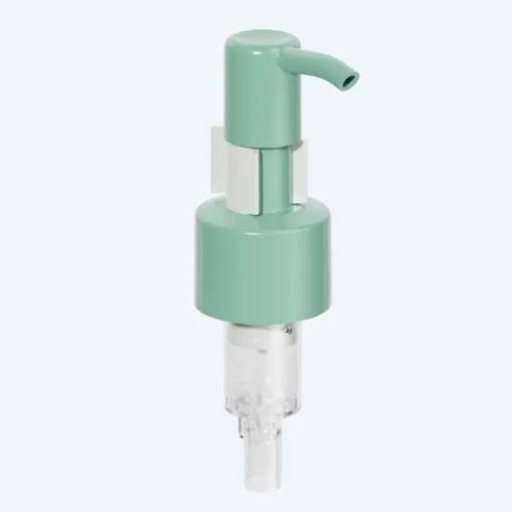
Crimp sprayer pumps for 13, 15 and 18 mm necks. Source: YOGOPAK.
The Neck Finish Check: Read the Drawing, Then Measure
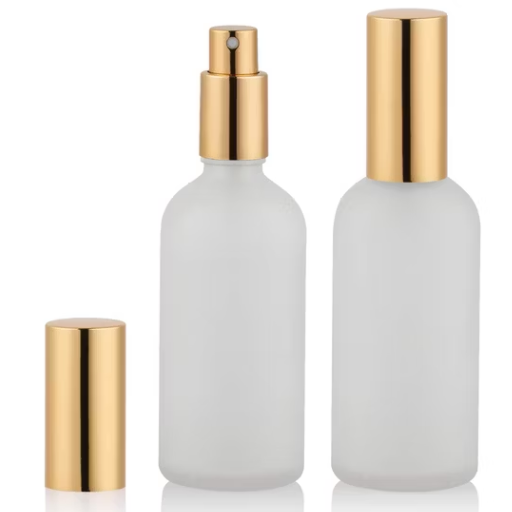
Read the drawing, then measure the bottle. The drawing is the specification; the calipers are the check.
What the code tells you and what it does not
For a crimp neck, the code gives the collar family: FEA 13, 15, 17, 18 or 20. EN 14854:2021 defines the neck-finish dimensions for aerosol and spray glass containers across roughly 11, 13, 15, 17, 18 and 20 mm. Your glass drawing should state which edition and tolerance it follows.
For a threaded neck, the first number is the outside diameter across the threads; the second is the series. A 410 finish carries one and a half turns, a 415 two turns and a taller neck, and a 400 one turn. That is why 18/410 and 18/415 are not interchangeable, and why 24/410 and 24/415 are not. The diameter matches; the height and thread do not.
For flaconnage glass, ISO 12818 covers general tolerances, not neck-fit dimensions, so it is no substitute for the drawing. Cetie GME 40.07 covers screw pump finishes; GME 40.03 and 40.10 cover snap-on.
Daniel sourced 10,000 screw pumps for a 30 ml hair mist and ordered 18/410 pumps against a drawing that said 18/415, because both read “18 mm”. The pumps sat high, the gaskets never compressed, and the first pallet leaked. The re-quote cost more than the pumps. Hypothetical, but ordinary.
The four figures to send your pump supplier
For a crimp neck, send:
- Bead outside diameter.
- Bead height.
- Bore diameter.
- Neck height and the position of the bead below the sealing land.
For a screw neck, send T, E, H and S from the drawing, plus the bore and tolerance. T is the diameter across the threads, E the thread root, H the finish height, and S the distance from the sealing surface to the first thread.
If the supplier quotes from a photo, you get a guess. If the supplier quotes from those figures, you get a specification you can hold someone to.
Our deep-dives cover the numbers without repeating them here: FEA 13, 15, 18 and Screw 15 explained and the FEA 15 five-dimension spec guide. For threaded fine-mist necks, see .
The measuring check
Use digital calipers. For a screw neck, measure across the threads, not the opening, and average two readings at 90 degrees because a blown neck is rarely round. For a crimp neck, measure the bead outside diameter. A bead on 13, 15, 17, 18 or 20 mm gives the right family, not a fit. Bead height and land position can be out of tolerance while the diameter looks perfect.
Dip Tube and Gasket: The Two Fit Failures Buyers Miss
Dip tube length: measure from the sealing surface
The dip tube has to reach the bottom without touching it. A tube flat on the base can seal itself shut; a tube that stops short sputters before the bottle is empty.
Measure from the sealing surface to the inside of the bottle base, not the outside height. Perfume bottles often have a domed base, so the outside height overstates the internal depth.
Then subtract the clearance. Most suppliers work with 1 to 4 mm. Wide bottles and high-viscosity formulas often need 3 to 5 mm. Cut the tube at an angle so the inlet cannot seal against a flat base. ASTM D6536/D6536M defines the measurement from the bottom of the sealing surface to the end of the tube, which is the figure to put on the purchase order.
A tube 5 mm too long is not cosmetic. It can starve the pump for the last third of the bottle, and the customer reads that as a weak spray.
Gasket and formula: the three-week soak test
The gasket is the part that actually seals a screw pump, and it is often chosen by default. EPDM and FKM both resist ethanol better than low-density plastic, but they are not identical. Concentrated oils, citrus notes and high alcohol can swell or harden the wrong compound.
A water test will not catch this. Fill a sample with the real formula, seal it, and leave it inverted for three weeks. Then inspect the gasket, ferrule and actuator for seepage, swelling or a change in spray quality. Erbatur recommends the same three-week check, because some failures appear only after the gasket sits in the formula.
A Six-Step Perfume Bottle Sprayer Compatibility Check
Run these steps in order. Each one narrows the next, and the expensive mistakes happen when a buyer skips ahead. A perfume bottle sprayer compatibility check is only as good as its weakest step.
1. Fix the closure system. Ask whether the bottle is refillable, whether the brand needs tamper evidence, and whether the filler has a crimping machine. Crimp wins on seal and tamper evidence; screw and snap-on win on refill and tooling.
2. Get the bottle drawing, not a photo. Ask for the neck finish, T/E/H/S or bead dimensions, bore, land and tolerance. A glass factory that cannot supply a drawing is a warning sign.
3. Match the pump family to the drawing. Send the pump maker the drawing and ask for the matching collar or ferrule. Do not accept “FEA 15 fits FEA 15”. Ask which bead diameter and height the crimp is designed for.
4. Set the dip tube. Measure the internal depth from the sealing surface and subtract 1 to 4 mm, or 3 to 5 mm for a wide or viscous bottle. Put the number and tolerance on the PO.
5. Match the gasket and actuator to the formula. Choose the elastomer for the formula, not the price list, and the actuator insert for the target dose and spray feel. The right neck with the wrong insert still feels wrong.
6. Test a filled sample before the bulk order. Fill at least 30 units and run a 24-hour inverted test, vacuum-decay test, dose-consistency check, spray-pattern check and transport vibration check. A sample that passes on water and fails on fragrance has not passed.
| Scenario | First check | Most expensive mistake |
|---|---|---|
| New build | Pump drawing before glass drawing | Cutting a mold for the wrong neck |
| Existing bottle | Full drawing, not the label | Assuming the catalog neck is the real neck |
| Replacement pump | Closure system and full code | Buying a crimp pump for a crimped bottle |
| Refillable program | Snap-on or screw, and dose range | Choosing crimp, then discovering the refill plan |
| Second source | Drawing-to-drawing comparison | Mixing two suppliers’ tolerances |
Want to test the fit before you commit? Request a sample kit with the closure and neck family you are considering.
When It Doesn’t Fit: Symptom, Cause, Fix
Most failures have a signature: match the symptom before you blame the pump.
| Symptom | Likely cause | What to check |
|---|---|---|
| Collar splits during crimping | Bead oversized, or glass at the top of tolerance | Bead diameter against the pump drawing |
| Pump turns freely after crimping | Bead undersized, or bead too low for the crimp to bite | Bead height and position, not just diameter |
| Leak at the collar after transit | Gasket not compressed, uneven land, or short neck | Sealing land and H dimension |
| Pump bottoms out and will not seat | Neck too short for the pump plug depth | Compare H on both drawings |
| Sputter after half the bottle | Dip tube too short, or sitting flat on the base | Internal depth and clearance |
| Cap will not sit down | Cap inner diameter too small for the collar outside diameter | Cap against the ferrule OD, not the neck |
A crimp gets one attempt, so an out-of-tolerance bead is scrap, not rework. And most rows are drawing problems, not pump problems.
Can you replace a crimped sprayer?
Usually no. A crimped ferrule is deformed onto the glass and cannot be removed without destroying it. Replacement needs a new ferrule, a crimping tool and a matching pump. That is a filling-line job, not a kitchen-table job.
A screw pump can be replaced if the full code and dip tube match; a snap-on pump if the neck and groove match. With a crimped pump and no tool, replace the bottle, not the pump.
If you plan to sell perfume sprayer replacement parts, choose screw or snap-on at the design stage. You cannot retrofit it after the glass is molded.
What to Put in the RFQ and on the PO
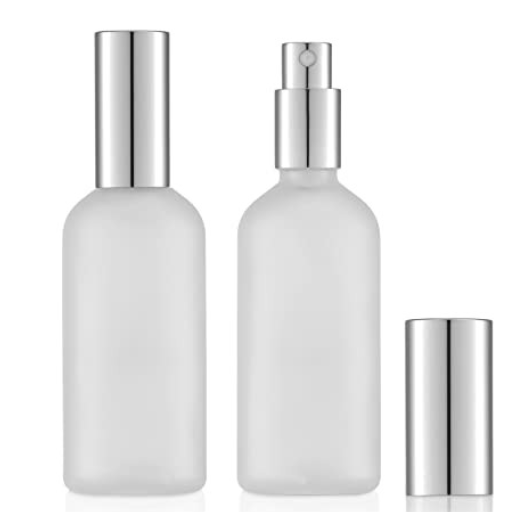
A good enquiry gets a matched set back. A vague one gets a catalogue page and a guess. Send these ten items.
- The pump assembly or its drawing.
- The bottle drawing with neck finish, bead or T/E/H/S, bore, land and tolerance.
- The closure system: crimp, screw or snap-on.
- The format in milliliters and ounces, plus the glass grade and color.
- The decoration: frosting, coating, printing, hot stamping or plating.
- The target dose per actuation.
- The dip tube length, or the bottle’s internal height.
- The formula type, alcohol content and viscosity.
- The gasket material, or the formula chemistry.
- The sample approval, test standard, packing and delivery date.
Put the neck finish, the pump code, the dip tube length and the gasket material on the purchase order. If it is not on the PO, it is not a specification. It is a conversation.
Our covers pump anatomy, dosage and QC tests. Our covers the closure decision. Browse our for products.
FAQ
Can I replace a crimped perfume sprayer? No, not without a crimping tool and a new ferrule. The original ferrule is deformed onto the glass and is destroyed on removal. Screw and snap-on pumps can be replaced if the code and dip tube match.
Is 15/415 the same as FEA 15? No. Both are 15 mm, but FEA 15 is a crimp neck with no thread. 15/415 is a threaded neck with a two-turn finish. A screw closure has nothing to engage on an FEA 15 bottle.
Will an 18/410 sprayer fit an 18/415 bottle? No. The diameter is the same, but the 415 finish is taller and has a different thread. The pump can sit high or fail to compress its gasket. Match the full code, not the first number.
How long should the dip tube be? Measure from the sealing surface to the inside of the bottle base, then subtract 1 to 4 mm. Use 3 to 5 mm for wide or high-viscosity bottles. Cut at an angle so the inlet cannot seal against the base.
Can I use a 24/410 pump on a perfume bottle? Not for a standard fine-fragrance crimp assembly. 24/410 is a body-care and lotion finish. Some fragrance mists use it, but the drawing decides. If the bottle is FEA 15 or Screw 15, a 24/410 pump is the wrong family.
What does “compatible” mean on a pump listing? Usually only that the pump fits a neck family. It does not prove perfume bottle sprayer compatibility: the bead height, bore, dip tube and gasket may still be wrong for your bottle. Ask for the drawing and compare the four figures.
Conclusion
Perfume bottle sprayer compatibility comes down to one habit: specify the assembly, not the components. The closure system sets the tooling, the neck drawing sets the pump, and the dip tube and gasket set the field performance. The sample test proves the assembly before the bulk order.
Priya sent the pump drawing before the glass drawing. Her supplier matched the bead and bore, cut the dip tube to the internal height, and ran a 30-piece sample. The bulk run passed first time. Hypothetical, but repeatable.
If you remember one rule: the number on the pump is a family, not a fit. FEA 15 on the pump and FEA 15 on the bottle is the start of the conversation, not the end. The bead, bore, land and tolerance decide whether the assembly seals.
Send your bottle drawing and pump specification. We will check the five interfaces, flag the mismatch before tooling, and quote the assembly that matches the bottle you have. .