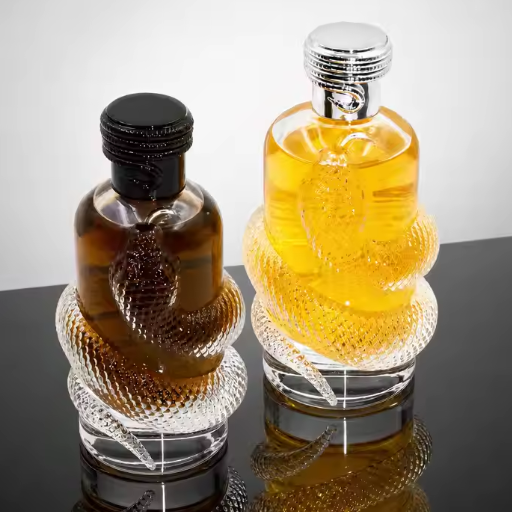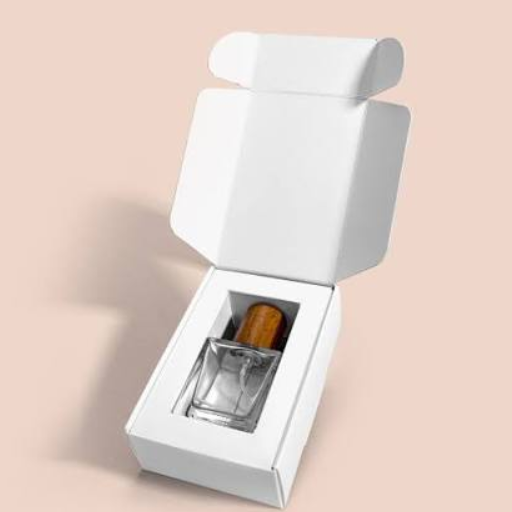
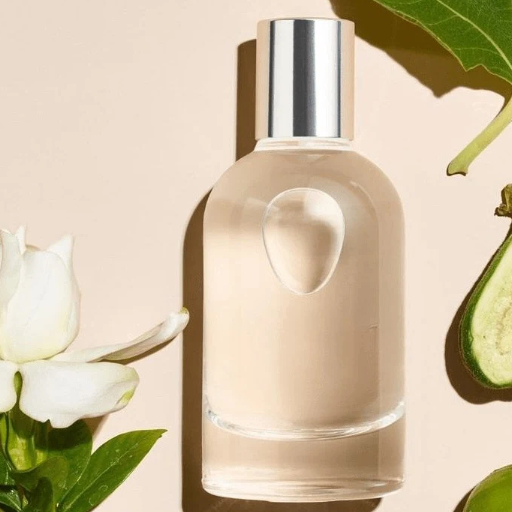
Sustainable luxury perfume packaging is premium fragrance packaging that keeps its high-end look and feel while using verifiable, lower-impact materials and systems: refillable glass bottles, FSC-certified board, recycled content, and plastic-free inserts, all backed by certifications and 2026 regulations. Here’s how to get it right without the greenwashing that now undermines luxury brands.
Luxury used to mean heavy. Heavy glass. Heavy gold foil. Heavy plastic wraps and foam. In 2026, the most coveted fragrances on the shelf are also the lightest, and the brands winning are the ones proving their sustainability claims with certificates, not adjectives.
Here’s the tension every fragrance brand now faces: you want a box and bottle that feels expensive the moment a customer lifts it, but you also know that “sustainable” is no longer optional. It’s expected by consumers, demanded by retailers, and increasingly enforced by regulators in Europe and California.
We agree with you. For years, the industry treated these as opposites. A premium unboxing meant layered plastic and virgin materials, while eco-friendly meant brown kraft that cheapened the product. That trade-off is gone. A manufacturer who understands both sides of the equation can deliver eco-premium: packaging that reads as quiet luxury and verifies as genuinely lower-impact.
In this guide, we’ll walk through the swaps that matter, the certifications to demand, the 2026 rules you can’t ignore, and what each choice actually costs.
Key Takeaways
- Refillable screw-neck bottles are the highest-impact sustainable change, and 15% recycled (PCR) glass is now the emerging luxury baseline across Guerlain, Bottega Veneta, and Bormioli Luigi.
- FSC-certified board, recycled greyboard, mono-material boxes, and moulded-fibre inserts deliver the premium feel with a fraction of the footprint.
- “Recyclable” is not the same as “actually recycled,” and “contains recycled content” means nothing without a verified percentage.
- The EU Packaging and Packaging Waste Regulation took effect August 12, 2026, and California SB 54 is tightening rules for US brands.
- Sustainability is often cost-neutral when you right-size the box, drop layered plastic, and switch to a single material.
What Is Sustainable Luxury Perfume Packaging?
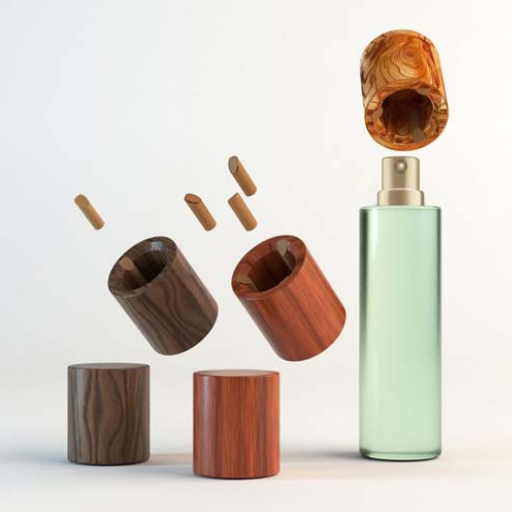
Sustainable luxury perfume packaging is a fragrance package, bottle, cap, insert, and outer box, that maintains the tactile and visual signals of premium design while reducing environmental impact through refillable systems, recycled and certified materials, and design for recyclability. The key word is “verifiable”: the claims are backed by certifications like FSC chain-of-custody and documented recycled-content percentages, not vague marketing language.
Think of it as a system, not a single green material. The box can be FSC-certified while the bottle is still virgin glass and the insert is still virgin EVA foam. That’s not sustainable luxury packaging; that’s a green accent. True eco-premium coordinates every component, from the glass weight to the cap material to the box board and the insert, so the whole package can be reused, refilled, or recycled at end of life.
This matters because luxury fragrance packaging carries more environmental weight than it looks. Glass bottles are the single largest material category in the perfume packaging market, and the heavy rigid boxes, foam inserts, and metallic finishes that scream “premium” are exactly the parts that are hardest to recycle. Getting the system right is where the impact lives.
Why Sustainability Is Now the New Luxury Signal
The shift is not a passing trend. It’s structural, and it’s coming from three directions at once.
Consumers are voting with their wallets. According to NielsenIQ, 74% of consumers prefer sustainable packaging. For luxury buyers, the expectation is even more pointed: they assume a premium brand has already solved sustainability. A plastic-heavy, over-packaged luxury box now reads as careless, not exclusive.
The majors are already moving. LVMH reports that 49% of its client packaging used recycled materials in 2025. When the world’s largest luxury group treats recycled content as standard practice, it stops being a differentiator and becomes table stakes. Indie and mid-size fragrance brands can’t afford to lag behind.
Regulators are forcing the change. The EU’s Packaging and Packaging Waste Regulation took effect in August 2026, targeting over-packaging and non-recyclable composites. California’s SB 54 is pushing producers toward packaging that is actually recyclable or compostable. These rules change what you can legally ship into major markets.
There’s also a quiet irony here. The aesthetic language of sustainability, restraint, texture, a single honest material, is the same language as quiet luxury. A matte FSC board with a simple deboss reads as more refined than a glossy, foil-heavy, plastic-laminated box. The brands that embrace eco-premium often look more expensive, not less.
Explore how to build the full premium package with our complete guide to custom perfume packaging.
Refillable Systems: The Highest-Impact Swap
If you change one thing, change this. Refillable packaging has the single largest sustainability impact because it attacks the problem at the source: the bottle doesn’t become waste after one use.
Consider Lena, who launched a niche eau de parfum in Lyon last spring. Her first run used a beautiful but single-use bottle with a crimped, non-removable pump. Customers loved the scent, but she kept seeing the same question in reviews: “Is this refillable?” It wasn’t, and the negative comments stung more than any praise.
Her second run switched to a screw-neck refillable flacon with a detachable collar and cap. Not only did the reviews shift, but her repeat-purchase rate climbed. Refills became the natural second order instead of a brand-new bottle.
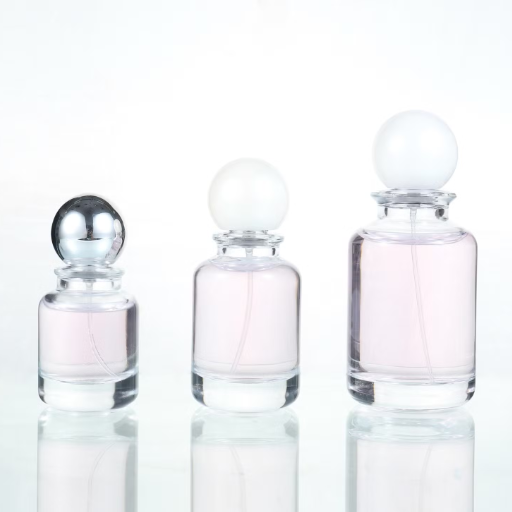
The mechanics matter. A screw-neck design lets the pump unscrew so the bottle can be refilled, and it lets the cap, collar, and glass separate cleanly at end of life for recycling. That detachability is the quiet hero of sustainable luxury: it’s what lets a recycled zamak collar or a wooden cap be recovered instead of fused into a mixed-material mess.
The benchmarks are already on shelves. Guerlain’s Aqua Allegoria Forte uses a screw-top refillable bottle with at least 15% recycled glass. Bottega Veneta’s Alta collection pairs a 15% PCR glass flacon with an FSC-certified ash wood cap and a 75%-recycled zamak collar, all designed to disassemble for recycling. These are not compromises; they’re flagship luxury launches.
For your packaging, a refillable system changes the box and insert too. The outer box needs to be durable enough to survive being reopened, and the insert should hold a refill vial, not just the original bottle. That’s a design decision, and it’s one a manufacturer can guide you through early rather than retrofitting later.
Sustainable Materials That Keep the Luxury Feel
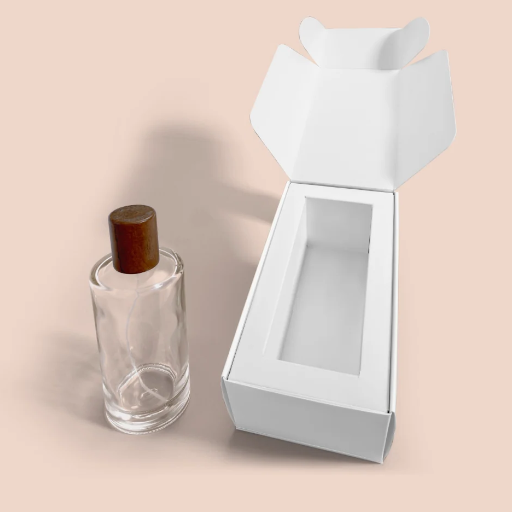
The old objection, “sustainable means cheap-looking,” no longer holds. Here are the swaps that preserve premium signals while cutting impact.
PCR glass and lightweighting. Post-consumer recycled glass is the emerging baseline at 15%, but higher percentages are achievable. Lightweighting, removing glass mass without losing structural strength, cuts both material use and shipping weight. Coty’s refillable Boss The Scent bottle uses 17% less glass, and SGD Pharma’s NOVA platform cuts weight by up to 20%.
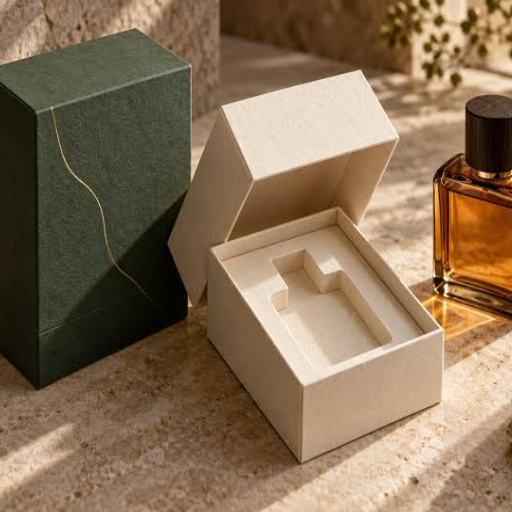
FSC-certified board and recycled greyboard. The rigid box that anchors luxury packaging can be built from FSC-certified paperboard over recycled greyboard instead of virgin fibre. The tactile quality is identical; the certification is the difference. Mono-material design, where the box, insert, and even the closure are a single recyclable paper stream, is the gold standard for end-of-life recovery.
Moulded fibre and plastic-free inserts. The velvet-flocked EVA foam insert is a luxury staple, but it’s plastic. Moulded fibre, made from FSC pulp, holds the bottle just as securely and is fully recyclable as paper. Off-White’s “Paperwork” range, produced with James Cropper’s moulded-fibre technology, shows a plastic-free insert that reads as sculptural rather than cheap.
Foil alternatives and vegetable inks. Traditional metallic foil can render a box unrecyclable. Hazen Envirofoil, used on Billie Eilish’s “Eilish” package, delivers the metallic shine with less than 1% of the aluminum of traditional foil, and it’s recyclable as paper. Vegetable-based inks and algae-based paints replace petroleum inks on premium printed surfaces.
Here’s the swap at a glance:
| Conventional material | Sustainable alternative | Luxury signal you keep | How to verify |
|---|---|---|---|
| Virgin glass bottle | PCR glass (15% or more) or lightweighted glass | Weight, clarity, cold touch | Recycled-content certificate |
| Virgin EVA foam insert | Moulded fibre or die-cut board | Secure fit, sculpted shape | FSC pulp certificate |
| Virgin greyboard box | FSC board over recycled greyboard | Rigid heft, matte feel | FSC chain-of-custody |
| Metallic foil | Envirofoil or vegetable ink | Metallic shine | Recyclable-as-paper certification |
| Mixed-material box | Mono-material paper box | Quiet, honest luxury | Design-for-recyclability |
Here’s a concrete example. When fragrance brand Abel moved from rigid boxes to a carton made from 100% recycled paper, 75% post-consumer waste plus 25% recycled coffee cups, it cut packaging carbon footprint by up to 95%, according to Progress Packaging. The brand didn’t lose its premium positioning; it gained a story customers repeat.
See how materials fit the full system in our sustainable packaging guide.
How to Verify Sustainability Claims (Anti-Greenwashing)
Here’s where most brands get burned, and where a good manufacturer protects you.
A London-based fragrance startup we’ll call Maison Clare printed “100% recyclable” on a beautiful box. The box was technically recyclable, but the foil lamination and plastic window meant no municipal facility would actually accept it. A customer called them out on social media, and the brand spent weeks defending a claim it believed was true. The lesson: “recyclable” and “actually recycled” are different statements, and customers now know the difference.
Verification starts with three distinctions.
First, “recyclable” versus “actually recycled.” Recyclable means it could be recycled under ideal conditions. Actually recycled means there’s a collection and reprocessing stream that takes it. Mono-material paper packaging is far more likely to actually be recycled than a laminated composite, however “recyclable” the composite is on paper.
Second, “contains recycled content” versus a verified percentage. A claim with no number is marketing. A claim of “75% post-consumer recycled fibre” backed by a mill certificate is a fact. Ask your supplier for the certificate, not the adjective.
Third, certification versus self-declaration. Look for FSC chain-of-custody for paper and wood, EcoVadis ratings for supplier practices, and B Corp certification for brands. These are third-party verifications, not internal promises.
When you source packaging, run a five-point check on every supplier: material specification, certification evidence, quality control, compliance documentation, and audit history. A manufacturer who hesitates on any of these is not ready for your eco-premium claim.
Ready to source verified eco-luxury? Request a free wholesale quote and we’ll walk through material certificates with you.
2026 Compliance: What EU PPWR and California SB 54 Mean
Sustainability is no longer a marketing choice. It’s a legal requirement in your two biggest markets.
The EU Packaging and Packaging Waste Regulation (PPWR) took effect on August 12, 2026. It targets over-packaging, requires packaging to be recyclable by design, and pushes recyclability and recycled-content targets across the single market. For fragrance, the practical effect is that oversized boxes, unnecessary layers, and non-recyclable composites are increasingly non-compliant. Brands that right-size their packaging and shift to recyclable paper streams are ahead of the curve; brands that keep the heavy, laminated, mixed-material boxes are buying themselves future redesign costs.
California SB 54 imposes similar producer-responsibility obligations in the US, requiring packaging to be recyclable or compostable and holding producers accountable for end-of-life. If you ship into California, your box design decisions now have legal consequences, not just reputational ones.
Beyond packaging law, REACH and RoHS govern the chemical and material safety of glass, metals, coatings, and inks used in fragrance packaging. A cap made from the wrong alloy or a coating with restricted substances can stall a shipment at customs.
The throughline is simple: design for recyclability now, and compliance becomes a feature rather than a scramble. A manufacturer with export experience, like our team, can spec your packaging to clear these rules from the first sample, not the third.
The Eco-Luxury Cost Reality and How to Build Your System
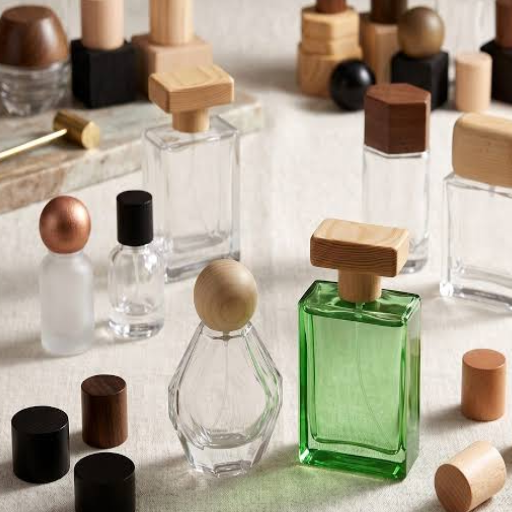
The most persistent myth is that sustainability always costs more. Sometimes it does. Often it doesn’t. Knowing which is which is how you spend smart.
Where it’s cost-neutral. Right-sizing the box, removing a redundant plastic layer, and moving to a single mono-material can reduce cost, because you’re buying less and simplifying the bill of materials. Abel’s move to a lighter carton cut both carbon and, in many cases, unit cost.
Where it adds cost. PCR glass and FSC-certified board typically carry a small premium over virgin equivalents, and moulded-fibre tooling has an upfront cost. But these premiums are shrinking as demand scales, and they’re frequently offset by the cost-neutral moves above.
MOQ realities. Refillable and recycled materials are no longer reserved for 10,000-unit runs. With the right supplier, indie brands can access FSC board, recycled greyboard, and refillable bottle options at flexible minimums. Our team runs both small-batch and large-scale orders precisely because eco-premium is a small-brand priority, not just a luxury-conglomerate one.
Here’s the five-step system we recommend for any fragrance brand:
- Bottle first. Choose refillable, with PCR glass where possible. This is the highest-impact decision.
- Cap and collar. Pick a material that separates cleanly, wood, zamak, aluminum, and confirm its recycled content.
- Insert. Replace plastic EVA with moulded fibre or die-cut board for a plastic-free, recyclable interior.
- Box. Spec FSC board over recycled greyboard, keep it mono-material, and right-size to the bottle.
- Finishing. Use foil alternatives and vegetable inks so the box stays recyclable.
Work these in sequence with a manufacturer, and sustainability stops being a retrofit. It becomes the brief itself.
For bulk purchasing guidance across the box range, see our wholesale perfume boxes guide.
Conclusion
Sustainable luxury perfume packaging is no longer a contradiction. It’s the new definition of premium, and the brands that treat it as a system, refillable bottles, PCR glass, FSC board, moulded-fibre inserts, and recyclable finishes, will win on the shelf and in the checkout.
The path is clear. Start with the refillable bottle. Swap virgin glass for PCR, plastic foam for moulded fibre, and laminated foil for recyclable alternatives. Demand certificates, not adjectives. And design for the 2026 rules now, so compliance is a feature, not a scramble.
Eco-premium isn’t about spending more or looking less luxurious. It’s about making every material earn its place. When you do that, the result is packaging that feels more considered, more honest, and more expensive, exactly the qualities your customers are looking for.
Ready to build yours? Request a free wholesale quote or a sample, and let’s spec a sustainable luxury system for your next fragrance launch.