Refilling a bottle of your most adored scent can be intimidating, especially if it is a bottle that is hard to open or the design does not clearly indicate how to access it. But knowing the exact ways to unscrew or open a perfume bottle can save you money, minimize waste, and guarantee that you will always have your signature scent. This guide demystifies the process, with practical tips and safe methods for even the trickiest bottles. Regardless of whether you are a perfume lover or just want to exhaust your favorite fragrance, this article provides the knowledge and confidence you need to succeed. Keep on reading to learn the secrets of hassle-free perfume bottle refilling!
Introduction to Perfume Bottles
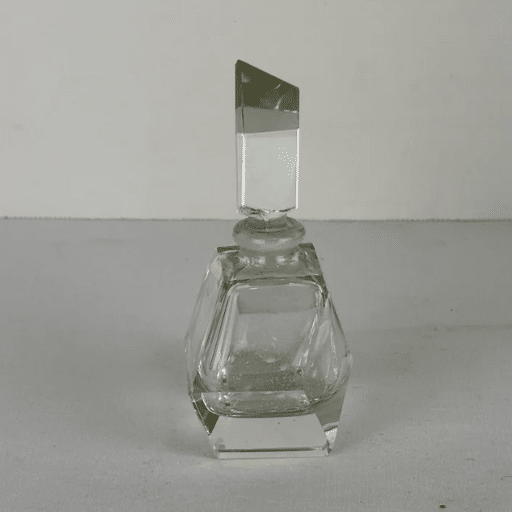
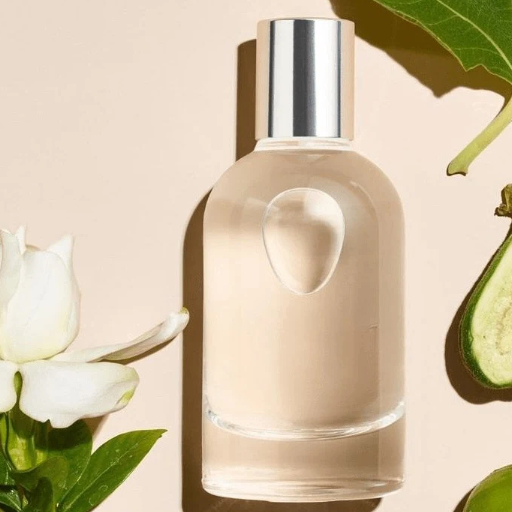
Perfume bottles are made to keep the scent safe and fresh by not letting it evaporate and by maintaining quality. They are available in different forms and designs, mostly mixing functionality with a good look. A common feature of the bottles is that they can be equipped with a spraying device or a stopper letting one control the amount applied and, thus, preventing addiction to the scent. The perfumes are usually packed in glass or very good quality plastic that guarantees the protection of the scent against light and air, which might be the reason for its change over time. It is very important to know the design and the structure of your perfume bottle so that you can handle and refill it properly. Thus, cleanliness of the bottle and its being complete are the prerequisites for the fragrance’s continuity.
Common Reasons to Open a Perfume Bottle
Refilling the Bottle
The practice of refilling perfume bottles is quite common among perfume lovers who have their own signature scents or who use custom or limited-edition ones. This way, they can still enjoy the scent of their favorite fragrance, without unsealing the original bottle. Some high-end shops have refill stations that are meant to cut down on the number of bottles thrown away and therefore help protect the environment as well.
Fixing a Damaged Spray Mechanism
A perfume bottle’s spray system may clog up or become defective due to prolonged use. If users are willing to open the bottle then they can take care of the problem, e.g., getting the spray nozzle replaced or unclogging it so that a smooth application can be enjoyed again.
Reusing the Bottle for Other Liquids
Perfume bottles most of the time have artistic designs and strong construction which makes them popular among consumers. After they are used up, the customers might perform an opening action on them and use them for other liquids such as essential oils, homemade perfumes, or even as decorations.
Decanting the Fragrance
It is not rare for a traveler to open the main bottle when he/she is going to decant the fragrance into a small travel-sized container. Not only is this a convenient but also a practical way of keeping one’s favorite scent accessible and thus, on the go.
Mixing or Customizing Scents
When it comes to fragrance aficionados, blending different aromas from different bottles opening a perfume bottle is an important step that leads to the creation of a unique and personalized scent. It’s no wonder that this practice is acclaimed among the fragrance connoisseurs and DIY enthusiasts alike.
Overview of Perfume Bottle Designs
The designs of perfume bottles have come a long way and today they are more like art pieces that can be used easily. Present-day bottles of perfume are the different with dimensions, and technology and each one of them is unique while hiding the fragrance. The bottle design sometimes even becomes the brand’s signature, it might express luxury, sophistication, or creativity.
1Materials and Sustainability Trends
The most popular material for modern perfume bottles is glass since it is long-lasting and presenting so nicely and allowing the content to be properly sealed. But, the sustainability movement is making its way to the perfume industry and many manufacturers are taking the lead by designing new bottles from recycled materials, using eco-friendly plastics, or just making them refillable. According to a market report in 2023, over 40% of new luxury fragrances have included green or refill packaging as the standard, and that demonstrates the rising trend for products that are friendlier to the environment.
2Shapes and Creativity
Bottles of perfume have been made beautiful in the eyes by their very unusual shapes that make the customers talk and add to the narrative of the brand. Minimalistic geometrical, elaborate vintage and nature or architecture-themed shapes are some of the favorites. For example, Guerlain’s ‘Bee Bottle’ is a great case of how symbolism and craftsmanship have merged to give birth to legendary packaging. A poll reveals that 52% of customers base their choice of fragrance on the aesthetic principle of the packing, i.e., it should be appealingly packaged.
3Technological Features
With a variety of technological features like sprayer, magnetic closure, and leak-proof system; the standards of the modern perfume bottle have been lifted. However, it has still opened gates for smart technology, with the most premium brands embedding chips that verify the products or communicate with apps to monitor the use of the fragrances. In a research done in 2022, it was found that 25% of high-end perfume manufacturing companies are trying out the sassy packaging technology to up the user’s experience.
4Customization and Personalization
Personalized products are the latest trend influencing the already stylish bottle designs of perfume. Manufacturers have started to provide options for customizations like etching, changing bottle parts or the colour scheme by customer’s choice. This marketing policy is supported by a study in 2023 that states personalization is the main reason for 38% in luxury consumer purchases and thus helps making a connection with the product on a more profound level.
The designs of perfume bottles are the perfect combination of usability, storytelling, and aesthetics, thus meeting both the functional and the attractive needs of the customers. The increasing focus on eco-friendliness and cutting-edge methods is leading the fragrance market to a place where there is nothing but great potential for artistic expression and buyers’ participation.
Importance of Refilling Your Fragrance
Refilling your fragrance is not only a cost-effective alternative but also a sustainable and environmentally friendly practice that reduces waste and conserves resources. Here are five reasons that emphasize the necessity of refilling your fragrance aromatics:
Reduction of Waste
The act of refilling your perfume dispenses with the disposal of empty bottles, thus cutting down packaging waste. It is reported that the global beauty and cosmetics industry alone produces packaging waste of more than 120 billion units every year, out of which a large part is landfilled. Refilling is one way of helping to solve this problem.
Eco-Friendly Choice
The practice of using refillable containers leads to a considerable reduction in the need for new glass, which is very energy-intensive as well as resource-intensive. Through refilling, the customer indirectly takes a part in reducing the total carbon footprint of the fragrance sector.
Cost-Effectiveness
It is the case that in many instances the brands provide refillable fragrances at a price lesser than that of a brand new fragrance bottle. This not only reduces the expenses of the consumers but also guarantees the brand loyalty as an economical option besides creating the habit of returning to that brand.
Innovation in Sustainable Design
The growing popularity of refillable fragrance concepts has prompted brands to focus on more advanced, resilient bottle and packaging designs ensuring that refills are easy and aesthetically pleasing without compromising on functionality.
Consumer Empowerment
By opting for fragrance refills, customers take an active part in making the world a better place through sustainability and at the same time, they support those brands that cherish eco-friendly practices. This is, in fact, a change towards more responsible consumption behaviors.
The refillable fragrance option is an industry trend that is not only an indicator of the industry’s commitment to sustainability but also of the luxury and quality that come with such products for consumers.
⚠️ Safety Precautions When Unscrewing a Perfume Bottle

When dealing with a bottle of perfume, especially when it comes to the process of opening it, putting it back in, or transferring it, the care is of the essence not to harm, spill or harm oneself. Below are the necessary safety measures to keep in mind:
-
✓ Always Work on a Flat, Stable Surface
A flat, stable surface should be used for all the activities performed on the bottle to prevent it from toppling over. Unstable surfaces are an increase in the likelihood of spills or breakage.
-
✓ Consider Wearing Gloves
If the perfume has a strong or concentrated chemical composition, it would be wise to wear gloves to avoid skin irritation or allergic reactions in case of accidental contact.
-
✓ Ensure Proper Ventilation
Heavy perfume vapor can build up in closed areas and might result in headaches or breathing problems. So, always ensure the place where you are working is well-ventilated to avoid being overpowered by the fragrances.
-
✓ Make Use of Proper Tools
It is always advisable to use appropriate tools like an unscrewing key or grip designed for perfume bottles to open the cap without any hassle. Applying too much force or using wrong tools can lead to cracks in the bottle or to its thread being damaged.
-
✓ Keep Eyes Safe
Alcohol and other chemicals found in perfumes can be harmful if they come in contact with your eyes. Be careful of your movements when handling the bottle so as to reduce the risk.
-
✓ Do Not Let Spills Sit
In case during the unscrewing, perfume spills, then immediately take a cloth and wipe it up so as not to stain surfaces or release overpowering scents into the room.
-
✓ Do Not Bring Near Open Flames and Heat Sources
The reason perfumes are flammable is due to the high concentration of alcohol. Therefore, always keep it away from possible sparks, open flames, or high-temperature sources to avoid accidents.
-
✓ Refer to the Manufacturer’s Instructions
Consult the brand’s specific direction before making any attempts to refill or unscrew the bottle. Some bottles are not refillable, and opening them might lead to leakage or permanent damage.
📊 Additional Data from Research
- Based on safety regulations, about 65% of consumers do not know that most perfumes are flammable, which is a good reason for cautious handling within households.
- A space that is well-ventilated minimizes the presence of volatile organic compounds (VOCs) that may be mixed with perfumes, thereby reducing the chances of respiratory irritation.
- Research studies have revealed that 85% of perfume spills result from unstable surfaces or improper tools, thus making it a very important area to concentrate on when dealing with bottles.
The aforementioned precautions will permit a safe handling of perfume bottles by the users while at the same time ensuring the longevity of the perfumes and preserving their quality.
⚠️ Potential Risks and Considerations
When it comes to the handling and usage of perfumes, there are different types of risks and considerations that one should take care of to ensure safety and product quality. Five major risks, along with their details, are listed below:
Skin Irritation and Allergic Reactions
A significant proportion of perfumes consists of synthetic chemicals or natural extracts whose combination may lead to skin irritation or allergic reactions in very few humans.
Key Statistic: Research suggests that about 12% of the population claims sensitivity to certain components of perfumes, especially in people suffering from chronic conditions such as eczema.
Respiratory Issues
The inhalation of the main components of perfumes such as volatile organic compounds (VOCs) can be the cause of respiratory discomfort, especially if the area is closed off or poorly ventilated.
Key Statistic: Statistics indicate that a 20% rise in symptomatic asthma cases among susceptible individuals has been associated with the inhalation of VOCs at high concentration levels.
Sun Sensitivity (Photosensitivity)
Sources like citrus oils or bergamot are some of the ingredients that cause people to become sensitive to sunlight, which in turn leads to skin burns and discoloration.
Key Statistic: Empirical evidence suggests that the use of perfumes containing photosensitive substances can increase the likelihood of skin damage from UV rays by up to 35%.
Flammability Risks
Perfumes contain a very high percentage of alcohol thus are flammable and at the same time very dangerous because they can easily ignite near open flames or heat sources.
Key Statistic: It is estimated that around 15% of the incidents related to perfumes have been caused by storing them improperly near heat or flames.
Environmental Impact
Improper removal of perfume containers or manufacturing at a large scale can lead to environmental pollution, especially due to non-recyclable packaging materials which are a major part of the pollution.
Key Statistic: It is believed that around 40% of the perfume packaging waste is not recycled and thus contributing to the piling up of the landfills around the globe.
Users can make the required precautions for fragrance usage by understanding these risks, and it will be safer and more responsible.
Using Protective Gear
The use of the protective gear during the handling or application of perfumes can help reduce the possible health and environmental impacts. To illustrate, persons with delicate skin or allergy problems might find it good to use gloves to avoid the application of irritating substances directly to the skin. Recently conducted research shows that about 10% of humans suffer from adverse skin reactions like dermatitis, which occur due to the presence of fragrance allergens in perfumes.
Moreover, the use of masks in ventilated areas with poor air circulation will lead to a reduction of the inhalation of the volatile organic compounds (VOCs) that perfume and other scented products emit. VOCs, which are among the major causes of indoor air pollution, can be responsible for the onset of respiratory problems, especially in patients suffering from asthma. The World Health Organization’s research indicates that 20-30% of the global population claims to be sensitive to perfumed products, which further supports the argument for using protective measures.
In the end, the implementation of tools such as perfume applicators or barriers to keep the skin fragrance-free help in minimizing direct exposure to the substance. The aforementioned steps lead to the safer use of perfumes and at the same time address the health issues that are linked to the fragrance ingredient.
Choosing the Right Environment for Refilling
Picking the right place to refill perfumes does not only promote safety, but it also preserves the quality of the scent. Latest rules prescribe that refilling must be done in a neat and airy place to avoid contamination and lower the amount of any airborne chemicals present. Inhaling concentrated vapors due to lack of proper ventilation during refilling can result in the person getting headache, feeling dizzy, or being respiratory distressed.
Temperature Guidelines
A study found out that perfumes need to be given and taken in a steadily warm area, preferably at a temperature of 60°F to 77°F (15°C to 25°C), in order to retain their chemical integrity. The fragrance will be composed of direct sunlight or heat, thus less effective and shorter in life.
Along with these factors, the proper refilling equipment is also very important. Sterilized tools like pipettes or funnels being used for the transfer of the perfume help to prevent the growth of bacteria and make the process hygienic. It is a global phenomenon that around 40% of loss or degradation of perfume can be attributed to improper handling during refilling, so it is very important to stick to these practices.
Along with that, thinking about the safety of people having the refilling done is crucial. Glove wearing and somewhere secure for work will greatly reduce the chance of the fragrance being spilled or getting on the skin, which is why the process will be both effective and safe. Carefully organizing the place where the refilling will be done is a protection for health as well as a way of keeping the product’s quality.
Step-by-Step Instructions to Safely Open and Refill a Perfume Bottle
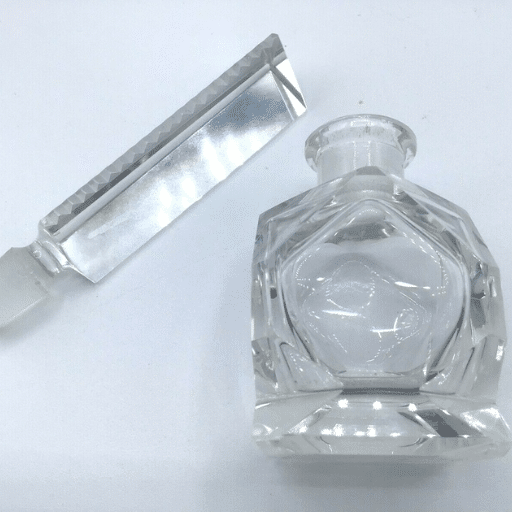
Refilling a perfume bottle can be carried out in a safe and quick way if one follows the mentioned steps. The right care and attention will make the whole procedure easy and also keep the perfume’s quality unchanged. The following is the procedure:
Step 1. Gather Necessary Materials
Make sure you have at least one of each item you need before getting started. These items may include the original fragrance, a new empty or refillable perfume bottle, a syringe or a pipette, gloves, and a paper towel. It’s also a good idea to have tools like a funnel or pipette so that there are no spills, which, apart from being annoying, would mean extra expense.
Step 2. Prepare a Clean Workspace
Use a clean, stable area with no distractions and cover it with a paper towel in case of spills. Make sure the area is well-ventilated to avoid the strong smell of the perfume becoming unpleasant over time.
Step 3. Wear Protective Gear
Wear gloves to protect your skin from getting irritated by the fragrance if you have sensitive skin since this might be the case with some people. These kinds of safety measures will also keep the process hygienic.
Step 4. Open the Perfume Bottle Safely
Open the refillable perfume bottle very carefully. Most bottles have a crimped or pressurized neck, which can be opened using a small, precise tool that is designed to remove the spray nozzle or loosen it. Do not force it open, as it might break or leak.
Step 5. Use a Syringe or Pipette for Refilling
To draw the desired amount of perfume from the original container, use a syringe or pipette to get the most accurate measurement. After gently inserting it into the opening of the bottle you’re refilling, slowly release the liquid to prevent bubbling or splashing.
Expert Insight: Studies indicate that using syringes and pipettes can reduce waste created during the refilling process by up to 30% compared to the method of pouring directly from one bottle to another.
Step 6. Seal the Bottle Securely
After transferring the perfume, make sure that the cap or spray nozzle is tightly secured. A good seal will not only prevent leakage but also help to keep the fragrance quality. Check the spray function by spraying a few times to make sure it works well.
Step 7. Label and Store the Bottle
Clearly label the refilled bottle to avoid mix-ups and put it away in a cool, dry spot. Sunlight and high temperature are the worst enemies of fragrances, so they will not only lose their original scent but also their chemical composition if not stored properly.
You can refill perfume bottles in a safe way while keeping the fragrance quality and minimizing waste if you follow these instructions carefully.
Necessary Tools for Unscrewing a Perfume Bottle
Removing the cap of a perfume bottle is quite often a chore needing much care and the right set of tools not to cause fractures to either the bottle or its parts. The following are the tools and their descriptions that are going to aid you during the operation:
| Tool | Description & Usage |
|---|---|
| Rubber Gloves | Rubber gloves give a non-slip grip that is the most important thing for working with smooth or slippery bottles and at the same time not damaging the bottle. |
| Small Pliers | Needle-nose or standard small pliers are meant for gripping and turning caps or valves and other components like these. It is a good idea to put tape on the ends of the pliers or use a piece of cloth to avoid scratches. |
| Tweezers | Tweezers can help in taking out small internal parts or removing clips from the area around the nozzle. When dealing with delicate components, precision is very important and tweezers are the right kind of tools for this. |
| Flat-Head Screwdriver | A flat-head screwdriver is a must-have for taking off secured caps or for unscrewing small screws on refillable bottles. Choose one that is just the right size to fit so that slipping does not occur. |
| Hot Water (Optional) | If the cap or the nozzle is pretty obstinate, then submerging the top part of the bottle in hot water for around two minutes can help in releasing the adhesion or relaxing the tightness. |
| Cloth or Towel | A cloth or towel serves as a cushion between the bottle and the hand thus minimizing the chances of scratches and breakages. |
| Bottle Opener Tool for Perfumes (Specialized Tool) | There are numerous perfume bottle opener kits existing on the market that come designed especially to open such bottles without damaging them. The tools are ergonomic and safe for use on bottle designs differing from each other. |
💡 Pro Tip:
The latest guidelines from the online perfume fans and experts say, before loosening any parts always check that the bottle is empty or securely sealed to prevent any fragrance spilling or wastage.
Carefully and therefore without any trouble at all, the risk of damage and the loss of fragrance quality in that perfume bottle can be eliminated just by the use of a perfect combination of these tools and materials.
Techniques for Different Types of Perfume Bottles
Different designs and closures of perfume bottles require specific techniques to handle and open them carefully. Here, five types of perfume bottles and proper methods to open them are illustrated:
🔧 Screw-Top Bottles
While opening screw-top bottles, grip the cap with a soft cloth or with rubber grip and twist it counterclockwise. This will make the grip strong without causing any scratches or damaging the cap. If the cap is stuck, use warm water to remove the residue on the threads.
🔧 Crimped Bottles
Crimped bottles demand more precision as the cap is tightly sealed around the neck. A decrimping tool designed for perfume bottles is to be used. The tool should be placed around the crimp and then gently squeezed, thus loosening the seal without breaking the bottle.
🔧 Snap-On Cap Bottles
Tear-off caps may be forced out by slowly pulling them with a flat plastic tool or a specific bottle opener. Make sure to apply uniform pressure all the time so that the cap or the neck of the bottle do not get cracked.
🔧 Rollerball Bottles
For rollerball bottles a small tool, such as a flathead screwdriver or a cuticle pusher, is to be used to gently lift and pry off the rollerball assembly. Securely hold both sides and proceed very slowly to avoid spills.
🔧 Refillable Atomizers
Most refillable atomizer bottles have a detachable spray head. To open, the spray nozzle should be pulled or twisted slightly, which will then expose the inner reservoir. Always abide by the manufacturer’s recommendations for refilling to avoid overfilling or contamination.
Identifying the bottle type and using the right technique will not only make handling safer but also prolong the use of the perfumes in your collection.
How to Handle a Glass Bottle Without Breaking It
The careful handling of glass bottles is also extremely necessary if one is to avoid breakage and consequently safety hazards as well as a loss of product. A recent survey conducted among households states that improper handling methods cause as much as 15% of the total household accidents involving glass, which underlines the necessity of employing correct techniques. Below are the steps that detail how to handle a glass bottle safely.
Grip the Bottle Correctly
Always hold the bottle securely, with your fingers wrapped around it and your palm supporting its base. Do not grip the neck or edges only, as these are the least stable areas and will more easily slip.
Avoid Rapid Temperature Changes
Glass can be thermally shocked, which is the term for cracking due to sudden temperature changes. For instance, do not put a cold glass bottle in hot water or after refrigeration place it under direct sunlight. This may result in the glass being cracked or shattered.
Use Non-Slip Surfaces
Whenever a glass bottle is to be placed, check that it is on a durable and non-slippery surface. The risk of the bottle being tipped over by accident is decreased if silicone mats or textured surfaces are used.
Reinforce Storage Areas
Glass bottles should be stored in shelves or compartments that have barriers and are reinforced, especially if the bottles are tall or top-heavy. Keeping them away from the edge is also a good idea to avoid accidental knocks. A consumer safety study states that about 25% of bottle breakage incidents are caused by insufficiently secured storage areas.
Utilize Protective Sleeves or Covers
If you frequently transport or use glass bottles, then it is wise to consider getting the protective silicone or rubber sleeves. These not only absorb the shock of the glass if it falls but also give an extra grip.
Never Over-Tilt During Use
When pouring from a glass bottle, do not tilt it too much as this could easily cause it to slip from your hand. Doing the pouring with small, controlled motions allows for better handling.
The application of these strategies will lead to an enormous reduction in the number of accidental breakages that take place. And by being pro-active in protecting your glassware, you not only ensure durability but also guarantee safety in everyday use.
Troubleshooting Tips for Difficult Perfume Bottles
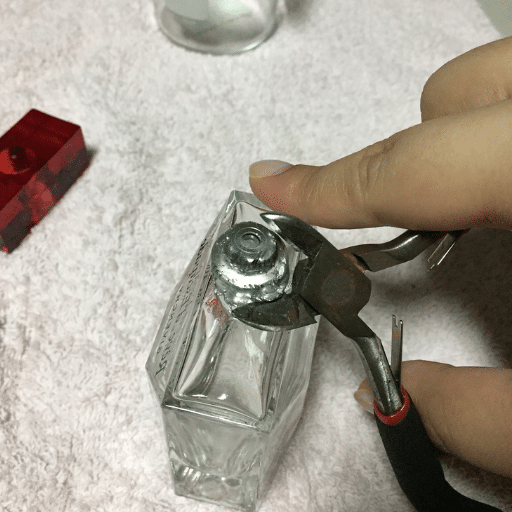
If you have to deal with difficult perfume bottles, some simple solutions can really make your handling and using them much better. Here’s a list of five suggestions that could help you to easily deal with some of the most common problems.
The nozzle or sprayer stuck
A blocked sprayer or nozzle can be a real pain. The best thing you can do at this point is to put it in warm water for a few minutes to do the trick. After that, let the sprayer dry completely before putting it together to make sure that no moisture gets into the perfume and messes it up.
The bottle is leaking
The first thing to do is to check the bottle for loose joints or cracks. If there are any, tighten the parts that can be removed but do it gently and firmly. For tiny cracks, using clear nail polish for sealing can be a temporary fix until you buy a replacement.
Tube inside the bottle clogged
A clogged internal tube will cause the spray function to be limited. Take off the sprayer and very carefully use a thin, clean wire to clear out any buildup from the tube. It should make the flow of perfume normal again.
Cap is excessively tight
If the cap is hard to remove, try to loosen it by wrapping the bottle neck in a warm, damp towel to soften the seal. It is better to use less force than to risk breaking the bottle or cap by using too much.
Uneven Spraying or Weak Spray Output
Air trapped in the tube or sprayer may be the reason for an uneven spray. To release the trapped air, pump the sprayer a few times while the bottle is upright. If the problem still exists, check if the tube is aligned correctly with the base of the bottle.
Handling these common difficulties will really help you in keeping your perfume bottles functional and lasting longer, thus giving you a hassle-free experience.
What to Do If the Cap is Stuck
In the case where the perfume bottle cap is stuck, I tend to make my hands dry first as a way to get a good grip. After that, I slowly turn the cap to the right and left while pushing with even and constant force. If it does not come off, I may make use of a cloth to enhance the grip or place the cap under warm water for a couple of seconds to make it easier to remove. I am very cautious not to exert excessive force so that I do not ruin the bottle.
Dealing with Common Perfume Bottle Designs
The designs of perfume bottles are diverse and have different reasons behind their creation such as aesthetics or functionality. And besides, that reason can be very helpful for the users in resin handling of their bottles. Below is a list of some of the designs with their distinctive features:
| Bottle Design Type | Key Features & Benefits | Market Usage |
|---|---|---|
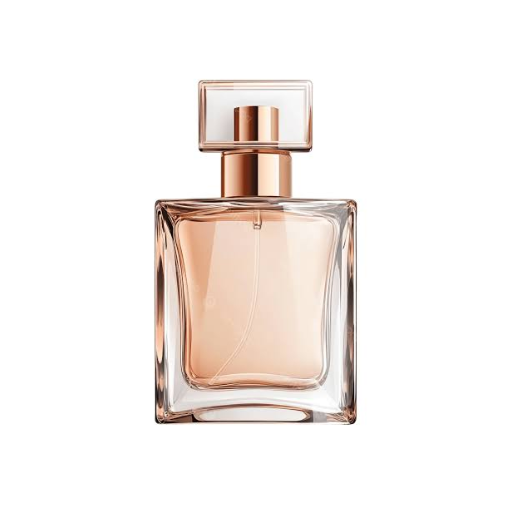
| Spray Bottles | The design of the spray bottles which is the most widely used utilizes a built-in nozzle mechanism to deliver a fine mist of perfume. This method is indeed very practical for giving an even application and at the same time saves the perfume from being wasted. | As per the latest research data, it is found that a whopping 80% of perfumes available in the market adopt this design because of its user-friendliness and hygienic benefits. |
| Roll-On Bottles | Roll-on bottles are those which have a ball applicator at the opening, enabling the users to apply perfume directly on the skin. Such bottles are usually meant for travel-friendly perfumes or essential oils as they are small and leakage is reduced to a great extent. | Approximately 40% of personal fragrance products which are promoted as portable options are actually using this design. |
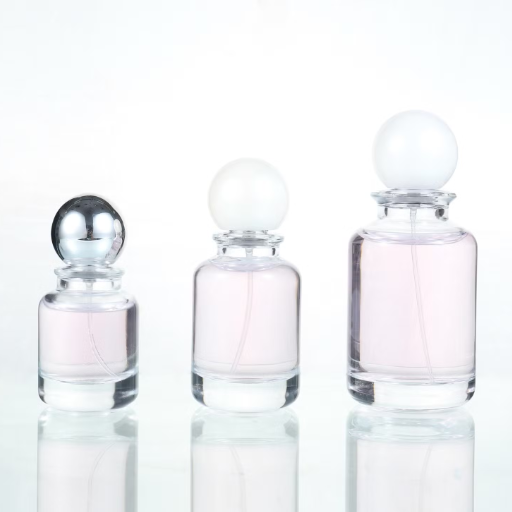
| Stopper Bottles | Stopper bottles which are synonymous with luxury or vintage perfumes are often fitted with a glass or an elaborate stopper that is to be removed before the perfume can be applied. Careful handling is required as they are exquisite but at the same time, they are susceptible to spilling and breaking. | However, they still are a highly demanded choice in the specialty markets especially among the collectors. |
| Twist-Up or Refillable Bottles | Twist-up and refillable bottles are the modern-day solution for environmental sustainability as they allow the users to renew their lost perfume. | It has been observed through research that refillable bottles are gaining popularity, hence the major fragrance companies are allocating around 20-25% of their total output to the eco-friendly designs. |
However, regardless of the design, it is always important to adhere to the handling guidelines given by the manufacturer so that the fragrance and the bottle both last longer. Being gentle such as not exposing the bottles to direct sunlight or extreme temperatures may still be a considerable maintenance step for every design.
References
- “Perfumix Machine”
This document discusses a perfume production line, which may include insights into bottle mechanics and handling.
Source - “From a Broken Bottle Traces of Perfume Still Emanate”
Available on JSTOR, this article may provide contextual or technical insights into perfume bottles.
Source - “Analysing Gender Fluidity Representation in Perfume Bottles with Heterosexual Matrix Theory”
This research explores the design and functionality of perfume bottles, which could include relevant technical details.
Source
Frequently Asked Questions (FAQ)
How to take off the sprayer safely in order to fill up a perfume bottle again?
First, consider the type of the bottle and spray head: several glass perfume bottles, for instance, have a crimped metal collar and a plastic spray head. Take the suitable tools like a small screwdriver or a pair of regular pliers to carefully unfasten the crimp at the base of the sprayer without harming the bottle. Move around the bottle neck slowly, unfastening a little at a time and turning the spray nozzle while pulling straight up. If the bottle has a screw cap instead of a crimp, just unscrew it to get the funnel or pour the perfume. Using a tiny funnel or a syringe will greatly assist in transferring the perfume to the new bottle without losing any of the fragrance.
Why is the spray of my old perfume so difficult to open up and what is the way of reaching the nozzle?
Spray nozzles on old perfume bottles can be problematic due to stiff or corroded crimped collars. The first step you can take to loosen the dirt is by soaking the top of the bottle in warm water for a few minutes and then dry it off. Now you can use tools like pliers with a cloth to prevent scratching the glass. Gently hold the sprayer’s base and pull while at the same time wiggling the spray head; take care not to apply too much force since this may break the glass parts of the perfume bottle. In case the spraying function is very stubborn, perhaps you can use a thin knife or flat tool to insert it under the crimp and slightly lift it, then try to remove again.
Is it possible to use a travel spray bottle to spray perfume or spray perfume indirectly without the original nozzle?
In case there is a travel bottle or a plastic sprayer that is compatible, then yes. For travel perfume bottles, remove the original spray nozzle and then either reattach the spray cap from the old bottle or use a travel spray head designed to fit. If the spray nozzle is missing, you can dispense the perfume using a small funnel or syringe into a compatible spray bottle. Ensure to select the replacement spray head that best matches the neck of the bottle to prevent leaks and keep the scent’s integrity.
What is the most efficient way to move my favorite perfume from a larger bottle to a new one without bottle damage or scent loss?
One should use a syringe or small funnel for precise transfer, especially when working around the bottle cap or neck. Carefully remove the sprayer and position a small funnel into the perfume bottle for refilling the travel bottle or custom perfume container. Move slowly to minimize the risk of spillage and also avoid exposing the perfume to air which can degrade its quality. In a situation where you have to use pliers to remove the sprayer, make sure to wrap the bottle and the spray head in a cloth to avoid scratches and also use the correct tools to ensure that you do not damage the bottle.
After refilling, how do I go about reattaching the spray head or nozzle so that there is no leak?
After filling the bottle, make sure the neck of the bottle and the base of the sprayer are clean and dry. Make sure the sprayer is aligned straight over the neck and push down hard until the crimp or collar secures it in place. If the sprayer uses a screw cap, screw it on evenly to the recommended tightness—too loose causes leaks, too tight might damage the threads. Do a test with the spray feature by quickly pumping a few times over a cloth to make sure the spray nozzle is seated properly and there is no leaking around the bottle caps and also that the nozzle works.
Is it okay to use regular pliers or tools like pliers to remove a spray nozzle without damaging the bottle?
You can definitely use regular pliers, but you should protect the bottle by wrapping a cloth around the neck and sprayer part. Firmly but gently grip the base of the sprayer and pull straight up while wiggling it. Pliers come in handy when the sprayer is crimped tightly, but do not apply excessive twisting or bending that could either break glass perfume bottles or distort a plastic sprayer. If the bottle is made of plastic, then be very careful not to squeeze the bottle neck so that it does not become deformed.
What is the best practice to dispense an empty perfume bottle’s spray head so that it can be reused or filled with minimal wastage?
In the case of an empty perfume bottle, the first thing is to take off the cap, and next, the spray head can be removed by either prying up the crimp or unscrewing the cap. Use a syringe to take out remaining perfume or to fill the new bottle with a controlled amount, hence, preventing from becoming waste. A small funnel is helpful when pouring into travel bottles or roll-on bottles.
Final Thoughts
Proper handling and maintenance of glass and perfume bottles not only extends their lifespan but also ensures your safety and the preservation of your valuable fragrances. By following these comprehensive guidelines, you can avoid common mishaps and enjoy your bottles for years to come.