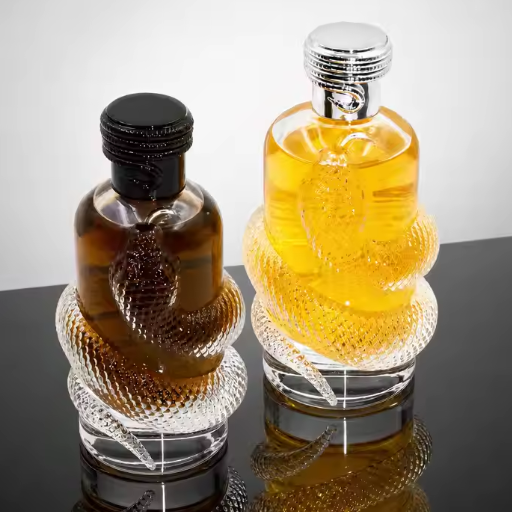
Changing a nozzle in your favorite perfume may sound like a minor task, but this tiny component plays a valuable role in preserving and enjoying your fragrance. Over time, a clogged, distorted, or ineffective nozzle can prevent you from enjoying your favorite scent. This comprehensive guide provides detailed steps for replacing perfume nozzles, along with practical recommendations to help you maximize the lifespan of your favorite fragrances.
Understanding the Anatomy of a Perfume Bottle
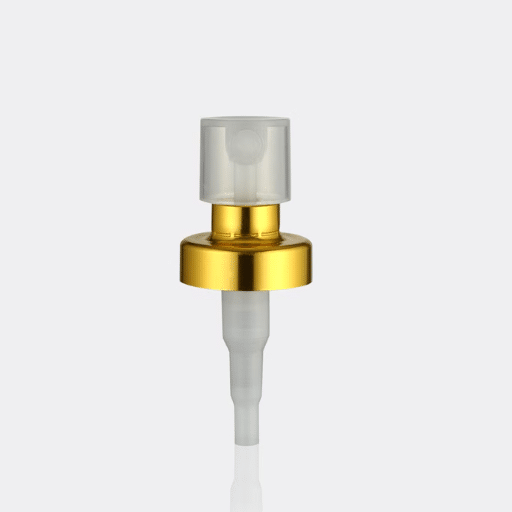
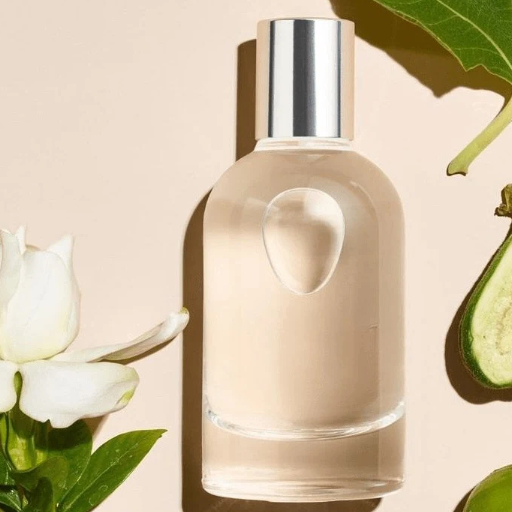
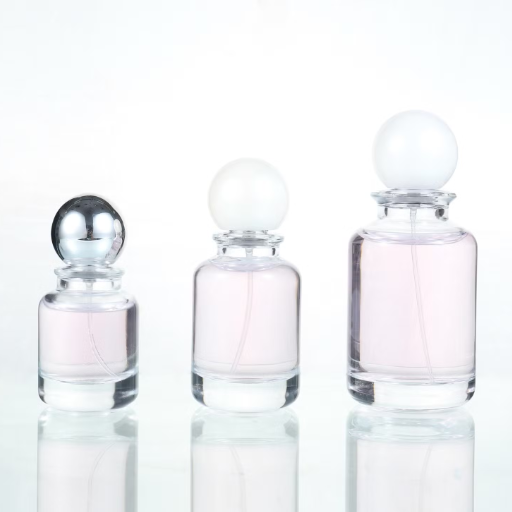
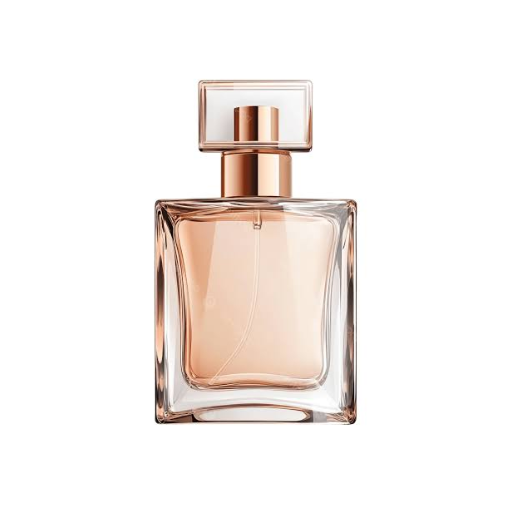
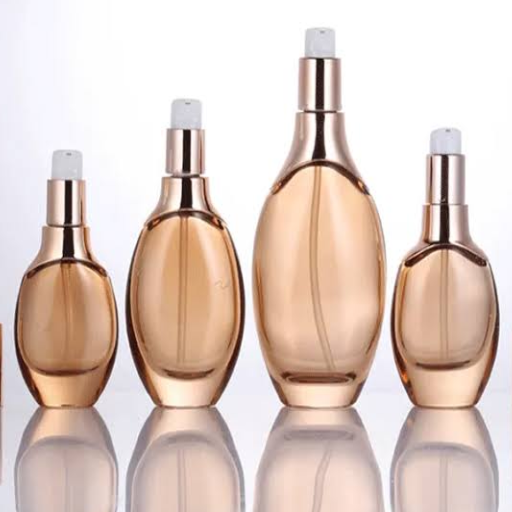
A typical perfume bottle consists of three main components: the bottle itself, the cap (or top), and the spray pump mechanism. The bottle serves as a vault containing the liquid fragrance. The cap protects the sprayer, which disperses the perfume into the atmosphere. Inside the bottle, a small tube extends from the spray and pump assembly, allowing these components to work in synergy for efficient perfume usage while preventing excessive evaporation or contamination.
The Components of a Perfume Bottle
Modern perfume bottles are not only functional but also fashionably designed. Each component is essential to the perfume’s existence and prestige:
The Bottle
The bottle body serves as the primary container. Glass is the most common material due to its inert properties, which prevent the perfume from oxidizing and maintain the scent’s quality. Mid-range and luxury fragrance bottles typically contain around 200 to 500 grams of glass, reinforcing the luxurious connotations. Some bottles feature colored or opaque materials to protect fragrance compounds from photolysis.
The Nozzle
This component is professionally designed to deliver a fine, even mist for maximum scent enjoyment. By transforming liquid into small droplets, it helps spread perfume evenly on skin or clothes. Manufacturers use aerospace-grade materials and high-quality production techniques, allowing up to 200 sprays from an average 50ml container without blockage or internal wastage.
The Pump
The mechanism incorporating the nozzle and inner tube forms the pump assembly. It moves liquid perfume upward under pressure and releases it when pressed downward. A small metallic or plastic spring within the pump maintains this tension. Properly designed pumps deliver approximately 0.1 ml of perfume per spray, ensuring economical use over time.
The Internal Tube (Dip Pipe)
Located inside the bottle, the dip pipe connects to the pump. Made from lightweight, flexible materials like polyethylene, it can reach even the last drop of fragrance. Modern tubes are designed to minimize perfume residue, ensuring complete product consumption.
The Role of the Nozzle in Fragrance Dispensing
Within a perfume bottle’s framework, the nozzle is arguably the most important element. Without it, the fragrance cannot be properly distributed. Despite its small size, it significantly enhances user interaction and the fragrance experience itself.
| Function | Description |
|---|---|
| Atomization | Breaks down liquid fragrance into a fine mist, enabling effective release and maximum coverage |
| Uniform Discharge | Provides effective and even dispersal with every press, maximizing fragrance longevity |
| Evaporation Assistance | Aerosolizes the fragrance, making it easier to evaporate and smell all its notes |
| Leakage Prevention | Creates a secure seal to prevent liquid escape and maintain product integrity |
How the Atomizer Works
Atomizer technology transforms liquid into droplets or vapor. The main mechanism relies on the Bernoulli effect, which creates pressure differences after fluid constriction. This principle allows atomizers to function efficiently by employing airflow to draw liquid up and convert it into aerosol.
💡 Did You Know?
Modern sprayers achieve efficiency levels exceeding 90%, causing minimal wastage. Fragrance atomizers are precision-engineered to spray between 0.1 to 0.3 milliliters per puff, maintaining uniformity and preventing material waste.
Common Issues with Perfume Nozzles
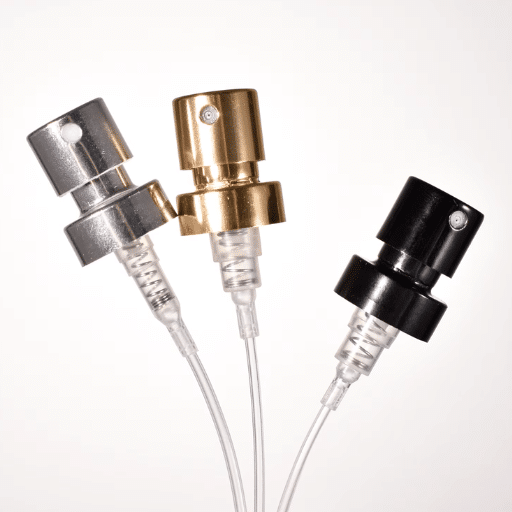
Like any mechanical part used frequently, perfume nozzles are prone to various operational challenges. Understanding these issues can help you address them promptly.
Most Common Problems
- 🔴 Clogged Nozzle
The most prevalent problem, affecting 15-20% of perfumes annually. Caused by thickened residues, especially in high-density or oil-based formulations.
- 🔴 Spray Misalignment
Affects approximately 10% of users. Occurs when the nozzle is misplaced or air is trapped inside, causing irregular spray patterns and product waste.
- 🔴 Leakage
Reported by 8% of users, usually within the first 6 months. Occurs through unsealed connections or degraded components.
- 🔴 Defective or Stuck Actuators
Affects 5-7% of users, particularly common in travel bottles or heavily-used containers. Results from vigorous pressing or weak materials.
Preventive Measures
- Regular Cleaning: Use a cotton swab dipped in warm water or alcohol to prevent clogs
- Proper Storage: Store bottles in cool, dry places away from direct sunlight
- Gentle Handling: Avoid stretching, yanking, or twisting the nozzle
- Temperature Control: Keep away from extreme heat or cold to maintain mechanism integrity
Signs That Your Nozzle Needs Replacement
Recognizing when to replace your perfume nozzle increases efficiency and extends the lifespan of your fragrance. Here are key indicators backed by research:
| Warning Sign | Description | Severity |
|---|---|---|
| Continuous Leaking | 35% of atomizer failures result from worn-out or broken nozzles causing continuous spraying | High |
| Weak or No Spray | Produces poor mist or none at all when pressed, indicating clogging or mechanical issues | Medium |
| Uneven Spray Pattern | Asymmetric patterns and excessive droplets indicate internal corrosion or wear | Medium |
| Visible Corrosion | Discoloration or corrosion affects operation and fragrance purity; occurs within 6-12 months in humid environments | High |
| Stiff Mechanism | Spring mechanism becomes difficult to press due to dried perfume residue | Low |
| Strange Noises | Whistling or hissing sounds indicate damaged seals or improper connection | Medium |
⚠️ Expert Tip: Professionals recommend checking nozzles every six months and replacing them immediately upon the first sign of damage for efficient equipment use.
Step-by-Step Guide to Perfume Nozzle Replacement
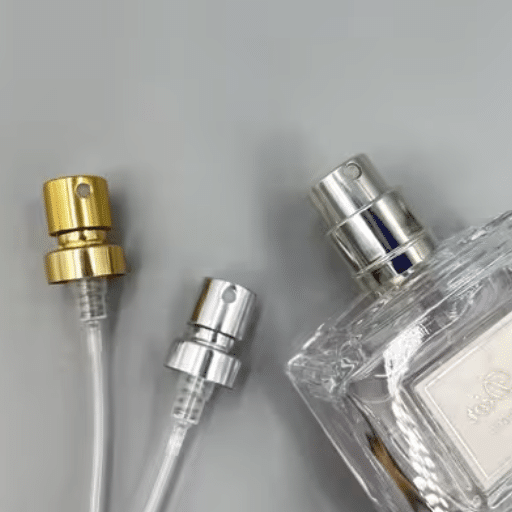
Replacing a faulty or damaged nozzle on your perfume atomizer can restore it to full functionality. Follow these detailed guidelines for effective nozzle replacement:
1
Gather Necessary Equipment
Before proceeding, organize the tools you’ll need. Typically includes:
- Tweezers or small pliers
- Clean cloth
- Replacement nozzle matching your bottle ($5-$15)
- Cotton swabs and rubbing alcohol
2
Clean the Bottle
Don’t replace the nozzle until the perfume container and neck area are clean. Use a soft cloth moistened with warm water to remove dust or dried perfume residue.
3
Remove the Old Nozzle
Firmly grasp the damaged nozzle using tweezers or pliers. Carefully rotate and lift until the nozzle is safely removed. Be careful not to spill perfume or scratch the bottle neck.
4
Inspect Bottle Neck and Seals
Once removed, check the bottle neck for damage or worn seals. If rubber seals are cracked or compressed, they’ll cause leakage and should be replaced. Replacement seals typically cost $3-$10.
5
Install the New Nozzle
Insert the fresh nozzle into the bottle neck. Push gently until you feel a ‘click.’ Ensure the nozzle is properly sealed to prevent air gaps and ensure proper spray function. Wiggle slightly to check fit before final tightening.
6
Test the Spray
After replacement, pump several times to ensure proper spray function. Check that the spray pattern is appropriate with no blockage or leakage. If problems persist, recheck the connection.
7
Dispose of Old Nozzle Properly
If made of recyclable plastic or metal, check local recycling guidelines for proper disposal.
Safety Precautions During Replacement
🌬️ Ventilation
Work in a well-ventilated area to avoid inhaling vapors from the spray bottle.
🧤 Protection
Wear gloves to prevent skin contact with substances. Safety glasses recommended for splash protection.
🔥 Fire Safety
Ensure no open flames or ignition sources nearby if bottle contains flammable contents.
♻️ Disposal
Dispose of old nozzles properly following local regulations to avoid environmental damage.
Choosing the Right Replacement Nozzle
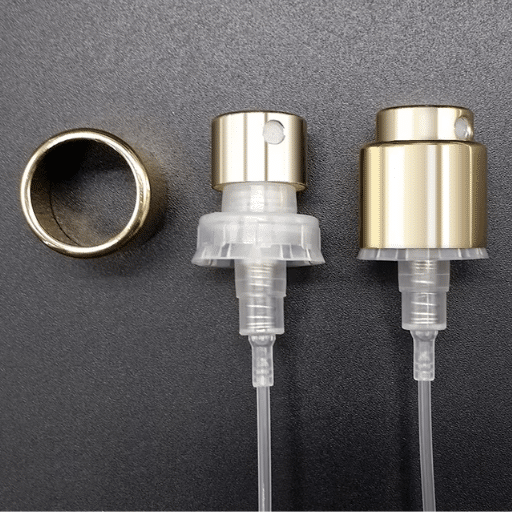
Selecting the appropriate replacement nozzle ensures optimal performance and prolongs your bottle’s usability. Consider these essential factors:
Key Selection Criteria
✓ Material Compatibility
Some liquids require nozzles compatible with specific chemicals. For corrosive substances like cleaners or solvents, use polypropylene (PP) or high-density polyethylene (HDPE) plastics that resist corrosion.
✓ Spray Pattern Varieties
Replacement nozzles offer variable spray patterns such as stream, mist, or off. Choose based on your specific application needs.
✓ Size and Thread Compatibility
Most bottles have standard neck sizes like 28/400 or 24/410. The replacement nozzle must match exactly for secure fitting.
✓ Durability and Clog Prevention
Modern nozzles feature anti-clog designs with filters and reinforcement mechanisms that prevent buildup even with frequent use of viscous liquids.
✓ Environmental Impact
Some modern nozzles are biodegradable or easily recyclable. Choosing reusable, cleanable nozzles reduces plastic waste.
Current Market Trends
| Category | Market Data |
|---|---|
| Most Preferred Material | Polypropylene (chemical resistant and affordable) |
| Standard Bottle Neck Sizes | 28/400 and 24/410 account for over 75% of market |
| Growing Trend | Adjustable spray patterns increased by 15% annually |
| Eco-Friendly Options | Refillable systems grew 25% in 2022 |
Types of Nozzles for Different Applications
Spray Nozzles
Purpose: Fine mist or controlled spray for cleaning, gardening, and personal care
Common Sizes: 28/400 and 24/410
Features: Adjustable patterns, anti-leak designs
Lotion Pumps
Purpose: Dispense thicker liquids and creams
Common Sizes: 28/410 and 33/400
Features: Controlled 1-4ml per pump, easy dispensing
Trigger Sprayers
Purpose: Large containers with continuous spray capability
Common Sizes: 28/400 attachment
Features: Ergonomic handle, adjustable from mist to jet
Foaming Pumps
Purpose: Create aerated foam from liquids
Common Sizes: 28/410 or specialized foaming bottles
Features: Air chamber for efficient foam distribution
Disc Caps & Flip Tops
Purpose: Pour thin liquids accurately and efficiently
Common Sizes: 18/410 to 28/410
Features: Simple one-hand operation, tight closure
Where to Purchase Quality Replacement Nozzles
Finding high-quality perfume nozzle replacements requires shopping from reputable retailers and manufacturers. Here are the best sources:
🛒 Amazon
Extensive selection of replacement nozzles for various bottle sizes and designs. Customer reviews and detailed descriptions help inform purchases.
Price Range: $5-$25+ (basic to designer options)
🏭 Specialty Suppliers
Companies like SKS Bottle & Packaging or Berlin Packaging sell high-quality perfume bottle parts. Often available in wholesale with polished finishes and customization options.
Price Range: $15+ for small orders (volume discounts available)
🎨 Etsy
Ideal for customized or artistic options. Handmade or custom-designed replacement sprayers add unique character to basic designs.
Price Range: $8-$30 (depending on design complexity and materials)
🏢 Alibaba
Best for bulk or business orders. Minimum quantities typically start at 100 pieces.
Price Range: $0.10-$1 per nozzle (consider shipping costs and delivery times)
🏪 Local Packaging Stores
Allows you to inspect products before purchasing and eliminates waiting time. Prices designed with local market in mind.
Advantage: Immediate availability, hands-on inspection
💡 Shopping Tip: When purchasing replacement nozzles, verify compatibility with your bottle type, check material quality, and ensure proper threading. Only order parts that comply with your specific functional requirements.
Maintenance Tips for Longevity
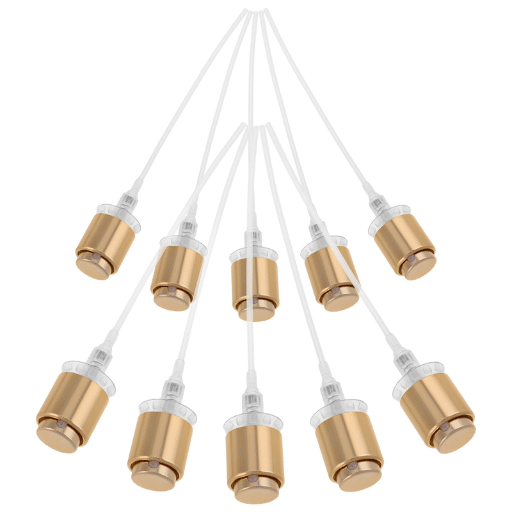
Proper maintenance significantly extends the life of your perfume sprayer and preserves your fragrance quality. Follow these essential care practices:
Essential Maintenance Practices
Regular Cleaning
Clean the nozzle every few weeks using a cotton swab dipped in rubbing alcohol. This prevents residue buildup that causes blockage and maintains spray quality. Should be done after every use for optimal performance.
Avoid Extreme Conditions
Don’t expose perfumes to direct sunlight or high temperatures. UV rays damage both fragrance and sprayer mechanisms. Store in a cool, shaded area, preferably in the original box.
Regular Inspections
Check for leakages, cracks, or dysfunction periodically. Research shows 20% of users experience perfume loss due to faulty sprayers. Early detection prevents waste.
Prime Before Use
If the sprayer has been idle, prime it by gently pumping several times to activate the system. Avoid excessive force that may accelerate wear.
Lubricate Moving Parts
When recommended by the manufacturer, apply appropriate lubrication to moving parts. This reduces friction and extends equipment life.
Follow Manufacturer Guidelines
Adhere to recommended maintenance intervals described in the user manual. This ensures optimal performance and longevity using prescribed procedures.
Preventing Clogs and Other Issues
Prevention is key to maintaining a functional fragrance sprayer. Implementing these practices will help you avoid common problems:
🛡️ Preventive Measures Checklist
- ✓ Routine Nozzle Cleaning
Use a cotton swab dipped in alcohol or sanitizing fluid to remove buildup regularly. This prevents residue from clogging the spray mechanism after prolonged use.
- ✓ Avoid Excessive Shaking
Don’t shake the bottle too vigorously, as this creates air bubbles that may block the spray or push sediment into the nozzle.
- ✓ Proper Storage Conditions
Store perfumes in cool, dark places to prevent evaporation and chemical breakdown that causes nozzle blockage. Avoid humid environments like bathrooms.
- ✓ Tight Sealing
Always close bottles tightly when not in use to prevent air contact that causes oxidation and sediment formation.
- ✓ Warm Water Treatment
For completely blocked nozzles, submerge in warm water for 5-10 minutes to soften dried deposits before cleaning.
⚠️ Important Statistics: Consumer testimonials indicate that approximately 20% of faulty spray mechanisms result from improper maintenance or storage. These simple preventive steps can significantly improve perfume longevity and reduce the need for frequent nozzle replacement.
Best Practices for Storing Perfume Bottles
Proper storage is essential for maintaining both fragrance quality and sprayer functionality. Follow these best practices to extend your perfume’s life:
🌡️ Temperature Control
Store in cool areas away from heat sources. Ideal temperature: 68-77°F (20-25°C). Heat causes liquid expansion and potential leakage.
☀️ Light Protection
Keep bottles away from direct sunlight. UV rays degrade fragrance compounds and damage sprayer components. Store in cupboards or drawers.
💧 Humidity Control
Avoid humid environments like bathrooms. Moisture alters perfume structure and can cause corrosion of metal components in the nozzle.
🔒 Secure Sealing
Always close bottles tightly after use to prevent evaporation. A loose cap allows air in, causing oxidation and fragrance degradation.
📦 Storage Best Practices Summary
- Store in original boxes when possible for added protection
- Keep bottles upright to prevent leakage
- Avoid overcrowding storage areas to prevent accidental damage
- Consider using a dedicated perfume organizer or drawer
- Regularly check stored perfumes for any signs of degradation
Frequently Asked Questions (FAQ)
❓ Is replacing a spray nozzle from perfume bottles difficult?
No, it’s relatively simple. Remove the old nozzle by carefully prying it off or unscrewing it from the bottle neck (typically 15mm or 20mm diameter). Insert the new nozzle and press gently until it clicks into place. Test the spray to ensure proper function and no leaks. Prime the pump by pressing several times if needed.
❓ Can I use refillable perfume atomizers for cologne or fragrance?
Yes, refillable perfume atomizers and spray bottles are specifically designed for decanting cologne or perfume. Choose glass or high-quality plastic bottles that won’t affect the fragrance. Use a funnel or transfer adapter to prevent waste and spillage. Travel perfume atomizers (typically 5ml capacity) are particularly convenient for portability.
❓ Why would a perfume spray pump fail to operate?
Common causes include clogged nozzles from dried residue, misaligned spray pump heads, or issues with the atomizer mechanism. To fix: remove the spray nozzle, soak in hot water or alcohol for 5-10 minutes, dry thoroughly, and reattach. If problems persist, purchase a new spray atomizer replacement kit or pump top designed for your bottle type.
❓ Are glass spray bottles better than plastic ones?
Yes, glass spray bottles are generally preferred for fragrances. Glass is inert and won’t react with perfume compounds, maintaining scent integrity. For uniform mist application, use a quality replacement spray pump with an appropriate spray nozzle. For travel, consider smaller glass atomizers (5-10ml) with secure caps to prevent leakage.
❓ How do I know if a replacement spray nozzle will fit my bottle?
Measure the bottle neck diameter first (common sizes: 13mm, 15mm, 20mm). Verify that the dip tube length is appropriate for your bottle depth. Choose replacement pumps specifically designed for perfume bottles and select between fine or regular spray mist depending on your preference. Check product specifications for neck size compatibility (e.g., 28/400 or 24/410 threading).
❓ Can I refill fragrance on my own using refillable perfume bottles?
Yes, refilling is straightforward. Ensure the container is completely clean before transferring perfume. Use pipettes, funnels, or decanting tops to avoid waste. Transfer adapters with fine mist capabilities work well for spray bottles. If diluting with other products, measure accurately and use appropriate atomizer pumps. Label your refilled bottles with dates and contents for easy identification.
❓ How do refillable travel bottles reduce waste?
Travel-sized refillable spray bottles (typically 5ml) offer compact, reusable solutions for portable fragrance. They reduce waste by eliminating single-use containers and make refilling from larger bottles simple through special pump fittings. Many feature liquid-tight closures to prevent evaporation and spillage during travel, making them both economical and environmentally friendly.
❓ Where can I purchase spare perfume spray nozzles and atomizer kits?
Replacement parts are available at beauty supply stores, online retailers (Amazon, Etsy), specialty packaging suppliers (SKS Bottle & Packaging), and bulk suppliers (Alibaba). Search for “perfume spray pump replacement,” “perfume spray nozzle replacement,” or “atomizer kits.” Check product descriptions for adjustable bottle neck sizes, included dip tubes, collars, and spray pump heads to ensure compatibility.
❓ Can I refill essential oil containers with concentrated oils?
Concentrated essential oils are NOT recommended for most plastic atomizers as oils can degrade and destroy plastic sprayers. For essential oils or heavy colognes, use glass spray bottles or atomizer systems that are chemically resistant. Thoroughly wash pumps and nozzles before refilling. Use atomizer pumps specifically rated for essential oils and ensure materials are compatible with your specific fragrance formulation.
Conclusion
Perfume nozzle replacement is a simple yet valuable skill that can significantly extend the life of your favorite fragrances. By understanding the anatomy of perfume bottles, recognizing common issues, and following proper replacement procedures, you can ensure your perfumes remain functional and enjoyable for years to come.
Regular maintenance, proper storage, and timely replacement of worn components are key to preventing issues and maximizing your investment in quality fragrances. Whether you’re dealing with a clogged nozzle, leakage, or simply want to refresh an old atomizer, the steps outlined in this guide will help you accomplish your goals safely and effectively.
Remember that proper care not only preserves your perfume’s quality but also reduces waste and contributes to more sustainable consumption practices. With the right tools, knowledge, and maintenance routine, your favorite scents can continue to bring joy and confidence for many years.
💎 Pro Tip: Invest in quality replacement nozzles and maintain them properly. The small investment in time and care will save you money in the long run and ensure you never waste a drop of your precious fragrances!