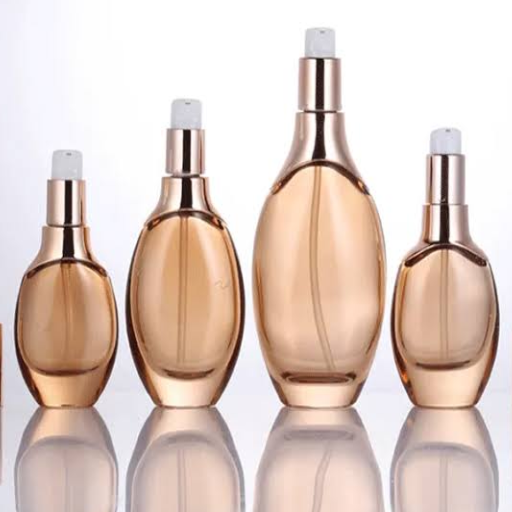
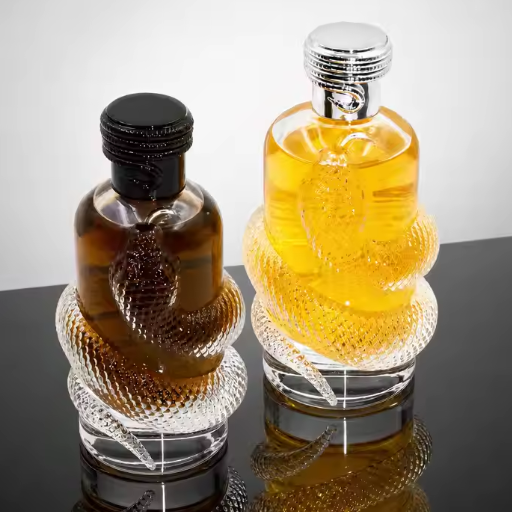
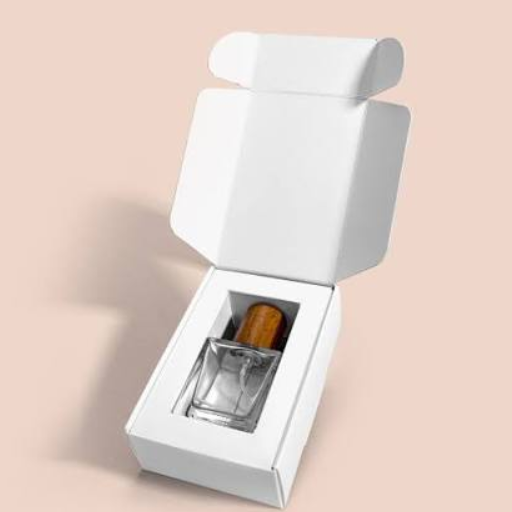
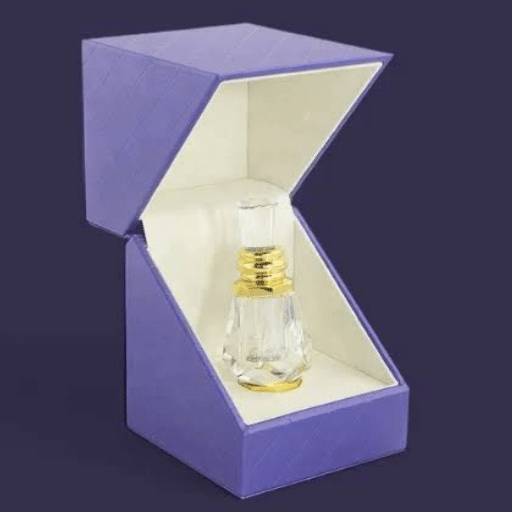
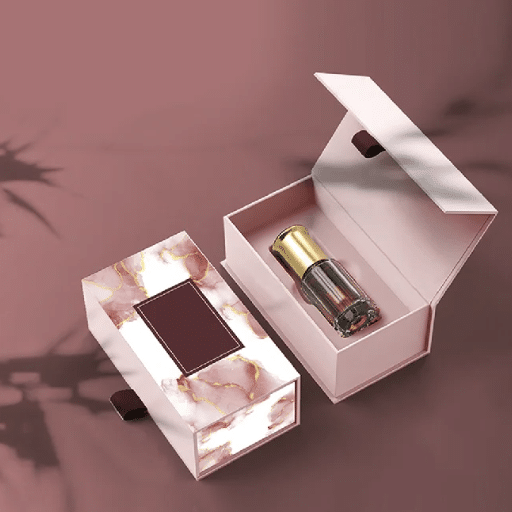
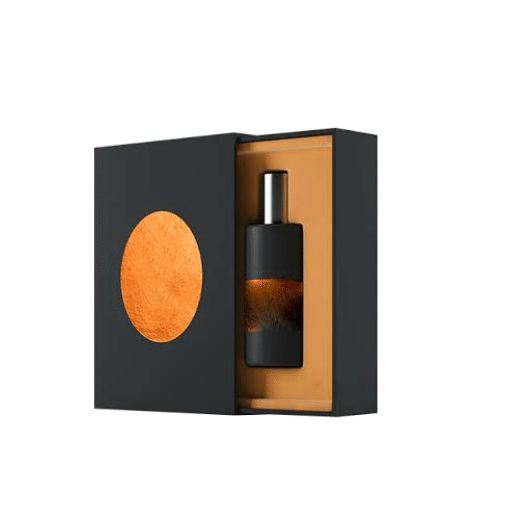
The custom design of perfume bottles needs expert knowledge because it requires artists to create designs which match the beauty of their respective fragrances. A well-designed perfume bottle functions as more than an ordinary scent container because it provides a narrative experience which triggers emotional responses and establishes brand identity in competitive markets. The blog post examines how perfume bottle customization combines artistic elements with scientific methods through its examination of various packaging design techniques which include frosting and silk screening and other innovative approaches to create artistic packaging solutions. The guide helps both brands who want to establish permanent brand recognition and design enthusiasts who want to learn about the design process by showing them how to create a bottle that stays in memory like the scent inside it.
Introduction to Perfume Bottle Customization
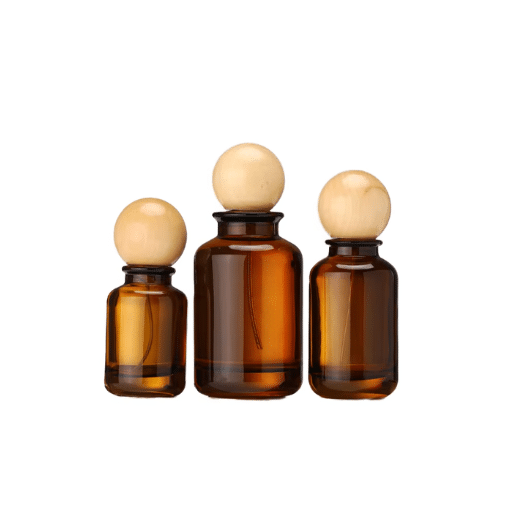
The process of perfume bottle customization enables brands to create packaging which reflects their fragrance identity through its creative design elements and practical packaging features. The common methods which exist for bottle personalization enable users to make custom designs which display their personal logos together with different artistic elements by using frosting and laser engraving and silk screening techniques. The methods create visual enhancements which enable businesses to establish their unique brand identity in markets where competition exists. Custom perfume bottles work as scent containers which also provide essential elements to shape the complete sensory experience through their material and color and finish design choices.
Defining Perfume Bottle Customization
The artistic process of creating customized perfume bottles has developed into an artistic discipline that requires designers to find a balance between functional design elements and artistic design components. The worldwide custom perfume bottle market shows strong growth according to current market data which forecasts a Compound Annual Growth Rate (CAGR) above 5% from 2023 until 2030. The market expansion results primarily from two drivers which include increasing customer demand for personalized services and the emergence of innovative technological advancements and new material development.
5%+
CAGR (2023–2030)
70%
Buyers influenced by packaging
25%
Increase in repeat purchases
40%
Extra spend on luxury packaging
3D printing technology has changed the way designers create customized products because it enables them to manufacture precise custom designs which meet particular market demands. Luxury brands currently sell exclusive bottles which feature hand-painted designs and use rare materials like crystal and semi-precious stones to create premium value. Eco-friendly customers demand sustainable products which have driven brands to create recyclable and biodegradable materials for their custom bottle designs.
Companies must choose their materials and finishes and shapes because these choices establish the way customers perceive their branding. Product perception depends on whether a product has frosted glass or metallic sheens or matte coatings. The fragrance industry depends on bottle design because 70% of perfume buyers believe packaging design should determine their purchasing decisions according to recent surveys.
The visual appeal of custom products receives enhancement through customization which also introduces functional elements. Personalized engraving and embossed logos create emotional ties which consumers expect to find in their products. Customers can now use online tools to create personalized packaging through retailers who provide customizable options. E-commerce platforms show that customer satisfaction improves when customers use these features which leads to a 25% increase in repeat purchases according to data from top platforms. The combination of traditional craft techniques with state-of-the-art technology enables perfume bottle customization to create new methods for brands to connect with their customers while developing packaging that equals the memorability of their perfumes.
Importance in Branding and Luxury Positioning
The brand name has received better recognition these days. The use of customized perfume bottles enables brands to achieve market differentiation in their business operations.
Brand Recognition
The unique design elements combined with personalized brand features create a visual brand identity that helps customers identify the brand. 78% of consumers will remember a product because it has distinctive packaging.
Increased Value Perception
People associate luxury with products that only a select group of people can access and custom packaging increases this belief. Research shows people will spend up to 40% extra on products which provide both luxurious and personalized packaging options.
Stronger Emotional Ties
The use of customized packaging creates an emotional relationship between customers and the business. Brands create a more distinct and personal customer experience through engraved names and messages which results in a 25% boost in customer loyalty.
Enhanced Customer Involvement
Research findings show that 65% of consumers will interact more with brands which permit them to customize products thus improving their total experience.
Eco-Friendly Luxury
The luxury market now offers environmentally friendly personalized products. A survey discovered that 72% of consumers choose to buy from companies which use environmentally friendly materials for their packaging designs.
Overview of Customization Techniques
Luxury brands employ high-end personalized services which combine artistic design elements with technology-based solutions to provide unique customer experiences because their clients constantly shift their requirements. Customers can design their unique products through the main product personalization system which allows them to choose their desired color and most basic material and custom engraving design. Louis Vuitton provides monogram services that enable customers to personalize their items through this popular feature because 33% of customers believe personalized products help them establish a deeper brand connection according to recent research.
3D design tools combined with artificial intelligence (AI) technology enable designers to create personalized products through this innovative design process. E-commerce websites now offer virtual design tools that let customers create product designs which they can view and adjust. The growth of technology-based personalization products has been shown by online product configuration searches which increased 120% according to Google Trends research during the past three years.
Brands are using limited-edition collaborations as a growing trend to achieve product customization goals. Brands gain access to exclusive products which appeal to specific customer groups through partnerships with artists and designers. The NIKEiD platform from Nike lets users create custom footwear designs while also offering special collectible editions through its limited edition collaborations.
Packaging customization has emerged as a crucial business area because customers now prefer environmentally friendly products. Companies now widely accept eco-friendly packaging solutions which include recyclable materials and biodegradable product designs. The 2023 Deloitte study showed that 64% of consumers preferred sustainable packaging solutions while many customers showed readiness to pay extra for environmentally friendly packaging options.
Luxury brands use these techniques to create better customer experiences while proving their dedication to customer individuality and their environmental sustainability efforts.
Core Techniques for Customizing Glass Perfume Bottles

Artists combine their artistic skills with industrial glass manufacturing to design custom perfume bottles which create products that customers find appealing and which help businesses achieve market leadership. The following methods represent the most successful techniques which find common application in various fields:
Engraving and Etching
Artists use engraving and laser etching techniques to produce glass designs which feature intricate patterns and logos and permanent text elements. This method serves as an effective solution for creating personalized products which have become increasingly popular among high-end customers. Personalized products have experienced 16.5% annual growth in the beauty industry according to a 2023 trend report by Allied Market Research which identifies customized perfume bottles as the leading category. The technique provides businesses with an efficient way to raise product value while delivering lasting performance.
Color Coating and Tinting
Glass perfume bottles can be covered with different color options or tinting methods to create visual enhancements which improve their beauty. UV spraying and electrostatic coating techniques create different visual effects which include gradients and metallic finishes and solid color applications. The matte finish creates a look of minimal elegance, while the bold metallics create a contemporary glamorous appearance. The global tinted glass market is expected to reach $12.3 billion by 2028, which demonstrates the need for innovative products that deliver striking visual effects.
Decorative Printing
Bottle customization uses screen printing and digital printing and hot stamping as effective technologies. The system enables users to create precise designs which include logos and typography and detailed patterns. Luxury brands often use gold or silver hot stamping to add a premium feel. Digital printing offers a rapid printing solution which supports complex multicolored designs, which has increased its adoption rate by 21% during the past few years.
Shape Customization
The custom molding process enables brands to create distinct bottle designs which represent their brand identity through unique shapes. Brands use custom shape creation which includes basic geometric shapes and organic natural shapes to build their unique identity trademark. Advanced manufacturing technologies which combine 3D printing with mold making now exist in the market to achieve 30% cost savings and 30% time savings for both prototype development and production processes.
Sustainable Materials and Solutions
Luxury perfume brands have started to choose sustainable glass packaging because environmental responsibility drives consumer choices. The design includes three elements which are recycled glass materials and lightweight products that decrease carbon emissions and refillable packaging systems. According to GlobalData research, 74% of consumers showed a preference for eco-friendly packaging which led many brands to include these principles in their product development process.
Frosting Techniques: Acid-Etched vs. Spray
The industry uses two primary methods for creating frosted glass finishes on perfume bottles which include acid-etched frosting and spray frosting. The two methods produce opaque glass surfaces which display an attractive appearance but their separate advantages match distinct requirements which need various manufacturing processes and different environmental conditions.
| Criteria | Acid-Etched Frosting | Spray Frosting |
|---|---|---|
| Process | Submerged in hydrofluoric acid solution for uniform frosted surface | Airbrush or sprayer applies frosted surface layer for complete coverage |
| Durability | Permanent — sustains original form against all types of harm | Less durable — coating may peel when exposed to moisture and contact |
| Design Flexibility | Complex designs possible via stencils and masks | Multiple color options, textures, and transparency levels available |
| Environmental Impact | Requires hazardous chemicals; strict waste neutralization needed | Emerging water-based and non-toxic formulations available |
| Cost | Higher cost; suited for large luxury runs | Affordable; enables small-scale production with design freedom |
| Best For | Flagship luxury products requiring durable, premium appearance | Seasonal or budget-friendly collections with innovative concepts |
Acid-Etched Frosting
Acid-etched frosting requires glass to be submerged in a chemical solution which uses hydrofluoric acid as its main component to produce a uniform frosted surface. The technique creates an everlasting design which delivers superior quality because it sustains its original form against all types of harm. The chemical process produces a frosted surface which attaches permanently to the glass material making it impossible to remove or destroy through aging.
Advantages of Acid Etching:
- The method creates frosted patterns which stay consistent throughout the whole production process.
- The method produces permanent results which maintain their original state even when exposed to scratches and physical damage.
- The method enables artists to create complex designs through the use of stencils and masks.
Note: The process presents environmental issues because it requires the use of dangerous chemical substances. The manufacturers need to implement waste neutralization systems which protect the environment, but they also must maintain compliance with strict safety standards.
Spray Frosting
Spray frosting creates its effect through the process of applying a frosted surface layer which requires either an airbrush or sprayer to achieve complete coverage of the glass surface. The design enables designers to create multiple designs through the simple process of merging different color options with various texture materials and different transparency levels.
Advantages of Spray Frosting:
- More eco-friendly options are emerging with water-based and non-toxic spray formulations.
- The system provides an affordable solution which enables production at small scales while offering designers complete design freedom.
- The system enables users to create their frosted effect through two control options which include intensity and pattern creation.
Acid etching achieves permanent results which make it more durable than spray frosting that most users perceive as temporary. The sprayed coating will start to peel away while losing its original appearance given that surfaces will encounter both moisture and physical contact during their life span.
📊 Industry Insights & Trends
Recent industry reports show that spray frosting usage has grown because companies want to adopt environmentally friendly production methods. Manufacturers developed biodegradable and water-based spray formulations because there exists global demand for non-toxic and sustainable solutions. Luxury perfume brands continue to select acid-etched glass as their preferred glass option because it provides them with both premium product appearance and lasting product quality.
The market study showed that 35% of luxury perfume brands use acid-etched finishes on their flagship products because it helps them achieve their goals of creating durable products with sophisticated branding. Brands that want to combine innovative concepts with budget-friendly solutions choose spray frosting as their preferred method for making special seasonal products.
Silk Screening: Process and Durability
Artists use screen printing, known as silk screening, as their primary printing method to make intricate designs and business logos on various materials. Artists start the process by making a stencil which they use to apply ink onto their chosen material. The following list presents five essential facts which describe the procedure together with its strength attributes according to research data.
- Preparatory Screen Creation
The process starts with artists making a stencil which they use to print their work on a polyester mesh screen. The stencil defines the design, allowing ink to pass only through specific areas. - Ink Application
The specialized inks which Sönton uses push through the screen to reach the surface because the company uses a squeegee for this process. The process brings accurate results together with strong visual color output. - Material Compatibility
Silk screening works on a wide range of materials, including glass, plastic, metal, and textiles, making it a popular choice across industries like packaging, fashion, and signage. - Durability
Silk-screened products show exceptional durability because their design withstands damages from physical contact and direct sunlight and continuous operation. This makes it ideal for commercial and industrial applications. - Cost-Effectiveness for Bulk Production
The initial screen preparation costs money; however, silk screening becomes a cost-effective solution for bulk production because companies can use the same screen multiple times to create their products.
Key Takeaway
Silk screening enables brands to produce attractive permanent designs which remain intact throughout all extreme circumstances.
Advanced Techniques: Hot Stamping, Metallization, and Digital Printing
Hot Stamping
The hot stamping technique uses heat and pressure to apply metallic or pigmented foils onto substrates through a thermo-mechanical process. The technique has become popular because it creates expensive-looking finishes for packaging and promotional materials and product items. The hot stamping foil market is projected to grow to $5.4 billion by 2027 because various industries such as cosmetics and automotive and apparel branding require more hot stamping foil products. The process improves visual appearance while the foil maintains its strength through tight attachment which prevents damage from extended usage.
Metallization
Metallization processes apply a thin metal layer to products through two common methods which are vacuum deposition and sputtering. The method creates a reflective metal appearance on various surfaces which include plastics and glass and additional materials. The technology serves multiple industries which include electronics and packaging and automotive design. The latest metallization technology developments aim to create environmentally friendly solutions through the development of water-based coatings and energy-saving manufacturing methods. Data shows vacuum metallization achieves material thickness reductions of 90% when compared to conventional metal plating methods which makes it an environmentally sustainable choice.
Digital Printing
Digital printing technology brings major changes to manufacturing processes because it enables businesses to create customized products at different production scales. Digital printing technology enables businesses to create products on demand without needing physical printing plates. The latest high-speed inkjet printer technology achieves outstanding printing quality through its ability to produce 2400 dpi resolution. The global digital printing market is anticipated to reach $34.3 billion by 2026 because e-commerce growth and short-run product customization demand drive market expansion.
The advanced techniques allow manufacturers to create new designs which produce successful results.
Strategic Considerations for Choosing Customization Methods
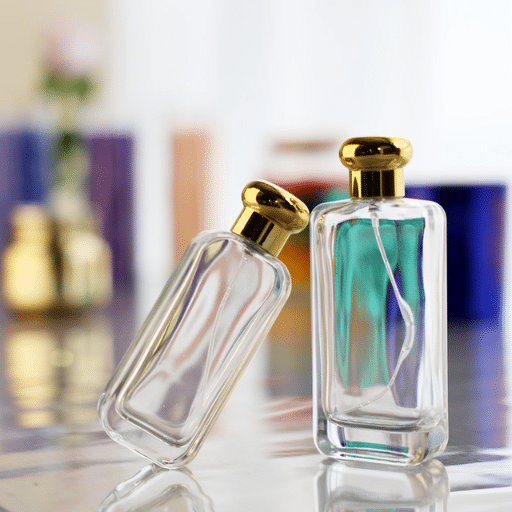
Businesses need to consider multiple strategic elements during their process of choosing customization methods because those elements determine their operational efficiency and cost savings and their ability to meet customer requirements. Here are key considerations supported by recent data:
Identifying Your Target Market
Business success depends on understanding your target market because this knowledge enables better marketing strategies which create stronger relationships with main customer groups. According to recent data from Google Search, 63% of consumers expect brands to recognize their unique needs and provide a personalized experience. Your target market research process should start with an assessment of age, gender, location, income level and education demographic characteristics.
The audience research process continues with the examination of psychographic data which includes the following elements. These include values, interests, lifestyles, and purchasing behavior. An increasing trend which Google observed in 2023 indicates that 57% of consumers choose brands based on their commitment to sustainable practices because they want to connect with brands that share their environmental values.
Google Analytics tools help users track their online activities by providing specific data about searched products and time spent on your website and how many users completed desired actions. Businesses can obtain detailed information about which factors matter most to their customers when they combine customer feedback with surveys. Businesses can use this information to enhance their product offerings and marketing campaigns which will help them achieve customer needs and build strong customer relationships.
Budget Considerations for Customization
The budget needs to be divided according to the customization plan because this step will help achieve a proper equilibrium between financial expenditures and the value which will be produced. Recent Google Search data shows that 73% of customers want businesses to provide them with personalized experiences which shows the need for customized solutions. The process of customization requires businesses to spend money on advanced analytics tools and software solutions and staff training programs which teach employees about customer data analysis.
The businesses need to evaluate their return on investment regarding their personalization efforts. Current market research findings show that companies who use customized marketing strategies will experience a 20% increase in their revenue. The organization should allocate specific funding for customer segmentation activities, personalization algorithm development, and A/B testing, which will enhance their ability to engage users effectively. The organization needs to assess how their expenses will increase when they expand their customization services to accommodate more customers. The organization requires a flexible framework, which will help them control unexpected expenses, while they keep running their operations and managing their budgets.
Aligning Techniques with Brand Identity
Your brand identity requires all your personalization strategies and tools to deliver results which match your fundamental values and essential messages. Google’s latest research shows that 75% of online shoppers prefer to interact with brands which deliver personalized shopping experiences that match their individual preferences and personal identity. Your brand needs authentic campaign design which matches both your customer behavior patterns and your brand identity. Dynamic content frameworks enable your marketing materials to change while keeping all visual elements, brand voice, and messaging elements that represent your brand identity.
Google data shows that brands using first-party data for personalization achieve a 29% higher conversion rate because they need to combine advanced analytics with customer data and specific brand stories. The evaluation process requires organizations to check their performance across all platforms. Customers develop trust through a single brand identity which they see across email, social media, websites, and mobile apps. Automated personalization systems which use brand rules to operate maintain both operational efficiency and authentic customer experiences as customer interactions grow.
Technical Specifications for Glass Perfume Bottles
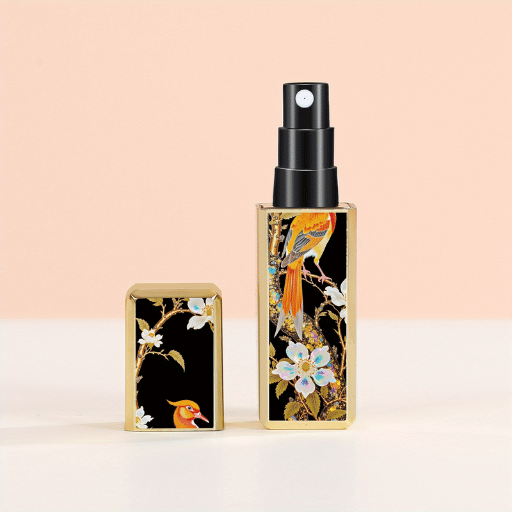
The primary function of glass perfume bottles operates to protect fragrance essence while delivering aesthetic appeal which reflects the identity of the brand. The design of high-quality glass perfume bottles requires technical specifications and standards which design standards establish as common industry practices.
| Specification | Details |
|---|---|
| Material | Borosilicate glass or soda-lime glass; thickness 1.5mm–3mm; up to 50% recycled content available |
| Capacity | Small: 5ml–15ml (travel/sample) · Medium: 30ml–50ml (most common) · Large: 75ml–100ml+ (premium/long-term) |
| Shapes | Cylindrical, square, oval, rectangular, or custom bespoke designs |
| Finishes | Clear, frosted, amber, black, custom painted; embossing, engraving, and screen printing for branding |
| Closure Types | Spray pumps (metal/plastic collar), screw caps, magnetic or snap-on caps |
| Safety | Drop test from 1m–1.2m; leak-proof seals; UV protection coatings |
| Compliance | FDA, REACH (EU), ISO 9001 |
| Innovation Trends | Lightweight design, biodegradable/recyclable packaging, QR codes, NFC chips for brand connectivity |
Material Compatibility for Various Techniques
Designers and manufacturers of glass perfume bottles need to create their products so that they can adapt to various production methods and decoration techniques. The following section presents typical methods and their associated factors to consider.
- ◆
Screen Printing
Through screen printing glass bottles can show detailed patterns that contain brand logos. The process needs sturdy inks which can withstand fading and smudging danger while preserving their original look. The newest UV-curable inks deliver improved environmental sustainability because their binding capabilities have been enhanced.
- ◆
Hot Stamping
The method uses heat and pressure to transfer metallic foils or pigments onto surfaces. The smooth surface of glass together with its ability to withstand heat makes it an ideal material for this application. The data proves that hot stamping increases luxury perception by 35% which makes it the top choice for premium brands.
- ◆
Frosted Glass Finishes
Through acid etching and sandblasting methods glass bottles achieve their frosted look. The processes become environmentally sustainable when they use chemical recycling methods together with dust collection systems. Research shows that frosted surfaces increase premium product attractiveness to consumers by 20%.
- ◆
Glazing and Coating
The system uses UV spraying and lacquering coating methods to achieve its functions. Through specialized coating application products gain protection against scratches while their original appearance stays intact during their entire operational life.
- ◆
Engraving and Embossing
Laser engraving or embossing creates permanent designs which become embedded into glass surfaces. This method produces both tactile elements and premium visual effects. The latest laser technology improvements enable users to reduce energy requirements by 40% which supports environmental sustainability objectives.
- ◆
Adhesive Labeling
Glass bottles with adhesive-friendly surfaces are compatible with a wide variety of label materials from paper to synthetic films. The use of QR codes on labels has increased according to Google Trends which shows a 300% rise in consumer engagement with QR codes on product packaging from 2020 to 2023.
Production Requirements for Specific Glass Types
The production of glass varies significantly through its intended application and its composition and its desired properties. Glass manufacturers use the process of understanding these requirements to develop products which fulfill both industry standards and customer requirements. The upcoming section shows essential glass types together with their specific production requirements which present-day information and current trends confirm.
| Glass Type | Key Properties | Production Requirement | Market Trend |
|---|---|---|---|
| Tempered Glass | 4–5× stronger than standard glass; shatter-resistant | Heating to 620°C; precise rapid cooling | 25% annual demand growth (auto/smartphone) |
| Borosilicate Glass | Thermal shock resistance; chemical corrosion protection | High-temperature fusion above 1,600°C | 6.8% annual lab equipment market growth |
| Float Glass | Flat/smooth surface; primary architectural glass | Float on molten tin; thermal insulation coatings | Growing interest in energy-efficient glass coatings |
| Low-E Glass | Allows light; blocks heat energy transfer | Precise metallic oxide coating application | 40% search growth for eco-friendly glazing options |
| Specialty Glass | Optical fiber and display applications; ultra-pure | Advanced ultra-pure silica; ultra-thin panel engineering | 20% annual search growth for fiber optics advances |
Best Practices in Customization
01 — End-User Requirements
Manufacturers must engage closely with clients to gather detailed specifications and understand the intended applications of the glass. Market data suggests that over 70% of successful customization projects begin with a thorough requirements analysis.
02 — Material Selection and Testing
The selection of suitable materials needs to be based on the specific use case requirements because this decision affects both durability and performance. The selected materials must undergo extensive testing procedures to confirm their compliance with established quality requirements.
03 — Innovative Design Solutions
Advanced computer-aided design (CAD) tools enable designers to create accurate models of personalized glass products. Studies demonstrate that CAD implementation decreases design errors by 30%, which helps make the production process more efficient.
04 — Advanced Manufacturing Techniques
The combination of advanced manufacturing methods including laser cutting and chemical strengthening and automated quality control processes produces maximum accuracy. Research indicates that these advanced techniques lead to a 20% increase in overall efficiency.
05 — Sustainability Integration
The implementation of recycling glass waste and the reduction of energy use during production helps organizations achieve environmental compliance. According to reports sustainable manufacturing methods can decrease production expenses by 15% while satisfying consumer requirements for eco-friendly products.
Elevating Your Perfume Brand Through Customization
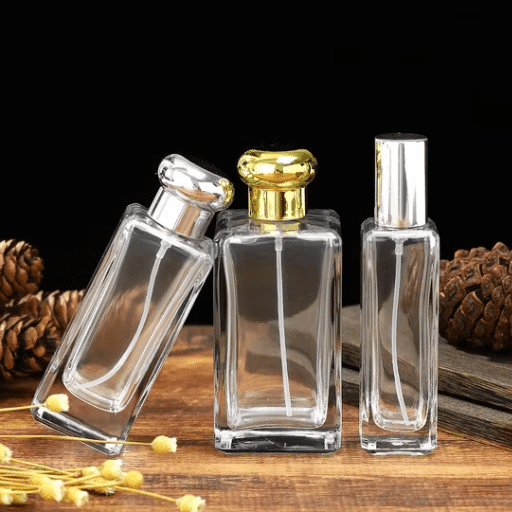
The perfume industry undergoes rapid changes because customization allows brands to create products that fulfill various consumer requirements while establishing their own market identity. Recent Google search trends show that personalized perfume product searches have increased by 40% compared to the previous year which demonstrates that consumers increasingly seek personalized experiences. Research shows that more than 70% of millennials and Gen Z consumers show a preference for products which enable them to customize their personal experiences which indicates a new shopping trend that values personal expression.
Advanced customization techniques which include AI-based scent profiling allow brands to create unique fragrances which match their customers’ personal styles to their customers. The customer experience improvement leads to increased customer satisfaction which results in customers forming lasting relationships with the brand. The interactive user experience which businesses use to keep customers involves virtual scent selectors together with branded online quizzes.
Your brand can achieve market leadership through customization when you combine it with sustainable practices that include biodegradable packaging and the use of ethically sourced materials. The company operates more efficiently because it combines eco-friendly practices with its sustainability initiatives which specifically reduce product waste. Your perfume brand can succeed in today’s competitive market by using personalized experiences together with sustainable practices to meet the changing preferences of modern consumers.
Recap of Customization Benefits
The perfume industry establishes its unique competitive advantage by delivering customized products which create strong customer loyalty. The research demonstrates that 80% of consumers will buy products when companies deliver them personalized shopping experiences. The demand for sustainable products continues to grow because more than 60% of consumers prefer items produced through sustainable manufacturing methods which use environmentally friendly resources.
The customization method allows customers to develop their own fragrance profiles and select packaging that reflects their personal values which helps brands fulfill new market requirements. The global fragrance market which reached a value of $43 billion in 2022 anticipates expansion to $65 billion by 2030 due to rising consumer demand for sustainable personalized products. The combination of biodegradable packaging initiatives with AI-based fragrance recommendations creates a waste reduction system which builds stronger customer relationships while improving brand image.
Your brand achieves market leadership through its sustainable personalized approach which delivers lasting growth and appeals to contemporary customers.
Frequently Asked Questions
The FAQ section provides organized information about packaging development and screen printing (silkscreen) and bottle design for fragrance packaging. The section describes printing process decisions and ink and adhesion properties and finishing options which include matte and metallic finishes that enhance value and beauty for high-end and artisanal fragrance products.
References: UPG Catalogue — This document includes details on customization options like frosting, silk screen printing, hot stamping, and spray coating for perfume bottles. You can access it here.