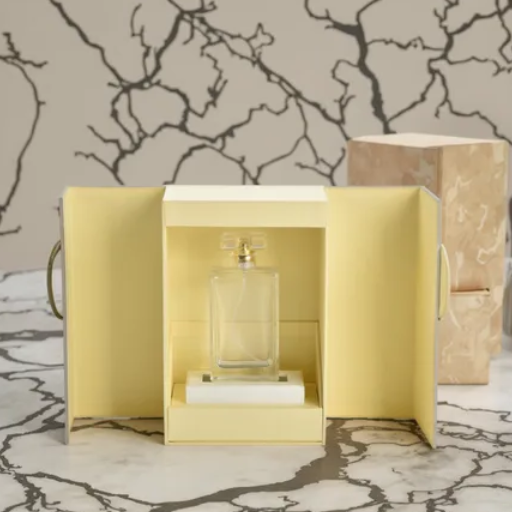
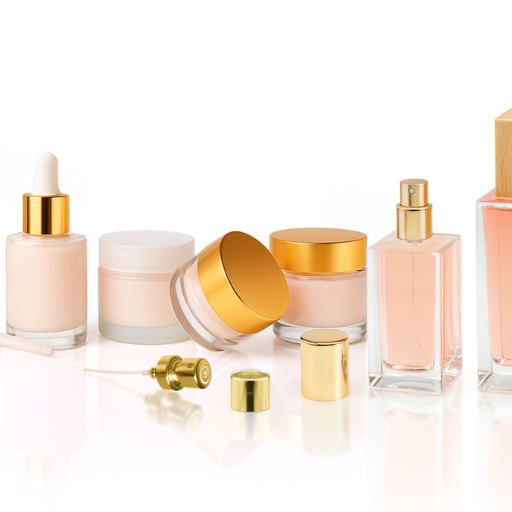
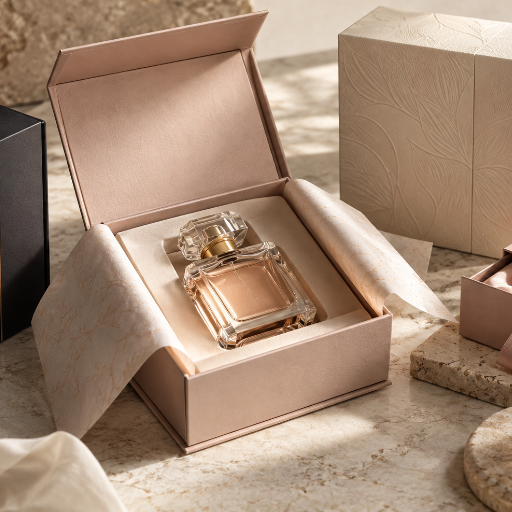
Custom perfume boxes are branded secondary packaging built to protect fragrance bottles, communicate brand identity, and create a memorable unboxing experience. In 2026, the best ones combine rigid structure, sustainable materials, and premium finishes like foil stamping, embossing, or soft-touch lamination.
Yet most fragrance brands still treat the box as an afterthought. They pour budget into bottle design, then choose a generic box that creases in transit, looks bland on a retail shelf, and fails to tell their brand story. The result? Damaged inventory, missed first impressions, and weaker customer loyalty.
If you are launching or scaling a fragrance brand, you already know the bottle matters. But the box is often the first physical touchpoint your customer sees. By the end of this guide, you will have a clear framework for choosing the right custom perfume box style, material, finish, insert, supplier, and budget for your brand. We will cover the latest 2026 trends, the most common box styles, material and printing options, labeling requirements, realistic costs and MOQs, and a supplier-vetting checklist.
Key Takeaways
- Custom perfume boxes are secondary packaging that protect bottles and drive brand perception.
- Rigid, magnetic-closure, drawer, and tuck-end boxes each serve different brand tiers and budgets.
- Sustainable materials and smart packaging (NFC/QR) are defining 2026 trends.
- Per-unit costs typically range from 0.50to0.50to6+ depending on material, finish, and order volume.
- Always order a physical sample and confirm labeling compliance before committing to bulk production.
When Lila launched her niche fragrance line in early 2024, she invested almost her entire packaging budget in a sculptural glass bottle. She saved the box for last and ordered a stock folding carton with a simple logo sticker. Within three months, customers were posting photos of crushed corners and faded prints. Her “luxury” perfume looked like a discount product before it ever reached the customer. A switch to a rigid custom perfume box with a foam insert cut her return rate by 40% and doubled her social-media shares. The box was not an afterthought. It became her silent salesperson.
What Are Custom Perfume Boxes?
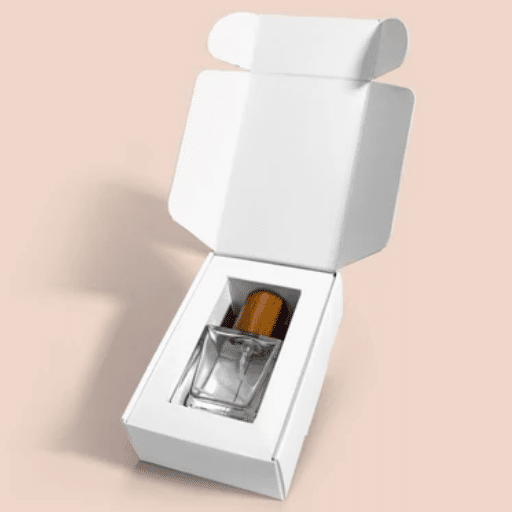
A custom perfume box is secondary packaging designed specifically to hold, protect, and present a fragrance bottle. Unlike stock boxes, custom versions are tailored to your bottle dimensions, brand visuals, and customer experience goals.
These boxes typically include:
- Structural board (cardboard, rigid paperboard, kraft, or corrugated material)
- Printed artwork (brand name, logo, fragrance details, and regulatory information)
- Protective inserts (foam, paperboard, molded pulp, velvet, or EVA)
- Finishing touches (lamination, foil stamping, embossing, spot UV, ribbons, or magnetic closures)
The box has three jobs. First, it protects the bottle during shipping and handling. Second, it communicates quality and brand identity at the point of sale or unboxing. Third, it delivers the practical information customers and regulators expect, such as ingredients, volume, and country of origin.
For a broader look at how bottles, caps, labels, and boxes work together, see our complete guide to custom perfume packaging.
Want to see how custom perfume boxes can work for your brand? Request a free quote or sample from Fuzhou Longlu Packaging and we will help you choose the right structure for your bottle.
Why Custom Perfume Boxes Matter for Fragrance Brands
Fragrance is an emotional purchase. Customers rarely smell a perfume before they buy it online, and even in retail they often judge a scent by its packaging before they spray it. The box is the frame for that first impression.
Brand Differentiation and Shelf Impact
A well-designed custom perfume box separates your product from competitors lined up on the same shelf or search-results page. Unique structures, tactile finishes, and consistent brand colors signal quality before the bottle is even opened.
Bottle Protection and Shipping Durability
The global perfume packaging market is projected to reach $18.7 billion in 2026, according to Packaging Market Insights. As online fragrance sales grow, boxes must survive drops, compression, humidity, and temperature swings during transit. A box that looks beautiful but fails in shipping becomes a liability.
Unboxing Experience and Social Shareability
Unboxing is marketing. Customers post unboxing videos, share photos, and remember the moment a package feels special. A magnetic closure, a ribbon pull, or a velvet-lined insert turns a simple delivery into a shareable brand moment.
2026 Custom Perfume Box Trends Worth Watching
The packaging industry moves fast. Based on current SERP leaders and market reports, here are the trends shaping custom perfume boxes in 2026.
Sustainable and Refillable Packaging
Consumers increasingly expect eco-conscious choices. Free Yourself reports that sustainable packaging is now a top purchase driver for fragrance buyers. Brands are responding with FSC-certified paperboard, kraft stock, soy-based inks, recyclable inserts, and refillable bottle systems that reduce long-term waste.
Minimalist, Tactile Luxury
Minimalist design is moving beyond flat white boxes. In 2026, minimalism means bold texture: soft-touch lamination, blind embossing, matte finishes, and subtle debossed logos that invite touch without shouting.
Smart Boxes: NFC, QR Codes, and Authentication
Smart packaging is gaining ground. QR codes can link to scent stories, ingredient sourcing, or reorder pages. NFC chips offer authentication for luxury brands fighting counterfeits. These features add perceived value and create a direct channel between brand and customer.
Travel-Ready and Compact Formats
Smaller bottle sizes and travel sets are growing. Custom perfume boxes for 10ml, 15ml, and 30ml formats need compact, protective structures that still feel premium.
Personalized and Limited-Edition Boxes
Limited editions, monogramming, and seasonal designs help brands create urgency and exclusivity. Variable-data printing makes short-run personalization more affordable than ever.
For more on sustainable packaging options, read our sustainable packaging guide.
Types of Custom Perfume Boxes: Which Style Fits Your Brand?
Choosing the right box style is one of the most important decisions in perfume packaging. The structure sets the tone, protects the bottle, and drives cost.
| Box Style | Best For | Typical MOQ | Cost Tier |
|---|---|---|---|
| Tuck-end folding carton | Mass market, e-commerce, sample sets | 100–500 | $ |
| Rigid two-piece box | Premium retail, gift sets | 500–1,000 | $$ |
| Magnetic closure box | Luxury brands, unboxing focus | 500–1,000 | $$$ |
| Drawer / sleeve box | Gifting, limited editions | 500–1,000 | $$–$$$ |
| Round tube box | Niche, artisan, travel sizes | 500–1,000 | $$ |
| Window box | Retail display, visual appeal | 500–1,000 | $$ |
Tuck-End Folding Cartons
Tuck-end cartons are lightweight, cost-effective, and easy to ship. They work well for sample sets, travel-size collections, and budget-conscious e-commerce brands. The downside is less perceived luxury.
Rigid Two-Piece Boxes
Rigid boxes feel substantial and premium. They are a popular choice for 50ml and 100ml fragrances and gift sets. The separate lid and base create a ceremonial opening experience.
Magnetic Closure Boxes
Magnetic closure boxes add a satisfying snap and are often used for high-end fragrances. They pair well with velvet or foam inserts and foil-stamped logos.
Drawer and Sleeve Boxes
Drawer boxes slide open like a matchbox. They are ideal for gifting and limited editions because they create a layered reveal. Sleeve boxes offer similar drama at a slightly lower cost.
Round Tube Boxes
Round tubes stand out on shelves and suit artisan or niche brands. They can be made from paperboard, rigid board, or even metal for a distinctive look.
Window Boxes
Window boxes let the bottle show through, which is useful for retail displays and online product photography. They require a clear film window and careful insert design.
Materials and Finishes for Custom Perfume Boxes
The material you choose affects cost, durability, sustainability, and perceived value.
Cardboard and Folding Carton
Standard paperboard is affordable, printable, and lightweight. It is a solid choice for high-volume, lower-cost fragrances. It can be coated for gloss or matte effects and accepts foil stamping and spot UV.
Rigid Paperboard
Rigid board is thicker and more protective than folding carton. It is the standard for luxury custom perfume boxes. It supports premium finishes and holds its shape during shipping.
Kraft and Recycled Paper
Kraft paperboard appeals to eco-conscious brands. It is recyclable, biodegradable, and pairs naturally with minimalist or botanical design. It is also a good canvas for soy-ink or water-based printing.
Corrugated Board
Corrugated material is rarely the outer face of a luxury perfume box, but it is useful for e-commerce shipping cartons that protect the primary perfume box inside.
Inserts and Linings
Inserts keep the bottle from shifting. Common options include:
- EVA foam: precise, protective, and premium-feeling
- Paperboard inserts: affordable and recyclable
- Molded pulp: eco-friendly and shock-absorbing
- Velvet or flocking: luxurious touch for high-end boxes
Printing and Decorative Finishes
- CMYK or Pantone printing for accurate brand colors
- Foil stamping for metallic accents
- Embossing / debossing for texture and depth
- Spot UV for glossy highlights on matte surfaces
- Soft-touch lamination for a suede-like feel
- Matte or gloss lamination for protection and sheen
What to Print on a Custom Perfume Box
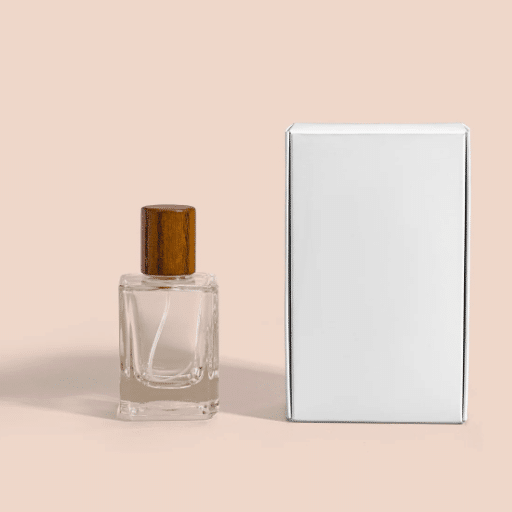
Regulatory requirements vary by market, but most perfume boxes need the following information:
- Brand name and logo
- Fragrance name and volume (e.g., 50ml / 1.7 fl. oz.)
- Ingredients / allergen information
- Batch code and country of origin
- Safety warnings and regulatory marks
- Barcode and retail information
For brands selling in the EU, additional requirements under the Cosmetic Products Regulation and the Packaging and Packaging Waste Regulation (PPWR) may apply. U.S. sellers must follow FDA cosmetic labeling rules. Always confirm local requirements before finalizing artwork.
Marcus, a private-label seller, learned this the hard way. His first 2,000-unit order arrived beautifully printed but missing an ingredient list. Retailers refused the shipment, and he had to reprint the boxes at a cost that erased his first-quarter margin. A simple compliance checklist would have saved him thousands.
Custom Perfume Boxes: Costs, MOQs, and Lead Times
Understanding pricing helps you budget accurately and avoid surprises.
Cost per Unit by Quantity
| Quantity | Folding Carton | Rigid Box | Magnetic Closure Box |
|---|---|---|---|
| 100–299 | 1.50–1.50–3.00 | 4.00–4.00–7.00 | 6.00–6.00–10.00 |
| 300–499 | 0.90–0.90–1.80 | 2.50–2.50–4.50 | 4.00–4.00–7.00 |
| 500–999 | 0.60–0.60–1.20 | 1.80–1.80–3.20 | 3.00–3.00–5.00 |
| 1,000+ | 0.35–0.35–0.80 | 1.20–1.20–2.50 | 2.00–2.00–4.00 |
These are estimated ranges for reference. Actual pricing depends on material, dimensions, finishes, inserts, and artwork complexity.
Typical MOQs
- Folding cartons: often 100–500 units
- Rigid boxes: typically 500–1,000 units
- Magnetic closure boxes: typically 500–1,000 units
- Luxury finishes (foil, embossing): may require higher MOQs or setup fees
Hidden Costs to Watch
- Die-cut tooling and plate fees: one-time charges for custom shapes
- Sampling costs: physical prototypes before mass production
- Shipping and duties: especially for international orders
- Setup fees for specialty finishes
Lead Times
Standard production typically takes 7–15 business days after artwork approval, plus shipping. Rush options may be available, but they increase cost.
Ready to test a sample before committing to bulk? Contact Fuzhou Longlu Packaging to request a prototype of your custom perfume box.
How to Choose a Custom Perfume Box Supplier
Not every packaging supplier understands fragrance packaging. Here is what to evaluate before you order.
What to Ask Before Ordering
- What is your minimum order quantity for custom perfume boxes?
- Can you produce a physical sample before mass production?
- What materials and finishes do you offer?
- What is your typical lead time, including shipping?
- Do you provide dieline templates for my bottle dimensions?
- Can you help with labeling compliance for my target market?
Red Flags to Avoid
- No sample option
- Vague pricing or hidden fees
- Inability to provide material certifications
- Poor communication during quoting
- No experience with fragrance or cosmetic packaging
Sampling and Prototyping Best Practices
Always approve a physical sample before full production. Check the fit, print color accuracy, finish quality, and structural strength. Test the box in simulated shipping conditions if you sell online.
Quality Control Checkpoints
- Dimensional accuracy
- Print registration and color consistency
- Insert fit and bottle stability
- Finish adhesion and scratch resistance
- Closure function and durability
For Ava’s sustainable perfume brand, choosing a supplier came down to three things: FSC-certified materials, a low minimum order quantity, and a clear sampling process. Her first prototype revealed that the kraft board she wanted was too thin for international shipping. The supplier recommended a slightly thicker rigid board with a kraft wrap, which preserved the eco-aesthetic while protecting the bottle. That single adjustment prevented a costly replacement order.
Custom Perfume Box Manufacturing: A Quick Look
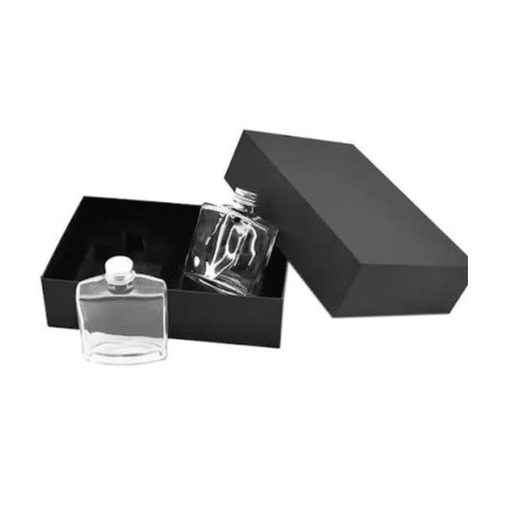
Understanding how custom perfume boxes are made helps you communicate with suppliers and spot quality issues early. The typical process includes:
- Design and dieline creation: the box is drawn to fit your bottle and artwork.
- Material selection: board type, thickness, and wrap are chosen.
- Printing: CMYK or Pantone inks are applied via offset or digital printing.
- Finishing: lamination, foil stamping, embossing, or spot UV is added.
- Die-cutting and assembly: the board is cut, folded, and glued into the final structure.
- Insert production: foam, paperboard, or molded pulp inserts are cut to fit.
- Packing and shipping: boxes are flat-packed or fully assembled for delivery.
Conclusion
Custom perfume boxes are more than protective shells. They are brand assets that influence perception, drive social sharing, and protect your product from factory to customer. In 2026, the winning approach combines the right box style, sustainable materials, premium finishes, and a supplier who understands fragrance packaging from both a creative and logistical perspective.
To recap:
- Choose a box style that matches your brand tier and sales channel.
- Select materials that balance protection, sustainability, and perceived value.
- Plan your artwork carefully to meet labeling compliance.
- Budget for tooling, sampling, and shipping on top of per-unit costs.
- Always approve a physical sample before mass production.
Whether you are launching a niche indie fragrance or scaling a luxury line, the right custom perfume box can turn a simple purchase into a memorable brand experience. Get in touch with Fuzhou Longlu Packaging today for a free quote, sample, or design consultation.