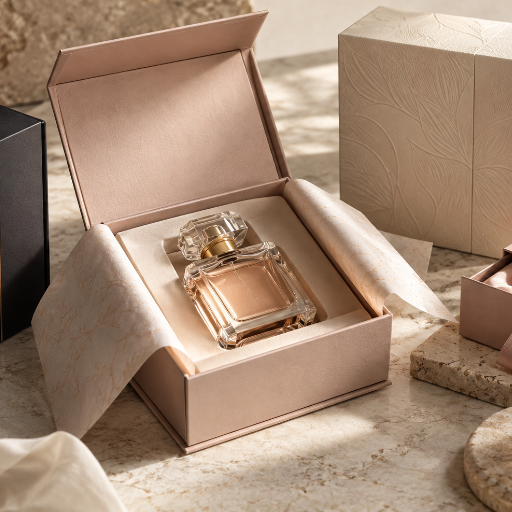
Wholesale perfume boxes are custom-branded packaging containers that fragrance brands, retailers, and distributors purchase in bulk to protect, display, and market perfume products. The right box does more than hold a bottle. It shapes first impressions, protects fragile glass during shipping, and turns an ordinary product into a luxury experience.
But finding a reliable supplier is harder than it looks. Prices swing wildly. Minimum order quantities can trap startups with inventory they cannot sell. And a box that looks beautiful online may crack under the realities of international shipping. If you have ever stared at five supplier quotes and wondered why one charges 0.50perboxwhileanothercharges0.50perboxwhileanothercharges3.00, you are not alone.
This guide walks you through everything you need to know about buying wholesale perfume boxes. You will learn which materials suit different use cases, how to interpret MOQs and pricing, what customization options actually matter, and how to avoid the most common sourcing mistakes.
Key Takeaways
- Wholesale perfume boxes typically start around $0.50 per unit for basic cardboard and rise based on material, finish, inserts, and order volume.
- Rigid board with foam or EVA inserts offers the best protection for glass perfume bottles in e-commerce and retail environments.
- MOQs range from 50 units for low-volume suppliers to 5,000+ units for large overseas manufacturers.
- Customization options include size, printing, foil stamping, embossing, windows, magnetic closures, and eco-friendly materials.
- A clear sampling and approval process prevents costly production errors and ensures the final box matches your brand vision.
What Are Wholesale Perfume Boxes?
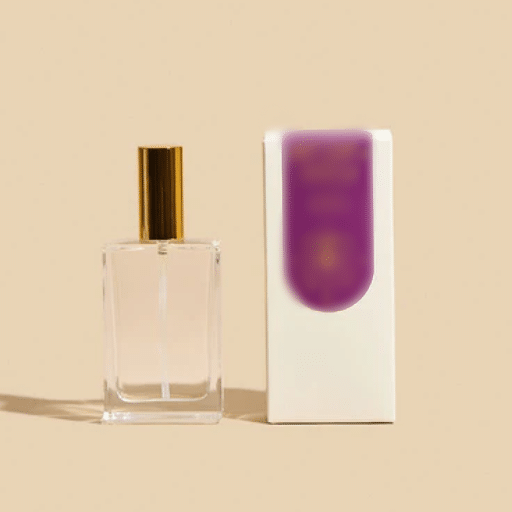
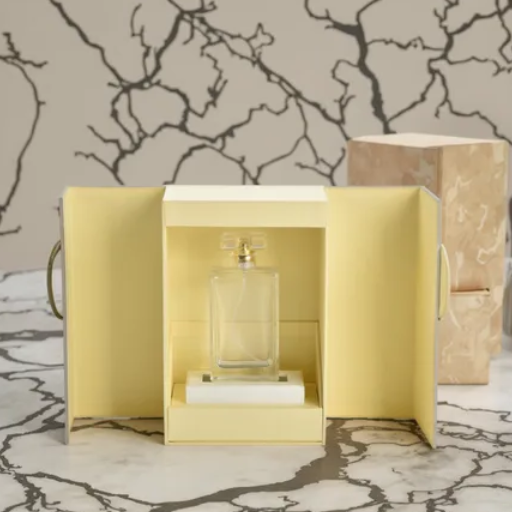
Wholesale perfume boxes are packaging solutions purchased in bulk specifically for fragrance products. They come in many forms: rigid luxury gift boxes, folding cartons for retail shelves, e-commerce shipping boxes, and compact tester or discovery-set boxes.
Unlike generic packaging, perfume boxes must solve a unique set of problems. The bottle inside is usually glass, often irregularly shaped, and frequently exposed to light, heat, and rough handling. A good perfume box keeps the product safe while communicating the brand story before the customer ever sprays the fragrance.
Why They Matter More Than You Might Think
When Maya launched her niche fragrance brand in 2024, she spent months perfecting her scent profiles. She almost skipped the packaging decision, assuming any sturdy box would work. Her first 500 units arrived from a low-cost supplier with thin cardboard and no insert. During shipping, nearly 12% of the bottles cracked. Returns, replacements, and negative reviews consumed her launch budget.
Maya’s story is common. The cheapest option often becomes the most expensive mistake. Fragrance brands need boxes engineered for their specific product, not generic containers resized to fit.
Why Custom Perfume Packaging Matters for Your Brand
Your packaging is the first physical touchpoint between your brand and your customer. In retail, it competes for attention on crowded shelves. Online, it drives unboxing videos and social shares. For gift buyers, it can be the deciding factor between your product and a competitor’s.
Shelf Appeal and Retail Differentiation
Retailers give each product only a few seconds to capture attention. A rigid box with soft-touch lamination, foil-stamped lettering, and a magnetic closure signals luxury before the customer reads a single word. In contrast, a plain folding carton may communicate value or affordability. The key is matching the packaging to your brand position.
E-Commerce Protection and Returns Reduction
Online fragrance sellers face a different challenge. Glass bottles must survive drops, compression, and temperature shifts inside delivery trucks. Rigid board with custom EVA or foam inserts absorbs impact and holds the bottle firmly in place. Brands that invest in protective packaging typically see lower return rates and better customer reviews.
The Unboxing Experience
Premium fragrances are as much about emotion as scent. A well-designed unboxing experience builds anticipation. Layered inserts, ribbon pulls, and embossed logos turn a simple delivery into a memorable event. That memory often translates into repeat purchases and word-of-mouth referrals.
Sustainability as a Selling Point
Modern consumers increasingly prefer brands that reduce environmental impact. Recyclable boards, kraft paper, soy-based inks, and FSC-certified materials let you market your packaging as part of your sustainability story. This is especially important for younger fragrance buyers and eco-conscious gift shoppers.
Types of Perfume Boxes
Understanding the different types of wholesale perfume boxes helps you match the format to your sales channel and brand positioning.
Rigid Luxury Perfume Boxes
Rigid boxes, also called setup boxes, are made from thick paperboard wrapped in printed paper. They feel substantial and premium. Luxury perfume houses often use them for flagship fragrances and gift sets. They support advanced finishes like embossing, debossing, foil stamping, and soft-touch lamination.
Perfume Gift Boxes
Gift boxes are designed for presentation. They may hold a single bottle, a bottle-and-lotion set, or a fragrance sampler collection. Features like magnetic closures, ribbons, and windows enhance their appeal. These boxes are popular during holidays, Valentine’s Day, Mother’s Day, and Ramadan gifting seasons.
Drawer-Style Perfume Boxes
Drawer or slide boxes consist of an outer sleeve and an inner tray that slides out. They offer a premium unboxing experience and work well for single bottles or discovery sets. The format also provides excellent structural protection.
Perfume Boxes with Windows
Window boxes include a clear film panel that lets customers see the bottle without opening the package. They work well for retail displays where visual confirmation of the product inside increases purchase confidence.
E-Commerce Shipping Boxes for Perfume
Shipping boxes prioritize protection over presentation. They are usually made from corrugated cardboard or thick rigid board with custom inserts. While they may not look luxurious on the outside, the unboxing experience can still be elevated with branded interior printing.
Tester and Discovery Set Boxes
Tester boxes hold small vials or sample sprays. Discovery sets package multiple mini bottles together. These formats require precise inserts to prevent movement and breakage. They are essential for subscription services and brand sampling campaigns.
Materials Used for Wholesale Perfume Boxes
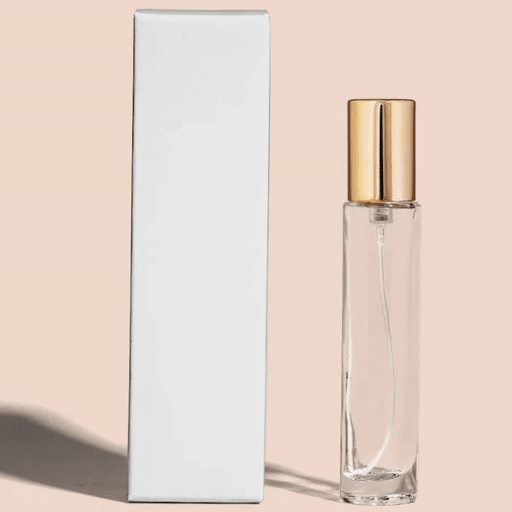
Material selection affects cost, protection, sustainability, and perceived value. Here are the most common options.
Rigid Board
Rigid board is the gold standard for luxury perfume packaging. It offers excellent structural integrity and a high-end feel. Brands can wrap it in printed paper, fabric, or leatherette for different effects.
SBS Paperboard
Solid bleached sulfate (SBS) paperboard is a common choice for folding cartons. It has a smooth white surface that holds high-quality printing well. It is cost-effective and suitable for retail perfume boxes.
Kraft Paper
Kraft paper has a natural, rustic appearance that appeals to eco-conscious brands. It is recyclable and biodegradable. Kraft works well for minimalist fragrance brands and organic or natural perfume lines.
Corrugated Board
Corrugated cardboard is the best choice for outer shipping boxes. Its fluted inner layer absorbs shock and protects glass bottles during transit. It is lightweight, recyclable, and economical for bulk orders.
Eco-Friendly and FSC-Certified Options
FSC-certified boards come from responsibly managed forests. Recycled paperboard and biodegradable materials appeal to sustainability-focused brands. These options may cost slightly more but can strengthen brand positioning.
Inserts: Foam, EVA, and Cardboard
Custom inserts hold the bottle securely inside the box. Foam and EVA provide the best cushioning for glass. Cardboard inserts are more economical and work well for lighter bottles or retail displays.
Customization Options for Perfume Packaging
Customization turns a standard box into a brand asset. Here are the options worth considering.
Size and Shape
Every perfume bottle has unique dimensions. Custom sizing ensures a snug fit that prevents movement and breakage. Unusual bottle shapes may require engineered inserts or multi-point floating supports.
Printing and Branding
High-resolution offset or digital printing reproduces logos, patterns, and product information accurately. CMYK and Pantone color matching ensure brand consistency across production runs.
Finishes: Matte, Gloss, and Soft-Touch
Lamination protects the printed surface and changes how the box feels. Matte finishes look sophisticated. Gloss finishes create shine and vibrancy. Soft-touch lamination adds a velvety texture that feels luxurious.
Foil Stamping and Embossing
Foil stamping applies metallic or colored foil to logos and accents. Embossing raises design elements from the surface; debossing presses them inward. Both techniques add depth and premium appeal.
Windows, Ribbons, and Magnetic Closures
Windows showcase the bottle. Ribbons add elegance and make opening easier. Magnetic closures create a satisfying snap and are often used in gift and luxury boxes.
Inside and Outside Printing
Printing only the exterior is standard, but printing the interior adds a surprise moment during unboxing. Inside printing is popular for premium brands and limited editions.
How Much Do Wholesale Perfume Boxes Cost?
Pricing depends on material, quantity, size, design complexity, and finishes. Understanding these factors helps you budget accurately and compare quotes fairly.
Typical Price Ranges
Basic cardboard folding cartons for perfume often start around 0.50perboxforlargerquantities.Mid−rangerigidboxestypicallyfallbetween0.50perboxforlargerquantities.Mid−rangerigidboxestypicallyfallbetween1.50 and 3.00perunit.High−endluxuryboxeswithfoilstamping,embossing,andcustominsertscanexceed3.00perunit.High−endluxuryboxeswithfoilstamping,embossing,andcustominsertscanexceed5.00 per box.
What Drives Cost
Material is the biggest cost driver. Rigid board costs more than folding carton. Finishes like foil stamping, spot UV, and soft-touch lamination add production steps. Custom inserts increase both material and labor costs. Smaller quantities raise the per-unit price because setup costs are spread across fewer boxes.
How to Lower Costs Without Sacrificing Quality
Ordering larger quantities reduces per-unit pricing. Simplifying the box structure can cut tooling costs. Choosing standard finishes instead of multiple premium add-ons also helps. A good supplier will suggest design adjustments that maintain quality while fitting your budget.
When James scaled his direct-to-consumer fragrance brand, he originally quoted 1,000 rigid boxes with foil stamping and magnetic closures. The per-unit cost was too high for his margins. His supplier recommended switching to a high-quality folding carton with an embossed logo and cardboard insert. The box still felt premium, and the price dropped by 40%. James reinvested the savings into marketing.
Understanding MOQs: What to Expect from Suppliers
Minimum order quantity (MOQ) is one of the first details fragrance brands negotiate. Requirements vary widely by supplier type and production method.
Low-MOQ and No-Minimum Suppliers
Some suppliers specialize in small runs, offering MOQs as low as 50 or 100 boxes. These are ideal for startups, limited editions, and market testing. Per-unit costs are higher, but the lower financial risk often justifies it.
Mid-Volume Manufacturers
Manufacturers with MOQs around 500 to 1,000 units balance cost and flexibility. They are suitable for growing brands with predictable demand. This tier often offers more customization options than low-MOQ suppliers.
Large-Scale Overseas Manufacturers
Chinese manufacturers and other large-scale factories often require MOQs of 1,000 to 5,000 units or more. They offer the lowest per-unit prices but require larger upfront commitments and longer lead times. This option works best for established brands placing repeat orders.
How to Negotiate MOQs
Ask whether a supplier allows mixed designs within one order. For example, you might order 2,000 total boxes split across four designs with a 500-unit minimum per design. Also ask about price breaks at higher quantities so you can plan future growth.
The Ordering Process: From Quote to Delivery
A clear ordering process prevents surprises and ensures your final boxes match your expectations.
1. Submit Specifications and Artwork
Provide bottle dimensions, desired box style, material preferences, quantity, and design files. Most suppliers accept PDF, AI, or PSD files at 300 DPI with embedded images and outlined fonts.
2. Receive a Digital Mockup or Physical Sample
Digital mockups show how the design will look on the finished box. Physical samples let you test fit, feel, and structural integrity. For large orders, always request a production sample before full manufacturing begins.
3. Approve the Sample and Place the Order
Review the sample for color accuracy, material quality, print registration, and bottle fit. Once approved, the supplier schedules production.
4. Production and Quality Control
Production timelines vary from 7 to 15 business days for standard boxes to 30 to 45 days for complex rigid boxes from overseas. Quality control checks should catch defects before shipment.
5. Shipping and Delivery
Choose between sea freight for cost savings or air freight for speed. Work with a supplier experienced in international shipping to handle customs, duties, and documentation.
What to Look for in a Wholesale Perfume Box Supplier
Not all packaging suppliers understand the specific needs of fragrance brands. Evaluate potential partners on these criteria.
Experience with Fragrance Packaging
A supplier that regularly produces perfume boxes understands bottle protection, regulatory labeling, and luxury finishes. Ask for samples from previous fragrance projects.
Customization Capabilities
Can the supplier produce the exact size, shape, material, and finish you need? Do they offer design support? Limited capabilities may force compromises on your vision.
Quality Control and Sampling
Ask about their quality control process. Do they provide pre-production samples? How do they handle defects? Strong quality control protects you from costly mistakes.
MOQ Flexibility
Your first order may be small, but your growth plans may require much larger volumes. A supplier that scales with you is more valuable than one that only fits your current needs.
Sustainable Options
If sustainability matters to your brand, confirm that the supplier offers recyclable, biodegradable, or FSC-certified materials. Request certifications when possible.
Reliable Lead Times and Shipping
Delays can derail product launches and holiday campaigns. Ask for realistic production timelines and choose a supplier with a track record of on-time delivery.
At Fuzhou Longlu Packaging Co., Ltd., we specialize in custom packaging solutions for fragrance and beauty brands. Our team works with you from design concept through final delivery, offering material guidance, sampling, and flexible order quantities. Whether you need rigid luxury perfume boxes for a flagship launch or eco-friendly shipping boxes for a subscription line, we help you find the right balance of protection, presentation, and price.
Market Context: Why Fragrance Packaging Is Growing
The global fragrance packaging market is valued at approximately USD 13.3 billion in 2026 and is projected to reach USD 22.1 billion by 2034, growing at a 6.5% CAGR according to Packaging Market Insights. The broader perfume market is expanding even faster, driven by premium fragrances, Asia-Pacific demand, and the rise of indie fragrance brands.
This growth creates both opportunity and competition. New fragrance brands enter the market every month. The ones that succeed treat packaging as a strategic investment, not an afterthought.
Conclusion
Wholesale perfume boxes are more than containers. They protect fragile products, communicate brand value, and shape how customers experience your fragrance from the moment it arrives.
To choose the right packaging, start by defining your sales channel and brand position. Retail brands need shelf appeal. E-commerce brands need protection. Gift-focused brands need presentation. Then match your material, box style, and finishes to those goals.
Pay close attention to MOQs, sampling, and supplier capabilities. A slightly higher per-unit cost often pays for itself in lower damage rates, better reviews, and stronger brand perception.
If you are ready to source wholesale perfume boxes for your fragrance brand, contact our team for a free quote and design consultation. We will help you create packaging that protects your product, reflects your brand, and leaves a lasting impression.