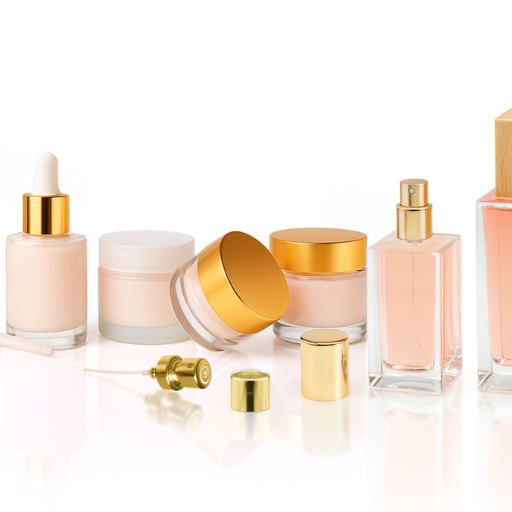
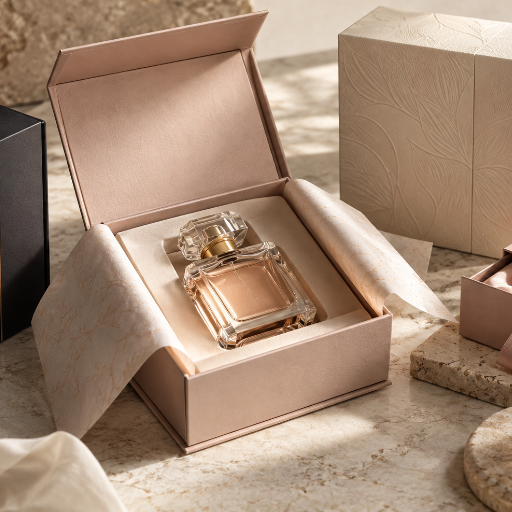
Perfume box design, also called perfume packaging design, is the practice of creating secondary packaging that protects a fragrance bottle while expressing brand identity through color, structure, typography, and finish. A well-designed box turns a simple container into a silent salesperson that works on shelves, in unboxing videos, and during gift-giving moments.
When Maya launched her indie fragrance line in early 2026, she spent months perfecting the scent. She chose a heavy glass bottle, an amber cap, and a name that evoked desert nights. But her first sample shipment told a different story: the box she had rushed through design felt flimsy, the gold foil peeled at the corners, and the insert let the bottle rattle like a maraca. Her Instagram unboxing reel went viral for the wrong reasons. Within one afternoon, Maya learned that perfume box design is not decoration. It is the first physical promise your fragrance makes to a customer.
You probably already agree that packaging matters. What is harder is knowing which design choices actually convert browsing into buying, and which ones create expensive production headaches later. In this guide, you will learn the five pillars of perfume box design and the 2026 trends shaping buyer expectations. You will also learn how to match color and structure to your brand, plus a step-by-step custom perfume box design workflow that takes you from mood board to manufacturer-ready brief.
Key Takeaways
- Perfume box design combines brand identity, color psychology, structure, typography, and material finish into one tactile first impression.
- The 2026 market favors sustainable mono-material designs, minimalist luxury, tactile finishes, smart packaging, and bold structural shapes.
- Color choice directly influences perceived scent identity: black for mystery, gold for warmth, silver for freshness, and white for purity.
- Structural formats like magnetic rigid boxes, drawer boxes, and shoulder boxes each create different unboxing emotions and cost tiers.
- A production-ready design brief should include brand story, bottle dimensions, box style, color references, finishes, insert type, sustainability requirements, quantities, budget, and timeline.
What Is Perfume Box Design?
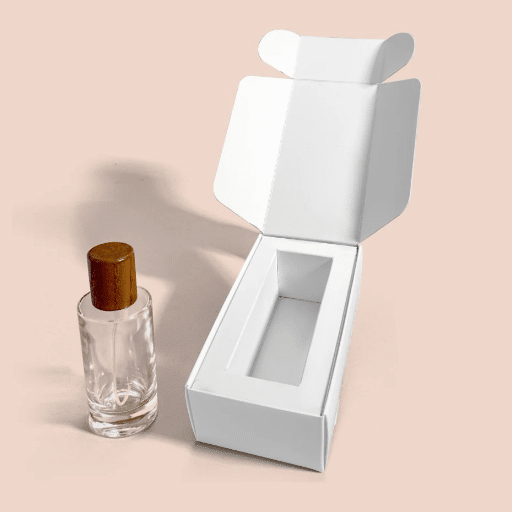
Perfume box design is the process of creating the secondary packaging that surrounds a fragrance bottle. It combines brand identity, color psychology, typography, structural engineering, and material finishing. The goal is to protect the product and shape the customer’s first physical impression.
Think of it this way: the bottle is the face of your fragrance, but the box is the handshake. It arrives before the scent is sampled. It sits on a vanity, gets photographed for social feeds, and often lives in a drawer long after the juice is gone. A strong perfume box design does three jobs at once. It protects glass during shipping, communicates brand value in a split-second glance, and creates an emotional unboxing moment that customers want to share. That is why packaging design matters for brand perception across every product category.
If you are also planning the full packaging system, our complete guide to custom perfume packaging covers bottles, caps, labels, and boxes as one cohesive unit.
The 5 Pillars of Perfume Packaging Design
Every memorable perfume box rests on five pillars. Skip one, and the design feels off even if the individual elements look beautiful.
Brand Story and Positioning
Your box should answer one question before the customer reads a word: who is this fragrance for? A niche oud house for Middle Eastern markets needs a different visual language than a clean-beauty startup targeting Gen Z. Write a one-sentence brand position before you choose a color. That sentence becomes your filter for every later decision.
Color Psychology and Scent Association
Color is the fastest way to signal scent family and mood. Research shows that 85% of consumer buying decisions depend on color preference, and in fragrance, color often stands in for smell before the bottle is even opened. We will explore this in depth in the next section.
Typography and Copy Hierarchy
A perfume box is a tiny billboard. The brand name and fragrance name must dominate. Concentration, volume, and regulatory copy sit lower in the hierarchy. If the customer cannot read the name from three feet away, the design has failed at retail.
Structural Format and Unboxing Sequence
The way a box opens is part of the story. A magnetic lid creates a reveal. A drawer box creates anticipation. A shoulder box feels architectural. Choose the structure that matches the emotional beat you want to hit.
Material and Finish as Tactile Language
Matte lamination whispers premium. Soft-touch coating invites a lingering hand. Embossing adds depth without noise. The material you choose is not just protection. It is punctuation for the brand story.
Perfume Box Design Trends 2026: Sustainability, Minimalism & Smart Packaging
The perfume packaging market is projected to grow from USD 3.96 billion in 2026 to USD 6.89 billion by 2034, according to Fortune Business Insights. That growth is pushing perfume box design in seven clear directions, many of which mirror broader packaging trends shaping 2026.
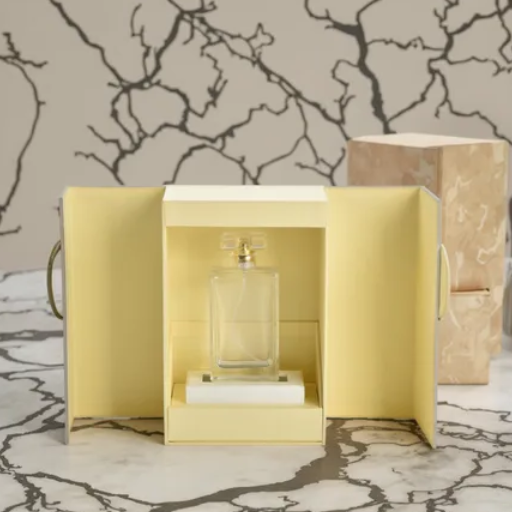
To see how leading brands are translating these trends into physical packaging, study the examples below and imagine how each one would photograph on a shelf or in an unboxing clip.
Sustainable by Design: Mono-Material, Right-Sized, Refill-Ready
Sustainability is no longer a badge. It is the baseline. Hale Path Packaging notes that 62% of consumers now favor sustainable packaging. In 2026, this means mono-material boxes that are easy to recycle, right-sized dimensions that reduce void fill, and refill-ready structures that separate a durable outer case from lighter refill sleeves.
Minimalist Luxury: Restraint as Premium
Heavy foil and busy patterns are giving way to generous negative space, single strong logos, and muted editorial palettes. JY Packaging reports that 62% of millennials prefer minimalist perfume packaging with a high-end feel. Restraint reads as confidence.
Tactile Finishes: Embossing, Debossing, Soft-Touch, Micro-Texture
When visual minimalism limits what you can print, texture takes over. Blind embossing, debossed patterns, soft-touch lamination, and micro-ribbing make a box feel expensive before it is opened. Tactile finishes also photograph beautifully in macro unboxing shots.
Smart Packaging: QR Codes, NFC, and Digital Product Passports
QR codes and NFC chips now turn a box into a doorway. Customers can verify authenticity, watch the perfumer’s story, access refill instructions, or unlock exclusive content. Smart packaging also helps brands comply with the EU Packaging and Packaging Waste Regulation, which entered force in February 2025 and applies across the EU from August 12, 2026.
Bold Structural Shapes: Drawers, Tubes, Pedestals, Book-Style Boxes
Standard rectangles are no longer the default. Drawer boxes, round tubes, pedestal displays, and book-style boxes are all perfume box design ideas that create silhouette recognition on crowded shelves. CustomBoxMakers highlights that creative structural choices help perfume packaging act as the “silent storyteller” of the brand.
Personalization and Limited Editions
Engraved names, custom color combinations, and numbered limited runs make customers feel like owners rather than buyers. Personalization is especially powerful for gift occasions and subscription discovery sets.
Cultural Storytelling and Regional Cues
Armani Privé’s Thé Yulong line uses Chinese tea-culture imagery to evoke an art-object feel. Moschino’s Toy fragrance leans into sculptural play. Regional cues help a global fragrance feel local, and local fragrances feel export-ready.
How to Choose Colors for Perfume Box Design
Color is not just decoration. It is a shortcut to emotion. The right palette tells the customer what to expect before they lift the lid. Here is how common colors function in perfume box design.
Black: Mystery, Evening, Intensity
Black signals depth, sophistication, and evening wear. It suits musk, woody, amber, and oud scents. Black also provides a dramatic stage for gold foil, silver embossing, or white typography.
Gold: Warmth, Opulence, Oriental and Gourmand
Gold conveys nostalgia, warmth, and luxury. It pairs naturally with oriental, gourmand, and spicy fragrance families. Our analysis of black, gold, and silver fragrance packaging found that metallic packaging drives a 25% higher purchase rate than traditional packaging.
Silver: Freshness, Modernity, Citrus, Aquatic, Unisex
Silver suggests clarity, coolness, and modernity. It works for citrus, aquatic, fruity, and unisex fragrances. Silver finishes also read as clean and tech-forward, which suits smart-packaging integrations.
White and Cream: Purity, Clean, Wellness, Bridal
White and cream palettes dominate wellness, clean beauty, and bridal fragrances. They signal simplicity, transparency, and softness. The risk is looking generic, so texture and typography become the differentiators.
Pastels and Botanical Tones: Soft, Natural, Feminine
Soft pinks, lavenders, sage greens, and botanical illustrations suit floral, green, and natural fragrance lines. These palettes feel approachable and often signal eco-conscious positioning.
Deep Jewel Tones: Luxury, Heritage, Middle East Appeal
Emerald, sapphire, ruby, and amethyst boxes communicate heritage, opulence, and regal positioning. They are especially effective in Middle Eastern and gift-driven markets where rich color signals value.
Typography and Copy Hierarchy on Perfume Boxes
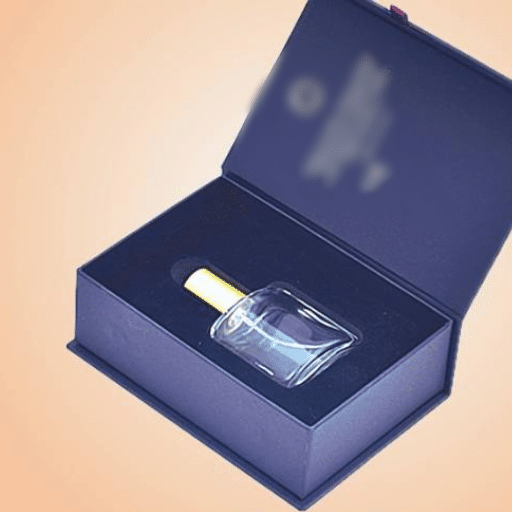
Typography is the voice of your perfume box design. A well-planned perfume packaging design system typically carries six layers of copy, and each needs a clear hierarchy.
Brand Name and Fragrance Name
These should be the largest and most legible elements. Choose a typeface that reflects brand personality, but never at the cost of readability. Script fonts can feel romantic, but they must remain crisp at small sizes.
Concentration and Volume
Terms like Eau de Parfum, Eau de Toilette, and Parfum, along with volume in milliliters, must be easy to find. This is both a customer expectation and a legal requirement in most markets.
Ingredient and Allergen Information
Ingredient lists are required in the EU, the U. S., and many other regions. Design your box layout to accommodate this copy without hiding it in a cluttered corner.
Regulatory Marks and Batch Codes
Recycling symbols, country of origin, batch codes, and safety warnings are not optional. Plan these early so they do not feel like afterthoughts slapped onto a finished design.
Designing for Bilingual or Multi-Market Labels
If you plan to sell in multiple markets, design for the longest language first. Arabic, French, and German often require more horizontal space than English. A layout that works for English may break for other languages.
Structural Formats: Matching Box Style to Brand Experience
The structure of your perfume box design determines how the customer physically meets your fragrance. Here is how to choose the right packaging structure for different brand experiences.
| Box Style | Best For | Design Feel | Typical MOQ Tier |
|---|---|---|---|
| Magnetic closure rigid box | Luxury launches, gifts | Premium, ceremonial | 500–1,000+ |
| Drawer / sleeve box | Gift sets, discovery kits | Playful, revealing | 500–1,000+ |
| Two-piece rigid / shoulder box | Heritage and niche houses | Architectural, formal | 1,000+ |
| Tuck-end folding carton | Mass market, travel sizes | Clean, efficient | 1,000–3,000+ |
| Round tube | Modern, unisex, natural | Minimalist, tactile | 1,000+ |
| Book-style box | Limited editions, Middle East | Luxurious, collectible | 1,000+ |
Magnetic Closure Rigid Boxes
A magnetic lid delivers a satisfying click and a sense of ceremony. It is the default choice for luxury perfume box design, premium fragrance launches, and high-end gift sets. The perceived value is high, but so is the unit cost and minimum order quantity.
Drawer and Sleeve Boxes
Drawer boxes create a two-stage reveal: the sleeve slides away, then the inner tray presents the bottle. This format is ideal for discovery sets, sample collections, and brands that want a strong unboxing narrative.
Two-Piece Rigid and Shoulder Boxes
These boxes feel architectural and formal. The lid lifts cleanly off a base or shoulder, making them popular for heritage brands and niche perfume houses that want a museum-quality presentation.
Tuck-End Folding Cartons
Folding cartons are the workhorse format for travel sizes, mass-market fragrances, and budget-conscious launches. They can still feel premium with the right paperboard, foil accents, and soft-touch coating.
Round Tubes and Specialty Shapes
Round tubes and custom shapes stand out on shelves and in social feeds. They require more tooling and higher minimums, but the differentiation can be worth it for direct-to-consumer brands.
Designing for the Unboxing Moment
Unboxing is the first handshake between your fragrance and your customer. A thoughtful perfume box design sequence turns opening a box into a memorable event.
Layered Reveal: Outer Sleeve, Inner Tray, Insert
Think in layers. The outer sleeve creates curiosity. The inner tray holds the product. The insert cradles the bottle. Each layer should reveal a little more of the story. A hidden story card under the insert can add a final surprise.
Insert Engineering: Foam, Velvet, Molded Pulp, Satin
The insert is where protection meets presentation. EVA foam and velvet feel luxurious and hold the bottle tightly. Molded pulp is the sustainable choice for eco-forward brands. Satin linings add softness but offer less protection during transit.
Ribbon Pulls, Hidden Pockets, and Story Cards
Small details create big emotions. A ribbon pull makes opening effortless. A hidden pocket can hold a sample or a note. A story card explains the scent inspiration and gives the customer language to share with friends.
Photogenic Design for Social and E-Commerce
About 30% of fragrance sales now happen online. That means your box must look compelling as a thumbnail, in an unboxing video, and on a bathroom shelf. High contrast, readable branding, and a clear silhouette help every format perform.
Sustainable Perfume Box Design: Beyond the Material
Sustainability in perfume box design is not only about choosing recycled paper. It is a set of sustainable packaging decisions that start at the concept stage.
Right-Sizing and Dimensional Weight
A box that is too large wastes material and increases shipping costs. Right-sizing reduces void fill, lowers dimensional weight charges, and sends a signal that the brand does not over-package.
Mono-Material Construction
Mixed materials are harder to recycle. A mono-material box, where the outer wrap, board, and insert are all paper-based, simplifies recycling and aligns with EU PPWR requirements.
Water-Based Inks and Low-Impact Coatings
Solvent-based inks and heavy laminates can interfere with recyclability. Water-based inks, aqueous coatings, and soft-touch films that are compatible with paper recycling are better choices.
FSC-Certified and Recycled Board
FSC certification and recycled content are increasingly expected by retailers and customers. They also provide credible claims that avoid greenwashing risk.
Refill-Ready Two-Tier Structures
Refillable packaging adoption rose 31% between 2022 and 2023, and refillable systems can cut packaging waste by more than 40%, according to Hale Path Packaging. Designing a durable outer case with a lighter refill sleeve is a forward-looking sustainable perfume box design choice for 2026 and beyond.
Avoiding Greenwashing in Design Claims
Only make sustainability claims you can verify. Vague terms like “green” or “eco-friendly” can backfire. Specific claims like “FSC-certified 1200 gsm rigid board” or “100% recyclable mono-material construction” are stronger and safer.
Designing for Retail vs. E-Commerce
A perfume box design that wins in a boutique may struggle in a shipping carton. Each channel demands a different design priority, so fragrance brands should also understand custom packaging for e-commerce.
Shelf Presence: Color Blocking and Silhouette
In retail, your box competes for attention from three feet away. Bold color blocking, a distinctive silhouette, and large readable branding matter more than fine details.
Thumbnail Appeal: Contrast and Readable Brand Name
Online, the box may appear as a small image on a screen. High contrast, a clean background, and legible typography win clicks. Avoid subtle textures that disappear at thumbnail size.
Transit Durability Without Sacrificing Aesthetics
E-commerce packaging must survive drops, vibration, and humidity. A beautiful rigid box with no structural testing can arrive dented. Plan for a snug insert, adequate board strength, and outer shipper protection.
DTC Unboxing vs. Retail Gifting
Direct-to-consumer brands can invest in a layered unboxing experience because they control the delivery. Retail boxes must survive shelf handling while still feeling gift-worthy at the register.
From Concept to Production: A Perfume Box Design Workflow
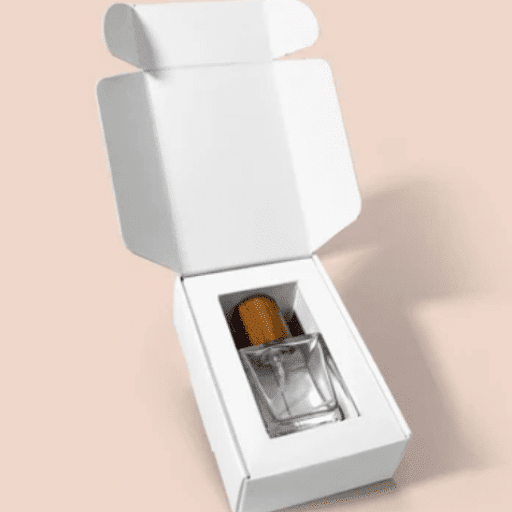
A clear workflow keeps creativity from turning into chaos. Here is the process we recommend to fragrance brands.
Step 1: Define Brand Strategy and Customer Persona
Start with the customer, not the aesthetic. Who are they? What occasion are they buying for? What feeling should the box create? Write the answers before you open a design program.
Step 2: Audit Competitors and Identify Visual Gaps
Study ten competitors in your price tier. Note their colors, structures, and finishes. Then decide where you want to fit in and where you want to stand out.
Step 3: Sketch Concepts and Mood Boards
Sketch rough ideas by hand. Combine them into mood boards with color swatches, material samples, and reference photography. Mood boards align teams faster than words alone.
Step 4: Create Technical Drawings and Die-Lines
A beautiful sketch means nothing if it cannot fold. Work with a packaging engineer or manufacturer to create die-lines that include bleed, safe zones, fold lines, and glue flaps. This is where many DIY designs fail.
Step 5: Choose Materials, Finishes, and Inserts
Match materials and finishes to your brand tier and budget. A mass-market folding carton will use different specs than a luxury rigid box. Choose the insert based on bottle weight and shipping method.
Step 6: Build Prototypes and Physical Samples
Digital mockups lie. Physical samples reveal how the box feels in hand, how the lid closes, and how the insert holds the bottle. Order prototypes before committing to tooling.
Step 7: Refine for Manufacturing and Place Order
Use sample feedback to refine the design. Confirm MOQs, lead times, and quality control checkpoints with your manufacturer. Then lock the artwork and move into production.
Want help moving from sketch to sample? Our custom perfume packaging team can review your design files and recommend materials, finishes, and MOQs that fit your budget.
8 Common Mistakes in Perfume Packaging Design
Even experienced brands make these errors. Avoiding them saves time, money, and damaged reputation.
Copying Trends Without a Brand System
A trend only works if it fits your brand. A minimalist box for a maximalist fragrance confuses the customer. Start with strategy, then borrow from trends.
Designing for the Bottle, Not the Box
The bottle and box must feel like one idea. If the bottle is ornate and the box is plain, the experience feels disjointed. Design them together.
Ignoring Regulatory Text Requirements
Waiting until the end to add ingredients, volume, and warnings usually ruins a layout. Plan regulatory copy from the first draft.
Over-Decorating and Losing Visual Hierarchy
Every element cannot be the hero. Choose one focal point, usually the brand or fragrance name, and let everything else support it.
Choosing Style Over Shipping Durability
A box that looks stunning in the studio but arrives crushed is a failed design. Test for transit before finalizing artwork.
Mismatched Color Across Bottle and Box
Color consistency between bottle, cap, and box requires careful proofing. A gold cap and a gold foil that do not match can make the whole product look cheap.
Poor Insert Fit or No Insert Planning
A loose bottle breaks. A tight bottle is hard to remove. The insert needs exact dimensions and the right material for the bottle weight.
Forgetting the Digital Touchpoint Layer
In 2026, a box without a QR code or NFC touchpoint is a missed opportunity. Digital layers add value without adding material cost.
Perfume Box Design Brief Checklist
Use this checklist to brief any manufacturer. The more detail you provide, the fewer rounds of revision you will need.
- Brand story and target market
- Bottle dimensions, weight, and material
- Desired box style and outer dimensions
- Color palette and reference images
- Typography and copy requirements
- Finishes such as foil stamping, embossing, spot UV, or lamination
- Insert type and material
- Sustainability requirements and certifications
- Order quantity and budget range
- Timeline and sample requirements
When James, a private-label fragrance founder, sent his manufacturer a one-page mood board and a vague request for “luxury,” he received a quote for a box that cost more than his fragrance. After using a structured brief, he cut three revision rounds and found a rigid drawer box that fit his brand and his margin. A good brief is the difference between guessing and getting it right.
Conclusion
Perfume box design sits at the intersection of art, strategy, and manufacturing. The best boxes do not just look beautiful. They protect the bottle, express the brand, and create an unboxing moment that customers remember and share.
In 2026, the brands that win will be the ones that design with purpose. They will choose sustainable materials without sacrificing luxury. They will match color to scent identity. They will build structures that feel ceremonial in person and photogenic online. And they will brief manufacturers with the precision that turns ideas into products.
If you are ready to design a perfume box that does all three jobs, start with the checklist above. Then reach out to Fuzhou Longlu Packaging Co., Ltd. for custom perfume box design support, a free design consultation, or a physical sample. We help fragrance brands turn concepts into production-ready packaging that looks as good on a shelf as it does in an unboxing video.
Ready to bring your perfume box design to life? Contact our team for a free quote, design review, or sample request.
Frequently Asked Questions About Perfume Box Design
What are the top perfume box design trends for 2026?
The top trends are sustainable mono-material construction, minimalist luxury, tactile finishes like embossing and soft-touch lamination, smart packaging with QR codes and NFC, bold structural shapes, personalized limited editions, and cultural storytelling that connects the fragrance to a specific place or heritage.
What makes perfume packaging look luxurious?
Luxury perfume packaging relies on thick rigid board, high-end structural styles such as magnetic closures or drawer boxes, refined finishes like foil stamping and embossing, and confident restraint. A single strong logo or typographic mark usually feels more expensive than cluttered decoration.
How important is sustainability in perfume box design?
Very important. About 62% of consumers now favor sustainable packaging, and the EU Packaging and Packaging Waste Regulation applies across member states from August 2026. Brands are switching to FSC-certified board, recyclable inserts, mono-material builds, and refill-ready two-tier structures.
What box styles work best for luxury fragrances?
Magnetic-closure rigid boxes, sleeve boxes, slide-out drawer boxes, shoulder-neck boxes, and book-style boxes all signal premium positioning. The best choice depends on brand identity, gift-giving expectations, and whether the box needs to survive e-commerce shipping.
How much does custom perfume box design cost?
Costs vary by material, structure, finishes, and order volume. A simple folding carton might start near 1–3perunitatvolume,whilearigidmagneticboxwithvelvetinsertandfoilstampingcanrangefrom1–3perunitatvolume,whilearigidmagneticboxwithvelvetinsertandfoilstampingcanrangefrom4–12 per unit. Tooling, dies, and samples add upfront costs.
What should I ask a perfume box manufacturer before production?
Ask about minimum order quantities, sample lead times, material certifications, sustainability options, structural testing for shipping, and quality control checkpoints. Also request physical prototypes before committing to full production, especially for rigid or specialty-shaped boxes.
What are common perfume box design mistakes?
Common mistakes include copying trends without a brand system, designing for the bottle while ignoring the box, overlooking regulatory copy requirements, over-decorating and losing visual hierarchy, choosing style over shipping durability, and failing to plan the insert fit before production.