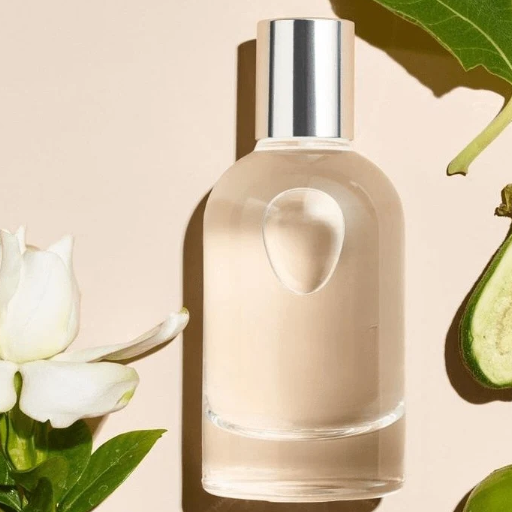
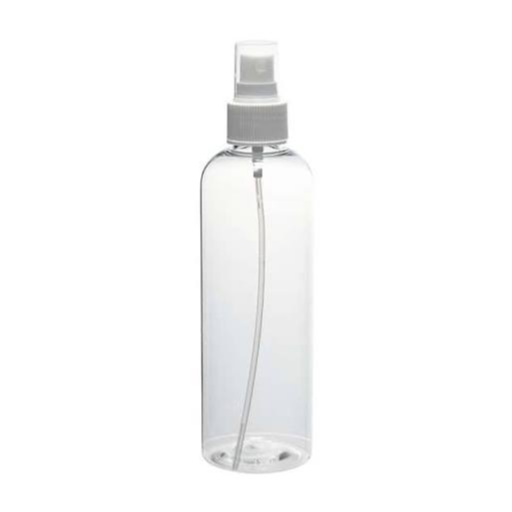
A fine mist spray bottle is a container fitted with a pump that atomizes liquid into droplets between roughly 20 and 80 microns, far finer than the 150-micron-plus spray a standard trigger bottle produces. If you are sourcing packaging for a cosmetic, fragrance, or personal-care brand, the pump, not the bottle, is the part that actually determines how premium your product feels.
Here is the part most buyers miss. Last spring, a skincare founder we worked with, call her Amara, spent months perfecting a rose-water facial toner. The formula was clean, the label beautiful, the frosted PET bottle elegant. Then the first customer reviews came back. “Lovely toner, but it squirts.” The culprit was not the product. It was a generic sprayer whose droplets ran down the face instead of settling into a fine cloud. Amara had spec’d the bottle and skipped the pump.
You probably already know the bottle matters. What you may not realize is how much of the cost and quality sits inside that small, overlooked mechanism on top of it. This guide will walk you through every spec you need to source a fine mist spray bottle correctly, from droplet size and neck finish to materials, MOQs, and customization, so your next order feels as good as it looks.
Key Takeaways
- A fine mist means droplets of about 20 to 80 microns; a regular trigger spray produces 150 to 400 microns.
- The pump determines the mist, so specify output (0.06 to 0.14 ml per stroke), droplet size, and neck finish together, not separately.
- PET is the workhorse bottle resin; HDPE is flexible and chemical-tolerant; glass reads luxury for fragrance.
- Wholesale MOQs typically run 5,000 to 10,000 units, with lead times of roughly 15 to 35 days depending on customization.
- A refillable, no-propellant continuous mist bottle is a credible, increasingly demanded alternative to aerosols.
What Is a Fine Mist Spray Bottle?
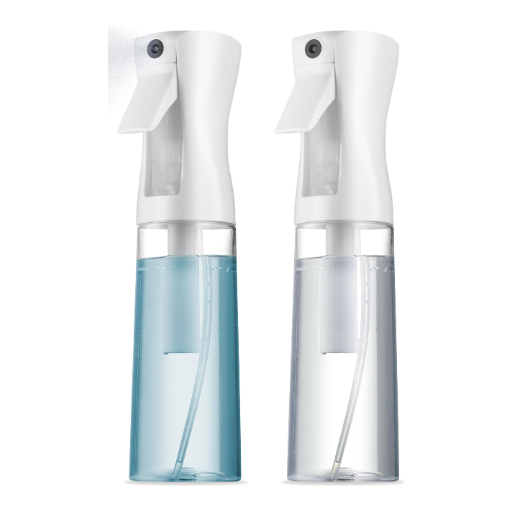
A fine mist spray bottle uses a precision pump and a small nozzle orifice, typically 0.25 to 0.45 mm, to break liquid into a uniform cloud of tiny droplets. Unlike a trigger sprayer, which delivers a wet, uneven burst, a fine mist settles evenly over a surface without drips or oversaturated spots.
The defining measurement is droplet size. Fine mist droplets fall in the 20 to 80 micron range. By comparison, a standard or trigger sprayer produces droplets of 150 microns and above, and a lotion pump delivers a stream rather than a mist at all. That difference is why a facial toner feels weightless while a household cleaner feels like a spray.
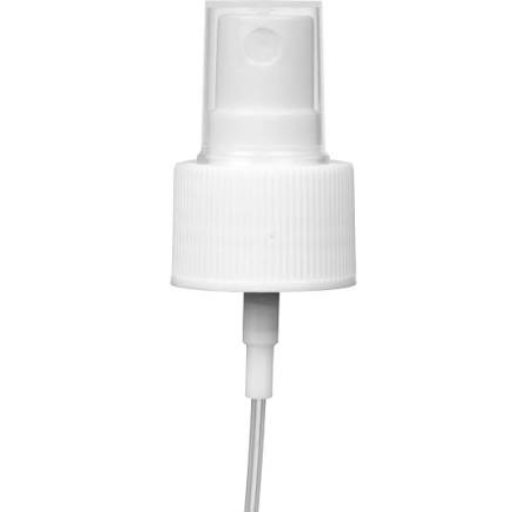
The engineering that makes this happen is a swirl chamber inside the pump. When you press down, liquid is forced through a small chamber that spins it into a vortex before it exits the nozzle. That spin is what breaks the stream into a fine, even mist.
Fine Mist vs. Regular Spray: What Is the Difference?
The quickest way to understand the category is to compare the three main spray formats side by side.
| Feature | Fine mist | Standard trigger spray | Continuous mist |
|---|---|---|---|
| Droplet size | 20 to 80 microns | 150 to 400 microns | 20 to 80 microns |
| Output | 0.06 to 0.14 ml per stroke | 0.5 to 1.5 ml per stroke | About 1.25 ml per second |
| Coverage | Even, no drips | Uneven, can oversaturate | Even, sustained |
| Mechanism | One burst per press | One burst per trigger | Sprays 1.2 to 4 seconds per press |
| Angle | Upright | Upright | Often 360 degrees, including upside down |
| Best for | Toner, perfume, hair refresh | Cleaning, garden, detailing | Hair, plants, salon use |
The key distinction for a brand buyer is consistency. A fine mist pump meters a small, repeatable dose with every press, which matters when your product is expensive and applied in small amounts. A continuous mist bottle adds a pre-compression mechanism so a single press keeps spraying for one to four seconds, working at any angle. For a broader look at the different types of spray bottles, this breakdown from HCC Packaging maps each format to its ideal use.
For most cosmetic and fragrance applications, a fine mist or continuous mist is the right call. Trigger sprayers are better suited to cleaning products and large-area jobs where a heavier dose is welcome.
How a Fine Mist Sprayer Works
The pump is a small assembly with four working parts: the housing and piston, the swirl chamber, the nozzle or actuator, and the dip tube that draws liquid up from the bottle. Understanding these helps you spec correctly.
The Four-Stage Atomization Process
When you press the actuator, the pump moves through four stages. First, suction draws liquid up the dip tube as the piston rises. Next, compression builds pressure in the chamber. Then the liquid is forced through the swirl chamber, which spins it into a vortex. Finally, the spinning liquid exits the nozzle and breaks into fine droplets.
That swirl chamber is the detail that separates a true fine mist from a cheap sprayer. Without it, the liquid exits as a stream and never achieves the fine droplet size you are paying for. For a thorough technical reference on pump anatomy and neck finishes, the Haojie fine mist spray bottle guide is worth bookmarking.
Continuous vs. Standard Pumps
A standard fine mist pump delivers one burst per press. A continuous mist pump, sometimes called a pre-compression pump, stores pressure so a single press releases a sustained spray lasting 1.2 to 4 seconds. Continuous mist bottles often spray at 360 degrees, meaning they work upside down, a feature stylists value when misting curls from below.
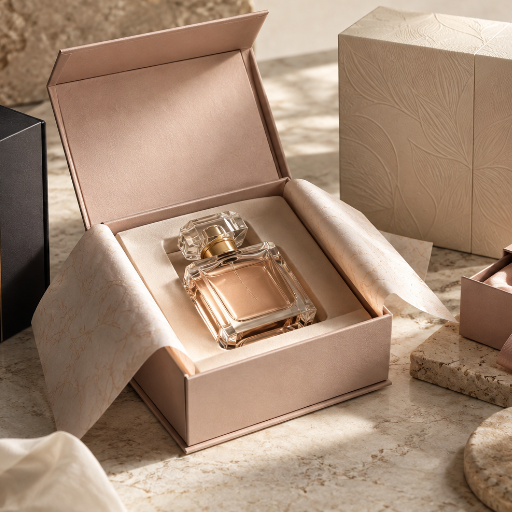
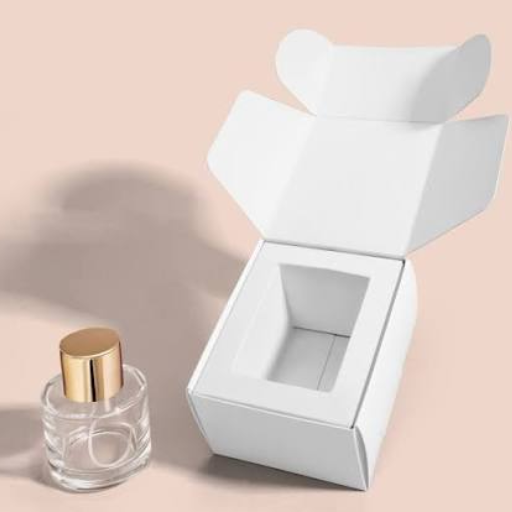
Want to see how a matched pump and bottle come together? Browse our custom perfume packaging guide to understand how the sprayer, bottle, cap, and box work as one system.
Fine Mist Spray Bottle Sizes and Applications
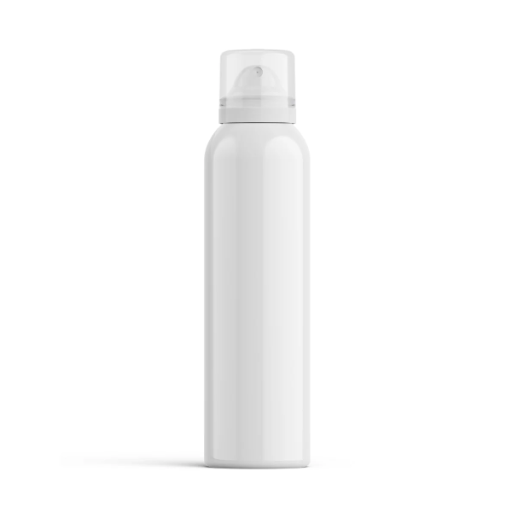
Choosing the right size depends on the product and how it is applied. Here is how the category breaks down by use case.
Perfume and Fragrance
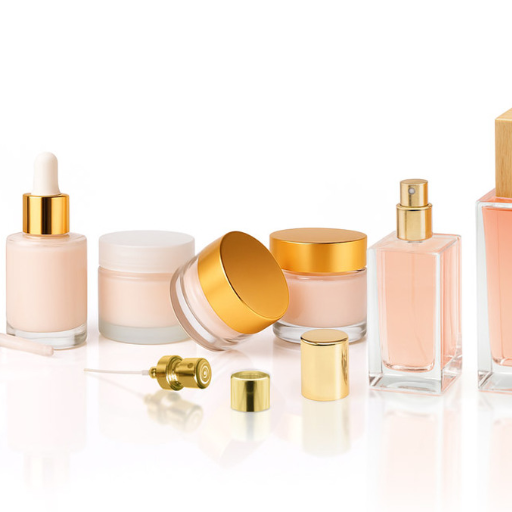
Fragrance calls for small, precise bottles. Sample vials run 2 to 15 ml, while full-size parfum and eau de toilette sit between 15 and 30 ml in glass. Perfume atomizers use fine nozzles around 0.25 mm to produce a delicate 50 to 80 micron cloud, and they are usually crimp or screw pumps paired with glass for the premium weight and clarity the category expects.
Skincare and Facial Toner
Facial mists and toners live in 30 to 100 ml bottles, usually PET or PETG. The fine mist is essential here because a large droplet can streak makeup or drip off the face. Buyers should prioritize a consistent 0.12 to 0.2 ml output per stroke so a single press delivers just enough product without waste.
Hair and Home Care
Hair refreshers, leave-in treatments, and salon misting bottles run 100 to 300 ml. Continuous mist pumps are the popular choice in this range because stylists want a sustained, even mist that coats curls without drenching them. The 360-degree spray is a genuine advantage when misting the back of the head.
Travel and TSA Sizes
Travel sizes cluster around 30, 60, and 100 ml, with 100 ml (3.4 oz) the standard TSA-approved carry-on limit. These bottles lean on leak-proof seals, screw necks with silicone gaskets, and refillable designs, since travelers reuse them across trips.
Choosing the Right Sprayer Pump: The Specs That Matter
This is the section where orders go right or wrong. Specify these three variables together, and confirm them with a physical sample before committing to production.
Output and Droplet Size
Output per stroke for a fine mist pump typically runs 0.06 to 0.14 ml. Precision pumps are often specified at 0.2 ml with a tolerance of plus or minus 0.03 ml, meaning the dose stays consistent across thousands of presses. Droplet size should fall between 20 and 80 microns for a true fine mist, a range confirmed in Youlanda Packaging’s fine mist sprayer buying guide. If your product is thin, like a water-based toner, a finer droplet is achievable. Thicker formulas will drift toward the coarser end of that range.
Neck Finish and Nozzle Orifice
The neck finish is the threading where the pump meets the bottle, expressed as a diameter and thread height, such as 18/410 or 20/410. This is the single most common sourcing mistake. A pump and bottle must share the same neck finish or they will not fit. Common finishes for fine mist include 18/410, 20/410, and 24/410, with 18/415 used on some all-plastic pumps. Nozzle orifice diameters of 0.25 to 0.45 mm control the spray pattern, with smaller orifices producing finer droplets.
Formula Compatibility
Not every liquid works in a fine mist pump. Viscosity is the main constraint. Fine mist pumps handle liquids up to roughly 5 to 8 centipoise. Water is about 1 cP, perfume 1.5 to 2.5 cP, and toner 1 to 3 cP, all well within range. Above about 10 cP, you need a lotion pump instead. Alcohol and essential oils require a pump with compatible seals and, for higher ethanol concentrations, testing to confirm the materials will not degrade or swell.
Materials for Fine Mist Spray Bottles
Material selection affects both the look and the durability of your product.
Bottle Materials
PET and PETG are the standard choices for cosmetic and skincare sprays. They are clear, lightweight, and recyclable. HDPE is softer and more tolerant of certain chemicals, often used for larger or utility-style bottles. PP offers good clarity at a lower cost for budget lines. Glass is the premium option for fragrance and high-end skincare, delivering weight, clarity, and a sense of luxury that plastic cannot match.
Pump Materials
Pumps come in two families. All-plastic pumps use PP and POM bodies, which suit water-based, saline, and low-pH formulas. Aluminum pumps, typically anodized, add a metallic premium look and hold up to short-term alcohol contact, but they should be tested against formulas above 70% ethanol. The spring and ball inside may be stainless steel, which matters if your formula is chloride-rich or corrosive.
When in doubt, tell your supplier the exact formula, including alcohol percentage and any essential oils. Compatibility is easier to solve before production than after a failed soak test.
Ready to lock in the right materials for your formula? Request a free wholesale quote and our team will match a bottle and pump to your specific liquid.
Custom and Wholesale Fine Mist Spray Bottles
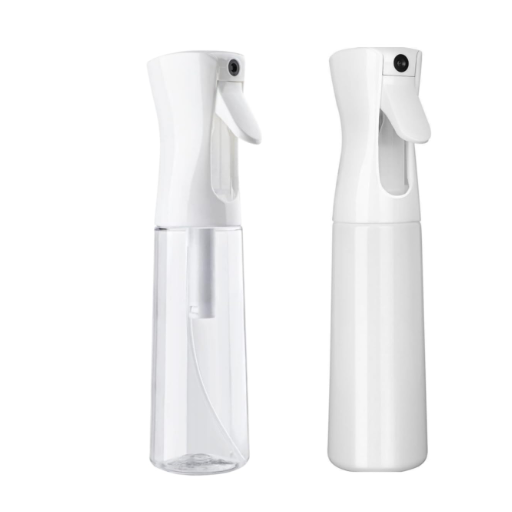
Buying at wholesale gives you control over more than just price. Here is what the procurement side actually looks like.
Customization Options
Customization transforms an off-the-shelf bottle into a branded product. Common options include molded color, custom actuator shapes, silk-screen printing, hot stamping, frosting, and matte or gloss finishes. For fragrance, anodized metallic finishes like gold, rose gold, or matte black add a premium signal at the point of purchase.
MOQ, Pricing, and Lead Times
Wholesale minimum order quantities for fine mist spray bottles typically run 5,000 to 10,000 units. Some suppliers offer lower MOQs of 100 to 1,000 for samples or light customization, though the unit price rises sharply at those volumes. Demand is healthy: the term “fine mist spray bottles” draws roughly 17,600 monthly searches on Amazon US alone, with the top 50 listings moving about 413,000 units a month, according to ASINsight’s fine mist spray bottle market report. Lead times generally fall between 15 and 35 days, with decoration and custom colors extending the timeline. Unit cost is driven by material, decoration, and volume, so a plain PET bottle at 10,000 units costs far less per piece than a frosted, hot-stamped glass atomizer at 1,000.
Private Label and OEM/ODM
For brands that want a unique product, the process moves from spec to sample to mass production. You provide the size, material, neck finish, output, and decoration requirements. The manufacturer produces a pre-production sample for approval. Once signed off, production runs and ships, often through a port like Ningbo, Guangzhou, or Shenzhen for China-based manufacturing.
Think of Priya, a fragrance label founder who came to us with a 15 ml sample-vial program. She had a beautiful formula and a tight launch date. By specifying an 18/410 aluminum pump with a 0.25 mm orifice and a 15 ml crimp vial, she got a fine, even atomization that made her samples feel like a full-size bottle. That single spec decision lifted her sample-to-purchase conversion.
Sustainable Fine Mist Spray Bottles
Sustainability is no longer a nice-to-have, and spray packaging is a good place to make gains. A refillable fine mist bottle, made from recyclable PET or post-consumer recycled resin, replaces single-use packaging. A no-propellant continuous mist bottle removes the butane or propane found in traditional aerosols, which is a meaningful environmental and safety improvement.
Our sustainable packaging guide explains how recyclable and refillable materials fit into a broader packaging strategy.
Quality Control: How to Verify a Fine Mist Sprayer
Before you accept a shipment, run these five checks, or ask your supplier for the results.
- Stroke consistency. Output should stay within about 10% across repeated presses. Over 15% variation means the dose, and the customer experience, will be inconsistent.
- Leak test. A 72-hour test at room temperature and 40 degrees Celsius catches slow leaks that would show up in transit.
- Priming count. A good pump primes in 2 to 5 strokes. More than that frustrates the end user on first use.
- Drop test. A 1-meter drop confirms the pump and bottle survive handling without breaking or loosening.
- Compatibility soak. A 72-hour soak in your actual formula confirms the materials will not swell, corrode, or degrade.
For larger orders, add an AQL sampling plan so acceptance is based on a statistical sample rather than a visual once-over. This is the layer many suppliers omit, and it is where a careful buyer protects their margins.
Conclusion
The bottle holds your product, but the sprayer decides how it feels. A fine mist spray bottle is defined by droplets of 20 to 80 microns, produced by a pump whose swirl chamber, output rate, and neck finish you must specify together. Choose PET or glass for the bottle, match the pump material to your formula, and confirm everything with a physical sample before production.
Mike, a home-care brand owner, learned this the satisfying way. He swapped a cheap trigger sprayer for a continuous mist pump on his leave-in conditioner and saw a jump in repeat purchases from customers who loved the even, weightless application. The packaging change cost pennies per unit and paid for itself in loyalty.
Here is your next step. Review the specs above, decide on your size, material, and neck finish, and test a sample against your actual formula. Then reach out for a quote. Whether you are launching a facial mist, a fragrance sample program, or a refillable continuous mist line, request a free wholesale quote and our team will help you spec a fine mist spray bottle that makes your product feel as good as it works.