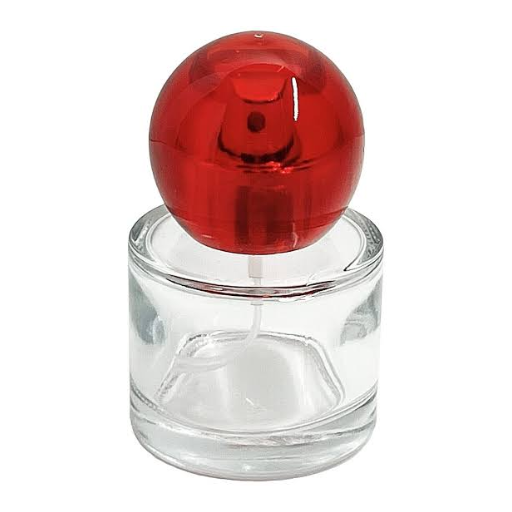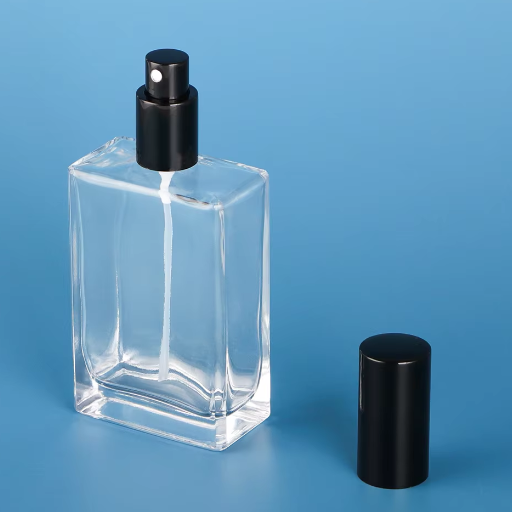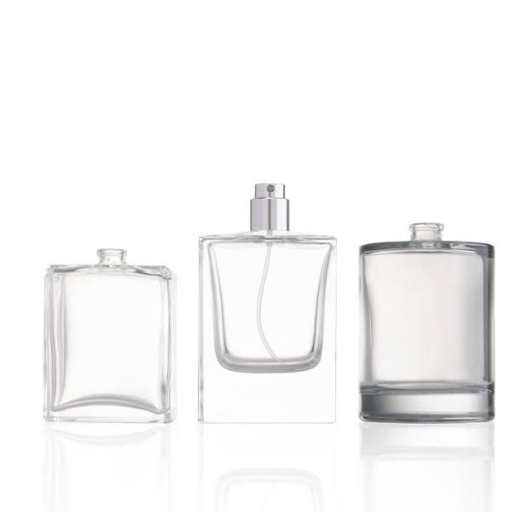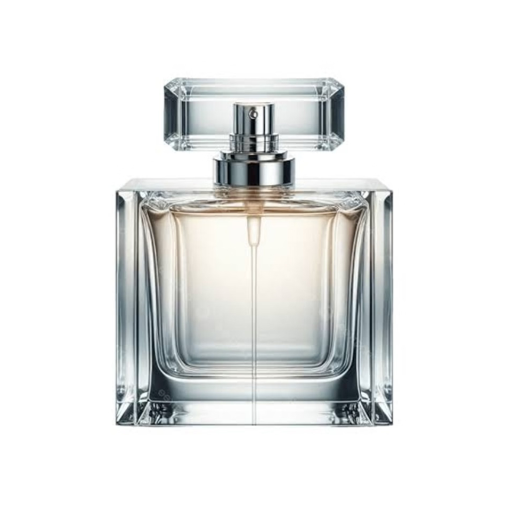
To choose a perfume bottle supplier, check four things in this order: that the legal entity actually manufactures the bottle, that it controls the neck finish your pump requires, that it can produce a signed sample and an agreed AQL standard, and that mould ownership and reject liability are in writing. Price is the last thing you compare, not the first.
That order is not arbitrary. It follows the sequence in which money becomes unrecoverable. A price you agreed too early can be renegotiated. A neck finish you ordered too early cannot.
If you have compared five quotes on unit price alone, you already know the cheapest number rarely decides the outcome. What decides it is whether the bottle and the closure were ever designed to meet.
This guide answers how to choose a perfume bottle supplier with a method we would want a buyer to use on us: four checks, a scorecard you can copy, and the red flags that should end a conversation.
Key Takeaways
- Vet in this order: entity, interface, evidence, contract. Unit price comes last because it is the only variable you can still change later.
- The neck finish, usually FEA15 on a crimp bottle or 15/415 and 18/415 on a screw bottle, is fixed the moment glass is ordered. It locks the pump, collar and cap.
- A quality certificate proves a management system was audited on a date. It does not prove your bottle will measure within tolerance.
- Ask for a pre-production sample, a signed golden sample and a limit sample before the deposit, and test the assembly rather than the parts.
- No mould is yours until ownership is written into the order, and no change to a mould, pump supplier or decoration sub-contractor should happen without a new approved sample.
The Short Answer: Four Checks, in This Order
- Entity. Confirm the company that quotes you is the company that makes the bottle, and that the name matches the licence, the invoice and the bank account.
- Interface. Confirm it controls the neck finish and can supply or match the pump, collar and cap that go on it.
- Evidence. Get a pre-production sample, a signed golden sample, a limit sample and an agreed AQL standard before any deposit.
- Contract. Put mould ownership, change control and reject liability in writing before tooling is paid.
Each check answers a different question: who you are dealing with, whether they control the part that fails, what they have shown you, and who pays when it goes wrong. The rest of this article takes them one at a time.
Step 1: Entity, or Is This the Company That Makes the Bottle?
Most sourcing failures start here, and they start quietly. The website is polished, the catalogue is broad, the quote arrives fast. None of that tells you whether the entity on the invoice owns a furnace.
When you’re working out how to choose a perfume bottle supplier, the practical question isn’t “factory or trader”. It’s which of the two you’re actually buying from, because the two carry different costs and different risks.
The five-minute paper test
Ask for the business licence and read the registered scope, not the logo. In China, a manufacturer’s scope uses terms such as 生产 (production), 制造 (manufacture) or 加工 (processing). A trading company’s scope typically shows 销售 (sales), 批发 (wholesale) or 进出口 (import and export) with no production wording.
Then run three consistency checks:
- The name test. The legal name should match across the quotation, the proforma invoice, the bank beneficiary and the export documents. A mismatch is not a clerical detail. It is the most common shape of invoice fraud in cross-border sourcing.
- The address test. Put the stated production address into a satellite view. An office tower with no yard, no loading bay and no storage is an answer.
- The capability test. Ask a technical question that only someone running the line can answer, such as what neck tolerance they hold on a 15 mm finish, or how long their annealing cycle runs.
The three-consistency method is set out clearly by sourcing intermediaries: legal entity, export record under HS 7010 for glass containers, and demonstrated production capability. See China-Agent’s verification guide and Agence Octo’s 2026 sourcing analysis.
When a trading company is the right answer
A trader is not a defect. A good one consolidates bottles, pumps, collars, caps and boxes into one shipment, carries lower minimums on mixed sets, and handles paperwork you do not want to learn.
If you are launching with 500 pieces across three components, a competent trader may serve you better than a factory that wants 5,000 of one part. What you should never accept is a trader presenting as a manufacturer, because the price is then unrelated to the cost of the goods.
We manufacture in Fuzhou, and you can see what that means here. How a bottle is actually made is covered in our guide to .
Step 2: Interface, or Can They Control the Neck Finish and the Closure?
This is the step buyers skip, and it is the one that destroys production runs.
The bottle is not the product. The product is the bottle plus its neck finish plus the pump plus the collar plus the cap, assembled and leak-tested. If those parts are bought separately and never checked together, the interface is nobody’s responsibility.
The three finishes that matter in fragrance
| Finish | Type | How it fills |
|---|---|---|
| FEA15 | 15 mm crimp neck | Factory crimping machine, not hand-fillable |
| 15/415 | 15 mm screw neck | Hand-fillable, refillable |
| 18/415 | 18 mm screw neck | Hand-fillable, refillable, larger bore |
Crimp necks give the better seal and the more reliable spray performance. They also require a crimping tool and they are not refillable by the customer. Screw necks are hand-fillable and refillable, and they trade some seal integrity for that convenience.
One clarification worth stating plainly, because it is repeated wrongly across the web: 24/410 and 28/400 are not perfume standards. Those are lotion, soap and household closure sizes. Fragrance packaging lives on FEA15, 15/415 and 18/415. If a supplier quotes you a 24/410 neck for an eau de parfum, that is worth a question.
Our reference page on covers the notation in full. For the dispensing side, the and the explain what has to match on the other side of the joint.
What to ask before you commit
Ask for a drawing, not a photo. It should state capacity, weight, dimensions, neck finish and the tolerance on the sealing surface. Then ask the supplier to confirm, in writing, which pump, collar and cap it will fit.
If you source the closure elsewhere, send the drawing to that supplier and get written confirmation of compatibility before either order is placed. This is the single highest-value email in the process.
Step 3: Evidence, or What a Sample Proves and What It Does Not
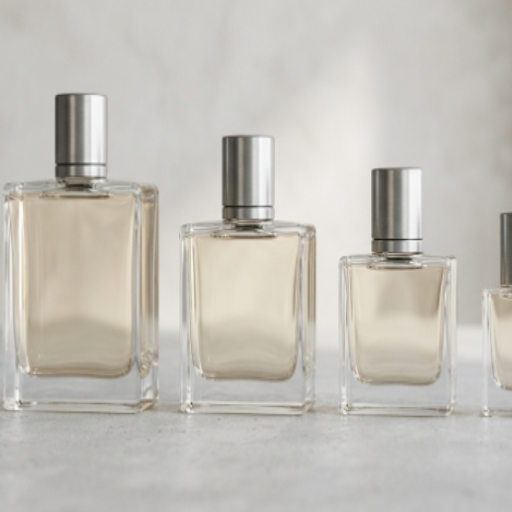
A sample is the only claim a supplier makes that you can test. Treat it as evidence in a case, with three distinct stages.
Pre-production, golden and limit samples
A pre-production sample shows what the supplier can produce when it is paying attention. A golden sample is the one both parties sign and date, and it becomes the reference for the whole run. A limit sample defines the edge of acceptable variation, so a slightly out-of-spec bottle has a documented place to sit rather than an argument.
Most disputes are not about a bottle being wrong. They are about nobody having written down what right looked like.
Test the assembly, not the parts
Fill and actuate the sample the way your customer will. A practical standard is at least 50 actuations on a filled unit, checking for leaks at the crimp or thread, consistent dose, and a spray pattern that does not spit or stream.
Test with your formula, not water. Alcohol concentration, oil content and viscosity all affect seal compatibility and dip tube performance, and samples tested with water have a habit of passing in the lab and failing in the market.
The document set, and what each one does not prove
Ask for the business licence, the export licence if you are buying across a border, and any quality or material certificate the supplier holds in its own legal name. A useful audit checklist for the wider document set is published by Shijin Packaging.
Here is the part nobody selling you a bottle will volunteer. A certificate is evidence about a system, not about your order. It tells you an auditor reviewed a management system on a date. It doesn’t tell you the neck on your bottle measured in tolerance, that the glass was annealed properly, or that the decoration on your cap will survive a shipping carton.
Use certificates to judge whether a supplier is organised. Use samples and inspection reports to judge whether your product is right.
Agree the quality standard before the deposit
Ask which sampling standard applies. The common baseline in this industry is ISO 2859-1, general inspection level II, with defect classes agreed separately. A typical fragrance arrangement is critical defects at zero, major defects at 1.0 to 2.5, and minor defects around 4.0.
Those numbers are a starting point, not a universal truth. What matters is that yours are written into the order before production, not negotiated after a container lands.
Step 4: Contract, or Who Owns the Mould and Who Pays for a Reject
Everything before this step is reversible. This step is not.
Mould ownership and change control
If you pay for tooling, you are buying an asset. Confirm in writing who owns it, whether it can be moved, and what happens to it if the relationship ends. Ask for this before the tooling invoice, not after.
Then agree change control. Any switch of glass source, mould, production line, pump supplier, coating or decoration sub-contractor should require your written approval and a new approved sample. Without that clause, a supplier can improve its margin mid-order and you inherit the difference.
Reject liability
Decide in advance who pays for what when a batch fails: the cost of the goods, the freight on a return, the rework, and the lead time lost while it is fixed. A supplier who will not discuss this before the order is telling you how the conversation will go afterwards.
Payment terms and the bank-name test
Thirty percent deposit and seventy percent before shipment is the common structure in this market. Anything unusual deserves a question, and one hundred percent upfront is not a normal request.
Verify bank details through a second channel, a phone call or a video call, never by email alone. If the beneficiary name does not match the entity that quoted you, stop. Invoice fraud in cross-border sourcing is common enough that this check belongs in every order, not just the first.
Our own production lead time is 4 to 6 weeks, and it should appear in your order as a date, not an estimate. Published supplier guides in this category quote stock samples at 7 to 15 days and tooled samples at several weeks, which fits inside that window.
The Scorecard: Rate Five Suppliers on One Page
Copy this. Score each supplier out of the weight shown, and compare the totals. A supplier that scores well on price and poorly on contract is a supplier that will cost you more.
| Criterion | Weight | What earns full marks | What scores zero |
|---|---|---|---|
| Entity | 30 | Licence scope shows production; name matches invoice and bank; live video of the line | Name mismatch, trade-only scope, refuses a video |
| Interface | 25 | Controls neck finish; supplies or matches pump, collar and cap; gives a drawing with tolerances | Cannot name the finish; no drawing; pumps sourced elsewhere with no written compatibility check |
| Evidence | 25 | Pre-production, golden and limit samples; AQL agreed in writing; test report available | Photos instead of samples; no AQL; certificate only |
| Contract | 20 | Mould ownership, change control and reject liability in writing; terms agreed before deposit | Mould ownership deferred; 100% upfront; bank details changeable by email |
A useful discipline: score the four criteria before you open the price sheet, then compare price only among suppliers that cleared the bar. It is the same principle as hiring, and it works for the same reason.
Seven Red Flags That End the Conversation
- The licence scope is trade-only, but the supplier describes itself as a factory.
- The company name differs across the quote, the invoice and the bank beneficiary.
- A custom-mould sample is promised within a week. Tooling takes longer than that.
- The minimum is quoted at 500 and renegotiates to 50. That usually means someone else’s mould.
- Mould ownership is never put in writing, only mentioned on a call.
- A certificate is offered in a different company’s name.
- A live video of the production line is refused, or replaced with a showroom tour.
None of these is proof of bad faith on its own. Together they describe a pattern, and the pattern is the thing you are assessing.
What We Will and Will Not Claim About Ourselves
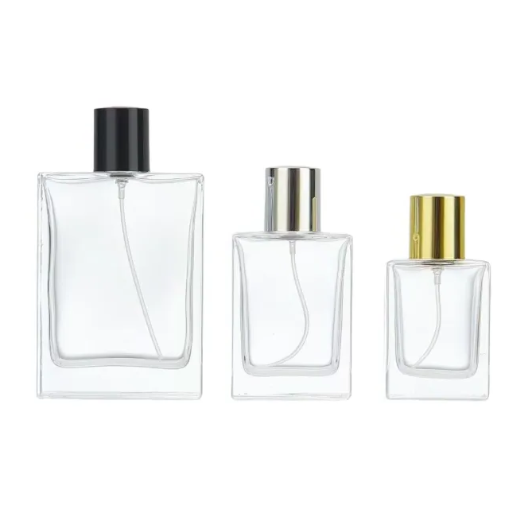
A vetting method is only credible if the person publishing it submits to it.
What we will show you: our business licence and registered scope, the factory in Fuzhou, the line that will make your bottle, a drawing stating your neck finish and the tolerance we hold, and a sample you can fill, actuate and send to your own fill line.
What we won’t do: claim a certification we cannot evidence, quote a minimum before we have seen your specification, imply a client relationship that does not exist, or present a certificate as proof your order will be perfect.
If your retailer needs a specific certificate or declaration, ask us directly and we will tell you what we hold and what we do not. That answer is more useful than a badge, and a good supplier anywhere will give it.
Want to test the method on a live quote? Send us your capacity, neck finish and decoration spec, and we will reply with a drawing and a sample offer. .
FAQ
How do I choose a perfume bottle supplier? Check four things in order: that the entity manufactures the bottle, that it controls the neck finish your pump needs, that it provides a signed sample and an agreed AQL standard, and that mould ownership and reject liability are in writing. Compare price only after those clear.
How can I tell if a supplier is a factory or a trading company? Read the business licence scope. Production wording such as 生产 or 制造 indicates a manufacturer; sales, wholesale or import wording alone indicates a trader. Then confirm the legal name matches across the quote, invoice and bank account, and ask for a live video of the production line.
What documents should I ask a perfume bottle supplier for? The business licence, an export licence if buying across a border, any quality or material certificate held in the supplier’s own name, a product drawing with tolerances, and the agreed inspection standard. Request them before the deposit, and check that the company name is consistent on all of them.
Should the bottle and the pump come from the same supplier? Ideally yes, because one supplier then owns the fit. If you must split them, send the bottle drawing to the pump supplier and get written confirmation of neck-finish compatibility before either order is placed. Then test the assembled unit, filled, through at least 50 actuations.
Who owns the mould after I pay for it? Whoever the written agreement says. Tooling ownership is not automatic. Confirm in writing, before paying, that the mould is yours, whether it can be moved to another producer, and what happens to it if the relationship ends. A supplier that will not put this in writing is a risk.
What is a golden sample and why does it matter? A golden sample is the signed, dated reference unit both parties agree represents acceptable production. It turns a disagreement about quality into a comparison against a physical standard. Ask for one, keep a copy, and require a new one after any change to the mould, material or decoration.
The Method, in One Line
The method for how to choose a perfume bottle supplier does not change with volume. Verify the entity, control the interface, demand evidence, paper the contract, and only then talk about price.
That sequence will not guarantee a perfect order. Nothing does. It will tell you, before you send a deposit, whether the company on the other end can answer a technical question, produce a document that matches its own name, and put a promise in writing.
If you are ready to run those four checks against us, start with a specification rather than a price. Tell us the capacity, the neck finish and how the bottle will be decorated, and we will show you the drawing, the sample and the terms. .
For the wider picture, our guide to covers capacities, glass types and decoration.