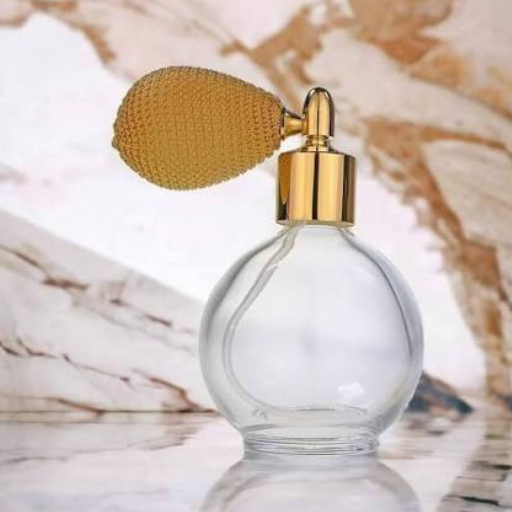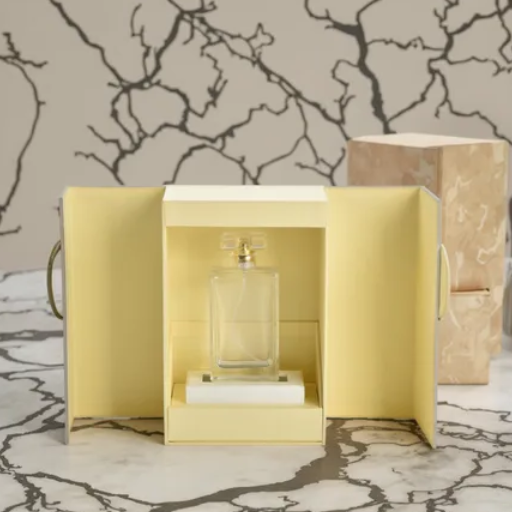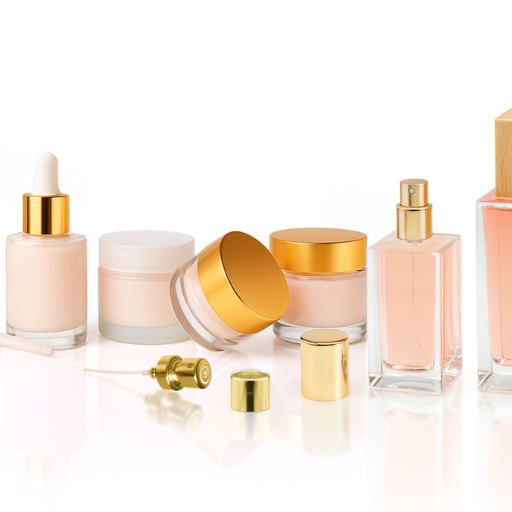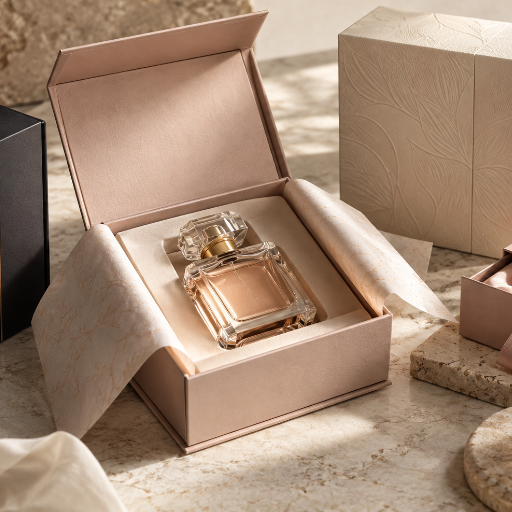
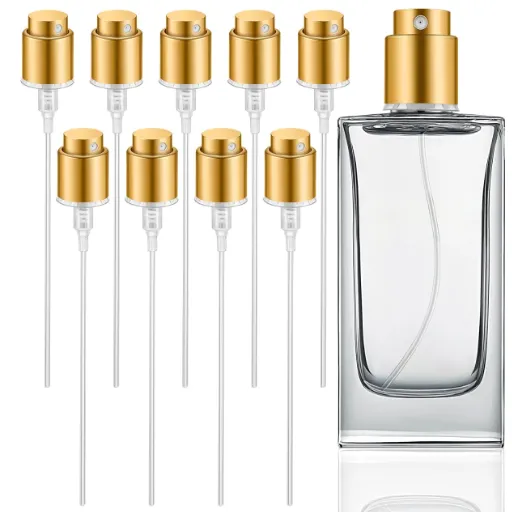
The customer requires three seconds to determine your fragrance’s luxuriousness. The metal plastic or wood component above the bottle functions as more than a closing mechanism. Your brand gains its first tactile contact through this element which establishes product standard this particular feature transforms ordinary shopping into an actual unboxing experience. The impact of this element should not be diminished.
The introduction of a new fragrance line or the update of an existing line will lead you to experience one particular annoying challenge. The world of perfume tops and caps is far more complex than it looks. The selection of Zamac Surlyn magnetic closures and screw caps together with ICK plugs presents an endless array of options which includes multiple wrong choices that will negatively impact shelf appeal together with shipping costs.
Fuzhou Longlu Packaging Co. Ltd. supports brands in making their decisions about packaging materials. The guide provides information about the operational functions of different perfume bottle caps while showing you which materials suit your brand tier and budget and the upcoming 2026 industry trends. At the end of the process you will possess a defined method which enables you to select the best cap without any doubts.
What Are Perfume Tops and Caps?
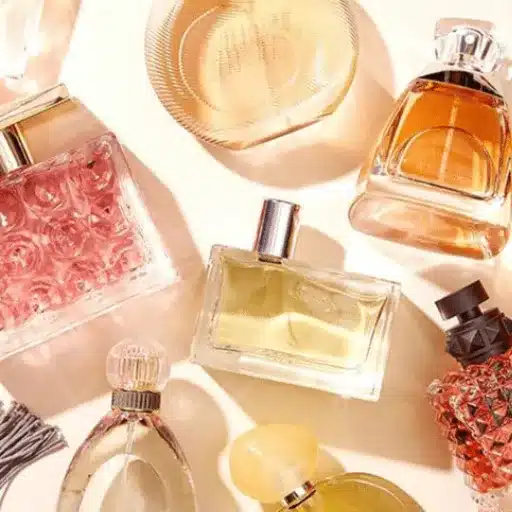
Perfume tops and caps are the removable closures that seal fragrance bottles, protect the liquid from oxidation and evaporation, and complete the visual identity of the product. They sit at the intersection of engineering and aesthetics. A well-designed cap must create an airtight seal, withstand hundreds of open-close cycles, and feel substantial in the hand. It’s a small detail with an outsized impact.
Quick definition: Perfume tops and caps are protective closures for fragrance bottles that prevent leaks, preserve scent integrity, and serve as a key branding element through material, weight, and design.
The cap provides more than protection because it leads people to perceive things differently. The heavy Zamac caps create a perception of extreme wealth. The aluminum design features a minimalist style which creates a contemporary appearance. The warm wood material displays environmental friendliness.
The cap reveals its complete story before customers apply the fragrance. Your packaging process begins with designers selecting materials and closures which represent the most important decision they will make throughout their entire process.
Elena launched her niche fragrance house in Barcelona in early 2025 after she invested heavily in the juice itself. She spent eight months with a master perfumer to create her perfume which contained rare oud. The first production run used lightweight plastic caps which had a metallic spray coating.
Customers returned them in droves. The caps appeared cheap because they scratched easily and three bottles broke during international shipping because the snap-fit closure failed. Elena’s 200−per−bottlefragrancewasbeingjudgedbya200−per−bottlefragrancewasbeingjudgedbya0.30 cap.
After she changed to a weighted magnetic Zamac closure her return rate decreased by 60 percent while her average review score increased from 3.8 to 4.7 stars. The fragrance inside the product remained the same. The cap did.
Types of Perfume Bottle Closures
Not all closures work the same way. The mechanism you choose affects user experience, shipping durability, and production cost. Let’s break down the most common options. Here’s a breakdown of the most common functional types.
Screw Caps
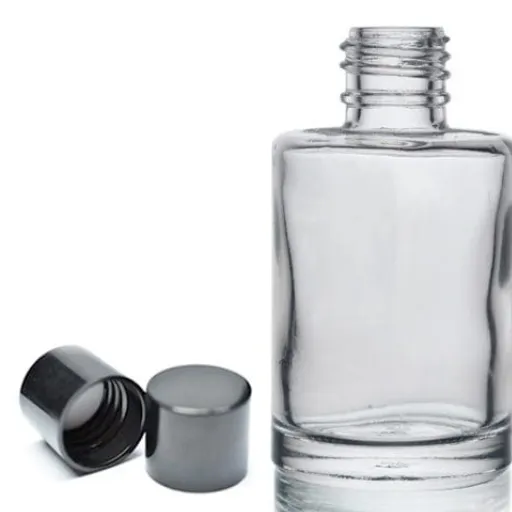
Screw caps twist onto the bottle neck using internal threading. They create a tight, reliable seal that resists leaks during transit. Most screw caps are tested for 500 or more open-close cycles without thread degradation, so they’re built to last.
Best for: Travel sizes, refillable fragrances, and mass-market lines where durability matters more than drama.
Magnetic Caps
Magnetic caps use embedded magnets to align and snap into place with a satisfying click. The weight feels luxurious, and the alignment is always precise. That’s why many premium brands use magnetic closures as a tactile signature of quality.
Best for: Luxury and niche fragrances where unboxing experience drives perceived value.
Want to explore how magnetic closures can elevate your fragrance line? Contact our team for a free consultation and sample review.
Snap-On / Press-Fit Caps
Snap-on caps grip the bottle neck with an internal lip. They’re quick to assemble and cost-effective to manufacture. However, they offer less protection against impact and are more prone to coming loose in transit.
Best for: Testers, promotional samples, and budget-friendly mass-market perfumes.
Spray Mechanism and Atomizer Caps
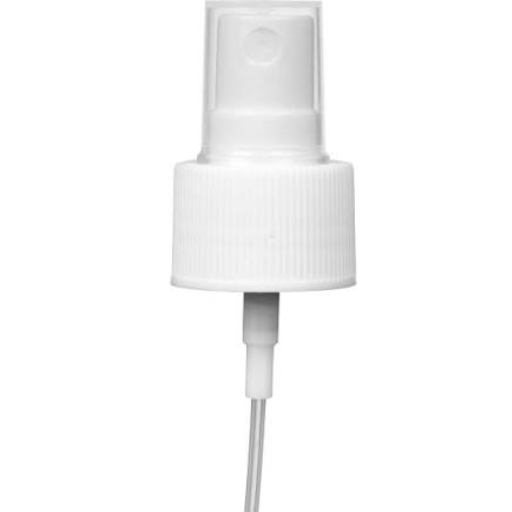
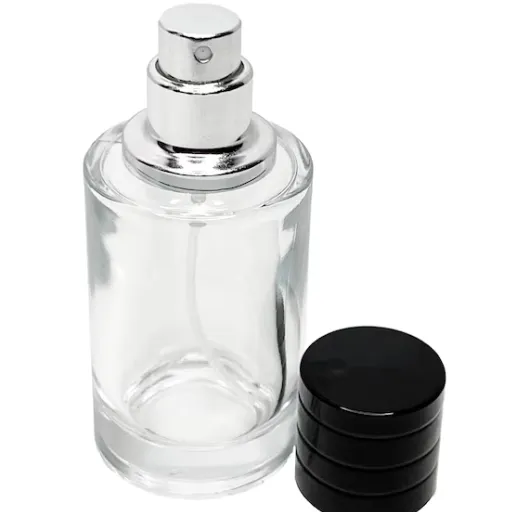
These integrate the spray pump directly into the cap design. The user presses down on the cap itself to release an even mist. This creates a streamlined silhouette, but it requires precise engineering to ensure consistent output.
Best for: Standard eau de toilette and eau de parfum formats where simplicity is key.
Dropper Caps
Dropper caps contain a built-in glass or plastic pipette for controlled dispensing. They’re essential for concentrated fragrance oils, attars, and aromatherapy blends where precision matters.
Best for: Oil-based perfumes, roll-on formats, and artisanal fragrance lines.
ICK (Inner Glass Plug) Caps
ICK caps feature a solid outer shell — often metal or ceramic — paired with a glass inner plug that creates an airtight seal against the sprayer. This design preserves fragrance integrity exceptionally well while maintaining a premium exterior.
Best for: High-end perfumes where preservation and luxury presentation are equally important.
Perfume Cap Materials: A Brand Owner’s Guide
Material choice determines weight, durability, sustainability credentials, and cost. Here’s what you need to know about each major category.
Zamac (Zinc Alloy) — The Luxury Standard
Zamac, also called Zamak, is a zinc alloy that’s become the gold standard for luxury perfume caps. It’s prized for its weight and finish. It captures fine detail during die-casting, accepts plating beautifully, and carries enough heft to feel expensive. A typical Zamac cap weighs 30-80 grams, depending on size and design.
Pros: Premium feel, excellent detail reproduction, durable plating, strong brand association with luxury.
Cons: Higher cost, longer lead times for mold development, heavier shipping weight.
Typical cost: 0.50−0.50−2.00 per unit at scale.
Plastic (ABS, Surlyn, Acrylic) — Versatile and Cost-Effective
Plastic caps dominate the mass market for good reason. ABS is affordable and highly moldable. Surlyn offers crystal-clear transparency and excellent resistance to fragrance oils. Acrylic can mimic glass at a fraction of the weight, so it’s a smart choice when you want the look without the heft.
Pros: Low cost, lightweight, fast production, endless shape possibilities.
Cons: Can feel inexpensive without premium finishing, less durable surface coatings.
Typical cost: 0.05−0.05−0.35 per unit.
Aluminum — Lightweight and Modern
Aluminum caps have surged in popularity among minimalist and eco-conscious brands. The material is lightweight, infinitely recyclable, and offers a clean, contemporary aesthetic. Anodized finishes add color without paint, so you’re getting sustainability and style in one piece.
Pros: Eco-friendly, modern look, corrosion-resistant, lighter than Zamac.
Cons: Less heft, limited fine detail compared to die-cast metal.
Typical cost: 0.30−0.30−0.80 per unit.
Wood and Bamboo — Sustainable and Artisanal
Wood caps bring warmth and natural texture to fragrance packaging. FSC-certified beech, walnut, and bamboo are increasingly popular for botanical and eco-luxury brands. They’re often paired with aluminum collars or inner plastic seals for functionality, so you don’t have to sacrifice performance for aesthetics.
Pros: Strong sustainability story, unique tactile experience, stands out on shelf.
Cons: Variable grain patterns, potential moisture sensitivity, requires inner sealing component.
Typical cost: 0.30−0.30−0.80 per unit.
Glass and Ceramic — Premium Aesthetics
Glass caps create a seamless, high-end look, especially when tinted or frosted to match the bottle. Ceramic caps feel substantial and can be hand-painted or glazed for artistic effect. Both materials signal extreme premium positioning.
Pros: Luxurious appearance, can match bottle perfectly, highly collectible.
Cons: Fragile, highest cost, limited design flexibility.
Typical cost: 1.00−1.00−3.00+ per unit.
| Material | Weight | Cost Range | Best For | Sustainability |
|---|---|---|---|---|
| Zamac (Zinc Alloy) | Heavy | 0.50−0.50−2.00 | Luxury fragrances | Moderate (recyclable) |
| Plastic (ABS/Surlyn) | Light | 0.05−0.05−0.35 | Mass market, budget lines | Lower (varies by type) |
| Aluminum | Light-Medium | 0.30−0.30−0.80 | Minimalist, eco-conscious brands | High (recyclable) |
| Wood/Bamboo | Medium | 0.30−0.30−0.80 | Artisanal, botanical fragrances | High (renewable) |
| Glass/Ceramic | Heavy | 1.00−1.00−3.00+ | Ultra-premium, limited editions | Moderate-High |
How to Choose the Right Perfume Cap for Your Brand
With so many options, how do you narrow it down? The answer depends on your brand positioning, distribution strategy, and customer expectations. Here’s a practical framework to help you decide.
Match the Cap to Your Brand Tier
Mass market and designer fragrances should prioritize reliability and cost-efficiency. A well-finished plastic cap with UV metallic coating can look premium without the Zamac price tag. Screw or snap-on closures work well here.
Mid-tier and indie brands often benefit from hybrid approaches. Consider aluminum with anodized color, or wood with a clean metal collar. These materials signal thoughtfulness without the overhead of full luxury manufacturing.
Niche and luxury houses should invest in Zamac with magnetic closures or ICK glass plugs. The weight and click of a magnetic cap create a sensory moment that justifies a higher price point.
Consider Your Distribution Channel
If you sell primarily through e-commerce, shipping durability is non-negotiable. Screw caps and magnetic closures outperform snap-ons in transit. For retail displays, visual impact and shelf presence matter more. A sculptural Zamac or ceramic cap can stop a shopper in their tracks.
Factor in Sustainability Goals
According to Fortune Business Insights, “perfume caps with appealing design and eco-friendly nature are usually attractive to millennials and Gen Z. The augmenting demand for such eco-friendly perfume caps amongst customers is emerging as a key trend for market growth.” If your brand targets younger, environmentally conscious consumers, aluminum, wood, or recycled plastics should be high on your list. That’s a shift you can’t afford to ignore.
Budget Reality Check
Your cap budget should align with your bottle price. A common rule of thumb in the fragrance industry is that packaging costs — including bottle, cap, and box — should represent roughly 10-15% of the retail price for luxury fragrances, and 5-10% for mass-market lines. That means a 100fragrancecansupport100fragrancecansupport10-15 in total packaging for a premium positioning.
Ready to find the perfect cap for your fragrance line? Get a free quote and we’ll help you balance quality, cost, and brand impact.
2026 Trends in Perfume Cap Design and Manufacturing
The perfume packaging market was valued at approximately USD 3.72 billion in 2025 and is projected to reach USD 3.96 billion in 2026, growing at a CAGR of 5.5%-7.4% through the mid-2030s, according to Fortune Business Insights. That’s steady growth with no signs of slowing. Caps and closures are a major growth driver within that market. Here’s what’s shaping the industry right now.
Sustainable and Recyclable Closures
The world now requires sustainability as an essential standard. Brands are replacing their ordinary caps with recycled aluminum caps and post-consumer recycled plastics and bio-based resins. Some forward-thinking companies are even designing caps without plastic liners to improve recyclability.
Magnetic and Modular Caps
Magnetic closures continue to expand beyond ultra-luxury into the premium designer tier. The modular cap system which enables consumers to exchange caps and sleeves has gained popularity among consumers who use travel-sized and refillable fragrance products. The innovations transform the cap into a branded keepsake which customers can reuse.
Smart Caps with NFC and QR Integration
South Korea and other advanced markets are leading adoption of NFC-enabled caps and QR-integrated closures. Customers use these smart features to verify authenticity while accessing digital content and unlocking augmented reality experiences. The trend is currently expanding throughout Asia-Pacific which serves as the fastest-growing region for new cosmetic packaging designs according to Packaging Web Wire.
Working with a Perfume Cap Manufacturer: What to Expect
Once you’ve chosen a direction, the manufacturing process typically follows a predictable path. Understanding it helps you set realistic timelines and avoid surprises. Here’s what you can expect.
Typical MOQs by Material
- Plastic caps: 5,000-10,000 pieces
- Zamac caps: 500-3,000 pieces
- Aluminum caps: 1,000-5,000 pieces
- Wood caps: 1,000-3,000 pieces
- Glass or ceramic caps: 500-2,000 pieces
Some suppliers accept lower MOQs for resin or specialty materials, but standard plastic and metal runs typically start at the volumes above. That’s why it’s worth clarifying minimums early in your conversations.
Lead Times and Sampling
Mold development is usually the longest phase. For Zamac caps, steel mold production takes 15-45 days depending on complexity. Plastic injection molds are often faster, in the 10-25 day range.
First samples typically arrive 7-14 days after mold completion. Full production runs generally take 15-30 days after sample approval, so it’s wise to plan ahead.
Quality Tests to Request
Before committing to mass production, ask your manufacturer to run these standard tests:
- Salt spray testing: Measures corrosion resistance of plated metal caps (48-96 hours is standard for Zamac).
- Paint adhesion testing: Ensures surface coatings won’t chip or peel during normal use.
- Dimensional tolerance checks: Verifies that caps fit bottle necks precisely, typically within +/- 0.1mm.
- Open-close cycle testing: Confirms mechanical durability, especially for screw and magnetic closures.
- Perfume immersion testing: Exposes caps to fragrance oils for 24-48 hours to check for chemical reactions or discoloration.
At Fuzhou Longlu Packaging Co., Ltd., we guide our clients through every stage of this process. From material selection and 3D modeling to final quality inspection, our team ensures your custom perfume caps meet both your brand vision and your practical requirements. We’ll handle the details so you don’t have to worry.
The team at Bloom Botanics designed their sustainable fragrance line which they planned to launch in 2024 by selecting wood caps that matched their brand story which focused on natural elements. The team required a dependable seal that would protect their products during international e-commerce shipping.
The first supplier we worked with provided us with beautiful caps which suffered warping problems after two weeks of humid storage. The team developed a two-piece design which included an FSC-certified bamboo outer shell and a precision-molded inner seal.
The natural aesthetic of the project remained intact while the design passed all leak testing requirements. Bloom Botanics now ships to 14 countries with zero cap-related returns.
Conclusion
Perfume tops and caps are far more than functional afterthoughts. They’re the physical handshake between your brand and your customer. It’s where first impressions are made.
The right closure protects your fragrance, reinforces your positioning, and transforms an ordinary purchase into a memorable experience. That’s what great packaging does.
Let’s recap the key takeaways:
- Match mechanism to need: Screw caps for durability, magnetic caps for luxury, snap-ons for samples.
- Choose materials strategically: Zamac signals opulence, aluminum speaks to sustainability, plastic offers versatility.
- Factor in distribution: E-commerce demands shipping-tight closures; retail rewards visual drama.
- Embrace 2026 trends: Sustainability, modularity, and smart features are reshaping customer expectations.
- Verify quality rigorously: Salt spray, adhesion, and cycle testing separate professional manufacturers from cut-rate suppliers.
Your cap choice is your brand choice. Make it count. You won’t regret the extra attention to detail.
Ready to bring your fragrance packaging vision to life? Contact Fuzhou Longlu Packaging Co., Ltd. today for a free quote on custom perfume tops and caps. We’ll help you create a closure that protects your product and elevates your brand — it’s what we do best.