
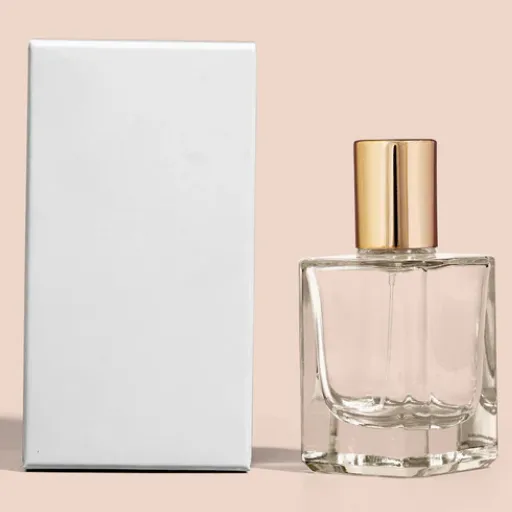
Perfume packaging for small business typically costs between 0.50and0.50and25 per unit depending on materials, customization level, and order volume. Small perfume brands can create professional, shelf-ready packaging by combining stock glass bottles, custom labels, and well-designed rigid or folding boxes with protective inserts.
The global perfume packaging market is worth 3.96billionin2026andclimbingtoward3.96billionin2026andclimbingtoward6.89 billion by 2034. That growth is not driven by luxury houses alone. Indie perfume brands, artisan scent makers, and small e-commerce sellers are capturing more market share every year. But here is what separates the brands that scale from the ones that stall: packaging.
The perfume has been made perfect for you. You named it. You priced it. Then you discovered that a single custom glass mold costs more than your entire first production run. You are not alone.
At Fuzhou Longlu Packaging Co., Ltd., we work with small businesses every day that face the same challenge. They need perfume packaging that protects their product, communicates their brand, and fits a tight budget. This guide covers everything from bottle selection to shipping protection, with real numbers and practical strategies that work at your scale.
By the end of this article, you will know exactly how to choose, design, and source perfume packaging at three different budget tiers. You will understand the materials that matter, the trends shaping 2026, and the regulations you cannot ignore.
Key Takeaways
- Small perfume brands can achieve professional packaging for 0.50–0.50–2.00 per unit using stock bottles, custom labels, and cardboard boxes.
- The three layers of perfume packaging are primary (bottle), secondary (box), and tertiary (shipping protection). Skipping any layer risks product damage or brand perception.
- Refillable and eco-friendly packaging options are now affordable for small brands, with 62% of consumers willing to pay more for sustainable materials.
- Glass bottles remain the premium choice, but PET plastic and aluminum offer budget-friendly alternatives for samples and travel sizes.
- A custom EVA foam insert and double-box shipping strategy can reduce breakage rates from 15% to under 2%.
What Is Perfume Packaging for Small Business?
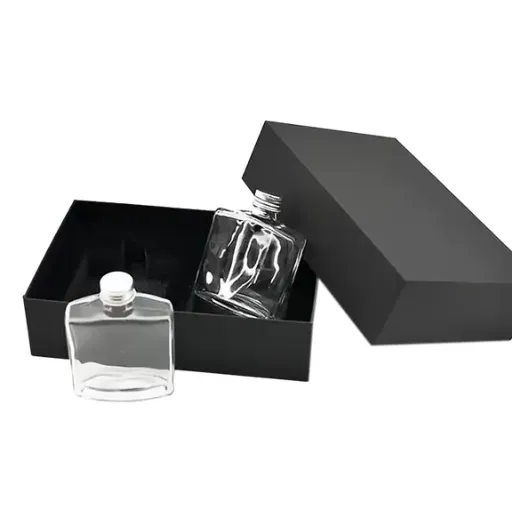
Perfume packaging for small business is the complete system of containers, boxes, and protective materials that hold, present, and ship fragrance products. It includes three distinct layers: the primary packaging (the bottle that holds the liquid), the secondary packaging (the box or sleeve that houses the bottle), and the tertiary packaging (the shipping materials that protect everything during transit).
For small brands, packaging is not just a container. It is your silent salesperson.
When a customer holds your product or opens your box, the packaging shapes their perception of quality before they ever smell the scent inside. A well-designed perfume package builds trust and justifies your price point. It also creates the unboxing moments that customers share on social media.
Large fragrance houses spend 15–20% of their product cost on packaging. Small brands cannot match that budget. But you do not need to. Smart material choices, modular designs, and strategic sourcing let small perfume businesses create packaging that looks and feels premium at a fraction of the cost.
How Much Does Perfume Packaging Cost? A Budget Breakdown
Understanding cost tiers helps you make decisions that match your current stage. Here is what small perfume businesses typically spend at each level.
Entry-Level Packaging (0.50–0.50–2.00 Per Unit)
At this tier, you are working with stock components and basic customization. You choose a standard glass or PET bottle from a supplier’s catalog, add a custom label with your logo and fragrance name, and package it in a printed folding carton or simple rigid box.
This approach works beautifully for market testing, sample sets, and first launches. Many successful indie brands started exactly this way. The key is investing in label design and print quality rather than custom bottle shapes.
What you get: Stock bottle, custom label, folding carton or basic rigid box, standard cap or spray pump.
Best for: Testing formulas, launching a first product line, selling at local markets or online.
Mid-Range Packaging (2.00–2.00–8.00 Per Unit)
This tier unlocks more customization without requiring massive order volumes. You can add a custom EVA foam insert that cradles your bottle, upgrade to a magnetic closure rigid box, and use premium printing techniques like foil stamping or embossing on the box surface.
Bottle options expand too. Frosted glass, color-sprayed finishes, and screen-printed logos on the bottle itself become accessible. You are building a cohesive brand experience that feels intentional and professional.
What you get: Upgraded bottle (frosted or colored glass), custom rigid box with closure, EVA foam insert, foil stamping or embossing, premium cap materials.
Best for: Growing brands with repeat customers, gift sets, retail placement.
Premium Packaging (8.00–8.00–25.00+ Per Unit)
Premium perfume packaging for small business enters the territory of custom glass molds, hand-finished details, and luxury materials. At this level, you might commission a unique bottle shape, use Zamac (zinc alloy) caps for weight and feel, or design a multi-layer unboxing experience with tissue paper, ribbon, and a certificate of authenticity.
This tier demands higher minimum order quantities. Custom glass molds alone can cost $10,000 or more. Most small brands reach this level only after proving product-market fit and building a loyal customer base.
What you get: Custom bottle mold, luxury rigid box (magnetic or drawer style), Zamac or custom caps, multi-layer interior packaging, advanced decoration (laser engraving, 3D hot stamping).
Best for: Established luxury positioning, limited editions, high-end gift markets.
| Packaging Tier | Cost Per Unit | Bottle Type | Box Type | Best For |
|---|---|---|---|---|
| Entry | 0.50–0.50–2.00 | Stock glass or PET | Folding carton | Testing, first launch |
| Mid-Range | 2.00–2.00–8.00 | Frosted or colored glass | Rigid with closure | Growing brands, retail |
| Premium | 8.00–8.00–25.00+ | Custom mold glass | Luxury multi-layer | Luxury positioning |
Maya Chen launched her indie fragrance brand, Velvet Bloom, from her kitchen in Portland in early 2024. She fell in love with a custom glass bottle design that would have cost $5,200 for the mold alone, plus a 5,000-unit minimum order.
Her entire startup budget was 3,000.Instead,shechoseastockfrostedglassbottlefromasuppliercatalog,invested3,000.Instead,shechoseastockfrostedglassbottlefromasuppliercatalog,invested400 in professional label design, and ordered 500 printed folding cartons. Her first batch of 100 units cost $1.20 each to package.
Within eight months, she had sold 800 units and reinvested the profits into a mid-range rigid box with a magnetic closure. “I thought I needed custom everything to look professional,” she says. “Turns out, great labels and a clean box do most of the work.”
Ready to explore custom packaging options for your perfume brand? Browse our custom packaging solutions designed for small businesses with flexible minimum order quantities.
Choosing the Right Perfume Bottle: Materials, Sizes, and Closures
The bottle is the heart of your perfume packaging. It holds your product, displays your brand, and creates the first physical impression. Choosing wisely means balancing aesthetics, function, and cost.
Glass Bottles: The Premium Standard
Glass remains the dominant choice for perfume packaging, holding roughly 40% of the market. It offers chemical stability, a luxury feel, and full recyclability. High-flint glass provides exceptional clarity. Amber glass protects light-sensitive formulations. Frosted glass hides minor imperfections and signals sophistication.
The downside is weight and fragility. Glass bottles increase shipping costs and breakage risk. For small brands selling primarily online, this matters.
Standard sizes are 30ml, 50ml, and 100ml. Travel sizes (5ml and 10ml) work well for samples and discovery sets.
PET and Plastic Bottles: Practical Alternatives
PET bottles cost less, weigh less, and will not shatter in transit. They work well for body sprays, sample vials, and travel formats. The trade-off is perception. Most consumers associate glass with quality fragrance and plastic with lower-tier products.
One smart approach: use glass for your flagship sizes (50ml and 100ml) and PET for samples and travel sets. This gives customers the premium experience where it counts while keeping costs manageable.
Closures and Dispensers
The cap or bottle stopper should be comfortable to use and look like it fits into your branding.
Spray atomizers are the best for eau de parfum and eau de toilette products. Look for fine mist pumps that distribute evenly. Roll-on balls suit perfume oils and concentrated formats. Dabber caps work for sample vials and luxury presentations.
Cap materials range from plastic (most affordable) to aluminum (mid-range) to Zamac zinc alloy (premium weight and feel). Small brands often start with aluminum or electroplated plastic and upgrade as they grow.
Bottle Customization Without Custom Molds
You do not need a $10,000 custom mold to create a unique bottle. Stock bottles can be transformed through decoration:
- Frosting: Acid-etch or sandblast the glass surface for a matte, premium look.
- Color spraying: Apply transparent or opaque color coatings.
- Screen printing: Add your logo or design directly onto the glass.
- Hot stamping: Apply metallic foil details for luxury accents.
These techniques cost a fraction of custom molding and can be applied to small quantities.
Perfume Packaging Boxes: Styles, Materials, and Design Tips
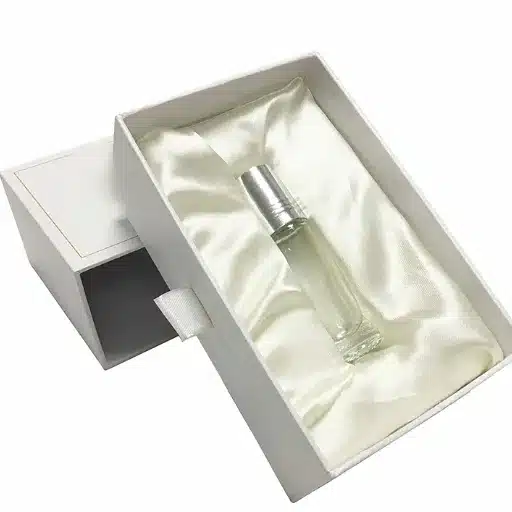
The box is where your brand story unfolds. It protects the bottle, creates the unboxing moment, and sits on the shelf or screen representing your product.
Common Box Styles for Perfume
Rigid boxes with magnetic closures signal luxury. They have thick walls, a satisfying snap when closed, and substantial weight in the hand. These work well for premium and gift positioning.
Folding cartons are the workhorse of perfume packaging for small business. Made from paperboard or cardboard, they ship flat (saving on storage and freight), assemble quickly, and accept high-quality printing. They are the most cost-effective option for entry and mid-range tiers.
Drawer or slide boxes create a unique unboxing experience. The inner tray slides out like a drawer, revealing the bottle on a velvet or foam bed. These cost more than folding cartons but less than rigid magnetic boxes.
Two-piece top-and-bottom boxes offer a classic, elegant presentation. The lid lifts off to reveal the product inside. They work well for gift sets and limited editions.
Material Selection
Cardboard and paperboard are the most common materials for perfume packaging boxes. They are lightweight, printable, and recyclable. Kraft paper adds a natural, eco-friendly aesthetic that resonates with sustainability-focused consumers.
Rigid board creates the stiff, premium feel of luxury packaging. It is significantly more expensive than paperboard but delivers a tactile experience that justifies higher price points.
For small brands, we recommend starting with high-quality paperboard or corrugated cardboard. Both materials protect the bottle during shipping and accept excellent printing. You can always upgrade to rigid board as your brand grows.
Interior Protection: The Hidden Layer
A beautiful box means nothing if the bottle breaks inside it. Interior protection is especially critical for perfume because glass bottles plus alcohol-based liquids create serious shipping risk.
EVA foam inner liners are the best material available. They are custom-cut to cradle your bottle, preventing movement and absorbing impact. EVA is lightweight, durable, and can be laminated with velvet or satin for a luxury feel.
Cardboard inserts offer a budget alternative. A well-designed folded cardboard tray holds the bottle securely and costs a fraction of foam.
Velvet or plush lining adds a premium touch to rigid boxes. It looks beautiful when the customer opens the lid and provides a soft surface for the bottle.
Design Elements That Sell
Your box design needs to communicate your brand in a glance. These techniques make an impact without breaking the budget:
- Foil stamping: Metallic gold, silver, or rose gold accents catch light and signal quality.
- Embossing and debossing: Raised or recessed patterns add tactile texture.
- Spot UV: Glossy highlights on matte surfaces create visual contrast.
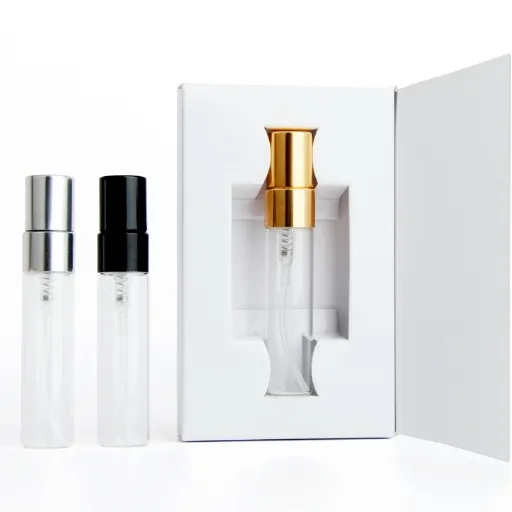
- Window cutouts: A die-cut window lets the bottle peek through, combining product visibility with box protection.
James Okoro runs an online fragrance shop based in Lagos. He sells niche perfumes to customers across West Africa. For his first six months, he used basic bubble wrap and a single cardboard box for shipping.
His breakage rate was 15%. Customers complained. Refund requests piled up. He calculated that broken bottles were costing him $340 per month in replacements and lost goodwill.
James switched to a two-layer approach: a custom rigid box with an EVA foam insert for the product, then a corrugated shipping box with air cushions around it. His breakage rate dropped to under 2%. The packaging cost increased by 1.80perunit,buthesaved1.80perunit,buthesaved280 per month in replacements. More importantly, customer reviews shifted from complaints about broken bottles to compliments about the unboxing experience.
Eco-Friendly Perfume Packaging: Sustainable Options That Do Not Break the Bank
Sustainability is no longer a premium add-on. It is a baseline expectation. According to market research, 62% of luxury consumers are willing to pay more for environmentally friendly packaging. For small brands, this is an opportunity to build identity around transparency rather than expensive materials.
Affordable Sustainable Choices
Recycled cardboard and paperboard are the easiest wins. They cost the same or less than virgin materials, carry recycling messaging that resonates with consumers, and accept excellent printing. Look for FSC-certified suppliers to add credibility.
Soy-based and vegetable-based inks replace petroleum-based inks without sacrificing print quality. They are biodegradable and produce fewer volatile organic compounds during printing.
Biodegradable fillers like cornstarch packing peanuts or shredded recycled paper replace plastic bubble wrap and foam. They protect your product during shipping and compost after delivery.
Lightweight glass reduces both material use and shipping weight. Modern lightweight perfume bottles can weigh under 50 grams while maintaining the premium feel of traditional glass.
The Refillable Model for Small Brands
Refillable perfume packaging is one of the smartest sustainability strategies for small businesses. It works like this: customers purchase a high-quality permanent bottle once, then buy refill inserts at 30–40% less than the full bottle price.
This model builds loyalty, reduces long-term packaging waste, and creates a recurring revenue stream. For small brands, the key is choosing stock bottles with removable pumps or screw caps rather than crimped closures. Precision screw glass bottles let customers separate the pump, wash the glass, and add a refill.
Lin Wei runs a three-person artisan perfume studio in Taipei. In 2024, she switched from single-use 50ml bottles to a refillable system using stock screw-cap glass bottles and 30ml refill vials.
The upfront bottle cost increased by 1.20perunit,butherrefillvialscost1.20perunit,butherrefillvialscost0.80 less than full bottles to produce. Within six months, 40% of her repeat customers had purchased at least one refill. Her average customer lifetime value increased by 35%.
“Customers love that they are not throwing away a beautiful bottle every time,” Lin says. “It turned a sustainability choice into a loyalty program.”
Looking for sustainable packaging materials for your fragrance brand? Explore our eco-friendly packaging options made from recycled and biodegradable materials.
2026 Perfume Packaging Trends Small Brands Should Know
The perfume packaging landscape is shifting. These four trends matter most for small businesses in 2026.
Quiet Luxury Minimalism
Clean geometric shapes, frosted glass, and restrained branding dominate the premium market. For small brands, this is excellent news. Minimalist designs cost less to produce than ornate ones. A simple cylinder bottle with a debossed logo and a matte black box looks expensive without the expensive tooling.
The key is consistency. Choose one or two design elements and execute them flawlessly. A single bold color. One premium material accent. Clean typography. Less truly is more when every detail is considered.
Smart Packaging Integration
You do not need NFC chips or augmented reality to participate in smart packaging. A well-designed QR code on your box or label can link to ingredient origin stories, scent pyramid visualizations, or an auto-refill portal.
For small brands with limited advertising budgets, this turns every package into a 24/7 digital marketing channel. The cost is minimal: a QR code costs nothing to generate, and the landing page can be built on any basic website platform.
Gender-Neutral Design
The unisex fragrance market is growing rapidly. Packaging that avoids traditional masculine or feminine visual codes captures a wider audience. Neutral palettes like ivory, taupe, charcoal, and soft terracotta work across demographics.
This approach also simplifies your inventory. One packaging design serves all your scents instead of maintaining separate masculine and feminine lines.
“Imperfect by Design”
In 2026, overly perfect packaging reads as mass-produced. Small brands can use their artisanal scale by adding human touches. Hand-applied wax seals. Slightly textured paper stocks. Batch-numbered labels. These details suggest a studio process and justify premium pricing.
Protecting Perfume During Shipping: E-Commerce Packaging Essentials
If you sell perfume online, shipping protection is not optional. Glass bottles filled with alcohol-based liquid are among the most fragile products to ship.
The Fragility Problem
Industry data shows that 27% of fragrance buyers report difficulty with perfume packaging, especially around mini and sample sizes where aesthetics sometimes override usability. For sellers, the bigger problem is breakage. A broken bottle in transit means product loss, package damage, and a frustrated customer.
The Two-Box Strategy
The most reliable approach for shipping perfume is a two-box system:
- Inner box: Your product packaging (rigid box or folding carton with EVA foam insert) holds the bottle securely.
- Outer shipping box: A corrugated cardboard box with 2–3 inches of cushioning on all sides protects the inner box.
Between the two boxes, use air cushions, bubble wrap, or biodegradable packing peanuts. The inner box should not touch the outer box walls.
Leak-Proof Sealing
Even if the bottle breaks, you can prevent disaster. Place the inner box inside a sealed plastic bag before adding it to the outer shipping box. If a bottle breaks, the liquid stays contained. This simple step costs pennies and saves hundreds in replacement shipments.
Carrier-Specific Considerations
Perfume contains alcohol, which classifies it as a hazardous material for air shipping. If you ship internationally or use air freight, you must comply with IATA regulations. Most small brands avoid this complexity by using ground shipping for domestic orders and working with freight forwarders for international sales.
USPS, UPS, and FedEx all accept perfume shipments domestically with proper labeling. Always mark packages as “Fragile” and “This Side Up.” Some carriers require hazmat labels for air transport.
Sourcing Perfume Packaging: How to Find Reliable Suppliers
Finding the right supplier is often the hardest part of perfume packaging for small business. Here is a practical framework for evaluating your options.
The 8-Point Supplier Checklist
Use these criteria to compare suppliers objectively:
- MOQ flexibility: Can they accommodate small orders (under 500 units)?
- Sample availability: Will they provide physical samples before you commit?
- Production timeline: How long from order to delivery?
- Quality certifications: Do they hold ISO, SGS, or relevant industry certifications?
- Customization capabilities: Can they handle the printing, inserts, and finishes you need?
- Communication responsiveness: Do they reply to inquiries promptly and clearly?
- Payment terms: What are their deposit requirements and payment methods?
- Shipping and logistics: Do they handle international freight, customs, and delivery?
Domestic vs. Overseas Sourcing
Domestic suppliers (US, UK, EU) offer faster turnaround, easier communication, and no import duties. The trade-off is higher per-unit cost. For small brands testing the market, domestic sourcing reduces risk and complexity.
Chinese manufacturers offer significantly lower per-unit costs, extensive customization options, and vast material selections. The trade-offs are longer lead times (typically 30–45 days), language barriers, and the need for quality control processes.
Working with Chinese Manufacturers: A Small Business Guide
China is the world’s largest packaging manufacturing hub, with key clusters in Guangdong (boxes and assembly), Zhejiang (glass bottles and caps), and Fujian (glass and paper packaging). Here is how small brands can work with Chinese suppliers safely:
Start with stock molds. Custom glass molds cost 8,000–8,000–15,000. Stock molds cost nothing. Choose a stock bottle shape and customize through decoration (frosting, color, printing) instead.
Request physical samples. Digital mockups show design intent. Physical samples show material quality, fit, and finish. Budget 50–50–150 for sample shipping.
Verify with video calls. Alibaba and Made-in-China are great for discovery, but a 15-minute video factory tour tells you more than a hundred product photos.
Use a sourcing agent for first orders. A good agent charges 5–10% of order value and handles communication, quality checks, and logistics. For orders under $5,000, this fee often pays for itself in avoided mistakes.
Order components separately. Source bottles from one supplier, caps from another, and boxes from a third. This lets you mix and match minimum order quantities and optimize each component independently.
Regulatory Essentials for Perfume Packaging
Packaging regulations are not exciting, but non-compliance can block your product from entire markets. Here is what small perfume businesses need to know.
Labeling Requirements
Every perfume package must display certain information clearly:
- Product name and brand name
- Volume in milliliters and fluid ounces
- Ingredient list using INCI (International Nomenclature of Cosmetic Ingredients) names
- Manufacturer or distributor name and address
- Batch code and expiration date or PAO (Period After Opening) symbol
- Warnings if applicable (e.g., flammable)
Key Regulations by Market
United States: The FDA regulates cosmetics under the Federal Food, Drug, and Cosmetic Act. Perfume packaging must comply with labeling requirements and cannot make drug claims (e.g., “treats anxiety”) unless approved.
European Union: The EU Cosmetic Regulation (EC) 1223/2009 requires a responsible person based in the EU, a product information file, and specific labeling. The CLP Regulation governs classification and labeling of hazardous substances, including fragrance ingredients.
International: The International Fragrance Association (IFRA) sets safety standards for fragrance ingredients. While compliance is voluntary in some markets, it is mandatory in others and universally recognized as a quality benchmark.
Small Business Tip
Start with compliant stock packaging and customize your labels to meet requirements. Most stock bottles and boxes already meet basic material safety standards. Your main compliance task is label design. Work with a designer who understands cosmetic labeling regulations, or use templates from compliance-focused platforms.
Conclusion: Start Where You Are, Scale With Intention
Perfume packaging for small business does not require luxury-brand budgets. It requires smart choices. Start with stock bottles and well-designed labels. Add a custom box with protective inserts as your sales grow. Upgrade to premium materials and custom molds only when your customer base justifies the investment.
The brands that win are not the ones with the most expensive packaging. They are the ones whose packaging tells a clear, consistent story. Every material choice, every design detail, and every unboxing moment should reinforce what your fragrance brand stands for.
Here are the five principles to remember:
- Protect first, impress second. A broken bottle destroys brand trust faster than a plain box ever could.
- Start with stock, customize with decoration. You do not need custom molds to look custom.
- Sustainability is a competitive advantage, not a cost center. Recycled materials often cost the same or less than virgin alternatives.
- Design for shipping, not just for shelves. E-commerce packaging must survive the delivery journey intact.
- Build in refillability from day one. It creates loyalty and reduces long-term packaging costs.
At Fuzhou Longlu Packaging Co., Ltd., we specialize in custom packaging boxes and wholesale packaging materials designed for businesses at every stage. Whether you need 500 folding cartons for your first launch or 10,000 rigid boxes with magnetic closures for retail placement, we offer flexible minimum orders, fast turnaround times, and global shipping.
Ready to package your perfume brand for success? Contact us today for a free quote and discover how affordable professional perfume packaging can be.
Your fragrance deserves packaging that matches its quality. Let us help you create it.


