Zamac perfume caps are heavy zinc-alloy closures that give fragrance bottles a premium feel, superior durability, and detailed customization options that plastic or aluminum can’t match. For fragrance brands competing in the $3.72 billion global perfume packaging market, the right cap does more than seal a bottle. It shapes first impressions, supports shelf appeal, and signals quality before a customer ever smells the scent.
Yet choosing a cap material isn’t always straightforward. Procurement teams and brand founders alike get stuck comparing suppliers, alloys, finishes, and minimum order quantities. Some worry about overpaying. Others fear ordering 10,000 pieces of the wrong design.
This guide solves those problems. By the end, you’ll understand what Zamac perfume caps are made of, why they dominate luxury fragrance packaging, how they’re manufactured, and how to choose a supplier that delivers both quality and value.
Key Takeaways
- Zamac and Zamak are alternate spellings of the same zinc-aluminum-magnesium-copper alloy family used for premium perfume caps.
- Zamac caps typically cost 0.25–0.25–0.98 per piece at wholesale, with MOQs ranging from 500 to 10,000 pieces depending on customization.
- The material offers superior weight, corrosion resistance, intricate design capability, and 100% recyclability compared with plastic or aluminum alternatives.
- Most perfume bottles use a standard FEA 15 mm neck, but caps are also available in 13.5 mm, 18 mm, 20 mm, and 24 mm sizes.
- Reliable suppliers should provide ISO 9001, RoHS, and REACH documentation plus salt spray and alcohol immersion test results.
What Are Zamac Perfume Caps?
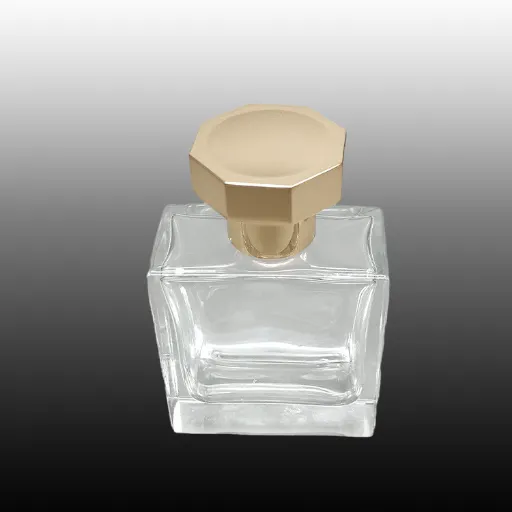
Zamac perfume caps are closures made from a zinc-based alloy known formally as Zamac or Zamak. The name is an acronym for its primary ingredients: Zinc, Aluminum, Magnesium, and Copper. Premium grades often contain more than 95% zinc, which gives the cap its signature density and cool, heavy feel in the hand.
A finished cap isn’t a single solid metal piece. Instead, it usually combines three parts:
- An outer Zamac shell produced through high-pressure die-casting, then polished and plated.
- An inner plastic insert made from PP, ABS, or silicone that grips the bottle neck and protects the fragrance from contact with metal.
- An optional magnetic closure system with embedded magnets for precise alignment and a satisfying click.
This construction makes Zamac caps compatible with standard perfume bottle necks. The most common size is the FEA 15 mm finish, though caps are also manufactured for 13.5 mm, 18 mm, 20 mm, and 24 mm necks.
Because the alloy is highly malleable, designers can create complex three-dimensional shapes, deep engravings, embossed logos, and even gemstone inlays. That versatility is why luxury houses and niche fragrance brands consistently specify Zamac when they want a cap that doubles as a brand signature.
Zamac vs. Zamak: Is There Actually a Difference?
No. If you’ve been comparing suppliers and seen both spellings, you’re looking at the same material.
Zamac and Zamak are alternate spellings of one zinc alloy family. Some factories list products as Zamac. Others write Zamak. The difference is branding and regional spelling preference, not chemistry.
What actually matters when evaluating a cap is the alloy grade and construction details:
- Zamak-3 offers excellent fluidity during die-casting and is the most common grade for decorative caps.
- Zamak-5 adds slightly more copper and magnesium, improving strength and hardness for thin-walled or high-wear designs.
- Weight and wall thickness range from about 26 g for smaller designs to over 90 g for large, ornate closures.
- Insert design determines fit, seal quality, and ease of use on the bottle.
- Surface finish such as PVD coating, electroplating, or brushing determines scratch resistance and visual impact.
So when you request quotes, skip the spelling debate. Ask for the alloy grade, weight target, insert material, and finishing specifications instead.
Why Choose Zamac? 7 Benefits for Fragrance Brands
1. Premium Weight and Tactile Luxury
The first thing a customer notices is weight. Zamac caps feel substantial and cool to the touch. That sensory impression creates an immediate perception of quality. In the fragrance industry, where unboxing and shelf presence drive purchase decisions, this tactile advantage translates directly into perceived value.
2. Exceptional Durability
Zamac resists scratches, corrosion, and wear better than plastic or aluminum. Quality caps pass a 48-hour alcohol immersion test and salt spray testing, ensuring they won’t tarnish or degrade when exposed to fragrance oils, alcohol vapors, or humid retail environments.
3. Complex Design Versatility
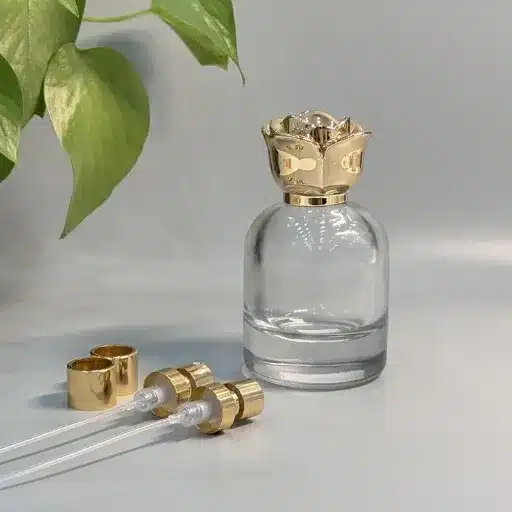
Die-cast Zamac can hold intricate shapes that would be impossible or fragile in other materials. Crowns, geometrical designs, floral designs, animal designs, and deep embossed logos are commonly used by brand names. This diversity can ensure that a perfume stands out in such a congested market.
4. Superior Surface Finishing
Zamac accepts electroplating, vacuum plating, PVD coating, brushing, polishing, sandblasting, painting, and laser engraving exceptionally well. The result is a refined metallic shine that mimics more expensive materials like brass or solid gold at a fraction of the cost.
5. Magnetic Closure Compatibility
Magnetic Zamac perfume caps are increasingly popular in luxury packaging. Embedded multi-pole magnets align the cap precisely with the bottle collar and create a smooth, controlled click. The mechanism feels expensive and protects the sprayer from damage during use.
6. 100% Recyclability
Zamac is fully recyclable without losing material properties. For fragrance brands marketing sustainability credentials, a metal cap is a stronger story than plastic. Combined with recyclable glass bottles and low-VOC coatings, Zamac supports circular packaging strategies.
7. Strong Brand Differentiation
A distinctive cap becomes part of a fragrance’s visual identity. Customers often keep ornate perfume bottles long after the scent is gone. A well-designed Zamac cap extends your brand presence on vanities, social media posts, and retail shelves.
| Feature | Zamac | Aluminum | Plastic |
|---|---|---|---|
| Weight | Heavy, premium | Lightweight | Very light |
| Detail precision | Excellent | Moderate | Low to moderate |
| Durability | Very high | Moderate | Low |
| Premium feel | Excellent | Good | Limited |
| Recyclability | 100% recyclable | Recyclable | Limited |
| Typical cost | 0.25–0.25–0.98 | 0.15–0.15–0.60 | 0.05–0.05–0.30 |
How Zamac Perfume Caps Are Manufactured
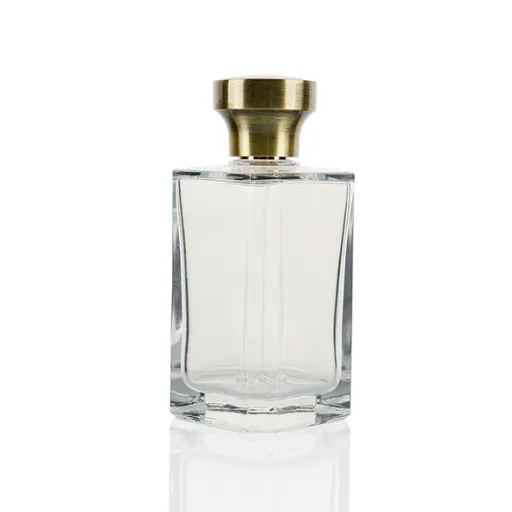
Understanding the production process helps you ask better questions and spot quality issues before committing to a full order.
Step 1: Die-Casting
Molten Zamac alloy is injected into a steel mold under high pressure. This process, called die-casting, produces the outer shell in a single piece with minimal waste. Complex shapes and thin walls are possible because the alloy flows smoothly into detailed cavities.
Step 2: CNC Machining and Polishing
After casting, excess material is trimmed and surfaces are refined through CNC machining or hand polishing. This stage determines the final smoothness and dimensional accuracy. Tight-tolerance caps may achieve precision within ±0.05 mm, with high-precision parts reaching ±0.01 mm.
Step 3: Surface Treatment
The cap shell receives its finish through one or more processes:
- Electroplating for gold, silver, nickel, chrome, or rose gold effects.
- PVD coating for enhanced scratch resistance and color stability.
- Brushing, polishing, or sandblasting for matte, satin, or textured surfaces.
- Painting or powder coating for custom colors beyond metallic tones.
Step 4: Insert Assembly and Quality Testing
The inner plastic insert is fitted into the metal shell. Depending on the design, this may include a snap-fit ring, screw thread, or magnetic alignment system. Reputable manufacturers then run quality checks including salt spray tests, alcohol immersion, pull force tests, and repeated open-close cycle testing.
Step 5: Packaging and Shipping
Finished caps are packed to prevent surface damage during transit. Standard production lead times range from 45 to 50 days, with custom mold creation adding approximately 35 days to the timeline.
How to Choose a Zamac Perfume Cap Supplier
Not every supplier delivers the same quality. Use this checklist to evaluate potential partners before you place a large order.
Verify Material Quality
Ask for the alloy grade and zinc content. Premium caps should use high-purity Zamac with more than 95% zinc. Request material certifications and confirm compliance with RoHS and REACH regulations if you are selling into the EU or North American markets.
Inspect Surface Finish Standards
Check plating thickness and uniformity. Thin or uneven plating will chip and tarnish quickly. Ask for salt spray test reports and alcohol immersion results. A reliable supplier will have no problem sharing these documents.
Match Closure Type to User Experience
Decide whether you need a standard pull-off cap, snap-fit closure, screw cap, or magnetic system. Magnetic Zamac perfume caps cost more but deliver a stronger luxury impression. Make sure the magnet strength is balanced: strong enough to stay aligned, but not so strong that removal feels difficult.
Confirm Bottle Compatibility
Measure your bottle neck finish carefully. The most common specification is FEA 15 mm, but deviations exist. Provide your supplier with bottle samples or detailed technical drawings so you get a proper fit the first time.
Require Quality Testing Documentation
Request evidence of:
- Salt spray corrosion testing
- 48-hour alcohol immersion testing
- Pulling force and torque tests
- Repeated open-close lifecycle testing
- Dimensional tolerance verification
Compare MOQ, Pricing, and Lead Times
Custom Zamac perfume caps typically start at 500 pieces for simple designs and climb to 10,000 pieces per model or color for complex, highly finished caps. Wholesale pricing generally falls between 0.25and0.25and0.98 per piece depending on volume, weight, finish, and closure type. Balance unit cost against inventory risk when choosing your order size.
Review Certifications and Compliance
Look for suppliers with ISO 9001 quality management systems. If sustainability is part of your brand promise, ask about REACH, RoHS, and MSDS documentation. Some premium manufacturers also hold SMETA social compliance audits, which can matter for luxury brand partnerships.
At Fuzhou Longlu Packaging Co., Ltd., we guide fragrance brands through every step of this process. From alloy selection to surface finishing, our team helps you specify custom packaging solutions that protect your product and elevate your brand.
Customization Options for Zamac Caps
One of the strongest reasons to choose Zamac is the breadth of customization available.
Plating Colors
Gold, silver, rose gold, gunmetal, chrome, nickel, antique brass, matte black, and white are all achievable. Two-tone combinations can also be produced for distinctive brand identities.
Surface Textures
Brushed metal creates a refined, understated look. High-polish mirror finishes deliver glamour. Matte and sandblasted textures feel modern and tactile. Antique effects add heritage character.
Logo Techniques
- Laser engraving for precise, permanent detail.
- Embossing and debossing for raised or recessed brand marks.
- Screen printing for color logos.
- Diamond cutting for sharp, reflective edges.
Closure Styles
Standard press-fit caps are economical and reliable. Snap-fit designs add an audible click. Magnetic closures offer the highest perceived value and are ideal for premium lines.
Unique Shapes and Inlays
Because Zamac flows into complex molds, designers can specify sculptural caps with gemstone inlays, leather wraps, wood accents, or crystal details. These become collectible objects that extend brand visibility far beyond the initial purchase.
Sustainability and Compliance in Zamac Perfume Caps
Sustainability is no longer optional in fragrance packaging. According to industry research, Millennials and Gen Z consumers actively seek products with eco-friendly packaging. Zamac supports that story in several ways.
First, the alloy is 100% recyclable. At end of life, the metal can be recovered and reused without degrading its properties. Second, Zamac caps paired with recyclable glass bottles and minimal plastic inserts create a more circular package than all-plastic alternatives.
To maximize the environmental benefit, specify low-VOC coatings, recyclable PP or ABS inserts, REACH and RoHS compliance, and consolidated shipping.
Brands should also request compliance documentation upfront. A supplier that can’t provide MSDS, REACH, or RoHS certificates may expose your product to regulatory risks in key markets.
Mini-Story: When the Cap Changed Everything
When Elena launched her niche fragrance house in late 2024, she chose lightweight plastic caps to keep costs down. The juice inside was exceptional, but retail buyers kept passing. One boutique owner told her the bottle “did not feel expensive enough to justify the price.”
Elena switched to a brushed gold Zamac cap with a magnetic closure. The unit cost increased by $0.42 per bottle, but the perceived value shifted dramatically. Within six months, three premium retailers picked up the line, and her average order value rose by 18%. The cap did not change the fragrance. It changed how customers judged it.
Mini-Story: The Sourcing Mistake That Cost a Launch
Marcus, a product developer for a mid-sized cosmetics brand, found a Zamac cap supplier offering prices 30% below market rate. He placed a 5,000-piece order without requesting salt spray or alcohol immersion reports. When the shipment arrived, the plating began flaking after two weeks on the assembly line.
The supplier argued the issue was storage-related and refused a full refund. Marcus missed his holiday launch window and had to rush a replacement order at premium air freight rates. His total cost ended up 40% higher than if he had vetted the first supplier properly. The lesson: the cheapest quote is rarely the least expensive choice.
Pricing, MOQ, and Lead Time Benchmarks
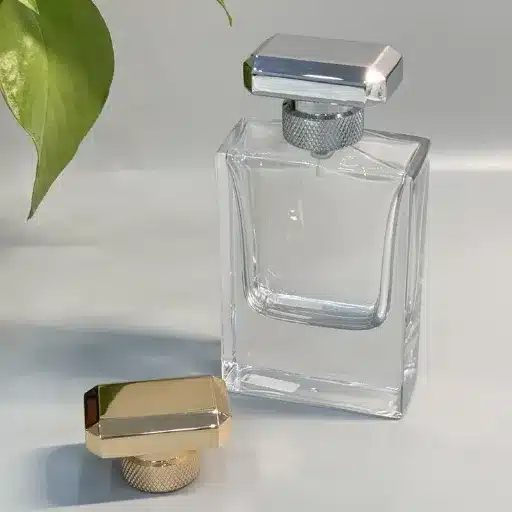
The table below summarizes realistic market expectations for Zamac perfume cap orders in 2026.
| Parameter | Typical Range | Notes |
|---|---|---|
| MOQ | 500–10,000 pcs | Lower for simple designs; higher for custom molds |
| Unit price | 0.25–0.25–0.98 | Depends on volume, finish, weight, and closure type |
| Sample lead time | 3–7 days | Existing designs faster; custom samples take longer |
| Mold development | ~35 days | One-time cost for original designs |
| Standard production | 45–50 days | After sample approval |
| Monthly capacity | 50,000–300,000+ pcs | Varies significantly by factory size |
These numbers are benchmarks, not guarantees. Always request formal quotes from at least three suppliers and compare specifications line by line rather than focusing only on price.
Frequently Asked Questions
What does Zamac stand for?
Zamac is short for Zinc, Aluminum, Magnesium, and Copper. It describes a family of zinc-based alloys commonly used for decorative metal parts including perfume caps.
Are Zamac perfume caps magnetic?
They can be. Magnetic closures are a popular upgrade for luxury Zamac perfume caps. The magnets are embedded inside the cap and aligned with a metal collar on the bottle neck for a precise, satisfying fit.
How much do Zamac perfume caps cost?
Wholesale pricing typically ranges from 0.25to0.25to0.98 per piece. Final cost depends on order volume, cap weight, surface finish, closure type, and customization complexity.
What is the MOQ for custom Zamac caps?
Minimum order quantities usually range from 500 pieces for simple, stock-compatible designs to 10,000 pieces per color for fully custom caps with new molds.
Can Zamac perfume caps be recycled?
Yes. Zamac is 100 percent recyclable. Combined with glass bottles and minimal plastic inserts, it supports more sustainable fragrance packaging than all-plastic alternatives.
Conclusion
Zamac perfume caps remain the material of choice for fragrance brands that want to communicate luxury before the first spray. Their weight, durability, design flexibility, and recyclability create a combination that plastic and aluminum simply cannot match.
The key to success is choosing the right supplier. Focus on alloy grade, surface finish quality, closure mechanics, bottle compatibility, and compliance documentation rather than price alone. Ask for test reports, compare MOQs carefully, and budget realistic lead times for mold development and production.
If you’re planning a fragrance launch or upgrading an existing line, Fuzhou Longlu Packaging Co., Ltd. can help. We specialize in custom packaging solutions for cosmetics and fragrance brands, from concept development to final delivery. Contact us today for a free quote, sample request, or design consultation. Let us help you create a cap that turns your fragrance into an object customers want to keep and display.