The best wine gift box packaging balances protection, presentation, and brand storytelling. It turns a simple bottle into a memorable unboxing experience while keeping shipping costs under control.
What if your packaging became the reason a customer chose your wine over a competitor’s? In 2026, that is not a hypothetical question. The global wine packaging market is projected to reach between USD 6.62 billion and USD 8.6 billion, and the wine box segment alone is growing at 5.1% to 7.6% annually. Buyers are no longer judging wine by the label alone. They notice the box, the insert, the closure, and the unboxing moment.
We agree that choosing wine gift box packaging feels overwhelming. There are dozens of materials, structures, and finishes. You also need to balance cost, sustainability, and production lead times. In this guide, you will learn how to select the right structure, material, and finish for your wine gift boxes. We will also walk through the sourcing process so you can move from concept to production sample with confidence.
At Fuzhou Longlu Packaging Co., Ltd., we produce custom packaging for wine brands, retailers, and e-commerce sellers worldwide. This guide reflects what we have learned from thousands of orders across different bottle sizes, markets, and budgets.
Key Takeaways
- Wine gift box packaging is a secondary packaging layer that protects bottles and elevates brand perception.
- Paperboard dominates the wine box market with 56.3% share, but wood, corrugated, and eco-friendly materials each serve different use cases.
- Premium finishes like foil stamping, embossing, and soft-touch lamination can justify higher retail prices.
- E-commerce wine sellers need shipping-ready designs with protective inserts to reduce breakage below 1%.
- A reliable manufacturer should offer clear MOQs, sample approval, sustainability certifications, and export logistics support.
What Is Wine Gift Box Packaging?
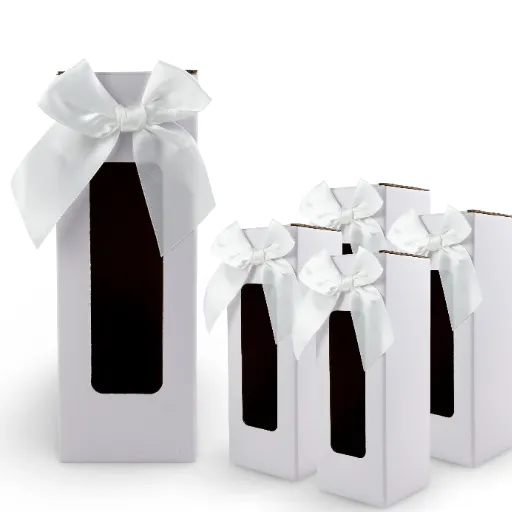
Wine gift box packaging is the secondary container that holds one or more wine bottles for gifting, retail display, or e-commerce shipment. It sits outside the primary bottle and label but inside the outer shipping carton. Its job is to protect, present, and promote the product.
Unlike standard corrugated shipping boxes, wine gift boxes are designed to be seen and kept. They often include inserts, closures, and finishing techniques that create a tactile experience. The right box can make a 20bottlefeellikea20bottlefeellikea50 gift and a premium bottle feel like a collector’s item.
Why It Matters for Your Brand
Packaging is the first physical touchpoint between your brand and the customer. According to industry research, 72% of consumers say packaging design influences their purchasing decisions. For wine specifically, the box communicates quality before the cork is ever pulled.
A well-designed wine gift box also solves practical problems. It prevents bottles from clinking during transport. It provides structure for retail shelves. And it gives e-commerce brands a shareable unboxing moment that drives social media visibility.
Types of Wine Gift Box Packaging
When buyers search for wine gift box packaging ideas, they usually have a specific use case in mind. The structure you choose should match your audience, distribution channel, and price point.
Single-Bottle Wine Gift Boxes
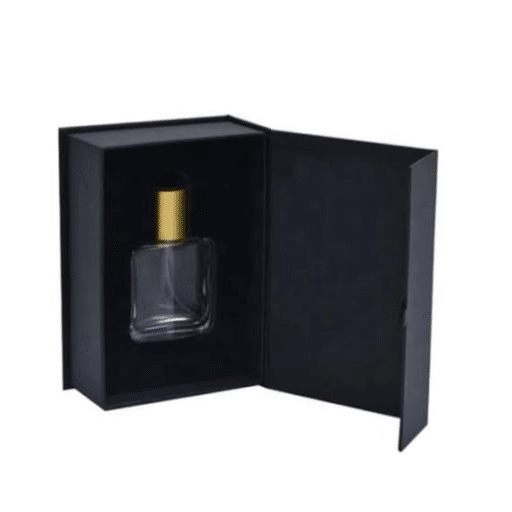
Single-bottle boxes are the most common format, accounting for an estimated 61.1% of the wine box capacity segment. They are ideal for corporate gifts, retail promotions, and wedding favors. Common styles include magnetic closure boxes, drawer-style boxes, and book-style flip-top boxes.
Two-Bottle and Multi-Bottle Wine Boxes
Two-bottle boxes are popular for holiday gifts and winery tastings. Six-bottle wooden crates remain a classic choice for wine clubs and collector sets. Multi-bottle designs require careful insert engineering to prevent bottle-to-bottle contact.
Wooden Wine Boxes
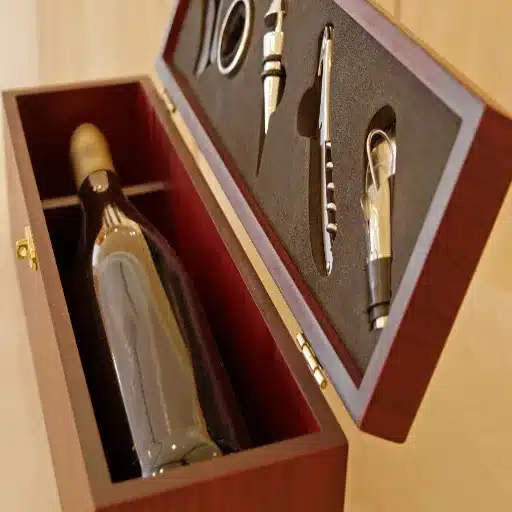
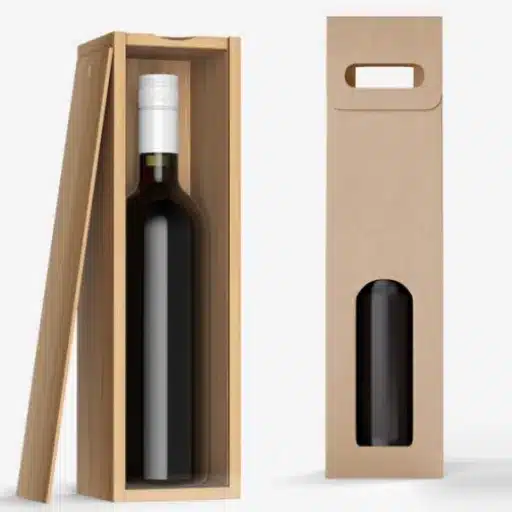
Wooden wine boxes convey heritage, luxury, and reusability. Pine, paulownia, and walnut are common choices. These boxes work well for anniversary editions, corporate gifts, and high-end retail. They cost more than paperboard but are often kept as storage or display pieces.
Rigid Cardboard Wine Boxes
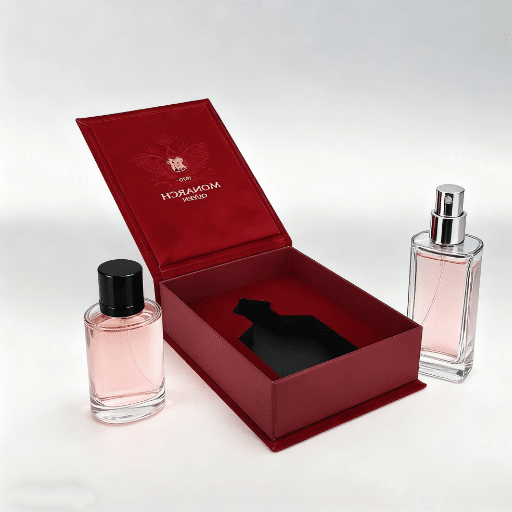
Rigid boxes, also called set-up boxes, offer a premium feel at a lower weight than wood. They accept foil stamping, embossing, and soft-touch lamination beautifully. This makes them the go-to choice for luxury wine gift boxes that need to look expensive without expensive freight.
Corrugated Wine Mailer Boxes
Corrugated mailers are built for shipping. They combine protection with print-quality surfaces. For e-commerce wine sellers, corrugated mailers with custom inserts are often the most practical wine gift box packaging for e-commerce.
Drawer-Style and Magnetic Closure Boxes
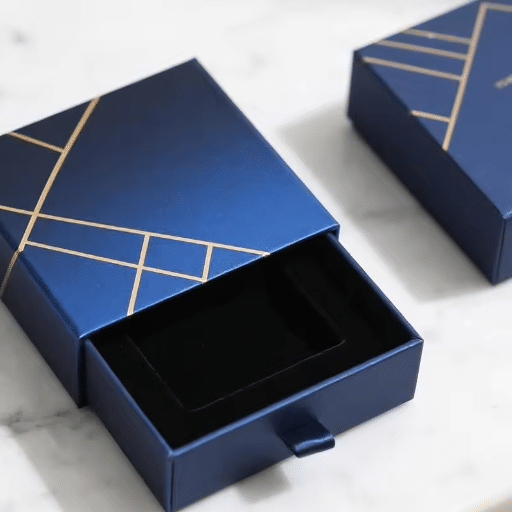
Drawer and magnetic boxes create a slow, deliberate unboxing experience. They are favorites for subscription boxes and premium gift sets. The mechanism itself becomes part of the brand story.
Materials for Wine Gift Box Packaging
Material selection drives cost, sustainability, protection, and perceived value. Here is how the most common options compare.
| Material | Best For | Cost | Sustainability | Protection |
|---|---|---|---|---|
| Cardboard / Paperboard | Retail gifts, promotional boxes | $ | Recyclable, FSC options | Light to moderate |
| Rigid Board | Premium gifts, limited editions | $$ | Recyclable | Moderate |
| Wood | Luxury gifts, keepsake boxes | $$$ | Reusable, natural | High |
| Corrugated Fiberboard | E-commerce shipping | $ | Recyclable | High |
| Kraft Paper | Eco-friendly brands | $ | Biodegradable | Light |
Cardboard and Paperboard
Cardboard and paperboard are the workhorses of wine gift box packaging. They print well, fold cleanly, and accept a wide range of finishes. Paper and paperboard hold 56.3% of the wine packaging box market, largely because they balance cost and customization.
Rigid Board
Rigid board offers a denser, more substantial feel. It is the material behind many high-end custom wine gift boxes. If your brand competes on shelf presence, rigid board is worth considering.
Wood
Wooden boxes signal permanence. They are heavier and more expensive, but they also create a keepsake. Many wineries use wooden boxes for club shipments and anniversary vintages. At Fuzhou Longlu, we source wood from certified suppliers and can finish it with engraving, burning, or staining.
Corrugated Fiberboard
Corrugated fiberboard is the safest choice for shipping. It absorbs impact and can be engineered with inserts that lock bottles in place. For DTC wine brands, corrugated mailers reduce breakage and returns.
Eco-Friendly and Sustainable Options
Sustainability is no longer optional. Target’s 2025 launch of paper wine bottles using 94% recycled paperboard cut carbon emissions by 84%. Brands now expect eco-friendly wine gift boxes made from recycled paperboard, kraft paper, or biodegradable materials. Look for FSC-certified paper, soy-based inks, and water-based coatings.
Premium Finishes That Elevate Wine Boxes
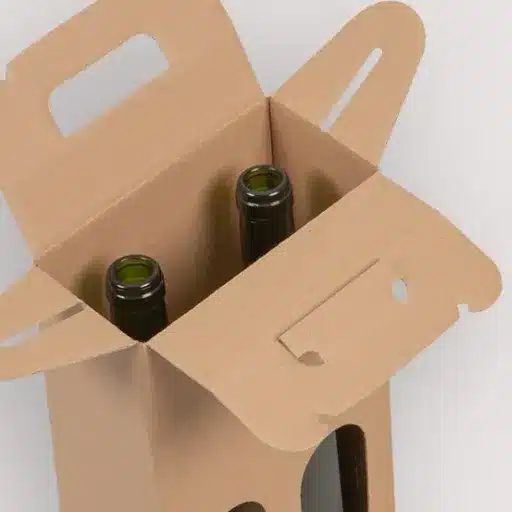
The structure gets the customer to pick up the box. The finish convinces them to keep it. Here are the most effective finishing techniques for wine box packaging design.
Foil Stamping
Foil stamping applies a metallic or pigmented foil to the surface using heat and pressure. Gold, silver, rose gold, and holographic foils are popular for wine packaging. Foil catches light and immediately signals premium quality.
Embossing and Debossing
Embossing raises a design above the surface; debossing presses it in. Both add texture without adding ink. A debossed vineyard logo on a matte black box feels understated and expensive.
Spot UV and Soft-Touch Lamination
Spot UV adds glossy highlights to specific areas, creating contrast against matte backgrounds. Soft-touch lamination gives packaging a velvet-like feel. Together, they create a sensory experience that customers remember.
Window Cutouts
Window cutouts let the bottle show through while keeping it protected. They work especially well for clear bottles and unique labels. The key is to use a clear PET or acetate window that is thick enough to resist tearing.
Custom Inserts and Dividers
Inserts do the quiet work of protection. Foam, cardboard, and molded pulp inserts keep bottles centered and stable. For multi-bottle boxes, dividers prevent contact and clinking.
Wine Gift Box Packaging Trends for 2026
Staying current with luxury wine box packaging trends helps your brand feel relevant. Here is what we are seeing in 2026.
Sustainability and Reusability
Reusable packaging is gaining ground. Boxes that double as storage, planters, or display cases extend the brand’s life in the customer’s home. Recyclable and biodegradable materials are now baseline expectations for many buyers.
Tactile Texture and Premium Unboxing
Texture is the new color. Embossed patterns, soft-touch coatings, and fabric wraps create a multi-sensory experience. The unboxing moment has become a marketing channel, especially for subscription wine boxes.
E-Commerce and Shipping-Ready Designs
DTC wine sales continue to grow. Packaging must survive drop tests and temperature changes without sacrificing appearance. Corrugated mailers with printed interiors and custom inserts are the fastest-growing segment.
Minimalism with Narrative Design
Clean layouts with bold typography are replacing cluttered designs. Brands are using the box panels to tell origin stories, introduce winemakers, or explain tasting notes.
Smart Packaging Integration
QR codes and NFC tags are turning boxes into interactive experiences. A quick scan can lead to pairing suggestions, vineyard tours, or reorder pages. This bridges physical packaging with digital marketing.
How to Design Custom Wine Gift Boxes
Designing custom wine boxes with logo and brand elements is a step-by-step process. Here is the workflow we recommend at Fuzhou Longlu.
Step 1: Define Your Brand and Audience
Start with the end customer. A corporate gift buyer wants understated elegance and logo placement. A millennial subscription customer may prefer bold colors and Instagram-friendly unboxing. Your audience dictates structure, material, and finish.
Step 2: Choose the Right Structure and Material
Match the box to the use case. E-commerce needs corrugated protection. Retail gift sets need shelf appeal. Luxury editions need rigid board or wood. If you are unsure, order samples of two or three structures before committing.
Step 3: Select Finishes and Branding Elements
Choose finishes that reinforce your brand identity. A minimalist brand might use debossing and soft-touch lamination. A celebratory brand might use foil stamping and vibrant interior printing. Keep the design clean enough that the logo remains readable at a glance.
Step 4: Plan Inserts and Protection
Inserts are not an afterthought. They keep bottles secure during shipping and create a tidy presentation. Specify the bottle dimensions, including punt depth and shoulder width, so the insert fits correctly.
Step 5: Source a Reliable Manufacturer
The best design means nothing if production falls short. Work with a manufacturer that offers prototypes, quality control, and clear communication. At Fuzhou Longlu, we guide clients from design file to pre-production sample to final shipment.
Want to see how custom packaging can transform your wine brand? Explore our custom packaging solutions and discover the right structure for your product.
Sourcing Wine Gift Box Packaging: What to Look For
Finding the right supplier is as important as choosing the right design. Here are the factors that separate reliable manufacturers from risky ones.
MOQs and Sample Policies
Minimum order quantities vary widely. Some suppliers require 5,000 units, while others accept 500. Ask about sample policies before placing a bulk order. A pre-production sample lets you verify dimensions, color, and finish.
Lead Times and Production Capacity
Standard turnaround for custom wine boxes is 2 to 4 weeks after sample approval. Peak seasons like Q4 can extend this. Confirm production capacity and holiday schedules early.
Sustainability Certifications
If sustainability matters to your brand, ask about FSC certification, recyclable content, and biodegradable options. Request documentation rather than taking claims at face value.
Quality Control and Prototyping
Quality control should happen at multiple stages: material inspection, printing check, assembly check, and final random inspection. Ask potential suppliers about their QC process and defect rates.
Export and Logistics Experience
Wine box packaging often ships internationally. A manufacturer with export experience understands palletization, customs documentation, and freight consolidation. This reduces delays and damage in transit.
Ready to source your wine gift boxes? Contact us today for a free quote, sample, and production timeline.
Cost Guide: Wine Gift Box Packaging Budgets
Pricing depends on material, size, finish, and order quantity. Here is a practical framework.
| Tier | Price Range | Typical Features | Best For |
|---|---|---|---|
| Budget | 0.10–0.10–0.50 per piece | Standard cardboard, single-color print, simple fold | Large promotions, giveaways |
| Mid-Range | 0.50–0.50–1.50 per piece | Rigid board, foil stamping, custom inserts | Retail gifts, corporate orders |
| Premium | 1.50–1.50–3.00+ per piece | Wood, magnetic closures, full customization | Luxury editions, collector sets |
Factors That Affect Cost
- Material: Wood and rigid board cost more than cardboard.
- Quantity: Higher volumes reduce per-unit cost.
- Finishes: Each added finish increases production time and price.
- Inserts: Custom foam or molded pulp inserts add cost but improve protection.
- Shipping: Dimensional weight affects freight, especially for bulky boxes.
When Elena launched her online wine shop in 2024, she chose the cheapest single-bottle box she could find at 0.18perunit.ByDecember,herreturnratehit80.18perunit.ByDecember,herreturnratehit80.72 corrugated mailer with a custom insert. Returns dropped to 1.2%, and her repeat purchase rate rose 23%. The “expensive” box paid for itself in three months.
Mini-Story: How a Winery Won Corporate Gift Contracts
Marcus runs a mid-sized winery in California. For years, his corporate gift program used plain cardboard carriers. In 2025, he invested in custom wine gift boxes with a magnetic closure, foil-stamped logo, and rigid board construction. The per-unit cost tripled, but the perceived value allowed him to raise his corporate gift price by 40%. More importantly, three corporate clients renewed contracts specifically because recipients kept the boxes on display. The packaging became a physical reminder of the brand.
Wine Gift Box Packaging for E-Commerce
Selling wine online adds a layer of complexity. The box must survive carriers, temperature swings, and rough handling. It also needs to look good when the customer finally opens it.
Shipping-Ready Structures
Corrugated mailers with locking tabs are the standard for e-commerce. They protect without excessive void fill. Interior printing turns the inside of the box into a brand canvas.
Protective Inserts
Molded pulp inserts are eco-friendly and shock-absorbent. Foam inserts offer premium protection but are less recyclable. Cardboard inserts with die-cut holes are a balanced option.
Dimensional Weight Considerations
Carriers charge by dimensional weight for large, light boxes. A foldable or flat-pack design can reduce shipping volume by 60% or more. This is especially valuable for wholesale wine gift boxes shipped in bulk.
Frequently Asked Questions
What is the best material for wine gift box packaging?
The best material depends on your use case. Rigid board offers premium presentation. Corrugated fiberboard is best for shipping. Wood creates a keepsake. For eco-conscious brands, recycled paperboard or kraft paper is ideal.
How much does custom wine gift box packaging cost?
Custom wine gift boxes typically range from 0.10to0.10to3.00+ per piece. Budget cardboard boxes start around 0.10–0.10–0.50. Mid-range rigid boxes with finishes run 0.50–0.50–1.50. Premium wood or magnetic boxes can exceed $3.00.
What are the most popular wine gift box packaging ideas?
Popular ideas include magnetic closure boxes, drawer-style boxes, double-door reveal boxes, wooden keepsake boxes, and corrugated mailers with custom inserts. Window cutouts and foil-stamped logos are also widely used.
How do I make my wine gift boxes eco-friendly?
Use FSC-certified paperboard, kraft paper, or corrugated fiberboard. Choose soy-based inks and water-based coatings. Avoid plastic windows when possible, and design boxes that are reusable or recyclable.
What should I look for in a wine gift box manufacturer?
Look for clear MOQs, sample approval processes, quality control checkpoints, sustainability certifications, and export logistics experience. A good manufacturer will guide you from design to delivery.
Conclusion
Wine gift box packaging is more than a container. It is a brand statement, a protective layer, and a marketing tool in one. The right structure, material, and finish can increase perceived value, reduce shipping damage, and create memorable unboxing experiences.
As you plan your next wine packaging project, start with your audience. Then choose materials and finishes that align with your brand and budget. Finally, partner with a manufacturer that can turn your design into a consistent, high-quality product.
At Fuzhou Longlu Packaging Co., Ltd., we help wine brands create custom wine gift boxes that protect bottles and elevate brands. From eco-friendly kraft boxes to luxury rigid boxes with foil stamping, we offer the materials, finishes, and export expertise you need.
Get a free quote and sample today. Contact our team and let us help you design wine gift box packaging that your customers will remember.