Luxury wine packaging boxes are rigid or engineered secondary packages built from heavyweight board, precision closures, and layered finishes that signal a bottle’s value before the cork is pulled. If you sell wine above roughly $40 a bottle, the box is not a cost line. It is the first sip.
Consider Elena, a Napa estate winemaker releasing 600 cases of a reserve Cabernet at 150.Herwinescored94points.Herreleaseemailconverted.Butathirdofherallocationbuyerslatertoldherthesamething:theplainkraftshippermadea150.Herwinescored94points.Herreleaseemailconverted.Butathirdofherallocationbuyerslatertoldherthesamething:theplainkraftshippermadea150 gift feel like a $40 one.
The liquid was exceptional. The arrival was not. That gap is exactly what luxury wine packaging boxes exist to close.
You already know presentation matters. You’ve seen it in your own tasting room. The promise of this guide is simple: by the end, you’ll be able to specify luxury wine packaging boxes with the same confidence you bring to the wine itself. We’ll cover the four signals that separate premium from standard, the structures and materials that create them, the 2026 shift toward quiet luxury, and a sourcing framework that protects both your budget and your brand.
Key Takeaways
- Luxury is measurable. Four signals do the work: weight (1200 to 2000 gsm board), touch (soft-touch and deep emboss), reveal (magnetic or drawer mechanics), and restraint (one heroic finish, not five).
- The hero format is a two-bottle magnetic-closure rigid box with soft-touch wrap, gold foil, and a molded-pulp insert.
- Sustainability is now the entry ticket, not a compromise. FSC board, molded-pulp inserts, and soy inks raise perceived value.
- Premium wine packaging boxes run roughly 1.50to1.50to6 or more per unit; spend on closure and one hero finish, save with right-weighting and collapsible designs.
- For export, collapsible magnetic rigid boxes can cut inbound freight and storage volume by up to about 70%.
What Makes Wine Packaging “Luxury”?
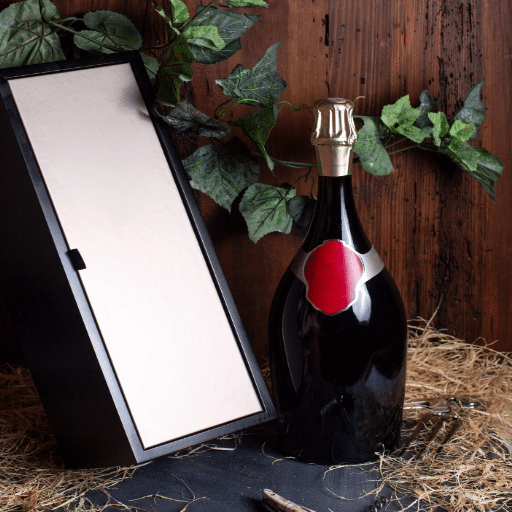
Most buyers use “luxury” loosely. That vagueness is expensive, because it leads to over-spending on the wrong details or under-specifying the ones that matter. A clearer definition keeps budgets honest.
Luxury wine packaging boxes differ from standard cartons in four ways you can actually measure and specify:
- Weight. Rigid board at 1200 to 2000 gsm (about 1.2 to 2.0 mm) gives a box heft that reads as quality the instant it is lifted.
- Touch. Soft-touch lamination, textured wraps, and deep embossing create a tactile response before the box is even opened.
- Reveal. Concealed magnets, drawer slides, and ribbon pulls turn opening into a small ceremony.
- Restraint. Premium design in 2026 favors one confident finish over a pile of effects. Restraint signals taste.
Secondary packaging also shapes willingness to pay. When the box communicates craft, buyers anchor on a higher price and feel good gifting the bottle unopened. That’s the commercial logic behind every dollar spent on premium wine packaging.
Want a broader view first? See how tailored packaging fits an entire product line in our guide to custom packaging solutions. It is a useful foundation before you zoom into the premium end of wine.
Luxury Wine Box Styles
Structure is the first decision, because it dictates cost, protection, and the opening experience. Here are the formats that dominate luxury wine packaging boxes, and when each one earns its keep.
Magnetic Closure Rigid Boxes
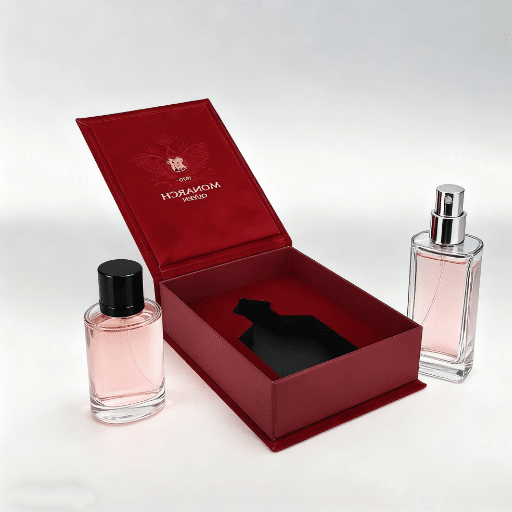
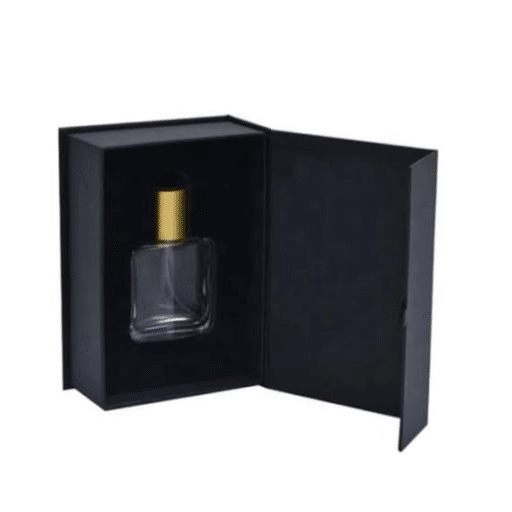
This is the hero format for premium wine. A rigid board shell with a hinged lid closes on concealed neodymium magnets, not cheaper ferrite ones, for a clean, satisfying snap. It suits single-bottle reserves and two-bottle gift sets, and it photographs beautifully for e-commerce.
Drawer and Sliding-Tray Boxes
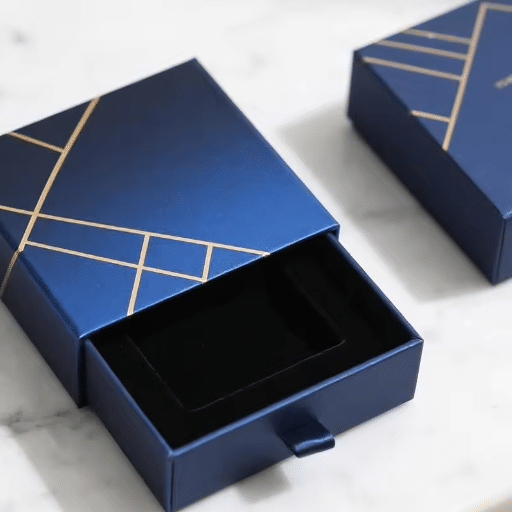
A drawer box reveals the bottle horizontally, like jewelry. The sliding tray builds anticipation and works well for vertical retail displays where the bottle is the centerpiece. It costs a little more to engineer but delivers a memorable “reveal moment.”
Book-Style and Double-Door Boxes
Book-style boxes open like a hardcover, leaving room for a printed story panel, tasting notes, or a vintage certificate inside the lid. Double-door designs part in the middle and suit prestige allocations where theater matters.
Cylinder and Tube Presentation Boxes
Round tubes are a classic for single bottles and ship surprisingly well. They stand out on a shelf of rectangular cartons and pair nicely with minimalist, modern labels.
Collapsible and Foldable Rigid Boxes
Collapsible magnetic boxes assemble from a flat blank into a rigid-feeling form. They are the export engineer’s answer to premium presentation, because they ship flat and cut inbound freight and storage volume dramatically. More on that in the sourcing section.
Multi-Bottle Premium Sets
Two-bottle and three-bottle configurations anchor corporate gifting and collector sets. The insert is the critical detail here, since bottles must not touch. Many premium programs start with a two-bottle hero set and expand from there. For a full tour of styles, materials, and branding options, see our guide to custom wine boxes.
Materials That Signal Premium
Once structure is set, material choice does most of the sensory work. The stack is simple: a rigid core, a wrap, and an insert. Each layer sends a signal.
Rigid Board: Why Weight Matters
Greyboard or chipboard in the 1200 to 2000 gsm range is the backbone of luxury wine boxes. Heavier board resists warping, holds crisp edges, and gives the box the heft buyers associate with quality. A full 750 ml bottle weighs about 1.3 to 1.5 kg, so the board also has a job to do structurally. Under-spec it, and the bottom can drop out under load.
Wrap Papers
The wrap is what hands actually touch. Options include coated art paper for sharp print, uncoated specialty stock for a matte, tactile feel, soft-touch film for a velvety hand, and leather-grain or linen textures for a heritage impression. Wraps typically run 120 to 157 gsm.
FSC and Recycled Board
Premium no longer means virgin. FSC-certified greyboard and post-consumer recycled (PCR) content now carry their own prestige, especially for organic and biodynamic producers whose packaging must match the story in the bottle.
Premium Inserts
Inserts cradle the bottle and complete the unboxing. The traditional choice is EVA foam, often flocked or velvet-wrapped. The 2026 direction is molded pulp and dry-molded fiber, which feel considered, photograph cleanly, and satisfy plastic-free goals. Die-cut paperboard inserts are a strong middle ground for tighter budgets.
| Element | Standard Wine Box | Luxury Wine Box |
|---|---|---|
| Structure | Folding carton | Rigid / engineered (magnetic, drawer, book-style) |
| Board | 300 to 600 gsm paperboard | 1200 to 2000 gsm greyboard |
| Wrap | Standard coated paper | Soft-touch, textured, or specialty 120 to 157 gsm |
| Finish | CMYK print, basic lamination | Foil + deep emboss + spot UV, used with restraint |
| Insert | Card divider or none | Molded pulp, EVA, velvet, or flocked |
| Closure | Tuck flap | Concealed neodymium magnets, ribbon pull, drawer |
| MOQ | Low | Flexible, often from 100 to 500 for limited runs |
| Indicative unit cost | 0.30to0.30to1.00 | 1.50to1.50to6+ |
Premium Finishes and Tactile Design
Finishes are where luxury becomes visible, but they are also where budgets quietly blow up. The discipline is to pick one heroic finish and support it, not to stack every option.
The workhorses are well established:
- Foil stamping in gold, silver, or bronze for logos, borders, and vintage marks.
- Embossing and debossing to add depth you can feel, especially a deep, single-logo emboss.
- Spot UV to make a crest or pattern catch the light against a matte field.
- Soft-touch lamination for that velvety, almost suede-like hand.
The defining idea for 2026 is quiet luxury. As Global Package notes in its review of wine and spirits packaging, the premium signal is shifting from heavy ornament toward intelligent design where tactility and restraint carry the value. One deep emboss on uncoated FSC board often reads as more expensive than foil, UV, and texture fighting for attention on the same lid.
Touch is a dopamine moment. A buyer who runs a thumb over a leather-grain wrap or a debossed crest has already decided the bottle inside is serious, before they see a single drop. That is why high-end wine packaging invests in the hand, not just the eye.
Picture Marco, who runs a boutique importer’s gifting program. In 2025 he specified three finishes on a corporate two-bottle set: foil, spot UV, and a glitter lamination. The boxes photographed busy and felt slippery.
For the 2026 holiday run he stripped back to a single deep emboss on a soft-touch wrap. Unit cost fell by about 18%, returns from corporate clients rose, and the most common compliment was “it feels expensive.” Less, executed well, beat more.
Briefing a designer? If you want a foil-and-emboss proof before you commit to a full run, our team can produce a blank structural sample and a printed sample so you can feel the difference. Request a free structural sample and we will spec the finish stack with you.
Sustainable Luxury: Premium Without the Waste
A persistent myth says luxury and sustainability pull in opposite directions. For wine, the opposite is now true. For organic, biodynamic, and estate producers, a plastic-heavy box contradicts the very story that justifies the price.
Sustainability has become the entry ticket, not a differentiator. Buyers expect it, and premium retailers increasingly require it. The good news is that the sustainable stack is also the more premium-feeling stack:
- FSC-certified board and PCR content for the rigid core.
- Water-based adhesives and soy-based inks for cleaner production.
- Molded-pulp and dry-molded-fiber inserts instead of EVA foam.
- Plastic-free construction that is fully recyclable.
JR Packing reports that dry-molded-fiber and recycled-paperboard constructions can cut lifecycle carbon by roughly 42% versus conventional builds, a number worth putting in front of both your sustainability lead and your finance team. Reusability adds another layer: a box beautiful enough to keep becomes a storage case or a gift box in its own right, extending your brand into the buyer’s home. If you want to go deeper on material choices, our guide to eco-friendly packaging materials breaks down recyclable, biodegradable, and FSC-certified options.
Luxury Wine Packaging Trends for 2026
Four currents are shaping premium wine packaging this year. Together they point toward boxes that are lighter, smarter, more tactile, and easier to personalize.
- Quiet luxury and right-weighting. Designers are engineering rigid boxes to use less material without losing presence. Lighter board where it can be, structure doing the work, carbon down, shelf impact intact.
- Haptic surfaces and storytelling restraint. Texture and a single confident finish replace crowded decoration. The brand story moves to a considered inside panel rather than shouting across the lid.
- Smart and connected packaging. QR codes, NFC, and RFID turn a premium box into a provenance and authentication layer. For high-value and allocated wine, a tap can confirm origin, storage history, and pairing notes. Top Wine Pack highlights texture and reusability as defining 2026 themes, and the connected layer is the natural next step for bottles worth collecting.
- Personalization at small scale. Digital print makes short runs economical, so a 300-case allocation can carry individualized graphics, numbered editions, or recipient names without blowing the budget.
The clearest industry signal came from Packaging Première Milan 2026, which placed eco-design, tactile surfaces, storytelling, and sustainable luxury at the center of the premium agenda. The rigid box market reflects the demand: TrendX Insights projects it will reach about $12.87 billion by 2034, growing near 7.6% annually, with sustainability and unboxing as the primary engines.
How to Spec a Luxury Wine Box: A 5-Step Framework
A repeatable framework keeps premium projects on brief and on budget. Use these five steps whether you are briefing a factory or scoping in-house.
Step 1: Define the Moment
Name the occasion the box serves: a reserve allocation release, a corporate gift, a retail gift set, or a collector’s piece. The moment dictates structure, run size, and how much theater the opening needs.
Step 2: Choose Structure and Closure
Match format to moment. Magnetic rigid for reserves, drawer for retail theater, book-style for storytelling, collapsible for export. Specify the closure hardware explicitly, including magnet type.
Step 3: Set Board, Wrap, and Finish Stack
Lock the board gsm, choose the wrap, then commit to one heroic finish with restrained support. Document it as a “stack” so the factory prices exactly what you want.
Step 4: Engineer the Insert and Protection
Size the cavity to your exact bottle profile, since Bordeaux, Burgundy, and Alsace bottles differ in height and shoulder. Decide between molded pulp, EVA, or paperboard based on protection, feel, and sustainability targets.
Step 5: Validate with Samples
Always approve a blank structural sample first to test fit, heft, and the opening. Then approve a printed sample to confirm color (Pantone, CMYK, or G7), foil registration, and finish before mass production.
If your release involves gifting occasions like holidays or weddings, our guide to wine gift box packaging covers occasion-specific ideas that pair well with this framework.
Sourcing Luxury Wine Packaging Boxes
Premium projects reward the buyers who plan early and specify tightly. A few realities separate a smooth release from a stressful one.
MOQ strategy for limited editions. Small-batch flexibility matters when your release is 300 cases, not 30,000. Many manufacturers, including ours, support premium runs from a few hundred units, which keeps limited editions genuinely limited.
Lead times around your calendar. Sampling typically takes 7 to 15 days; mass production runs longer. Work backward from your bottling and release dates, and build in approval time for both samples. Vintage calendars do not move for late packaging.
Quality control. Specify board caliper, magnet pull strength, print registration tolerance, and color standard upfront. The tighter the spec sheet, the fewer surprises on arrival.
Export engineering. Premium glass in a rigid box is heavy and bulky. Collapsible magnetic formats ship flat and can reduce inbound freight and storage volume by up to about 70%, which also softens duties and warehousing costs. For international brands, this single choice often pays for the upgrade to rigid.
What to send for an accurate quote: bottle height, diameter, and weight; bottle count per box; preferred structure and closure; board gsm; wrap and finish stack; insert type; quantity; target market; and shipping terms. The more complete the brief, the more accurate the price.
Ready to spec your release? Send us your bottle dimensions and target quantity, and we will return a structure, finish stack, and price within days. Start your free quote.
Cost Guide: The Premium Price Band
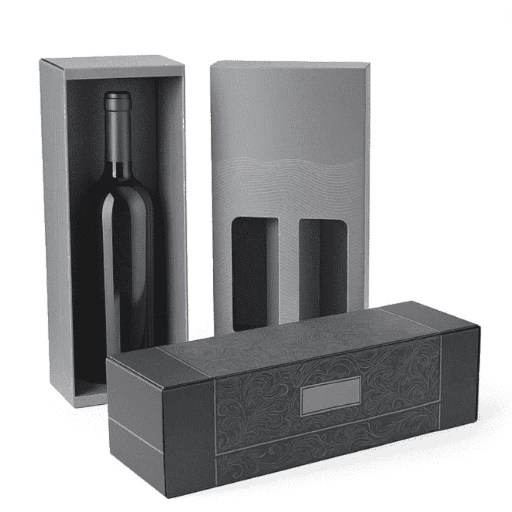
Luxury wine packaging boxes sit in their own price band, above standard cartons and below fully bespoke commissions. Indicative ranges, assuming typical MOQs:
- Entry premium: about 1.50to1.50to3.00 per unit. Rigid board, one foil or emboss, simple insert.
- True luxury: about 3.00to3.00to6.00 per unit. Heavier board, soft-touch wrap, magnetic closure, molded-pulp or flocked insert.
- Bespoke and limited: $6.00 and up. Book-style or double-door, NFC layer, numbered editions, premium textiles.
The cost drivers are predictable:
- Board gsm (heavier board costs more)
- Closure hardware (neodymium magnets vs. tuck flaps)
- The number of finishes in the stack
- Insert type (molded pulp vs. flocked EVA)
- Order volume and tooling
Spend where the hand and the eye land first, which is the closure and one heroic finish. Save by right-weighting the board, choosing collapsible formats for export, and keeping the finish count disciplined.
Frequently Asked Questions
What makes a wine box “luxury” instead of standard?
A luxury wine box uses heavyweight rigid board (1200 to 2000 gsm), a precision closure such as concealed magnets, layered tactile finishes, and a fitted insert. Standard cartons use lighter paperboard and a tuck flap. The difference shows in weight, touch, and the opening experience.
How much do luxury wine packaging boxes cost?
Most premium rigid wine boxes land between roughly 1.50and1.50and6.00 per unit, depending on board, closure, finishes, insert, and quantity. Bespoke limited editions with NFC or textiles can exceed $6.
Can luxury wine packaging be sustainable?
Yes, and for premium wine it should be. FSC-certified board, molded-pulp inserts, soy inks, and plastic-free construction are fully recyclable and tend to feel more considered than foam-heavy alternatives.
What is the minimum order for luxury wine boxes?
It varies by factory, but many support premium runs from a few hundred units. That flexibility is what makes limited allocations and estate releases practical in rigid packaging.
Which insert is best for a premium wine box?
Molded pulp is the 2026 favorite for combining a premium look with plastic-free credentials. EVA and velvet inserts still suit programs that want a traditional, plush feel, while die-cut paperboard balances cost and presentation.
Conclusion: Spec the Box Like You Spec the Wine
Luxury wine packaging boxes are not decoration. They are a measurable system of weight, touch, reveal, and restraint, and in 2026 they are increasingly sustainable by default. Get the structure right, invest in one heroic finish, choose inserts that match your values, and engineer for export if your bottles cross borders.
The thread through every section is the same one Elena learned after her reserve release: premium wine deserves an arrival that matches the liquid. When the box is right, buyers anchor higher, gift more confidently, and remember your label.
Ready to build yours? Tell us your bottle profile, quantity, and target date, and we will spec a structure, finish stack, and price, then ship a blank structural sample you can hold in your hands. Request your free structural sample and quote and give your next release the first impression it has earned.