The short answer: for alcohol-based fragrance and essential-oil samples, glass tester bottles win. Plastic is the right call only when low per-unit cost, shatter resistance, and high-volume distribution outweigh scent preservation.
That sounds simple, but it hides a real trade-off that trips up fragrance brands every day. The cheapest option can quietly become the most expensive decision you make this year.
Here’s why it matters. When a customer samples your fragrance, the bottle is doing a job you may not see. It either protects the scent exactly as you formulated it, or it slowly changes it. Choose wrong, and the product your customer tries is not the product you made.
You probably already suspect glass is “nicer.” That instinct is correct, but it’s not the whole story. In this guide, we’ll give you the numbers, the science in plain English, and a clear decision matrix so you can pick the right material for your specific sampling program. We’ll stay focused on the glass vs. plastic choice here; for the full landscape of tester bottle types and sourcing, see our complete guide to perfume tester bottles.
Key Takeaways
- For alcohol-based fragrances, essential oils, and citrus-heavy formulas, glass preserves scent integrity that plastic can degrade.
- Plastic wins on price (roughly 0.01–0.01–0.05 per 1ml vial vs. 0.05–0.05–0.15 for stock glass) and on shatter resistance for high-volume, on-the-go sampling.
- The closure, not just the bottle wall, is the top risk for leaks and top-note loss.
- Sustainability is not a one-sided win: glass recycles infinitely, but plastic is lighter to ship and often cheaper at scale.
- Match the material to your sampling program, not your ego. Retail counters lean glass; subscription boxes and travel samples often lean plastic or PET.
Glass vs. Plastic Tester Bottles: The Quick Answer at a Glance

Before we go deeper, here is the comparison most brands are really looking for.
| Factor | Glass Tester Bottles | Plastic Tester Bottles |
|---|---|---|
| Scent preservation | Excellent; inert and non-porous | Can absorb fragrance or let it escape over time |
| Cost per unit | ~0.05–0.05–0.15 (stock 2ml) | ~0.01–0.01–0.05 (1ml) |
| Typical MOQ | 1,000–3,000 (stock) | 10,000–50,000 |
| Durability | Breakable | Shatter-resistant |
| Weight | Heavier (higher freight) | Lighter (lower freight) |
| UV protection | Strong, especially amber glass | Weak unless tinted |
| Recyclability | Infinitely recyclable | Downcycles; low recycling rates |
| Best for | Premium brands, alcohol-based scent, long shelf life | Budget runs, travel samples, high-volume distribution |
The takeaway from the table: this isn’t a contest where one material wins everything. It’s a question of which risk you’re willing to accept for a given use case.
How Your Bottle Material Affects Fragrance Integrity
This is the section where glass pulls ahead, and it matters most for the products you are likely sampling.
Permeation vs. Scalping: What Plastic Does to Top Notes
Fragrance is volatile. The top notes, the bright citrus and fresh florals you smell first, are the smallest and most eager molecules to escape. Plastic loses top notes in two ways that glass largely avoids.
First, permeation. Gas and vapor pass through plastic walls far more readily than through glass. Over weeks, the lightest aromatic compounds simply drift out.
Second, scalping. Some fragrance molecules do not escape. They sink into the plastic itself. A citrus compound like limonene can soften, cloud, or even crack certain plastics over time. That is why a perfume stored in the wrong plastic can arrive smelling dull, with the top notes noticeably flattened.
Consider this real-world scenario.
When Maya launched her indie fragrance line, she ordered 20,000 plastic 1ml vials for a discovery set. The per-unit price was irresistible. Six weeks later, reviews started coming in: “smells like alcohol,” “the citrus is missing,” and a few complaints about leaking caps. The vials had cost less than a tenth of glass, but the damaged launch reviews cost her a retailer reorder and weeks of reputation repair. The savings evaporated.
Why Glass Is the Safe Default
Glass is chemically inert. It does not react with alcohol, essential oils, or fragrance compounds. It’s also non-porous, so it neither absorbs your scent nor lets the outside in. This is why perfumers, almost without exception, store and ship their finished fragrances in glass.
The result is consistency. The scent a customer tries from a glass vial is, as closely as possible, the scent you bottled.
Light and Oxidation: Why Amber Glass Matters
Light is the other quiet enemy. Unprotected essential oils and fragrance oils can lose a meaningful share of their potency in a matter of weeks when exposed to light. One packaging supplier’s research notes that oils can lose up to roughly 40% potency within eight weeks of unprotected light exposure.
Amber glass blocks more than 90% of UV light below 450 nanometers, the range most responsible for photodegradation. Clear plastic, by contrast, offers little shielding unless it is specially tinted. If your sample contains essential oils or light-sensitive actives, amber glass is not a luxury. It’s functional.
Cost, MOQs, and Lead Times: What It Actually Costs

For many brands, cost is the deciding factor. Let us look at the real numbers, because most competitor blogs keep these vague.
Per-Unit Cost Ranges
Typical wholesale pricing for tester bottles, based on supplier and sourcing data, breaks down like this:
- Stock glass 2ml vials: roughly 0.05–0.05–0.15 per unit
- Custom glass 5ml atomizers: roughly 0.25–0.25–0.80 per unit
- Plastic 1ml vials: roughly 0.01–0.01–0.05 per unit
Plastic’s advantage here is real and large. On a 50,000-piece sampling run, the difference between one cent and eight cents per unit is thousands of dollars. For a high-volume, price-sensitive program, plastic is hard to beat on upfront cost.
Minimum Order Quantities and Lead Times
The other cost driver is the minimum order quantity, or MOQ.
- Stock glass vials usually start around 1,000–3,000 units, which is friendly for small and mid-size brands.
- Custom glass typically requires 5,000–10,000 units.
- Plastic sample vials often carry much higher MOQs of 10,000–50,000 units, because the tooling favors long runs.
Lead times for custom bottles generally run 25–45 days after sample approval, depending on decoration. Glass’s lower stock MOQ means a newer brand can test the market without committing to a massive production run.
Not sure which material fits your budget? Request samples of both to compare scent performance and feel side by side before you commit. Request a free material sample from Fuzhou Longlu Packaging →
Durability, Shipping, and Compliance
Material choice also shapes what happens after the bottle leaves your warehouse.
Breakage and Weight in Transit
Glass is heavier and can break. In e-commerce, where packages get dropped, stacked, and tossed, breakage is a genuine cost. A single shattered vial in a subscription box ruins the entire unboxing moment, no matter how beautiful the rest of the packaging is.
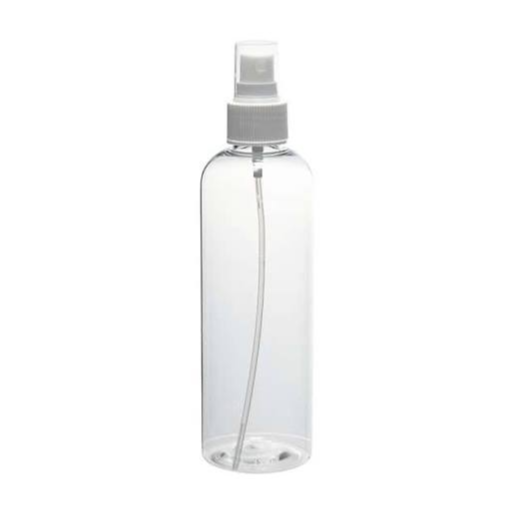
Plastic’s shatter resistance is its strongest practical argument. For travel-size samples, on-the-go minis, and subscription boxes that ship loose, plastic or PET often survives where glass does not. The trade-off is lighter weight on one side and heavier freight on the other. Glass adds shipping weight and, with it, freight cost and carbon per mile.
Shipping Alcohol-Based Samples
Here is a point most guides skip entirely. If your tester contains alcohol-based fragrance, the liquid itself is flammable. Shipping carriers treat alcohol-based samples as hazardous or restricted goods in many cases, which can affect labeling, packaging, and even which carriers will accept the shipment.
This is another reason the closure matters. Even a perfect glass bottle will leak top notes if the cap, gasket, or spray pump has a poor seal. For alcohol-based samples, a tight, well-fitted closure is not a nice-to-have. It is a compliance and customer-experience requirement. We covered closure materials in more depth in our guide to perfume bottle cap materials.
Sustainability: An Honest Comparison
Most “glass vs. plastic” articles pick a side and stop there. The truth is more balanced, and your customers can tell when you are being honest with them.
Glass is infinitely recyclable without losing quality. It can be melted and remade again and again. Its downside is production weight: glass is energy-intensive to produce and heavier to ship, which raises its carbon footprint per mile.
Plastic is lighter, which lowers shipping emissions, and it costs less. But most plastic is not truly recycled. It is downcycled into lower-grade products or landfilled, and global plastic recycling rates remain low. Some plastic options now use post-consumer recycled (PCR) content, which helps, but the material still degrades each cycle.
For a fragrance brand, the honest framing is this: if your sustainability story centers on durability and reuse, glass fits. If it centers on lightweight, low-cost distribution, a responsibly sourced plastic may fit. Avoid claiming either is a perfect solution. Read more in our eco-friendly packaging solutions guide.
Brand Perception: Premium vs. Practical
Material sends a message before the customer ever sprays.
Glass reads premium. It has weight, clarity, and a cool-to-the-touch feel that signals a considered, higher-end product. For a niche or luxury fragrance, glass is usually the right choice simply because the packaging should match the price point.
Plastic reads practical, accessible, and modern. It suits value-driven lines, travel formats, and mass sampling where the goal is coverage rather than ceremony.
The rule of thumb: match the material to the promise you are making. A 180nichefragranceinaflimsyplasticvialcreatesadisconnectyourcustomerswillnotice.A180nichefragranceinaflimsyplasticvialcreatesadisconnectyourcustomerswillnotice.A25 everyday scent in glass may be over-engineering.
How to Choose: A Decision Matrix by Sampling Program

The best way to decide is to start with the program, not the material.
Retail Counter Testers
At a fragrance counter, testers are handled hundreds of times. They sit under bright lights and get picked up, put down, and occasionally dropped.
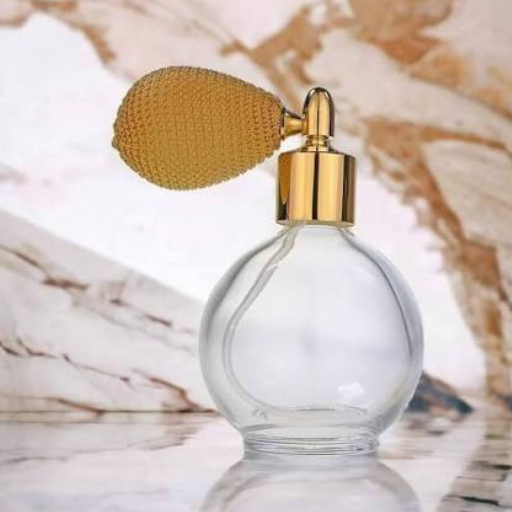
Recommendation: glass, ideally with a reinforced or well-sealed closure. The premium feel matters at the counter, and glass protects the scent under light. A full-size glass tester with a reliable pump is the industry standard for good reason.
DTC Discovery Sets and Subscription Boxes
Discovery sets ship through the mail and often travel loose inside a box. They are the highest-breakage and highest-volume scenario.
Recommendation: this is where plastic earns its place. For a high-volume subscription sampling run, plastic or PET vials hit the per-unit price you need and survive transit better. If scent fidelity is critical, consider smaller glass atomizers with extra cushioning and accept the higher cost. Let the volume and price point decide.
Travel Retail and On-the-Go Samples
Travel formats live in pockets, bags, and purses. They get thrown around and need to survive.
Recommendation: plastic, aluminum, or a compact glass with protective casing. Shatter resistance is the priority here. The scent window is short, so plastic’s long-term downsides matter less.
Think about Daniel, who runs a small niche fragrance house. He tried plastic atomizers for his travel set first, chasing margin. Customers liked the concept but the plastic caps loosened and one leaked inside a customer’s bag. He switched to glass atomizers with tight metal-shoulder pumps. His per-unit cost rose, but returns dropped and repeat orders climbed. The premium material ended up cheaper once he factored in the cost of failed first impressions.
Still weighing glass against plastic? Our team can walk you through cost, MOQ, and material options for your exact program. Get a quote on custom tester bottles →
Frequently Asked Questions
What is the best material for tester bottles?
For alcohol-based fragrance and essential oils, glass is the best material because it is inert and preserves the scent. Plastic is better for high-volume, price-sensitive, or on-the-go sampling where durability and low cost matter more than long-term scent preservation.
Do plastic bottles affect perfume scent?
Yes, over time. Plastic can absorb fragrance molecules (scalping) and allow volatile top notes to escape (permeation), which can dull or change the scent. Glass avoids both problems.
Can perfume be stored in plastic bottles?
Short term, diluted or oil-based products may be fine in the right plastic. Pure, concentrated, or alcohol-based fragrances should be stored in glass, especially for longer than a few weeks.
How long can perfume stay in a plastic bottle?
It depends on the plastic and formula, but plastic is best treated as a short-term option. For storage beyond a few weeks, glass is the safer choice for preserving the original scent.
Why do perfumes usually come in glass bottles?
Because glass is chemically inert, non-porous, and protects fragrance from light and air. It keeps the scent true to the perfumer’s intent, which is why the industry defaults to it.
Are glass tester bottles worth the higher cost?
Usually yes for premium or scent-sensitive products. The higher per-unit cost is often offset by better reviews, fewer returns, and a more premium first impression.
Conclusion
Choosing between glass and plastic tester bottles is not about finding the “best” material in a vacuum. It is about matching the material to your fragrance formula, your budget, and the way your samples reach customers.
Here is what to remember. Glass protects scent integrity and reads premium, which makes it the right default for alcohol-based fragrance, essential oils, and retail counter testers. Plastic wins on cost, weight, and shatter resistance, which makes it the practical choice for high-volume subscription boxes and travel samples. And in every case, the closure is as important as the bottle wall.
Before you commit to a production run, test both materials with your actual formula. Ship a few, open them a month later, and smell the difference. That single test will tell you more than any article can.
Ready to get it right the first time? Fuzhou Longlu Packaging Co., Ltd. manufactures glass and plastic tester bottles with the customization, MOQ flexibility, and quality control your sampling program needs. Request a free quote and material samples today →