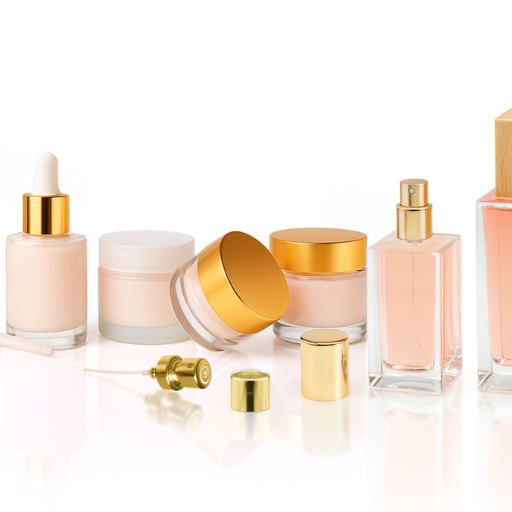
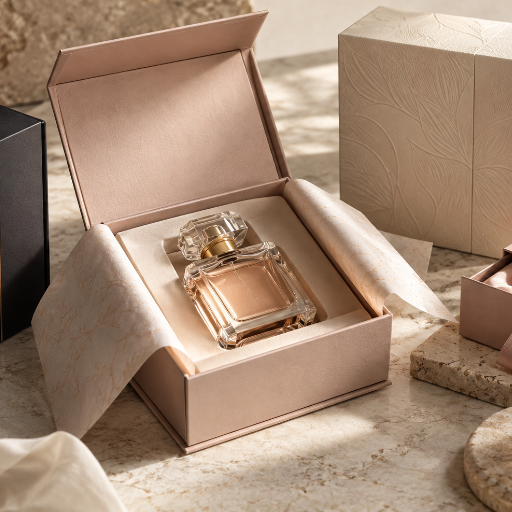
Cologne tester bottles are the sample and display containers that let shoppers try a men’s fragrance before buying a full bottle. They come in two main forms: small sample vials, usually 1ml to 10ml, used for discovery sets and subscription boxes, and full-size counter testers, usually 50ml to 100ml, that sit on retail displays.
Here’s the thing most new fragrance founders discover too late: the tester bottle is often the first physical impression a customer has of your brand. When Marcus launched his niche cologne line in March 2025, he spent months perfecting the scent and almost no time on the bottle that carried it. His first discovery set used cheap plastic vials that leaked in transit and arrived cloudy. Customer reviews mentioned the bottle before they mentioned the fragrance, and his return rate on the sampler hit 18%. The fix, a switch to 3ml glass atomizers with a proper crimp neck, cut leakage to near zero and dropped returns below 5% within a quarter.
If you buy, brand, or manufacture men’s fragrance, getting cologne tester bottles right is not a detail. It’s the difference between a sample program that converts and one that quietly bleeds money.
Agree: You already know sampling drives fragrance sales, especially in a category where scent can’t be described in a photo.
Promise: By the end of this guide, you’ll know exactly which cologne tester format, size, material, and supplier fit your brand, and what real MOQs and prices to expect.
Preview: We’ll cover cologne versus perfume testers, the four main bottle types, size and material trade-offs, customization options, wholesale pricing, and quality control, so you can source with confidence.
Key Takeaways
- Cologne tester bottles split into two jobs: 1ml to 10ml sample vials for discovery sets, and 50ml to 100ml counter testers for retail displays.
- The 2ml to 10ml glass atomizer is the “sweet spot” for men’s DTC and subscription-box sampling, priced from roughly 0.06to0.06to0.27 per unit at volume.
- Concentration matters: Eau de Cologne and Eau de Toilette are lighter and more volatile than Eau de Parfum, which changes your closure and material choice.
- Men’s fragrance is growing, from about 19.4billionin2025toward19.4billionin2025toward28.95 billion by 2031, which makes sampling the key acquisition lever.
- Most competitors treat cologne as a perfume synonym. Choosing a supplier who understands men’s fragrance formats is where you gain the edge.
What Are Cologne Tester Bottles?

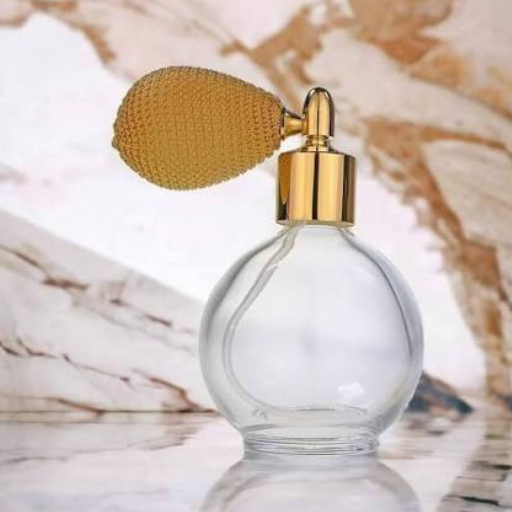
A cologne tester bottle is a container designed specifically for sampling and displaying men’s fragrances, whether that’s a tiny 2ml vial in a discovery set or a full-size 100ml bottle with a “tester” label at a department store counter. It lets a customer experience the scent before committing to a full-size purchase.
Cologne testers differ from full retail bottles in two practical ways. First, they’re often unbranded or minimally branded, because their job is to dispense the fragrance, not to sit on a shelf as the finished product. Second, they come in a wider range of sizes, because a brand needs both tiny trial formats and large counter formats.
If you’re new to fragrance packaging, our complete guide to perfume tester bottles covers the broader category. This article focuses on the men’s fragrance angle, where the choices around concentration, format, and design language are meaningfully different.
Cologne vs. Perfume Tester Bottles: What’s the Difference?
On the surface, a cologne tester and a perfume tester look interchangeable. Under the surface, the differences in concentration and audience change what you should buy.
Concentration drives the closure. Fragrances are classified by the percentage of aromatic compounds they contain. Eau de Cologne (EDC) is the lightest, usually 2% to 4%. Eau de Toilette (EDT) sits around 5% to 15%. Eau de Parfum (EDP) is richer at 15% to 20%. The lighter the concentration, the more volatile and alcohol-forward the liquid, which means two things: it evaporates faster, and it demands a tighter seal.
That’s why traditional colognes historically came in splash bottles with no atomizer, you dab or pour the liquid, while modern EDTs and EDPs use crimp-neck spray pumps that mist the fragrance and reseal instantly. Choosing the wrong closure for your concentration leads to evaporation, oxidation, and a sample that smells “off” by the time it reaches the customer.
Design language follows the audience. Men’s fragrance packaging tends toward darker glass, matte finishes, brushed metal, and squared silhouettes, the visual shorthand for “masculine.” Women’s and unisex fragrance leans toward curves, clear glass, and lighter colors. None of this is a rule, but it’s how buyers read a shelf in half a second, and it should inform your cap, color, and finish choices.
Here’s a quick comparison:
| Factor | Cologne Tester | Perfume Tester |
|---|---|---|
| Typical concentration | EDC / EDT (2% to 15%) | EDP (15% to 20%) |
| Common closures | Splash or crimp-neck spray | Crimp-neck spray, roll-on |
| Dominant aesthetic | Dark glass, matte, metal | Clear glass, curves, lighter tones |
| Primary channels | Grooming, subscription boxes, DTC | Department store, specialty retail |
Why Cologne Tester Bottles Matter for Men’s Fragrance Brands
The men’s fragrance market is in a strong upswing. According to Deep Market Insights, the global men’s fragrance market was valued at about 19.4 billion in 2025 and is projected to reach 19.4 billion in 2025 and is projected to reach 28.95 billion by 2031, growing at a compound annual rate of 6.9%. Eau de Parfum is the largest segment at roughly 34% of revenue, with premium fragrances representing around 41%.
Public earnings tell the same story. Coty reported 9% year-over-year growth in its Prestige Fragrance category, and Interparfums grew 10% in 2024 to $1.45 billion in net sales. Fragrance is one of the few categories where men are actively trading up, and sampling is how they decide where to spend.
Sampling matters even more in fragrance than in other categories because scent can’t be experienced through a screen. A customer can read notes of bergamot, cedar, and amber all day, but they won’t buy until they smell it. That makes the tester bottle the most direct bridge between your marketing and a purchase.
For DTC and subscription brands, the economics are compelling. Men’s fragrance subscription services and grooming boxes have normalized the idea of trying a small size before committing. A well-designed cologne sample bottle for a discovery set turns a one-time customer into a repeat buyer.
Want to see how the right tester format fits your sampling program? Explore our cologne tester bottle options and request a free sample.
Types of Cologne Tester Bottles (and When to Use Each)

Cologne testers come in six main formats. Each one serves a different stage of the customer journey.
1. Sample vials (1ml to 3ml). The workhorse of discovery sets and subscription boxes. These are small glass or plastic tubes, often with a dabber or a tiny spray cap. They’re cheap, easy to fill, and perfect for mass sampling. The trade-off is they’re hard to brand and easy to lose.
2. Mini spray atomizers (2ml to 10ml). The niche-brand favorite. A true misting experience in a pocketable size, which matters because men tend to apply fragrance on the go. A 10ml travel atomizer doubles as a portable companion.
3. Roll-on bottles. Best for oil-based colognes, beard oils, and solid-cologne adjacent products. The rollerball applies a concentrated layer of fragrance directly to skin, which suits heavier, longer-wearing men’s scents.
4. Travel sprays (5ml to 15ml). Refillable formats that many brands sell as an accessory. Aluminum bodies are popular here for their masculine look and their ability to shield the liquid from light.
5. Counter testers (50ml to 100ml). Full-size bottles, usually with a “tester” label or plain packaging, placed on retail displays. They match the retail bottle’s size and spray profile so the customer experiences exactly what they’ll buy.
6. Traditional splash bottles. The classic aftershave and cologne format. Still relevant for heritage brands and barbershop-style colognes, where the ritual of dabbing the fragrance is part of the appeal.
Here’s how they map to your goals:
| Format | Size | Best Use Case | Relative Cost |
|---|---|---|---|
| Sample vial | 1ml to 3ml | Discovery sets, subscription boxes | Lowest |
| Mini atomizer | 2ml to 10ml | DTC sampling, travel | Low |
| Roll-on | 5ml to 10ml | Oil-based cologne | Low |
| Travel spray | 5ml to 15ml | Refillable accessory | Medium |
| Counter tester | 50ml to 100ml | Retail display | Medium |
| Splash bottle | 50ml to 100ml | Heritage / barbershop | Medium |
Cologne Tester Bottle Sizes: A Complete Breakdown
Size is where most sampling programs go right or wrong, because it determines how many uses a customer gets before the fragrance runs out.
- 1ml to 2ml. A single-application or few-application sample. Ideal for large discovery sets where you’re showing range, not depth. Expect roughly 10 to 20 sprays from a 2ml atomizer.
- 3ml to 5ml. The most common “let me actually test this for a week” size. Enough for multiple wearings and a real impression of longevity and sillage.
- 10ml. The travel-sweet-spot. Small enough to pocket, big enough to last weeks. Frequently sold as a standalone trial or an add-on.
- 30ml. A mini retail format rather than a tester, sometimes used for gift sets or smaller premium launches.
- 50ml to 100ml. Full-size counter testers that match the retail product exactly.
For men’s discovery sets and subscription boxes, the 2ml to 10ml range is the sweet spot. It’s large enough to deliver a real fragrance experience and small enough to keep per-unit costs under control.
Spray count matters more than people think. A customer who gets 20 good sprays from a 2ml atomizer can judge a cologne properly. One who gets three leaky sprays will write it off, no matter how good the scent is. That’s why atomizer quality, not just capacity, should drive your size decision.
Materials: Glass vs. Aluminum vs. Plastic for Cologne Testers
The material you choose affects three things: how the fragrance holds up, how the bottle feels in hand, and how much it costs.
Glass is the premium default. It’s chemically inert, so it won’t react with alcohol-based fragrances, and it preserves scent integrity for months. Clear glass shows off the liquid’s color, while amber or tinted glass blocks UV light that degrades light-sensitive colognes. The trade-off is weight and breakage risk in transit.
Aluminum is the rising star in men’s fragrance. It’s shatterproof, opaque by default, so it protects against light, and it carries a masculine, technical aesthetic that resonates with modern cologne buyers. It’s the go-to for travel sprays and refillable formats.
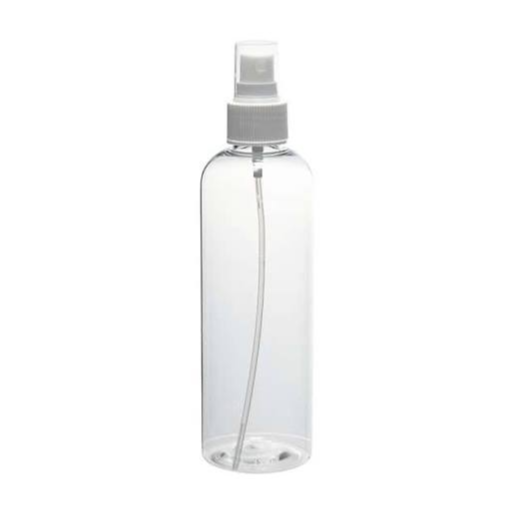
Plastic (PET and PP) is the budget option. It’s lightweight and nearly unbreakable, which makes it ideal for mass sampling programs where you’re shipping thousands of units. The catch is that some plastics are less chemically stable with high-alcohol formulas over long periods, so it’s best reserved for short-term sample use.
Here’s the short version:
| Material | Best For | Fragrance Compatibility | Relative Cost |
|---|---|---|---|
| Clear glass | Premium counter testers, sample vials | Excellent (inert) | Higher |
| Amber glass | Light-sensitive colognes | Excellent | Higher |
| Aluminum | Travel sprays, refillables | Excellent (opaque) | Medium |
| PET / PP plastic | Mass sampling | Good (short-term) | Lowest |
The key rule is to match material to your formula. Alcohol-based colognes perform best in glass or aluminum. Oil-based colognes and roll-ons are more forgiving, but glass is still the safest bet for shelf stability.
Customization Options for Men’s Fragrance Brands
Customization is where a tester bottle stops being a generic container and starts carrying your brand. For men’s fragrance, a few finishing choices make an outsized difference.
Decoration. Screen printing and hot stamping put your logo directly on the bottle. Laser engraving and frosting add texture and a premium, machined feel that fits masculine positioning. A matte or brushed finish reads more “designed” than a glossy clear bottle.
Color. Dark-tinted glass, smoke gray, and deep amber are the workhorses of men’s fragrance. They also double as UV protection, which is a functional and aesthetic win at once.
Closures. The cap and neck are where the bottle’s personality lives. Crimp-neck spray pumps (FEA13 and FEA15 systems) deliver a fine mist and reseal tightly. Rollerballs suit oil-based colognes. A metal or matte cap in a contrasting color can transform a 0.20bottleintosomethingthatfeelslikea0.20bottleintosomethingthatfeelslikea60 product.
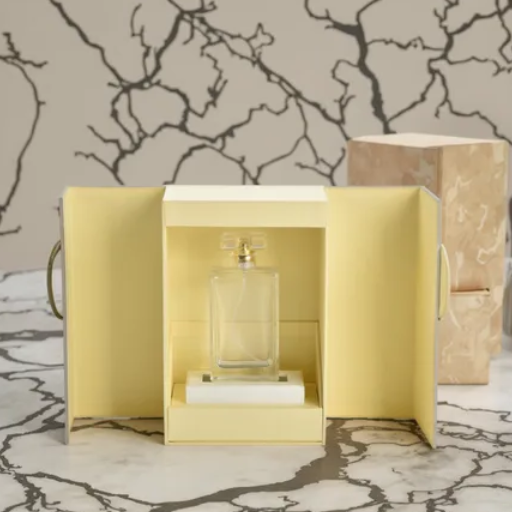
Secondary packaging. The bottle rarely ships alone. Carding, sleeves, and gift boxes frame the tester and give you more room for branding. For the full picture, see our guide to custom packaging for fragrance brands.
The through-line is consistency. Your tester should look like a smaller sibling of your retail bottle, not a different product. When a customer’s discovery-set vial and full-size bottle share the same logo, finish, and color language, the step up to a full-size purchase feels natural.
Wholesale Sourcing: MOQs, Pricing, and Lead Times

Sourcing is where the savings live, and where mistakes get expensive. Here’s what to expect when you buy cologne tester bottles at wholesale.
MOQs by customization level:
- Stock / ready-to-ship: 100 to 500 pieces. Fastest, but no branding.
- Semi-custom (stock bottle plus your logo): 1,000 to 10,000 pieces. The most common starting point for new brands.
- Full custom (new mold): 10,000 pieces and up, plus a one-time mold fee. Best for established brands with predictable volume.
Price benchmarks. At volume, 2ml to 10ml glass atomizers typically run 0.06to0.06to0.27 per unit, depending on size, material, and decoration. A 50ml luxury tester bottle with a spray pump can run 0.61to0.61to0.80. These are ballpark figures from marketplace listings, and your actual price depends on quantity, finish, and supplier.
Lead times. Stock orders ship in a few days. Semi-custom decoration takes roughly 15 to 25 days. A full custom mold can run 25 to 45 days after you approve the sample.
The number most brands underestimate is the total landed cost, not the unit price. A 0.10bottlethatbreaksintransitorleaksonthecustomerismoreexpensivethana0.10bottlethatbreaksintransitorleaksonthecustomerismoreexpensivethana0.20 bottle that arrives intact. Factor in freight, duties, and a breakage allowance before you compare suppliers.
Priya, a grooming-box curator, learned this the hard way. She sourced 5,000 cheap plastic vials to hit a per-box budget, skipped third-party inspection, and discovered on arrival that nearly one in twelve sprayers misfired. Replacing the batch and refunding two months of subscribers wiped out every penny she’d saved on unit price. Her next order moved to glass atomizers from a vetted factory, and the defect rate dropped below half a percent.
For a deeper explore the procurement math, including supplier vetting and landed-cost formulas, read our wholesale tester bottle sourcing guide.
Ready to get real numbers for your order size? Request a free quote and sample from our team.
Quality Control and Compliance for Cologne Testers
The quality bar for cologne testers is high because a single defect ruins the entire customer experience. Two areas deserve your attention: the sprayer and the seal.
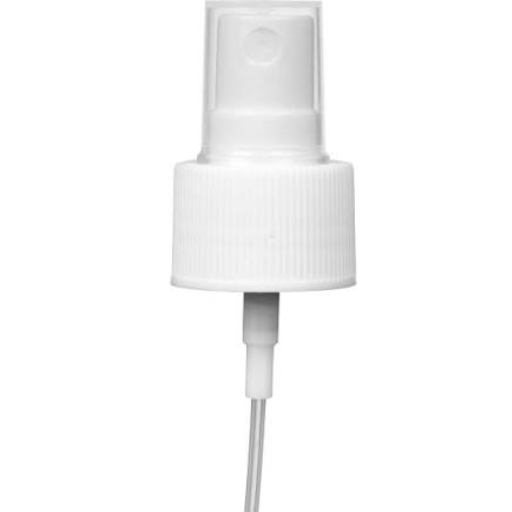
Atomizer performance. The spray should deliver a fine, even mist at roughly 0.05ml to 0.12ml per spray. Test for misfire rate and spray pattern, not just whether liquid comes out. A pump that sputters or squirts reads as cheap, no matter how good the fragrance is.
Seal integrity. The crimp neck or cap has to hold against evaporation and leakage. A good target is a leak rate below 0.1%, verified with inverted-pressure testing. Cap torque and thread tolerance should be consistent across the batch so every bottle closes the same way.
Glass quality. Check for clarity, uniform wall thickness, and surface defects. Inconsistent thickness is the leading cause of breakage in transit.
Compliance. Depending on your market, you’ll need to consider REACH for the EU, FDA cosmetics packaging rules in the US, IFRA standards for fragrance safety, and IATA limited-quantity rules if you’re shipping alcohol-based fragrance by air. A qualified supplier should provide material compliance documentation, and you can reference third-party standards from Asia Quality Focus for inspection frameworks.
Working with a manufacturer who runs incoming, in-process, and final inspection is the single biggest factor in consistent quality. For more on how tester bottles are produced and checked, see our guide on how perfume bottles are made.
Frequently Asked Questions
What are cologne tester bottles?
Cologne tester bottles are sample and display containers for men’s fragrances, ranging from small 1ml to 10ml sample vials for discovery sets to full-size 50ml to 100ml bottles used at retail counters.
How are cologne testers different from perfume testers?
Cologne testers are built for lighter concentrations like Eau de Cologne and Eau de Toilette and lean on masculine design language, while perfume testers typically hold richer Eau de Parfum and use more delicate, curved aesthetics.
What sizes do cologne testers come in?
The standard sizes are 1ml, 2ml, 3ml, 5ml, 10ml, 30ml, 50ml, and 100ml. The 2ml to 10ml range is the sweet spot for men’s discovery sets and subscription boxes.
How many sprays are in a 2ml cologne sample?
A well-made 2ml atomizer delivers roughly 10 to 20 sprays, enough for a few wearings and a real impression of the fragrance.
Is glass or aluminum better for cologne testers?
Both are excellent. Glass is the premium default and preserves scent best, while aluminum is shatterproof and protects against light. Choose based on whether you prioritize a classic or a modern, travel-ready feel.
How much do custom cologne tester bottles cost?
At volume, 2ml to 10ml glass atomizers run about 0.06to0.06to0.27 per unit, while a 50ml luxury tester can run 0.61to0.61to0.80. Custom molds add a one-time tooling fee.
Where can I buy cologne tester bottles wholesale?
Direct from a manufacturer is best for customization and price, though it carries a higher MOQ. Stock and semi-custom options start around 100 to 1,000 pieces.
Conclusion
Cologne tester bottles do more than hold fragrance. They carry the first physical impression of your brand, and in a market growing from 19.4billiontowardnearly19.4billiontowardnearly29 billion, that impression decides whether a sampler becomes a sale.
The formula is straightforward. Match your bottle format to your concentration, use 2ml to 10ml glass atomizers for discovery sets and 50ml to 100ml bottles for counters, and choose a material that protects your specific formula. Then source from a manufacturer who understands men’s fragrance, because the difference between a 0.10bottleanda0.10bottleanda0.20 bottle usually shows up as breakage, leakage, and returns, not as savings.
Your next step is simple: define your sampling program, then get real quotes and physical samples before you commit. At Fuzhou Longlu Packaging, we manufacture custom cologne tester bottles for fragrance brands worldwide, with the materials, finishes, and QC to match your brand. Request a free sample and quote today, and we’ll help you build a sampling program that actually converts.