Custom rigid boxes are the gold standard for premium packaging across cosmetics, electronics, and jewelry. The right box protects your product, elevates perceived value, and turns every delivery into a shareable brand moment. But a rigid box that works beautifully for a perfume bottle could destroy a circuit board. Each industry demands different board thickness, insert types, closure styles, and finishing choices.
At Fuzhou Longlu Packaging, we manufacture custom rigid boxes for brands in all three sectors. We have seen the same mistakes repeat across industries: electronics companies choosing boards too thin for shipping shock, cosmetics brands overlooking moisture protection, jewelry makers missing the mark on ceremonial unboxing. This guide draws from thousands of real production runs to give you the exact specifications your product needs.
You will learn which board thickness protects your specific product, which box style creates the right unboxing experience for your industry, how to balance protection and presentation without blowing your budget, and what sustainability options exist that do not compromise on luxury. Whether you are launching a skincare line, a tech accessory, or a fine jewelry collection, this guide gives you a decision framework you can take straight to your manufacturer.
Key Takeaways
- Cosmetics brands need 1.5mm-2mm board with shoulder-neck or two-piece styles; soft-touch lamination and foil stamping drive shelf appeal and unboxing content.
- Electronics require 2mm-3mm board with magnetic closures; anti-static foam inserts and right-sized cavities prevent transit damage and meet unboxing expectations set by Apple-style packaging.
- Jewelry brands should use 1.5mm-3mm drawer or magnetic boxes with velvet lining; the ceremonial reveal matters as much as the product itself.
- Collapsible rigid boxes now deliver the same premium feel as traditional setup boxes while cutting shipping volume by 50-70%.
- The global rigid box market reached $68.34 billion in 2026, with sustainability and smart packaging integration as baseline expectations, not premium add-ons.
What Are Custom Rigid Boxes?
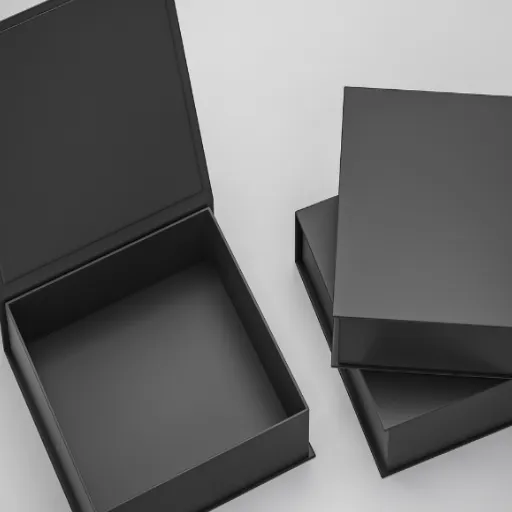
Custom rigid boxes, also called setup boxes, are made from thick paperboard or greyboard, typically 800 to 3,000 GSM, wrapped in decorative printed or specialty paper. Unlike folding cartons that ship flat and are assembled at the packing line, custom rigid boxes arrive pre-assembled and retain their shape under pressure. This structural integrity is what makes them 4 to 5 times stronger than standard folding cartons.
A typical luxury rigid box has four layers: the exterior wrap, the adhesive layer, the chipboard core, and the interior lining or insert.
The exterior wrap carries your brand visuals. The chipboard core provides the rigidity. The interior insert holds your product in place. And the closure, magnetic, friction-fit, or drawer-style, controls the unboxing rhythm. Every layer is a choice that affects protection, presentation, and cost.
When a customer picks up a rigid box, they feel the weight before they see the product inside. That tactile signal communicates quality instantly. For this reason, custom rigid boxes dominate industries where perceived value directly influences purchase decisions.
Why Custom Rigid Boxes Dominate Cosmetics, Electronics, and Jewelry
The global rigid box market was valued at 68.34billionin2026andisprojectedtogrowata4.9268.34billionin2026andisprojectedtogrowata4.928.5 to $8.9 billion in 2025-2026 and is growing even faster at 5.4% to 6.0% annually, per Market Research Future.
Three forces drive demand for custom rigid boxes.
First, the unboxing economy. Customers film and share packaging experiences on TikTok, Instagram, and YouTube. A magnetic snap or velvet reveal can generate more organic reach than a paid ad.
Second, e-commerce expansion. Cross-border online retail is projected to exceed $7 trillion by 2030, according to industry projections. Products need packaging that survives long-distance shipping while still feeling premium at the doorstep.
Third, sustainability expectations. Recycled paperboard is now among the fastest-growing material sub-segments in luxury packaging. Brands that ignore eco-friendly options risk alienating buyers.
When Lin, a product manager at a Shenzhen-based skincare startup, switched from folding cartons to shoulder-neck custom rigid boxes for her premium serum line, the results surprised her. Return rates due to shipping damage dropped by 60%. Customer reviews mentioning “beautiful packaging” increased threefold. And her TikTok unboxing videos started reaching audiences ten times larger than her product-demo content. The box had become part of the product.
Custom Rigid Boxes for Cosmetics
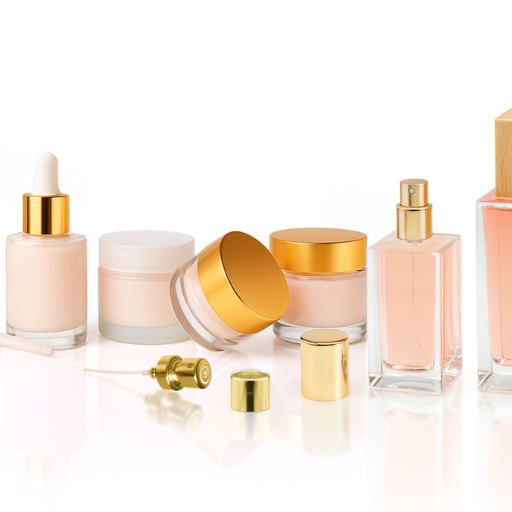
Cosmetics packaging must solve two problems at once: protect fragile glass bottles and compacts during transit, and create a sensory experience that justifies a premium price point. The wrong choice in either direction costs you customers.
Recommended Specifications
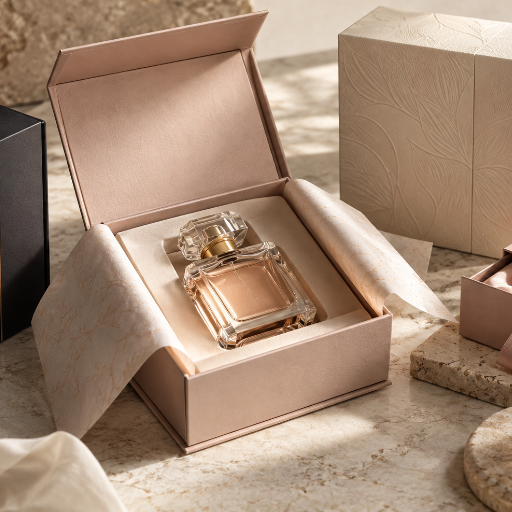
For most cosmetics and beauty products, we recommend a board thickness of 1.5mm to 2mm, which translates to roughly 36pt to 80pt. This range provides enough structural integrity for retail display and shipping without adding unnecessary bulk or cost. The best-performing styles for cosmetics are shoulder and neck boxes, two-piece lid and base setups, and hinged lids. Each creates a different reveal rhythm: the shoulder-neck gives a stepped, architectural silhouette; the two-piece allows clean stacking on shelves; the hinged lid adds a keepsake quality that customers save and reuse.
Inserts for cosmetics typically use EVA foam, paperboard trays, or molded pulp. EVA foam offers the most protection for glass bottles and is easy to die-cut into custom shapes. Paperboard trays work well for lighter items like palettes and compacts. Molded pulp is the most sustainable option and provides excellent shock absorption, though it offers less precision fit than foam.
Finishes That Drive Sales
Cosmetics buyers judge packaging with their hands as much as their eyes. Soft-touch lamination creates a velvety surface that feels expensive the moment a customer touches it. Foil stamping in gold, silver, or rose gold signals luxury without shouting.
Embossing and debossing add tactile depth that catches light differently across the box surface. Spot UV gloss-on-matte contrast creates visual drama by highlighting logos or patterns against a subdued background.
These finishes are not decorative extras. They are conversion tools. On a retail shelf, a soft-touch box with foil-stamped branding stands out against glossy competitors. In an unboxing video, the interplay of light on embossed texture keeps viewers watching longer.
Industry-Specific Considerations
Cosmetics packaging faces unique challenges that other industries do not. Perfume bottles are heavy and fragile; a dropped box without proper insert support can mean shattered glass and lost product. Skincare serums in dark glass need light protection, which custom rigid boxes provide better than transparent alternatives. Makeup palettes contain multiple small pans that shift during shipping unless the insert is precision-cut.
Moisture is another enemy. Bathrooms and humid climates can warp paperboard over time. A quality exterior lamination and interior seal prevent this. At Fuzhou Longlu, we often recommend a subtle upgrade: adding a moisture-resistant coating to the chipboard core for brands shipping to tropical or coastal markets. The cost increase is minimal. The protection increase is significant.
Want to see how custom cosmetics packaging works in practice? Explore our custom packaging solutions
Custom Rigid Boxes for Electronics
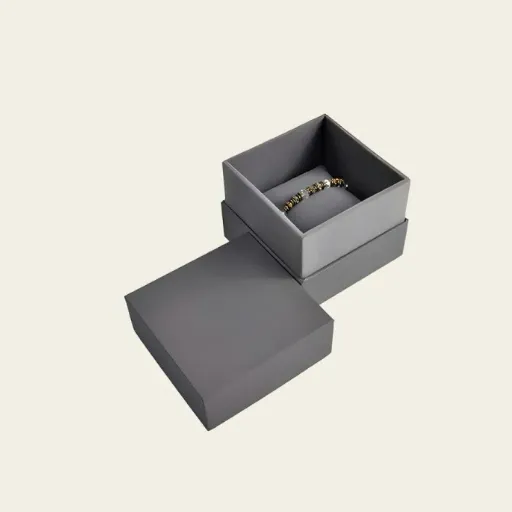
Electronics packaging operates under a different set of rules. The unboxing experience must feel precise and engineered, not decorative. The protection must account for static, shock, and moisture simultaneously. And the packaging itself must signal innovation.
Recommended Specifications
For standard consumer electronics, phones, headphones, tablets, chargers, we recommend 2mm to 2.5mm board thickness. For high-value or fragile devices, bump that to 2.5mm to 3mm. The magnetic closure book-style box has become the industry standard because it delivers the satisfying snap that tech buyers associate with premium brands. Two-piece custom rigid boxes and shoulder-neck styles also work well, depending on your product shape and unboxing goals.
The insert is where electronics packaging diverges most from other industries. Precision-cut foam, molded trays, and anti-static ESD foam are not optional luxuries. They are requirements.
A foam insert that is even a few millimeters too loose allows movement that scratches screens and dents corners. Anti-static protection is essential for anything with a circuit board, microchip, or sensitive component. Static discharge that a customer never sees can destroy a device before it is ever powered on.
Critical Protection Features
Anti-static ESD foam inserts dissipate static electricity safely. Without them, components can suffer latent damage that only shows up weeks after purchase. Multi-layer packaging systems combine a rigid outer shell with moisture barriers and engineered cushioning for export shipping. Right-sizing, tailoring the box dimensions precisely to the product, eliminates void space that causes movement and reduces material waste.
At Fuzhou Longlu, we recently worked with a consumer electronics brand launching a premium wireless earbud line. Their first packaging attempt used a generic two-piece box with loose foam padding. Transit damage rates hit 8%. After switching to a magnetic closure rigid box with precision-cut anti-static foam inserts sized to the millimeter, damage rates dropped below 1%. The packaging cost increased by 0.40perunit.Thesavingsfromreducedreturnsandreplacementsexceeded0.40perunit.Thesavingsfromreducedreturnsandreplacementsexceeded3 per unit.
Smart Packaging Integration
Electronics brands are leading the adoption of smart packaging features. QR codes printed inside the lid link to setup tutorials or authenticity verification. NFC chips embedded in the box enable warranty registration with a phone tap. Some brands now use AR triggers that launch 3D animations when customers scan the packaging with their device. These features bridge the physical and digital experience in ways that resonate deeply with tech-savvy buyers.
Lightweight durability is another 2026 priority. Advanced materials allow thinner, lighter rigid structures without sacrificing crush resistance. For electronics brands shipping internationally, every gram of weight reduction translates to lower freight costs and a smaller carbon footprint.
Custom Rigid Boxes for Jewelry
Jewelry packaging carries the heaviest emotional load of any industry. A customer opening an engagement ring box has been planning this moment for months. The packaging must honor that anticipation.
Recommended Specifications
For small jewelry items, earrings, necklaces, bracelets, 1.5mm to 2mm board thickness works well. For premium watches and high-value pieces, increase to 2.5mm to 3mm.
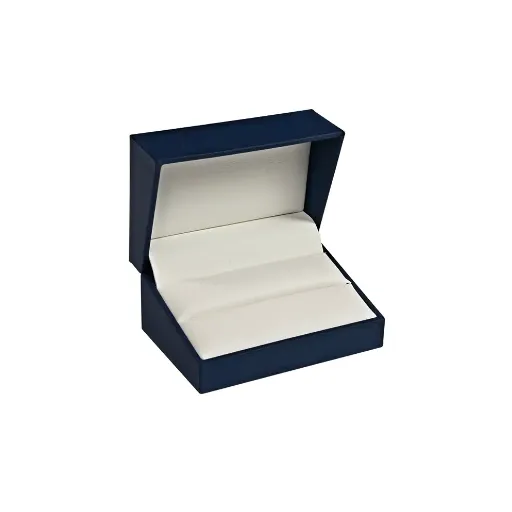
The drawer or slide box, sometimes called a matchbox style, is the most popular choice for jewelry because it creates a slow, theatrical reveal. The customer pulls the ribbon or fabric tab and the inner tray glides out, presenting the piece like a stage performer.
Magnetic closure boxes also perform well, especially for modern jewelry brands targeting younger buyers. Tube boxes work beautifully for minimalist jewelry collections.
Inserts for jewelry almost always use flocked velvet trays, foam cutouts with velvet covering, or satin lining. The material matters as much as the structure. Velvet catches light in a way that makes gemstones sparkle. Foam cutouts hold rings and earrings securely without pressure that could bend delicate settings. Satin lining adds a smooth, cool sensation that contrasts beautifully with warm metal.
Premium Finishes That Create Heirlooms
Jewelry packaging should feel like it belongs in a safe, not a recycling bin. Gold and silver foil stamping on the exterior signals permanence. Embossed logos add texture without visual clutter. Ribbon pulls, finger notches, and branded interior printing turn functional elements into brand moments.
One detail that separates good jewelry packaging from great jewelry packaging: the interior welcome message. A simple “Handcrafted for you” or “Thank you for choosing us” printed on the inside lid adds warmth that customers remember. At Fuzhou Longlu, we offer interior printing as a standard option on all custom rigid boxes. The cost is minimal. The emotional impact is not.
Industry-Specific Considerations
Jewelry packaging must address tarnish protection, multi-item presentation, and display functionality. Anti-tarnish inserts or strips extend the shelf life of silver pieces. Multi-item sets, a necklace with matching earrings, for example, need divided compartments that prevent scratching. Display functionality, where the lid stands open at an angle, turns the box into a countertop showcase in a customer’s bedroom or bathroom.
Chen, the founder of a Hangzhou-based independent jewelry brand, learned this lesson the hard way. Her first packaging run used lightweight folding cartons with generic cotton padding. Customers loved the jewelry but complained that the packaging felt “disappointing.” She upgraded to 2.5mm drawer-style rigid boxes with navy velvet trays and gold foil stamping. Her repeat purchase rate increased by 34%. Several customers told her they kept the boxes to store other valuables. The packaging had become a brand ambassador living in customers’ homes.
Rigid Box Styles Compared: Which One Fits Your Product?
Choosing the right box style is as important as choosing the right thickness. Each style creates a different unboxing rhythm and offers different logistical advantages.
| Style | Unboxing Experience | Best For Cosmetics | Best For Electronics | Best For Jewelry | Storage Efficiency |
|---|---|---|---|---|---|
| Magnetic Closure | Satisfying snap; premium feel | Excellent | Excellent | Excellent | Moderate |
| Drawer / Slide | Theatrical reveal; ribbon pulls | Good | Limited | Excellent | Good |
| Shoulder-Neck | Stepped silhouette; architectural | Excellent | Good | Limited | Moderate |
| Hinged Lid (Book) | Ceremonial; keepsake quality | Good | Limited | Excellent | Moderate |
| Two-Piece Lid | Clean stacking; classic | Excellent | Good | Limited | Good |
| Collapsible | Flat-pack; pops into form | Growing | Good | Limited | Excellent |
The magnetic closure box dominates across all three industries because it balances protection, presentation, and perceived value. The drawer box excels for jewelry and curated cosmetics sets where the reveal matters more than the closure. The shoulder-neck box is unmatched for fragile cosmetics like perfume bottles because the stepped structure adds shock absorption at the corners.
Collapsible custom rigid boxes deserve special attention. They ship flat and pop into rigid form on arrival, cutting shipping volume by 50% to 70% and warehousing space by similar margins.
For years, collapsible boxes carried a stigma of looking “less premium” than traditional setup boxes. That ended in 2026. Advances in board engineering and assembly design mean collapsible boxes now deliver the same heft and snap as pre-assembled alternatives.
For e-commerce cosmetics brands and electronics startups shipping globally, this is often the deciding factor.
Customization Options That Elevate Your Brand
The exterior of your box is your billboard. The interior is your love letter to the customer. Both deserve attention.
Exterior Finishes
Soft-touch lamination creates a surface that people cannot stop touching. Spot UV applies glossy highlights to specific areas, a logo, a pattern, a border, creating contrast against a matte background.
Foil stamping adds metallic shine in gold, silver, copper, rose gold, or holographic finishes. Embossing raises elements from the surface; debossing presses them in. Both create shadow and texture that change as light moves across the box.
Fabric and leatherette wrapping take luxury a step further. Linen, suede, and synthetic leather wraps signal artisanal quality that printed paper cannot match. These finishes cost more and add production time, but for ultra-premium launches and limited editions, they are worth every cent.
Interior Design
Most brands focus entirely on the outside of the box and waste the inside. The interior lid, the tray bottom, and the insert surface are all brand real estate.
Print a welcome message on the inside lid. Add a care instructions card in a custom die-cut slot. Line the tray with patterned paper that complements your brand colors.
These details cost little and create moments of surprise that customers remember and share.
Insert Types by Industry
| Insert Material | Best For | Protection Level | Sustainability | Cost |
|---|---|---|---|---|
| EVA Foam | Electronics, fragile cosmetics | Excellent | Low | Moderate |
| Flocked Velvet | Jewelry, luxury cosmetics | Good | Low | Moderate |
| Molded Pulp | Lightweight cosmetics, food | Good | Excellent | Low |
| Die-Cut Paperboard | Compacts, cards, flat items | Moderate | Excellent | Low |
| Satin Lining | Jewelry, gift sets | Moderate | Low | Moderate |
Ready to upgrade your product packaging? Contact us for a free quote and sample
Cost Considerations and Budget Planning
Custom rigid boxes cost more than folding cartons. That is not a bug. It is the feature that makes them effective. The question is not whether you can afford custom rigid boxes. It is whether you can afford the lost sales, returns, and missed brand moments that come with cheaper alternatives.
General Cost Ranges
Based on typical manufacturing volumes and specifications, expect the following per-unit ranges:
- Small jewelry boxes (1.5mm-2mm board, simple insert): 1to1to5 per unit
- Medium electronics boxes (2mm-2.5mm board, foam insert, magnetic closure): 3to3to10 per unit
- Large or complex boxes (2.5mm-3mm+ board, multiple inserts, premium finishes): 5to5to20+ per unit
These are ballpark figures. Actual costs depend on order volume, material choices, finishing complexity, and shipping logistics. Higher volumes always reduce per-unit costs. A box that costs 8at500unitsmightcost8at500unitsmightcost3.50 at 5,000 units.
Factors That Affect Cost
Board thickness and material quality are the base cost drivers. GSM 1,200 recycled greyboard costs less than GSM 2,000 virgin fiber board, though both perform well for most applications. Insert complexity ranges from simple die-cut paperboard trays to multi-layer foam assemblies with anti-static properties. Finishing options scale from basic matte lamination to multi-process combinations of foil, embossing, and spot UV.
Cost-Saving Strategies
Collapsible custom rigid boxes reduce freight costs dramatically without sacrificing perceived quality. Digital printing eliminates plate setup costs for short runs, making premium packaging accessible to startups and small batches. Standard box sizes, even within the “custom” category, reduce tooling costs compared to fully bespoke dimensions. At Fuzhou Longlu, we maintain a library of standard base sizes that can be customized with your branding while avoiding custom die charges.
Sustainability in Rigid Box Packaging
Sustainability is no longer a premium upsell. It is a baseline expectation. Brands that ignore eco-friendly options risk appearing outdated, regardless of how beautiful their packaging looks.
Material Choices That Matter
Recycled paperboard and FSC-certified materials are the starting point. FSC certification ensures the paper comes from responsibly managed forests. Recycled greyboard uses post-consumer waste fiber, reducing landfill contribution. Both options perform identically to virgin materials for most rigid box applications.
Mono-material construction simplifies recycling. A box made entirely of paper-based materials can go straight into standard recycling streams. Boxes with mixed materials, plastic windows, metal closures, synthetic fabric wraps, require separation that many consumers skip. If sustainability is a core brand value, design your box to be recyclable as a single piece.
Inks, Coatings, and Processes
Water-based inks replace petroleum-based alternatives without dulling color quality. Plant-based soft-touch coatings deliver the same tactile experience as conventional options. Soy-based laminations are gaining traction for brands targeting the most environmentally conscious buyers. These switches add minimal cost, often less than $0.10 per unit, and they tell a story that resonates with modern consumers.
Reusability as Strategy
The most sustainable packaging is packaging that never gets thrown away. A jewelry box that becomes a dresser-top organizer. A cosmetics box that stores stationery. An electronics box that holds cables and accessories. Custom rigid boxes are uniquely suited to this second life because their structural integrity outlasts the product inside. Design with reuse in mind, and your packaging becomes a permanent brand presence in your customer’s home.
How to Choose the Right Custom Rigid Box
By this point, you have a lot of information. Here is how to turn it into a decision.
Six-Step Decision Framework
- Identify fragility and weight. A glass perfume bottle needs different protection than a pair of wireless earbuds. Heavier products need thicker board.
- Choose board thickness. Use the industry guidelines above as your starting point. Adjust up for high-value or fragile items. Adjust down for lightweight, non-fragile products.
- Select box style based on unboxing goals. Want a dramatic reveal? Choose a drawer box. Want a satisfying snap? Choose magnetic. Need stacking stability? Choose two-piece.
- Design the insert for protection and presentation. Match insert material to your product’s specific risks: foam for shock, velvet for luxury display, molded pulp for sustainability.
- Choose finishes that reflect brand positioning. Soft-touch and foil stamping signal luxury. Matte lamination with clean typography signals modern minimalism. Fabric wrapping signals artisanal craft.
- Balance budget with volume requirements. Higher volumes unlock lower per-unit costs. If you are testing a new product, start with digital-printed short runs before committing to large volumes.
Getting Started With Your Manufacturer
Request physical samples before placing a bulk order. Test the unboxing experience yourself. Pass samples to team members and ask for honest reactions. Validate with a small group of target customers if possible. The best packaging decisions are made with a box in your hands, not a spec sheet on a screen.
Work with a manufacturer who understands your industry. A cosmetics-focused packaging supplier will recommend different inserts than an electronics-focused one. At Fuzhou Longlu Packaging, we maintain separate production workflows for cosmetics, electronics, and jewelry because each requires different quality control checkpoints. Our team reviews every insert design for fit precision, every board sample for thickness consistency, and every finish sample for color accuracy before production begins.
Conclusion
Custom rigid boxes are not just containers. They are brand statements, protection systems, and marketing tools rolled into one. Cosmetics brands use them to create sensory experiences that justify premium pricing. Electronics brands use them to meet unboxing expectations while protecting sensitive technology. Jewelry brands use them to honor emotional moments that customers will remember for a lifetime.
The key takeaways are simple but powerful. Match board thickness to your product’s fragility and weight. Choose box styles that create the unboxing rhythm your customers expect.
Design inserts that solve real protection problems, not just aesthetic ones. Select finishes that signal your brand position without saying a word. And treat sustainability as a baseline, not a bonus.
The right custom rigid box is an investment, not an expense. It reduces damage and returns. It increases perceived value and pricing power. It generates organic social reach.
And it turns a one-time buyer into a repeat customer who associates your brand with quality before they ever touch your product.
Ready to create packaging that protects, presents, and converts? Request your free sample and custom quote from Fuzhou Longlu Packaging today
Our team has produced custom rigid boxes for cosmetics, electronics, and jewelry brands across six continents. Tell us about your product, your timeline, and your budget. We will recommend specifications that fit your needs and send physical samples so you can feel the difference before you commit.