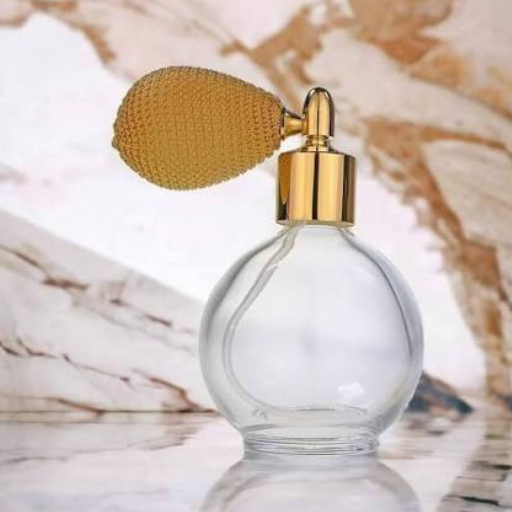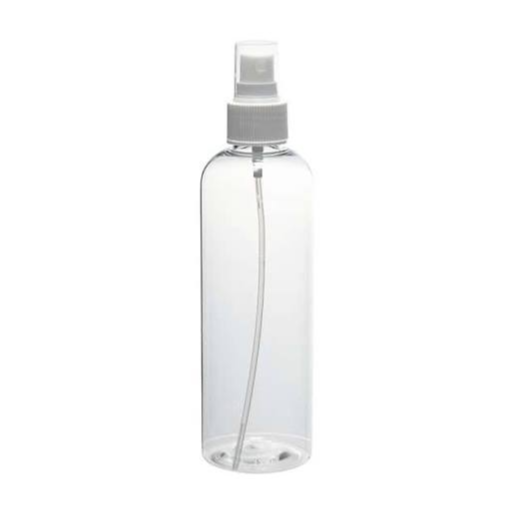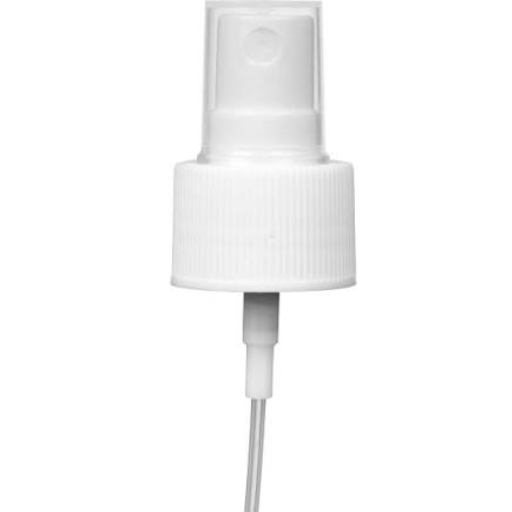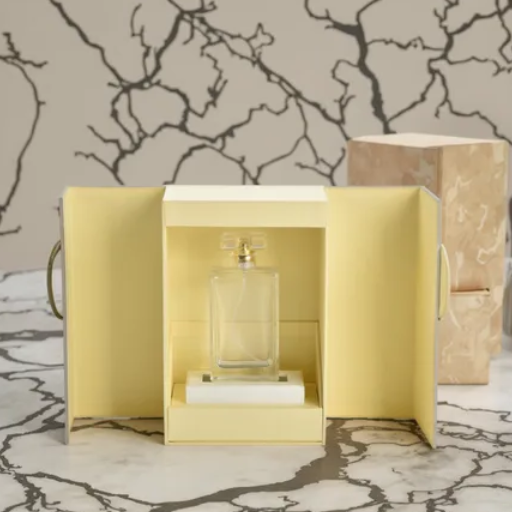
Refillable perfume bottles are reusable fragrance containers designed to be replenished with new scent rather than discarded after use. They come in three main refill systems — screw-neck, direct-to-valve, and drop-in cartridge — and they represent one of the fastest-growing segments in cosmetic packaging, with the market projected to reach $2.5 billion by 2034.
The perfume industry is being refilled. Literally.
Every 25 seconds, someone refills a Mugler fragrance bottle somewhere in the world. Dior sells magnetic-lock carafes that customers can replenish at select boutiques. Prada’s Paradoxe bottle is marketed as “infinitely refillable.” What started as a niche sustainability experiment has become a standard expectation among luxury consumers, and smart fragrance brands are racing to catch up.
But here is what most guides will not tell you. Behind every beautiful refillable bottle is a manufacturing decision that can make or break your margins, your sustainability claims, and your customer experience. The wrong material choice leads to oxidation and spoiled scent. The wrong closure mechanism creates leaks that destroy your brand reputation. And the wrong manufacturer can turn a simple packaging order into a six-month nightmare of samples, revisions, and missed launch dates.
This guide goes beyond product recommendations. As a custom perfume bottle manufacturer, we reveal the engineering, sourcing, and customization realities of refillable perfume bottles. Whether you are launching your first fragrance line or scaling an established brand, you will learn how to design, source, and launch refillable packaging that protects both your product and your profit.
Key Takeaways
- The refillable perfume bottle market is valued at $1.5 billion and growing at 7-9% annually, driven by consumer demand for sustainable packaging.
- Three refill mechanisms dominate the market: screw-neck (budget-friendly), direct-to-valve (premium), and drop-in cartridge (luxury).
- Glass holds 52% of the market share for refillable bottles due to its non-reactive properties and premium feel.
- Custom refillable bottles typically require MOQs of 5,000-10,000 pieces with lead times of 25-75 days.
- Emerging fragrance brands can enter the refillable market affordably by choosing stock designs and working with flexible manufacturers.
What Are Refillable Perfume Bottles?
Definition and How They Work
A refillable perfume bottle is a fragrance container engineered for repeated use. Unlike standard single-use bottles that are discarded when empty, refillable versions incorporate mechanisms that allow consumers to replenish the fragrance without damaging the container or compromising the scent quality.
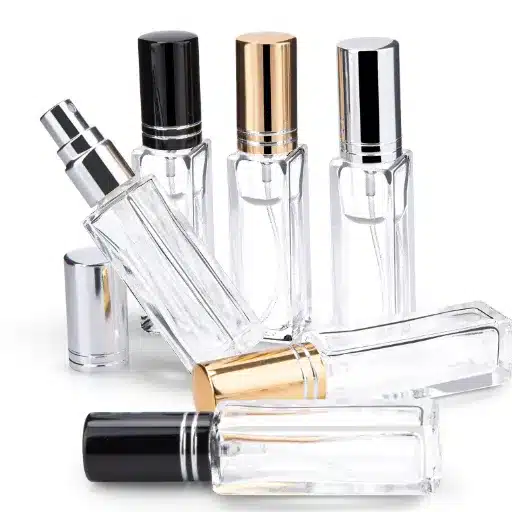
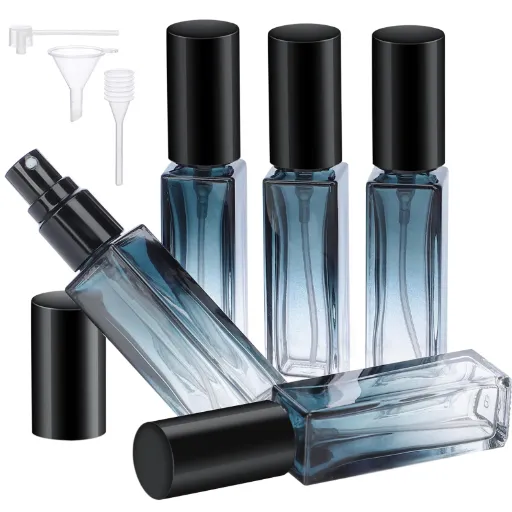
Three core refill mechanisms dominate the market today. The screw-neck system features a removable spray pump that unscrews by hand, allowing the user to pour or funnel in new fragrance. This is the simplest and most cost-effective design, common in travel atomizers and mid-tier fragrance lines. The direct-to-valve system uses a dedicated refill bottle that locks into the original bottle’s valve stem; pressure from the refill container transfers the liquid cleanly without exposure to air. Luxury houses like Mugler and Dior favor this method for its precision and spill-proof design. The drop-in cartridge system houses the fragrance in a sealed inner pod that sits within a permanent outer case; when the pod is empty, the user swaps in a new one. This approach, used by some high-end brands, keeps the outer bottle pristine while minimizing waste.
Types of Refillable Bottles
Refillable perfume bottles come in several formats tailored to different use cases and price points.
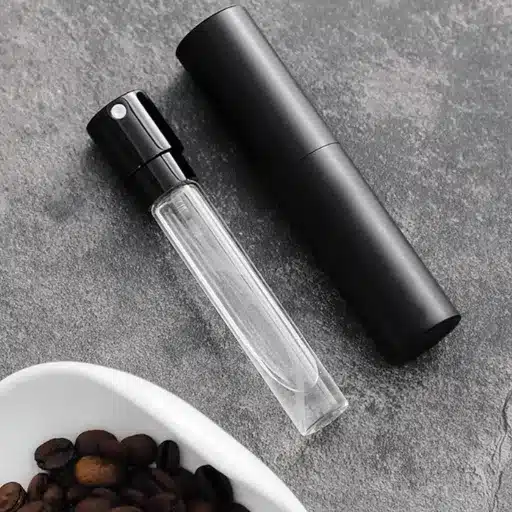
Travel atomizers are compact, pocket-sized containers typically holding 5ml to 10ml of fragrance. A travel perfume bottle is designed for portability and TSA compliance, making it ideal for consumers who want their signature scent on the go. Many feature bottom-fill valves that connect directly to a full-size perfume spray nozzle. If you want to explore the travel segment further, read our complete travel perfume bottle guide.
Luxury carafes and fountain bottles serve as permanent display pieces. A luxury refillable perfume bottle is the heavy glass vessel you see on vanity tables — designed to be refilled repeatedly over years. Brands like Louis Vuitton and Chanel have built entire retail experiences around in-store refill stations for these vessels.
Rollerball bottles offer a different application method. The fragrance rolls onto the skin through a metal or glass ball, and the bottle can be refilled through a screw-top opening. These are popular for solid and oil-based fragrances.
Solid perfume compacts represent an emerging category. The fragrance is suspended in a wax or balm base and housed in a reusable metal or ceramic case. When the balm is depleted, a replacement insert drops in. This format eliminates liquid spillage entirely and appeals to plastic-free consumers.
Why Refillable Perfume Bottles Are Taking Over the Industry
The Sustainability Imperative
Consumer expectations around packaging have shifted dramatically. According to industry research, 59% of luxury consumers now prefer refillable or modular packaging formats. More tellingly, 54% are willing to pay 8-12% more for perfume packaging made with recycled or renewable materials. For fragrance brands, this is not a niche concern. It is a market reality.
This shift has made sustainable perfume packaging a priority rather than an option. Brands that ignore the refillable trend risk losing market share to competitors who embrace it.
The environmental case is equally compelling. According to Scento’s research on sustainable packaging, a single refill of a Prada Paradoxe bottle saves 44% of the glass, 67% of the plastic, 100% of the metals, and 61% of the cardboard that would be used in a new purchase. Those numbers matter to consumers who increasingly view their purchasing decisions as environmental votes.
Elena Torres learned this the hard way. In 2024, she launched an indie fragrance brand with standard single-use bottles. Sales were steady but reviews kept mentioning the same concern: “Beautiful scent, but I hate throwing away the bottle.” After switching to refillable packaging in early 2025, her customer retention rate jumped 34%. Repeat purchasers were no longer buying new bottles. They were buying refills at a lower price point, which actually improved her margins while strengthening brand loyalty.
Cost Savings for Brands and Consumers
Refill programs create a win-win economic model. For consumers, refills typically cost 30-40% less than buying a new full presentation bottle. A 100ml refill of a luxury fragrance might retail for 120whilethesamevolumeinanewbottlecosts120whilethesamevolumeinanewbottlecosts180. That saving encourages repeat purchases and reduces the psychological barrier of committing to a full bottle.
For brands, refillable packaging transforms the customer relationship from transactional to subscription-like. Instead of hoping a customer returns in six months for a new bottle, you create an ongoing relationship built on refills. The initial bottle purchase becomes a gateway, and the refill becomes the recurring revenue stream.
Market Growth Data
The numbers tell a clear story. According to Verified Market Research, the refillable perfume bottle market was valued at approximately 1.5billionin2025andisprojectedtogrowatacompoundannualgrowthrate(CAGR)of7−91.5billionin2025andisprojectedtogrowatacompoundannualgrowthrate(CAGR)of7−92.5 billion. Major players including LVMH, Chanel, Coty, Estee Lauder, and L’Oreal collectively account for roughly 38% of refillable perfume bottle revenues, but the fastest growth is happening among independent and niche fragrance brands.
Want to see how refillable packaging could work for your brand? Explore our custom perfume bottle design services and discover how we help fragrance brands create refillable lines that balance sustainability with profitability.
Materials Matter: Choosing the Right Base for Refillable Bottles
Glass: The Gold Standard
Glass dominates the refillable perfume bottle market for good reason. It holds approximately 52% of the market share for mini and travel-sized refillables, and even more for luxury full-size bottles. Glass is non-reactive, meaning it does not interact with fragrance oils or alcohol bases. It is infinitely recyclable. And it delivers the premium weight and clarity that consumers associate with luxury fragrance.
For refillable applications, glass thickness matters. Standard perfume bottles use 3-5mm wall thickness, but refillable carafes designed for long-term use often use 5-7mm glass for durability. Frosted glass offers a diffused, elegant appearance while hiding minor scratches that accumulate over repeated handling. Colored glass — amber, cobalt, or custom-tinted options — provides UV protection that helps preserve fragrance integrity.
Marcus Chen, founder of a Seoul-based niche fragrance house, switched from clear glass to UV-coated amber glass for his refillable line in 2024. “We were getting complaints about scent degradation after six months,” he explained. “The UV coating reduced oxidation complaints by 80%. It cost us an extra $0.12 per unit, but our return rate dropped to almost zero.”
Aluminum and Metal Components
Aluminum has emerged as the fastest-growing material for refillable perfume bottles, with a projected CAGR of 9.2%. It is lightweight, durable, and highly recyclable. Aluminum excels in travel atomizers where weight and impact resistance matter more than the premium heft of glass.
For refillable designs, aluminum typically serves as an outer shell housing an inner glass or plastic vial. This hybrid approach combines the protective qualities of metal with the inert properties of glass. Aluminum caps and closures are also standard across all bottle types, offering corrosion resistance and a wide range of finishing options from matte to high-polish.
Sustainable Alternatives
Innovation in sustainable materials is accelerating. Recycled glass, sometimes called cullet glass, uses post-consumer glass fragments melted into new bottles. It reduces energy consumption in manufacturing by up to 30% while maintaining the same chemical properties as virgin glass.
Bioplastics derived from plant sources are emerging for caps and secondary components, though they remain less common for primary fragrance contact surfaces. Bamboo accents and wood caps offer a natural aesthetic that appeals to eco-conscious consumers. Some manufacturers are experimenting with mycelium-based packaging inserts and carbon-captured materials for outer boxes.
UV-protective coatings applied directly to glass represent a practical sustainability win. Rather than using darker glass that requires more raw material, a thin ceramic or organic coating blocks harmful light wavelengths while keeping the bottle lightweight and clear.
What to Avoid
Not all materials suit refillable perfume bottles. Low-grade plastics can degrade when exposed to alcohol-based fragrances, releasing chemicals that alter scent profiles or create health concerns. Materials that do not seal properly — poorly threaded plastics, thin metals that warp — lead to evaporation, leakage, and customer complaints. Any material chosen for a refillable application must withstand repeated handling, cleaning, and exposure to fragrance chemistry without degrading.
Customization Options for Refillable Perfume Bottles
Bottle Shapes and Custom Molds
The shape of your refillable bottle communicates brand identity before a customer ever smells the fragrance. Standard shapes — round, square, rectangular — offer lower costs and faster production because they use existing molds. Custom shapes require new mold development but create distinctive shelf presence that competitors cannot replicate.
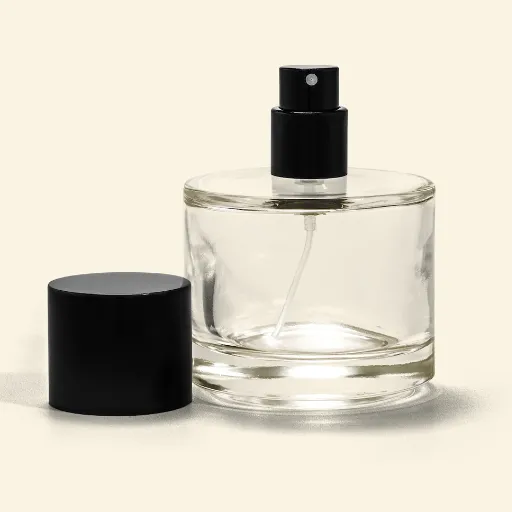
For refillable bottles, shape design must account for the refill mechanism. A screw-neck bottle needs adequate neck diameter for easy pouring. A direct-to-valve system requires precise alignment between the refill port and the internal valve. Drop-in cartridge designs need internal dimensions that accommodate both the pod and the outer shell.
Custom mold development typically takes 20-30 days and requires a minimum order quantity (MOQ) of 5,000 to 10,000 pieces. For emerging brands, starting with stock shapes and adding custom decoration often delivers the best balance of uniqueness and affordability.
Decoration and Branding Techniques
Surface decoration transforms a plain bottle into a branded asset. Silk-screen printing applies ink directly to the glass or metal surface, creating crisp logos and text that resist wear. Hot stamping uses heat and pressure to transfer metallic foil onto the surface, producing eye-catching gold, silver, or colored accents. Electroplating deposits a thin metal layer onto glass or plastic, creating mirror-like finishes in gold, rose gold, chrome, or gunmetal.
Frosting creates a satin-matte texture by acid-etching or sandblasting the glass surface. It diffuses light beautifully and provides a grippier surface that resists fingerprints. Color spraying applies opaque or translucent paint in any Pantone shade, allowing brands to match packaging to fragrance concepts — ocean blues for aquatic scents, deep burgundies for oud-based perfumes, soft pinks for floral compositions.
Ready to see what your brand could look like on a custom refillable bottle? Request free samples of our glass perfume bottles with your choice of decoration technique. We ship sample kits worldwide within 7 days.
Cap and Closure Options
The cap is the most handled part of any perfume bottle, and for refillable designs, it must maintain a tight seal through hundreds of openings and closings. Zamak caps, made from zinc alloy, offer substantial weight and intricate detailing at a moderate cost. They can be plated in any metal finish and engraved with logos or patterns.
Aluminum caps are lighter and more corrosion-resistant, making them ideal for travel formats. Wood and bamboo caps deliver a natural, artisanal aesthetic that aligns with organic or sustainable fragrance brands.
The closure mechanism itself must match the refill system. Screw-neck bottles need precisely threaded caps that seal without cross-threading. Direct-to-valve designs often use magnetic closures that align automatically and create a satisfying snap when closed. For luxury applications, some brands use weighted caps that feel substantial in the hand — a subtle signal of quality.
Packaging Sets and Presentation
Refillable bottles rarely ship alone. The complete packaging experience includes the outer box, any protective inserts, and refill-specific components like dedicated refill bottles or funnels. Custom rigid boxes with magnetic closures, drawer-style packaging, or velvet-lined cases elevate the unboxing experience and justify premium pricing.
For refill programs, some brands include a small travel atomizer with the initial purchase. The customer gets the luxury carafe for home and the portable version for travel. Both are refillable, both are branded, and both keep the customer engaged with the product.
How to Source Refillable Perfume Bottles and Wholesale Fragrance Bottles: A B2B Buyer’s Guide
Understanding MOQs and Pricing Tiers
Minimum order quantities vary dramatically based on whether you choose stock or custom designs. Stock wholesale fragrance bottles — existing shapes with standard capacities — typically require 500 to 1,000 pieces. These are ideal for testing the market or launching limited editions.
Custom designs require higher commitments. Most manufacturers set MOQs at 5,000 to 10,000 pieces for custom-shaped bottles, though some flexible suppliers accommodate 3,000-piece orders for established clients. The price per unit drops significantly as volume increases.
| Order Volume | Price Range (Glass Bottle Only) | Typical Use Case |
|---|---|---|
| 500-1,000 pcs | 0.80−0.80−1.50/unit | Stock designs, testing, limited runs |
| 3,000-5,000 pcs | 0.40−0.40−0.80/unit | Custom decoration on stock shapes |
| 5,000-10,000 pcs | 0.25−0.25−0.50/unit | Full custom designs |
| 10,000+ pcs | 0.15−0.15−0.35/unit | Established brands, ongoing programs |
These prices reflect the bottle only. Caps, sprayers, boxes, and decoration add 0.20to0.20to2.00 per unit depending on complexity.
Lead Times and Sampling
Production timelines break down into three categories. Stock items ship in 7-15 days. Custom orders using existing molds require 25-35 days for production plus decoration. New mold development adds 20-30 days to the front end, pushing total lead time to 50-75 days.
Sampling is a critical step that many buyers rush. A physical sample reveals issues that no CAD rendering can show. Does the cap sit flush? Does the sprayer create the right mist pattern? Does the bottle feel balanced in the hand? Most manufacturers offer free samples for stock items; custom samples typically cost 50to50to200 depending on complexity. That investment prevents costly mistakes at production scale.
Sarah Kim launched her fragrance brand in Los Angeles with a tight timeline. She needed 3,000 refillable bottles for a launch event in 60 days. By choosing a stock square bottle shape and adding custom hot-stamped logos, she met her deadline at half the cost of full custom development. “The sample phase took two weeks, but it saved us from a cap fit issue we never would have caught from photos,” she said. Her first collection sold out in three weeks.
Quality Certifications to Require
Any manufacturer supplying cosmetic packaging should hold relevant quality certifications. ISO 9001 demonstrates systematic quality management. ISO 14001 indicates environmental management practices. For products entering the EU market, REACH compliance ensures materials meet chemical safety standards. FDA registration matters for US market entry.
Glass manufacturers should provide certificates of analysis for material composition. Sprayer and pump suppliers should demonstrate compliance with cosmetic packaging regulations including sealing integrity and material safety. Do not hesitate to request these documents before placing an order.
Choosing a Manufacturing Partner
The right manufacturing partner does more than produce bottles. They guide you through design decisions, warn you about potential issues, and help optimize your packaging for both aesthetics and cost.
Proximity to glass manufacturing hubs offers advantages. Guangzhou, Xiamen, and Suzhou in China host dense networks of glass factories, decoration facilities, and component suppliers. A manufacturer located in or near these clusters can coordinate multiple processes — glass production, surface treatment, cap sourcing, assembly — without the logistics headaches of cross-country shipping between vendors.
Communication capabilities matter as much as production capacity. Look for manufacturers with dedicated English-speaking account managers, 3D design support, and clear documentation practices. The ability to review digital mockups before committing to physical samples saves weeks and thousands of dollars.
One-stop service versus component sourcing is another key decision. A full-service manufacturer handles everything from glass to caps to boxes under one roof. This simplifies quality control and reduces coordination overhead. Component sourcing — buying bottles from one supplier, caps from another, boxes from a third — offers more flexibility but demands more project management.
Refillable Bottle Sizes and Capacity Guide
Capacity selection affects everything from pricing perception to shipping costs to how customers use the product. Here is how the standard sizes map to real-world applications.
| Capacity | Typical Use | Target Customer | TSA Compliant | Price Positioning |
|---|---|---|---|---|
| 2ml-5ml | Samples, discovery sets | New customer acquisition | Yes | Entry/free |
| 5ml-10ml | Travel atomizers, pocket sprayers | Frequent travelers | Yes | Affordable |
| 15ml-20ml | Purse sizes, trial formats | Curious buyers, gift market | Yes | Mid-range |
| 30ml | Standard personal size | Regular consumers | Varies | Core offering |
| 50ml | Popular full size | Loyal customers | No | Premium |
| 100ml+ | Luxury carafes, fountain bottles | Collectors, enthusiasts | No | Ultra-premium |
The 5ml to 10ml travel segment is experiencing the fastest growth, driven by post-pandemic travel resurgence and the rise of fragrance wardrobes — consumers who own multiple scents for different moods and occasions rather than one signature fragrance. Travel-sized refillable bottles let them sample before committing to a full-size purchase.
For brands launching refillable programs, the smartest approach often combines sizes. Offer a 100ml carafe as the anchor product and a 10ml travel atomizer as the portable companion. Both are refillable. Both reinforce brand presence. And both create opportunities for repeat business.
Common Questions About Refillable Perfume Bottles
How Do You Refill a Perfume Bottle Without Spilling?
Work on a flat, stable surface with a paper towel underneath. For screw-neck bottles, remove the cap and sprayer, then use a small funnel to pour fragrance slowly. Leave approximately 10% headspace at the top to allow for expansion and prevent overflow when reattaching the sprayer. For direct-to-valve systems, align the refill bottle’s nozzle with the valve stem and press firmly until you hear a click or feel resistance release. Transfer in short bursts rather than one continuous press.
Are Refillable Bottles Leak-Proof for Travel?
High-quality refillable bottles with proper seals do not leak under normal conditions. The most common cause of leakage is overfilling. Leave adequate headspace, ensure the cap is fully tightened, and store the bottle upright when possible. For air travel, pocket atomizers with locking mechanisms provide the most reliable seal. Glass bottles with screw-top closures should be wrapped or cushioned to prevent breakage.
Does Refilling Affect Scent Quality?
Refilling does not affect scent quality if done correctly. The main risk is oxidation, which occurs when fragrance is exposed to air during the transfer process. Direct-to-valve systems minimize air exposure and are the safest option for preserving scent integrity. If switching between different fragrances in the same bottle, clean the interior thoroughly with 90% isopropyl alcohol and let it dry completely before adding the new scent. Residue from previous fragrances will alter the new scent profile.
Can You Reuse a Perfume Bottle for Different Scents?
Yes, but cleaning is essential. Fragrance oils cling to glass and plastic surfaces. A quick rinse with water is not sufficient because water and fragrance oil do not mix well, and water residue can contaminate the new scent. Use 90% isopropyl alcohol, swish it thoroughly inside the bottle, pump it through the sprayer mechanism several times, and let all components air dry for at least 24 hours. This prevents “scent ghosting” where notes from the previous fragrance linger and distort the new one.
What Is the Difference Between Screw-Neck and Crimp-Neck Bottles?
Screw-neck bottles have threaded openings that allow the sprayer to be unscrewed by hand. They are designed for consumer refilling and are the standard for most refillable perfume bottles. Crimp-neck bottles have a metal collar that is mechanically crimped around the bottle neck during manufacturing. This creates a permanent, tamper-evident seal that cannot be removed without tools. Crimp-neck bottles are common in luxury retail because they signal authenticity and prevent tampering, but they are not designed for consumer refilling.
Are Refillable Perfume Bottles Worth the Investment for Small Brands?
For most fragrance brands, yes. The higher upfront cost of refillable perfume bottles is offset by increased customer retention, higher lifetime value, and the ability to charge a premium for sustainability. A customer who buys a 150carafeandthree150carafeandthree80 refills generates 390inrevenueversus390inrevenueversus270 from two single-use bottle purchases. The refill model also creates a natural subscription-like behavior without the complexity of managing a formal subscription program.
The Future of Refillable Fragrance Packaging
The refillable perfume bottle is evolving from a sustainability feature into a complete business model. Smart packaging innovations are emerging, including RFID-enabled bottles that track refill history and authenticate products. Some brands are experimenting with IoT-connected refill stations that recognize your bottle, dispense the correct fragrance, and log the transaction to a customer account.
Subscription refill models are gaining traction. Rather than visiting a store or ordering refills manually, customers receive automatic shipments at intervals they choose. The brand maintains a direct relationship, predictable revenue, and rich data on consumption patterns.
In-store refill experiences are expanding beyond niche boutiques. As Impacked Packaging reports, Mugler’s fragrance fountains have been joined by Lancôme, YSL, and Louis Vuitton in offering counter-based refills. These experiences transform a routine purchase into a brand ritual, reinforcing loyalty in ways that e-commerce cannot replicate.
Regulatory pressure is accelerating adoption. The European Union’s packaging waste directives are tightening requirements for recyclable and reusable packaging. France has already implemented extended producer responsibility laws that make refillable designs economically advantageous. As regulations spread globally, refillable packaging will shift from competitive advantage to baseline requirement.
For fragrance brands watching these trends, the message is clear. Refillable perfume bottles are not a passing trend. They are the foundation of how fragrance will be packaged, sold, and experienced for the next decade. Brands that invest in the right design, materials, and manufacturing partnerships now will own the market as refillable packaging expectations become universal.
Ready to design your refillable perfume bottle line? Contact our team for a free design consultation. We will review your fragrance concept, recommend the ideal bottle specifications, and provide a detailed quote with realistic timelines. Free samples ship worldwide.
Conclusion
Refillable perfume bottles represent one of the most significant shifts in fragrance packaging in decades. The market is growing at nearly 9% annually. Major luxury houses have built entire business models around refill programs. And consumers — especially younger demographics — increasingly expect sustainability as a standard feature, not a premium add-on.
The engineering behind these bottles matters. The right material preserves scent integrity. The right mechanism prevents leaks and spills. The right manufacturing partner delivers quality on time and within budget. Every decision in the design process affects how customers experience your brand, how much they spend over time, and whether they return for more.
For emerging fragrance brands, the barrier to entry has never been lower. Stock refillable bottles with custom decoration offer a fast, affordable path to market. For established brands, custom mold development creates distinctive packaging that competitors cannot copy. In either case, the refillable model transforms a one-time purchase into an ongoing relationship.
Refillable perfume bottles are reshaping the fragrance industry. The only question is whether your brand will lead the trend or follow it.