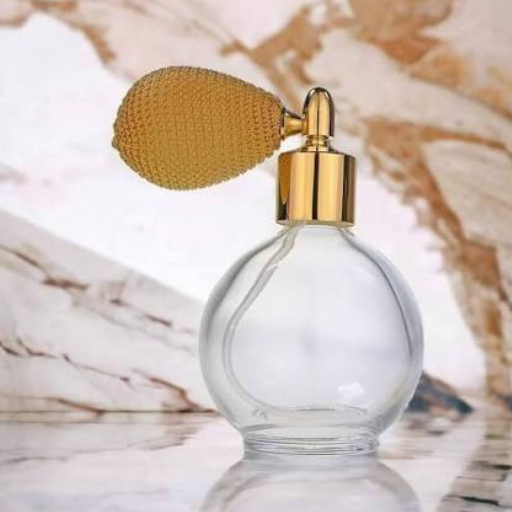
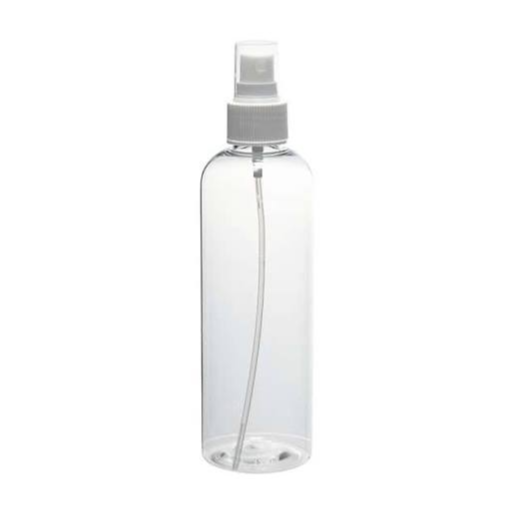
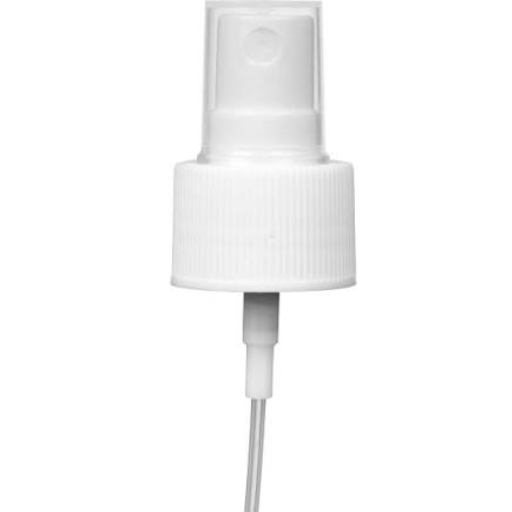
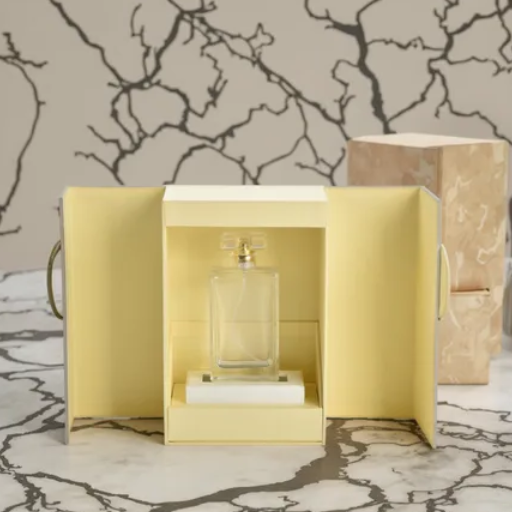
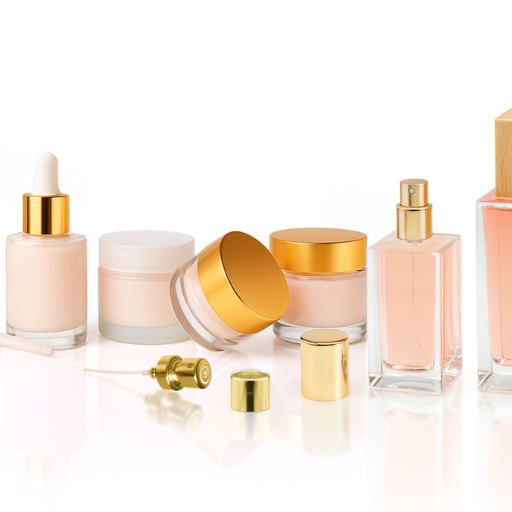
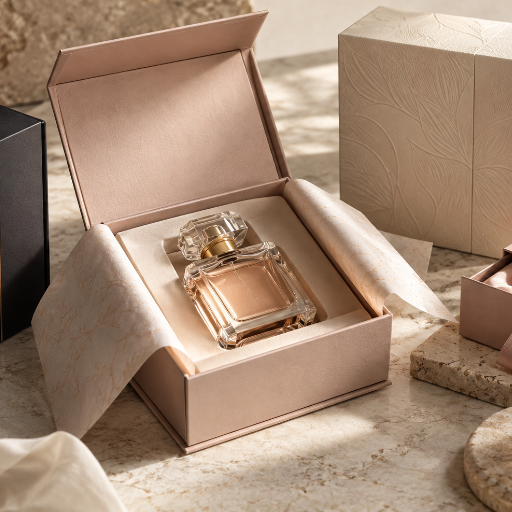
Perfume sample bottles are the small vials and sprayers, typically 1ml to 10ml, that brands use to let a customer try a fragrance before buying the full-size bottle. The right format depends on your goal: dropper vials for low-cost mass sampling, mini spray atomizers for a true wearing experience, and roll-ons for oil-based formulas.
Maya learned this the hard way. When the founder of a three-person indie fragrance label in Austin planned her first discovery set launch, she ordered 5,000 low-cost plastic dropper vials to keep her budget lean. The samples looked fine in photos.
But when customers dabbed the oil on their wrists, the experience fell flat. “It didn’t feel like wearing perfume,” one review read. “It felt like a chemistry set.” Maya ended up discarding most of the batch and reordering mini spray atomizers, which nearly doubled her launch cost.
Choosing the right perfume sample bottles is a decision most brands only get to make once per product cycle. Get it right, and samples convert curious browsers into loyal customers. Get it wrong, and you pay for it twice: once in wasted inventory and again in missed sales. This guide walks through the formats, sizes, materials, and sourcing specifics so you can choose with confidence.
Key Takeaways
- Sample bottles range from 1ml to 10ml, with the 1ml to 3ml range considered the “gold standard” for discovery sets.
- Mini spray atomizers deliver the best trial experience, but dropper vials cost the least per unit.
- High borosilicate glass is the safest, most premium choice for alcohol-based fragrances; amber glass protects light-sensitive formulas.
- Wholesale MOQs start around 100 to 500 pieces for stock, rising to 5,000+ for custom orders, with prices around 0.50to0.50to1.30 per unit at volume.
- Lead times run 3 to 5 days for stock and 20 to 35 days for decorated custom orders.
Browse our perfume sample bottle options to see formats and finishes up close.
What Are Perfume Sample Bottles?

Perfume sample bottles are compact containers designed to hold a small amount of fragrance for trial use. They typically hold between 1ml and 10ml, though some travel formats reach 15ml or 20ml. Their job is simple: give a potential customer enough product to experience the scent without the cost of a full bottle.
These bottles are easy to confuse with perfume tester bottles, but they serve different purposes. Tester bottles are usually full-size retail bottles labeled for counter or in-store use. Sample bottles are smaller, cheaper, and built for distribution, whether that means a discovery set, a subscription box insert, or a mailer with an online order. If you are planning a full-size counter display, our perfume tester bottles guide covers that format in depth.
For a fragrance brand, the sample is often the first physical touchpoint a customer has with the product. A well-chosen bottle protects the scent, feels good in the hand, and quietly reinforces your brand’s positioning.
Why Perfume Sample Bottles Matter for Fragrance Brands
Samples do the heavy lifting in fragrance marketing because scent is impossible to convey digitally. A customer can read a thousand notes about “sandalwood and amber” and still not know whether a perfume smells good on their skin. A sample closes that gap instantly. Sampling-led acquisition is a key driver of the growing global perfume bottles market, according to Dataintelo.
The commercial logic is straightforward. Fragrance is one of the most return-prone categories in e-commerce because buyers can’t test before purchasing. Sampling programs reduce that hesitation. They also create a natural upsell path: a discovery set invites the customer to pick a favorite, which often becomes a full-size purchase later.
For niche and indie brands, samples are even more critical. These labels compete against established houses with decades of brand recognition. A thoughtfully packaged sample lets a smaller brand borrow some of that perceived value. It says, “we take our craft seriously” before the customer even opens the vial.
Mini spray samples in particular outperform dropper vials on perceived quality. The fine mist mimics the full-size experience, which matters when a customer is deciding whether your $120 bottle is worth it. The extra cost per unit is often recovered in higher conversion rates.
Ready to see the difference a quality sample makes? Explore our perfume sample bottle range and request a free sample.
Types of Perfume Sample Bottles
Most sample bottles fall into five categories. Each has a distinct cost profile and customer experience.
Dropper vials are the simplest and least expensive option. A small glass tube holds the fragrance, and a plastic cap with a rod lets the user dab the scent. They work well for large-scale, low-cost campaigns and for oil-based perfumes, but they don’t replicate the spray experience.
Mini spray or atomizer bottles are the favorite of most niche brands. In sizes from 1ml to 5ml, they deliver a true mist that feels like the full-size product. They cost more than dropper vials but dramatically improve the perceived quality of the sample.
Roll-on bottles use a rollerball applicator and are popular with oil-based, minimalist, and wellness-oriented brands. They’re spill-resistant and travel-friendly.
Travel-size bottles, from 5ml to 15ml, are larger and often refillable. They suit discovery kits that double as a portable companion and appeal to eco-conscious customers.
Miniature decorative bottles are tiny replicas of your signature bottle, made with custom molds. They’re the most expensive option but create a collectible “wow” effect and photograph beautifully for social media.
| Format | Typical Size | Cost | Best Use |
|---|---|---|---|
| Dropper vial | 1ml–3ml | Lowest | Mass sampling, oil-based perfumes |
| Mini spray | 1ml–5ml | Low–Medium | Discovery sets, in-store testing |
| Roll-on | 2ml–10ml | Low | Oil-based, wellness brands |
| Travel size | 5ml–15ml | Medium | Refillable kits, gifts |
| Miniature | 1ml–5ml | Highest | Collectible, social-media-ready |
Perfume Sample Bottle Sizes: A Complete Breakdown
Size is one of the first decisions you’ll make, and it shapes everything from cost to shipping. Here’s how the common capacities shake out.
1ml to 3ml is the sweet spot for discovery sets. It’s enough product for a few full wears without giving away too much free fragrance. Most brands settle here.
2ml is the most common single-sample size. A 2ml spray typically delivers roughly 20 to 25 sprays, which is enough for several days of testing.
5ml is the standard for travel and trial formats. It gives a generous wearing experience and meets many airline carry-on requirements when packed properly.
8ml to 10ml starts to blur the line between sample and product. These sizes often serve as “starter” retail items or premium deluxe samples in gift-with-purchase programs.
For a quick reference on approximate spray counts:
- 1ml: about 10 sprays
- 2ml: 20 to 25 sprays
- 3ml: about 30 sprays
- 5ml: 50 or more sprays, depending on the atomizer
Glass vs. Plastic vs. Aluminum: Choosing the Right Material
Material choice affects scent preservation, perceived quality, and cost. For most alcohol-based fragrances, glass is the safest and most premium option.
High borosilicate glass is the gold standard. It’s chemically inert, so it won’t react with alcohol or essential oils or alter the scent over time. It also resists thermal shock, which matters when samples ship through temperature swings. Its clarity shows the true color of the fragrance.
Soda-lime glass is a more economical glass alternative. It’s widely available and cost-effective, though slightly less resistant to thermal stress than borosilicate.
Amber glass blocks UV light, which protects light-sensitive formulas and essential oils from degrading. If your fragrance contains natural citrus or floral absolutes, amber is worth considering.
Plastic, typically PET or acrylic, is lighter, tougher, and cheaper in high volumes. The tradeoff is that plastic can feel more basic and may require compatibility testing for long-term contact with certain ingredients.
Aluminum is travel-friendly, opaque, and offers excellent UV protection. It’s a popular choice for refillable formats and modern, minimalist branding.
Priya, who curates a quarterly beauty subscription box, learned why material matters the hard way. She sourced the cheapest plastic dropper vials she could find for a citrus-focused fragrance oil. Within a month, customers reported the scent had turned slightly sour.
The essential oil had reacted with the plastic. She switched to amber glass and the complaints stopped, though not before the negative reviews had already landed. For fragrance, material is not just about looks. It’s about chemistry.
If you want to dig deeper into the tradeoffs, our how perfume bottles are made guide explains the manufacturing side.
Customization Options for Brand Impact

A sample bottle is a small canvas, but it can carry a lot of brand identity. The most common customization options include:
- Logo printing: screen printing and hot stamping put your mark directly on the glass.
- Laser engraving: a durable, premium finish for glass bottles.
- Frosting and color coating: change the finish and feel of the bottle.
- Closures and caps: choose from pump sprayers, aluminum caps, screw or snap necks, dropper caps, and rollerball tops.
- Labels and secondary packaging: carding, sleeves, and boxes complete the presentation.
Even a simple frosted finish can elevate a $0.80 sample bottle into something that feels worth keeping. That perception transfers directly to the full-size product your customer eventually buys.
Wholesale Sourcing: MOQs, Pricing, and Lead Times
Sourcing is where many brands run into surprises. Understanding the numbers upfront saves time and money.
Minimum order quantities vary by material and customization level. Stock, blank bottles can often be ordered in smaller runs, sometimes as low as 100 to 500 pieces through marketplaces. Standard wholesale orders typically land between 1,000 and 5,000 pieces. Custom, decorated orders usually start around 5,000 pieces and can reach 10,000 or more for fully bespoke molds.
Pricing follows the same pattern. Empty sample spray bottles commonly run between 0.50and0.50and1.30 per unit at a 5,000-piece MOQ. Dropper vials sit at the lower end, while mini spray atomizers with aluminum caps and decoration cost more. Custom miniature bottles with dedicated molds are the most expensive.
Lead times break down cleanly. Stock items ship in 3 to 5 working days. Custom and decorated orders typically take 20 to 35 days after sample approval, depending on the complexity of the decoration.
As a manufacturer, Fuzhou Longlu Packaging can walk you through exact MOQs, per-unit pricing, and timelines for your specific format. Request a quote and we’ll provide a clear, itemized estimate.
Filling, Handling, and Quality Control
A beautiful sample bottle means nothing if it leaks or arrives empty. Here’s what to keep in mind.
Filling small vials is more delicate than filling retail bottles. For very small runs, manual filling with syringes works. For larger volumes, automated filling machines deliver consistency and speed. Alcohol-based fragrances evaporate quickly, so work in a controlled environment.
Leak prevention starts with the closure. Pump sprayers and screw caps need proper torque; snap necks need a secure fit. Always test a sample batch with your actual fragrance before committing to a full run.
Quality control should happen at three stages: incoming inspection of raw bottles, in-process inspection during decoration, and a final inspection before shipping. Common defects to watch for include sprayer failure, cap fit issues, glass flaws, and inconsistent decoration.
A reliable manufacturer will provide free samples before your bulk order so you can verify fit, function, and finish. Never skip that step.
Sustainability and Refillable Sample Formats
Sustainability is no longer a nice-to-have for fragrance brands. Customers notice, and increasingly, they expect it.
Glass is infinitely recyclable and remains the most sustainable choice for premium samples. For plastic, look for PCR (post-consumer recycled) content, which reduces virgin material use. Refillable travel-size samples extend the life of the container and appeal to customers who dislike single-use waste.
Some brands are now building entire loyalty programs around refillable sample formats. A customer keeps a branded, refillable atomizer and tops it up with new scents over time. It reduces waste and turns the sample into a durable piece of your brand.
Our eco-friendly packaging solutions cover recyclable and PCR options that align with your sustainability goals.
Compliance and Regulatory Considerations

Fragrance samples travel through global supply chains, so compliance matters.
REACH governs chemical substances in the European Union. Your packaging materials and any coatings must comply with REACH requirements when selling into EU markets.
Alcohol transport is the big one for perfume. Because fragrance contains alcohol, it ships as a limited-quantity dangerous good under IATA rules. Sample bottles need secure, leak-proof closures and proper labeling.
Child safety and tamper-evident closures are increasingly expected, especially for products sold in retail settings.
Prop 65 in California requires warnings for certain chemicals. If your fragrance or packaging contains listed substances, you must include the appropriate labeling.
Working with a manufacturer that understands these requirements saves you from costly surprises at the border. Fuzhou Longlu Packaging builds compliance into the process from the start, including CE and RoHS standards for applicable products.
Frequently Asked Questions
What sizes do perfume samples come in?
Most perfume samples come in 1ml, 2ml, 3ml, 5ml, and 10ml sizes, with extended ranges from 0.5ml up to 20ml or more for travel formats.
How many sprays are in a 2ml perfume sample?
A 2ml spray sample typically delivers about 20 to 25 sprays, which is enough for several days of testing.
Are perfume sample bottles refillable?
Some are. Travel-size and aluminum atomizers are commonly refillable, while small dropper vials and snap-neck sprayers are usually single-use.
What is the difference between a perfume sample and a tester bottle?
Sample bottles are small trial formats from 1ml to 10ml used for distribution. Tester bottles are full-size retail bottles labeled for counter or in-store use. See our perfume tester bottles guide for the full comparison.
How much do custom perfume sample bottles cost?
Empty sample spray bottles typically run 0.50to0.50to1.30 per unit at a 5,000-piece MOQ, with custom decoration and miniature molds adding cost.
Where can I buy perfume sample bottles wholesale?
You can source them through manufacturers like Fuzhou Longlu Packaging, which offers stock and custom options with clear MOQs and lead times.
Is glass or plastic better for perfume samples?
Glass is generally better for alcohol-based fragrances because it’s chemically inert and preserves the scent. Plastic works for cost-sensitive, high-volume runs but needs compatibility testing.
Conclusion
Perfume sample bottles are small, but they carry an outsized share of your brand’s first impression. The right choice protects the scent, elevates the experience, and moves customers closer to a full-size purchase.
To recap: the 1ml to 3ml range is the gold standard for discovery sets; mini spray atomizers deliver the best trial experience; high borosilicate glass is the safest premium material; and wholesale MOQs, pricing, and lead times are predictable once you know the format you need.
The single most valuable step you can take is to order samples before committing to a bulk run. Test the closure, the sprayer, and the way your fragrance behaves in the material you’ve chosen.
At Fuzhou Longlu Packaging, we help fragrance brands source sample bottles that protect the product and reinforce the brand. Whether you need stock dropper vials, custom mini sprays, or a full discovery set program, we’ll walk you through formats, materials, and pricing with no guesswork.