
Here’s how to store perfume testers so they stay fresh: keep them upright, tightly sealed, and in a cool, dark, dry place, ideally between 60°F and 70°F, away from sunlight and humidity. Nail that one habit, and pair it with the right vial and box, and a tester can smell exactly the same five years from now.
That’s the surprising truth most people miss. A tester left on a sunny bathroom shelf can turn sharp within weeks. The same fragrance stored in a closed drawer can stay beautiful for a decade or more. Age has almost nothing to do with it. Storage does.
You probably assume perfume testers go bad because they’re “old” or because they don’t have a cap. That’s understandable. But as a custom packaging manufacturer, we see the real story every day: fragrance lives or dies by how it’s packaged and stored. This guide walks you through the exact storage method, for your own collection at home, and for the brands and retailers who ship and display testers in bulk.
Key Takeaways
- Store perfume testers upright, sealed, and in a cool, dark, dry place, 60–70°F and low humidity.
- The vial and atomizer matter more than the cap. Opaque or amber glass with a tight-seal spray atomizer protects scent far better than clear plastic.
- Small 1ml plastic vials degrade fastest; glass atomizers of 5ml or more hold fragrance longest.
- Well-stored testers can last five years or more; a tester under retail lighting can go off in as little as a couple of weeks.
- For brands, packaging is your first line of defense, protective boxes and inserts prevent leaks and light damage from factory to shelf.
Why Perfume Testers Go Bad (and How Packaging Protects Them)

Before we get to the “how,” it helps to understand what you’re protecting against. Fragrance is a blend of alcohol, essential oils, and aromatic compounds. Alcohol makes up most of the liquid, usually 70% or more, which is why sealed perfume rarely spoils the way food does. But the aromatic compounds are fragile.
The Four Enemies: Light, Heat, Humidity, and Air
Every fragrance is slowly degraded by four things, and they almost always work together.
Light, especially UV. Ultraviolet light breaks the chemical bonds in fragrance molecules. That’s why a clear bottle on a windowsill is a recipe for a ruined scent. It’s also why good perfume bottles are often dark or tinted.
Heat. Heat accelerates evaporation and speeds up every chemical reaction, including the ones that turn a top note sour. A stable, cool temperature matters more than a cold one.
Humidity. Moisture can seep into a poorly sealed vial and dilute or cloud the liquid. Bathrooms are the worst offender, steam, heat, and temperature swings all in one room.
Air (oxidation). Every time you open a sample, air rushes in and oxidation begins. Over time, that dulls the brightest notes and can make a fragrance smell flat or slightly vinegary.
How the Vial and Atomizer Do (or Don’t) Protect Fragrance
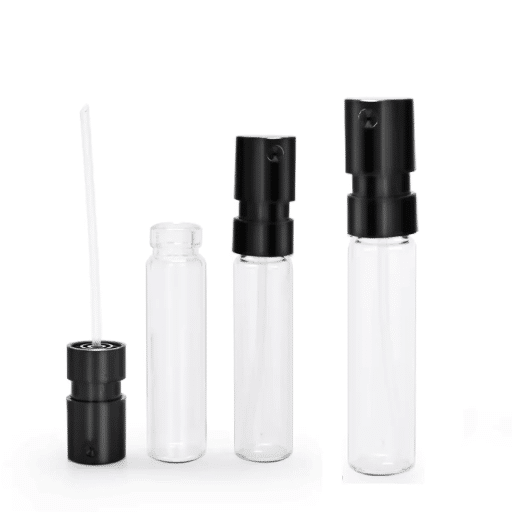
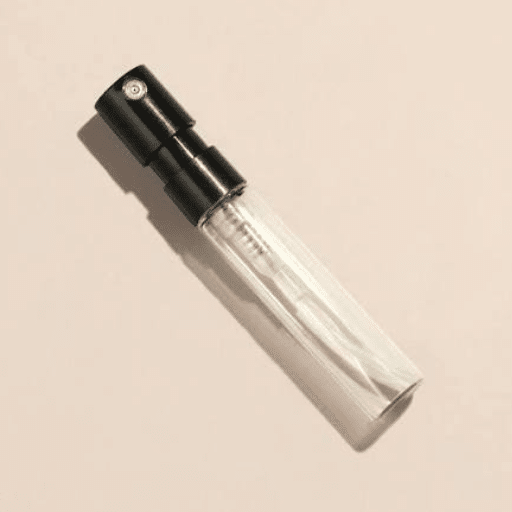
Here’s where packaging quietly does most of the work. A glass vial is far less permeable than plastic, so it blocks both air and light better. Amber or opaque glass blocks UV almost entirely. And a crimp-on or screw-on spray atomizer seals the opening far more tightly than a loose snap cap or a simple dabber.
The cap, by contrast, is mostly cosmetic. On a sealed spray bottle, the atomizer already keeps air out. As one long-running Fragrantica discussion put it, the cap is a “cosmetic relic”; nice to have, but not what protects your fragrance.
That’s why a tester without a cap isn’t automatically doomed. What matters is whether the atomizer seals and whether the glass blocks light. Get those right, and you’ve already solved most of the problem.
The Golden Rule: Store Perfume Testers Cool, Dark, and Dry
If you remember one thing from this article, make it this: cool, dark, and dry. Everything else is detail.
Ideal Temperature and Humidity
Aim for a stable temperature between 60°F and 70°F (roughly 15°C to 21°C). Consistency is the real goal, a closet that stays steady beats a fridge that swings in temperature every time you open the door.
For humidity, somewhere around 40–50% is comfortable. You don’t need a hygrometer in your bedroom. You just need to keep fragrance out of damp, steamy spaces.
The Worst Places to Keep Them
Avoid these, and you’re ahead of most people:
- The bathroom. Steam, heat, and humidity. This is the single most common mistake.
- Windowsills and open shelves in direct light. UV is relentless.
- Cars and bags left in the sun. Heat spikes ruin fragrance fast.
- Next to radiators, stoves, or electronics. Any steady heat source works against you.
The best spot is a closed drawer, a cabinet, or a dedicated storage box in a cool room. Dark, dry, and out of the way.
Want packaging that does the protecting for you? We’ll get to that, but first, here’s how to store what you already own. If you’re sourcing vials for a brand, explore our perfume sample vials to see the difference the right glass and atomizer make.
How to Store Perfume Testers at Home: Step-by-Step

Now the practical part. Whether you’re organizing a handful of samples or a serious collection, these steps keep every vial fresh.
Keep Them Upright and Sealed
Store vials standing up, not lying on their sides. Upright storage keeps the liquid away from the cap and the sprayer, which reduces leaks and evaporation.
If your tester came without a cap, as most do, the atomizer still seals it. But for long-term storage, a little extra protection helps. A few simple workarounds:
- Match a spare cap from a used-up bottle of the same or a similar fragrance.
- Wrap the sprayer in a small piece of plastic food wrap or Parafilm, secured with a rubber band.
- Dab a tiny bit of tape or fun-tack over the atomizer hole to slow evaporation.
One habit worth building: after a long rest, clear the “throat” of the bottle with a quick spray or two into the air before applying. The first spray can sometimes be slightly stale.
The Best Containers and Organization Systems
You don’t need anything fancy, but a designated home makes storage automatic. Fragrance enthusiasts swear by these:
- Bead or craft storage boxes, small compartments, perfect for standing vials upright and alphabetizing them.
- Lipstick holders, clear acrylic trays with compartments that fit 2–3 samples each.
- Ammunition boxes, the 38/357 case is a cult favorite for standard sample vials.
- Clear acrylic drawer organizers, keep everything visible and easy to grab.
- A small tin, ideal for a few vials in your purse or travel bag.
Whatever you choose, keep the container in a cool, dark spot and store vials upright inside it. That combination does the heavy lifting.
Label and Track What You Own
It’s easy to forget what a sample even is. A simple system keeps your collection usable:
- Label every vial with the fragrance and brand using a fine-tip marker.
- Sort by scent family, floral, woody, fresh, oriental, or by season.
- Keep a running list in a notes app so you know what you have.
- Review every few months, toss empties, pass along scents you don’t love.
Mini-story: When Mia ordered a 12-piece discovery set last summer, she lined the little vials up on her bathroom windowsill where the morning light hit them. Three months later, her favorite, a citrus scent she’d been saving, had turned sharp and slightly vinegary. The culprit wasn’t age. It was UV light and bathroom humidity. The vials themselves were clear glass with simple snap caps, offering almost no protection. A drawer and amber glass would have kept that scent alive for years.
How Perfume Brands and Retailers Should Store Testers
So far we’ve focused on a single collector. But if you make, sell, or ship fragrance, storage is a supply-chain problem, and it’s where the right packaging pays for itself.
Pre-Distribution and Warehouse Storage
Testers and samples often sit in a warehouse for weeks or months before they reach a customer. During that time, they should be:
- Kept in closed, light-blocking cartons, never in clear or open containers.
- Stored in a cool, dry area away from dock doors, windows, and heat sources.
- Boxed with dividers or inserts so vials don’t knock together and leak.
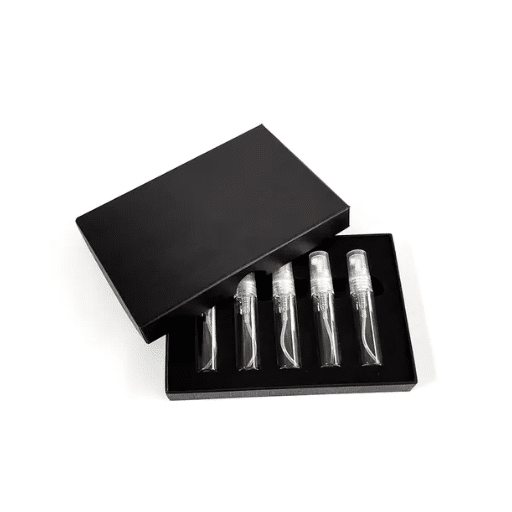
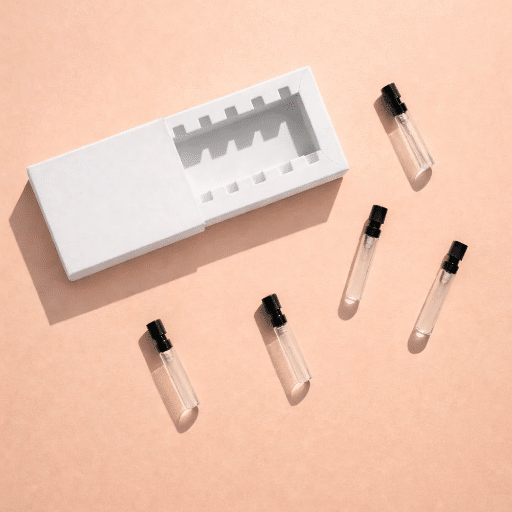
This is where a custom rigid box with a foam or die-cut insert earns its cost. The insert holds each vial upright and separated, so nothing leaks or breaks in storage or transit.
Shipping Protection for Sample Vials
Fragrance samples are small and light, which makes them easy to underestimate. But they’re glass, filled with liquid, and often shipped long distances. Two things protect them:
- Amber or opaque glass vials with tight-seal spray atomizers, for the fragrance itself.
- A protective outer box with inserts, for the journey.
Pair those two, and you dramatically cut the two costs that eat margins: leaking vials and samples that arrive smelling off.
Mini-story: Daniel runs a small niche perfume label. For his first sample run, he chose the cheapest clear plastic vials and loose paper sachets to keep costs down. Six weeks later, a retailer emailed photos, half the samples had leaked in transit, and the ones that survived smelled off. He switched to amber glass with tight-seal atomizers and a die-cut foam insert. Returns dropped, and that same retailer reordered three times that quarter.
Retail Tester Displays That Protect and Sell
In stores, testers face their hardest test: they sit out under lighting, handled constantly, with no cap. That’s why tester displays need to balance accessibility with protection.
- Countertop tester stands keep bottles organized and upright while making them easy to sample.
- Security tethers (like InVue’s Stage system) keep testers accessible but prevent theft and rough handling.
- Storage drawers below the display hold backup stock in the dark until it’s needed.
The takeaway for brands: a tester that sits under hot retail lighting for weeks can give shoppers a false, degraded impression of your fragrance. A well-designed display and dark backup storage protect the very first impression you make.
If you ship or sell fragrance, the packaging you choose is doing half your storage work for you. Get a quote on custom tester and sample packaging, we’ll help you spec vials, boxes, and inserts that protect fragrance from factory to shelf.
How Long Do Perfume Testers Last?

The honest answer: there’s no fixed expiration date. Fragrance longevity depends almost entirely on how it’s stored.
Sample Vials vs. Full-Size Testers
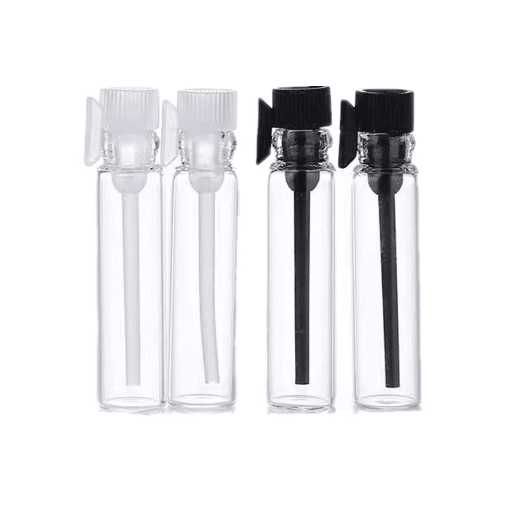
Sample vials are the fragile ones. Small 1ml plastic vials degrade fastest, treat them as “use it or lose it.” Most sources suggest using samples within 6 to 12 months for peak quality, though well-stored glass samples can last several years.
Full-size testers are far more durable. Because they hold more liquid and usually use better glass and a proper spray atomizer, a well-stored tester can easily last five years or more. Fragrance forums are full of reports of bottles, and testers, smelling great after 8, 15, even 20 years when stored properly.
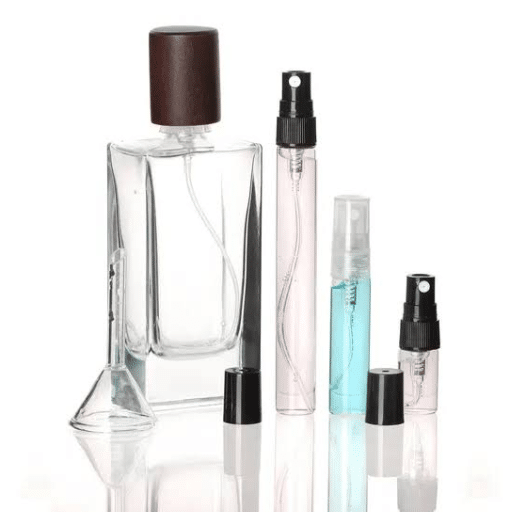
For the longest life, follow the guidance from Surrender to Chance: prefer glass over plastic, 5ml or larger for anything you want to keep, and seal it tight after every use.
Signs a Fragrance Has Gone Bad
How do you know a tester has turned? Look for these signs:
- Changed color, a noticeable darkening or cloudiness.
- An off or sour smell, especially a sharp, vinegary, or “flattened” note.
- Visible sediment or separation in the liquid.
If you spot any of these, the fragrance has oxidized past the point of return. It’s time to let it go.
Frequently Asked Questions
Should I store perfume testers in the refrigerator?
Generally no. A fridge introduces humidity and temperature swings every time you open it. A cool, dark drawer or closet is safer and simpler.
Do perfume testers go bad without a cap?
Not on their own. On a sealed spray bottle, the atomizer keeps air out, the cap is mostly cosmetic. For long-term storage, sealing the sprayer or adding a spare cap adds a little extra protection.
How do I organize a large perfume sample collection?
Use a compartmented storage box, stand every vial upright, and sort by scent family or season. Label each vial and keep a running list so you can find and use what you own.
Why does my perfume smell different after a few months?
Light, heat, humidity, and air have likely begun to oxidize it. Storing it upright, sealed, and in a cool, dark, dry place prevents most of that change.
What’s the best packaging for perfume samples?
Opaque or amber glass vials with tight-seal spray atomizers, held upright in a protective box or insert. This combination blocks light, prevents leaks, and keeps air out far better than clear plastic.
Keep Your Testers, and Your Fragrance, Fresh
Storing perfume testers comes down to a simple rule: keep them upright, sealed, and cool, dark, and dry. Do that at home, and a beloved sample can last years. Do it across your supply chain, and your fragrance reaches every customer exactly as you intended.
Mini-story: After years of storing testers loose in a drawer, Priya bought a single compartmented storage box and moved everything out of the light. A year later, she opened a vial she’d assumed was long gone, and it smelled exactly as it did on day one. Nothing changed but the storage.
The vial and the box are doing more of the work than most people realize. If you’re making, selling, or shipping fragrance, the right packaging isn’t a finishing touch, it’s your first line of defense against light, leaks, and lost scent.
Ready to protect your fragrance from the very first shipment? Explore custom perfume packaging or learn how to choose the right packaging for your product. We’ll help you spec vials, boxes, and inserts that keep every tester fresh, from our factory to your customer’s hands.