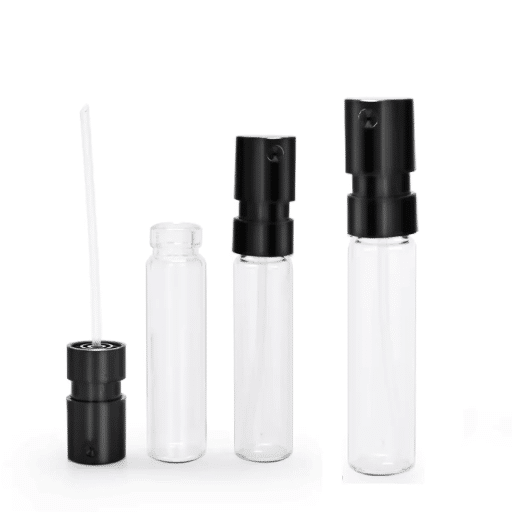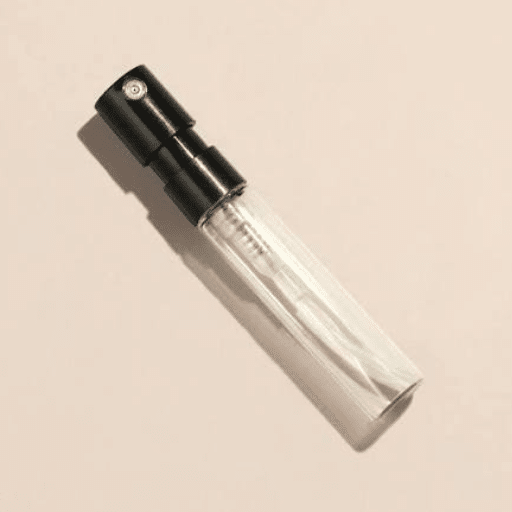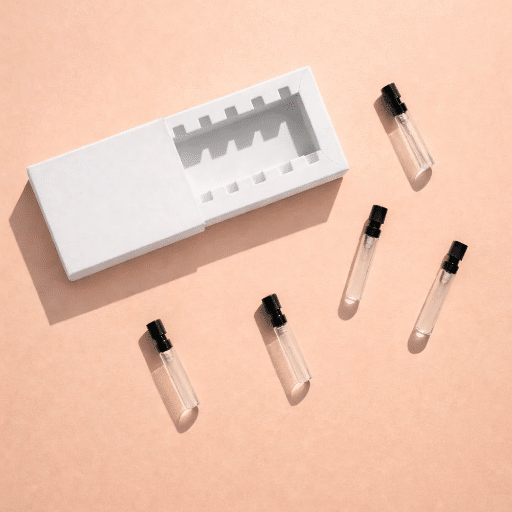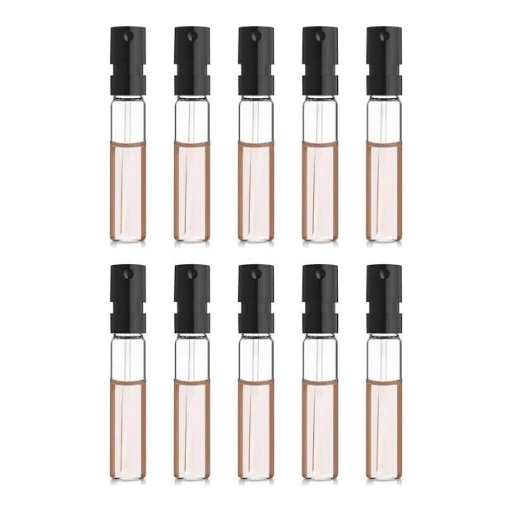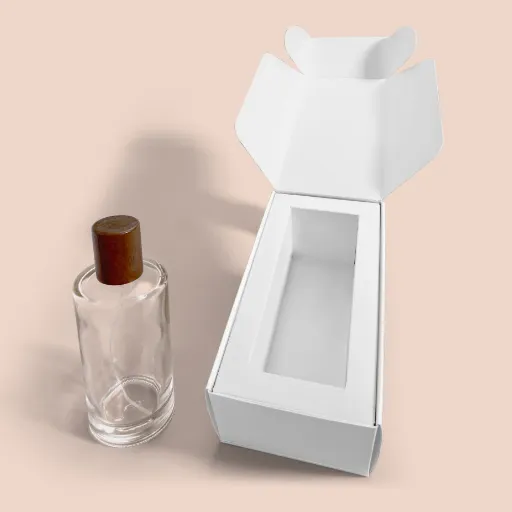
The most common perfume packaging materials are glass for bottles, Zamac or aluminum for caps, rigid board or paperboard for outer boxes, and EVA foam or velvet for interior inserts. Sustainable alternatives like PCR glass, bio-resin caps, and agricultural fiber board are rapidly replacing traditional options as consumer demand for eco-friendly packaging grows 35% year over year.
What your customer touches before they ever smell your fragrance matters more than most brands realize. The weight of a glass bottle in their hand. The cool precision of a metal cap. The texture of the box as they slide it open. These material choices communicate value, sustainability, and brand identity in ways that marketing copy never can.
But here’s the challenge. Walk into any packaging supplier’s showroom and you’ll face hundreds of material combinations. Flint glass or amber? Zamac or aluminum? Rigid board at 1,200 GSM or folding carton at 350 GSM? Each choice affects cost, recyclability, perceived luxury, and shipping weight. Make the wrong decision and your beautiful fragrance arrives in packaging that undermines everything your brand stands for.
This guide covers every material that goes into perfume packaging, from the glass in your bottle to the insert cradling it inside the box. You’ll learn the technical properties of each option, what they cost, how sustainable they really are, and how to choose the right combination for your brand and budget. Whether you’re launching your first fragrance or refreshing an established line, you’ll leave with a clear material strategy.
Key Takeaways
- Glass dominates 62% of perfume packaging, with PCR (post-consumer recycled) glass now achieving 50-90% recycled content while maintaining luxury clarity.
- Aluminum caps outperform Zamac in recyclability, while bio-resin caps made from castor oil are reaching price parity with conventional plastics.
- Rigid board (800-2000 GSM) remains the luxury box standard, but agricultural fiber board and mushroom-based inserts are emerging as viable sustainable alternatives.
- Mono-material construction improves recyclability by 40-60% compared to mixed-material packaging and is increasingly required by EU regulations.
- Material costs range from 2−6perunitforentry−levelcombinationsto2−6perunitforentry−levelcombinationsto18-60+ for luxury configurations, with sustainable options now competitive at mid-tier price points.
What Are Perfume Packaging Materials?
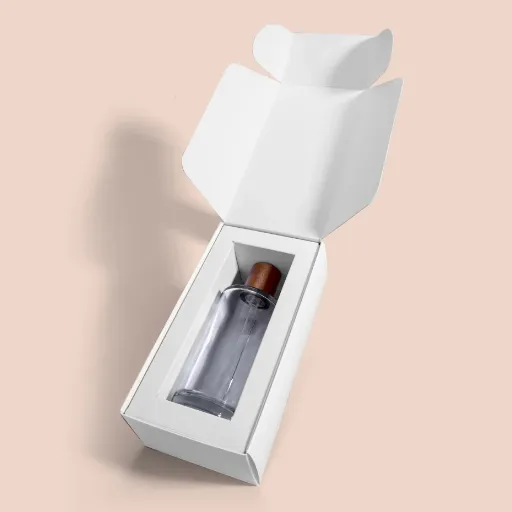
Perfume packaging materials are the raw substances used to construct every physical component that houses, protects, and presents a fragrance product. This includes four main categories: the bottle itself, the cap or closure, the outer box or primary packaging, and the interior insert or lining that holds the bottle in place.
Understanding these materials matters because each component serves a different purpose. The bottle must be chemically inert and protect the fragrance formula from light and air. The cap needs to seal tightly while contributing to the overall aesthetic. The outer box protects during shipping and creates the unboxing moment. The insert prevents movement and damage.
Want to see how these materials come together in a finished package? Explore our custom perfume packaging solutions to see real examples of material combinations for every budget tier.
When Maria launched her indie fragrance line in Barcelona last year, she assumed all glass bottles were essentially the same. She ordered standard flint glass with plastic caps and folding cartons to keep costs down. Her first 500 units shipped without issue. But when she placed her bottles beside competitors at a trade show, the difference was obvious. Their heavier glass felt substantial. Their Zamac caps caught the light. Their rigid boxes closed with a satisfying magnetic snap. Maria’s packaging looked like a budget option, even though her fragrance formula was exceptional. She lost three potential wholesale accounts that day. The material story her packaging told didn’t match the quality of what was inside.
Glass Bottle Materials
Glass accounts for approximately 62% of all perfume packaging units worldwide, and for good reason. It is chemically inert, infinitely recyclable, impermeable to air and moisture, and conveys instant luxury. But not all glass is the same. The type you choose affects UV protection, weight, clarity, cost, and sustainability credentials.
Flint Glass (Clear), The Industry Standard
Flint glass, also called clear soda-lime glass, is the most common choice for perfume bottles. It offers excellent clarity, allowing the color of the fragrance to show through. This matters because many brands use tinted liquids as part of their visual identity.
Standard flint glass contains no special additives and is the most affordable glass option. It works well for fragrances that are not sensitive to light degradation. However, it offers no UV protection, which can be a concern for formulations containing delicate natural ingredients like citrus oils or certain florals that degrade with light exposure.
For most commercial fragrances with stable synthetic formulations, flint glass is perfectly adequate. It is also the easiest glass type to source, with the widest range of stock molds available.
Amber Glass, UV Protection for Sensitive Formulations
Amber glass contains iron, sulfur, and carbon additives that give it its characteristic brown color. More importantly, these additives block approximately 90% of UV light, protecting sensitive fragrance compounds from photodegradation.
This makes amber glass ideal for natural perfumes, niche fragrances with high concentrations of botanical ingredients, and any formulation where stability over time is critical. The warm color also carries connotations of apothecary tradition and artisan craft, which many indie and natural fragrance brands use.
The trade-off is reduced visual impact for colored fragrances. If your scent is a pale rose gold or vibrant amber liquid, an amber bottle will hide it. The cost is also 10-15% higher than flint glass due to the additional raw materials.
Cobalt and Colored Glass, Premium Positioning
Cobalt glass, with its deep blue hue, has been associated with luxury fragrance since the 19th century. Other colored glasses, including emerald green, ruby red, and matte black, serve similar positioning purposes. They create immediate visual distinction on a crowded vanity shelf.
Colored glass offers moderate UV protection, generally falling between flint and amber. The primary value is aesthetic and brand-specific. Tom Ford’s iconic black bottles, Hermes’ amber creations, and Jo Malone’s minimalist clear designs all use glass color as a core brand identifier.
Custom colored glass requires minimum order quantities typically starting at 5,000-10,000 units, making it less accessible for small launches. Some brands achieve similar effects through spray coating or painting clear glass at lower volumes.
Crystal and Lead-Free Crystal, Ultra-Luxury Segment
Traditional crystal glass contains lead oxide, which increases refractive index and creates that characteristic sparkle. However, lead content raises health and environmental concerns, and lead crystal is increasingly restricted in many markets.
Lead-free crystal, also called crystalline, uses barium oxide or zinc oxide instead of lead. It achieves similar brilliance and weight while meeting modern safety standards. Brands like Baccarat and Lalique use true crystal for limited editions and collector pieces where the packaging itself becomes a keepsake.
Crystal commands the highest price tier. A crystal perfume bottle can cost 15−50ormoreperunitbeforedecoration,makingitviableonlyforultra−luxuryfragranceswithretailpricesabove15−50ormoreperunitbeforedecoration,makingitviableonlyforultra−luxuryfragranceswithretailpricesabove200.
PCR (Post-Consumer Recycled) Glass, The Sustainable Standard
PCR glass is manufactured using 30-90% post-consumer recycled cullet (crushed glass). Modern processing techniques have eliminated the clarity issues that plagued early recycled glass, and premium PCR glass now matches virgin flint glass in transparency.
Major fragrance houses including Chanel, Guerlain, and The Body Shop have committed to PCR glass targets of 50% or higher. The environmental benefit is significant: every 10% increase in recycled content reduces energy consumption by roughly 3% and CO2 emissions by 5%.
PCR glass costs 5-10% more than virgin glass at equivalent quality, but this premium is shrinking as supply chains mature. For brands targeting sustainability-conscious consumers, PCR glass has become the baseline expectation rather than a premium upgrade.
Thin-Wall Glass Technology, Reducing Weight and Cost
Thin-wall glass manufacturing reduces bottle weight by 20-30% while maintaining structural integrity through improved forming techniques. This matters for two reasons. First, it reduces material costs. Second, and often more importantly, it reduces shipping costs.
For e-commerce fragrance brands, dimensional weight pricing can make shipping a significant cost factor. A lighter bottle means lower freight costs and a smaller carbon footprint per unit shipped. Thin-wall technology is now standard for many stock bottles and available for custom molds.
| Glass Type | UV Protection | Clarity | Weight | Cost Tier | Best For |
|---|---|---|---|---|---|
| Flint (Clear) | None | Excellent | Standard | $ | Commercial fragrances, stable formulations |
| Amber | High (~90%) | N/A (opaque) | Standard | $$ | Natural perfumes, UV-sensitive formulas |
| Cobalt/Colored | Moderate | Tinted | Standard | $$$ | Premium positioning, brand differentiation |
| Lead-Free Crystal | Moderate | Exceptional | Heavy | $$$$$ | Ultra-luxury, collector editions |
| PCR Glass | Varies by type | Excellent | Standard | $$-$$$ | Sustainability-focused brands |
| Thin-Wall | Varies by type | Excellent | Light | $-$$ | E-commerce, cost-sensitive launches |
Cap and Closure Materials
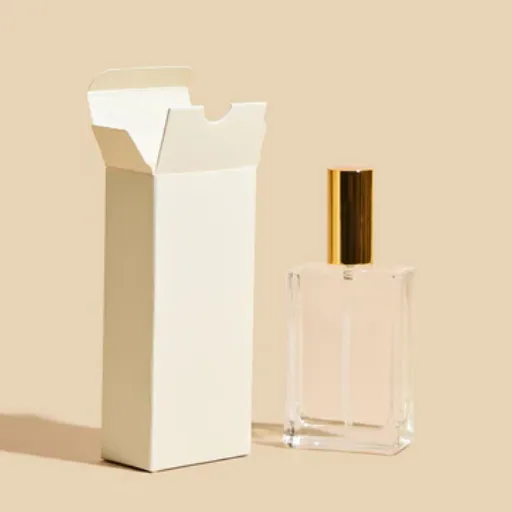
The cap is the most handled part of any perfume package. Customers twist it off and on every time they use the fragrance. Its weight, temperature, texture, and sound all contribute to the perceived quality of the product. Cap material choice also has significant sustainability implications that many brands overlook.
Zamac (Zinc Alloy), The Luxury Standard
Zamac, a zinc-aluminum-magnesium-copper alloy, has been the luxury cap material of choice for decades. It is heavy, cool to the touch, and takes plating beautifully in chrome, gold, gunmetal, and other finishes.
The weight of a Zamac cap creates an immediate impression of quality. Pick up a Tom Ford or Creed bottle and the heft of the cap signals luxury before you ever smell the juice inside. Zamac also allows for intricate casting details, making it ideal for logo embossing and sculptural designs.
However, Zamac presents a sustainability challenge. The plating process typically involves multiple metal layers, making recycling difficult. A chrome-plated Zamac cap cannot be easily separated into recyclable streams. For brands committed to circular design, this is a significant drawback. The weight that zamac caps contribute significantly increases the cost of transportation.
Aluminum, Lightweight and Infinitely Recyclable
There has been a great deal of growth in the use of aluminum caps over the last few years because of environmental considerations. Aluminum caps are 100 percent recyclable and can be infinitely recycled. It is also naturally lightweight, reducing shipping costs and carbon footprint.
Modern aluminum caps can achieve premium aesthetics through anodizing, brushing, and polishing techniques. They feel cool and substantial, though lighter than Zamac. Brands like Aesop and Le Labo have demonstrated that aluminum caps can convey minimalist luxury effectively.
For mono-material packaging strategies, aluminum is ideal. A glass bottle with an aluminum cap represents two infinitely recyclable materials. Some innovative designs even use aluminum caps that screw onto aluminum-necked bottles, creating a fully recyclable primary package.
Cost-wise, aluminum caps are typically 15-25% less expensive than Zamac, making them attractive for mid-tier and sustainable luxury positioning.
Brass and Stainless Steel, Niche Premium Options
Brass and stainless steel caps occupy a smaller niche in the fragrance market. Brass offers warm, vintage aesthetics that pair well with artisan and apothecary brand positioning. Stainless steel provides exceptional durability and a modern industrial feel.
Both materials are recyclable but command higher prices than aluminum due to material costs and machining complexity. They are most commonly seen in limited editions and niche fragrance lines where the cap itself becomes a talking point.
Wood and Ceramic, Artisan and Natural Positioning
Wooden caps, typically made from sustainably sourced hardwoods like walnut, oak, or bamboo, create an immediate natural and artisan impression. They are lightweight, warm to the touch, and can be laser-engraved with fine detail. However, wood is sensitive to humidity and fragrance vapor exposure, requiring careful sealing of the internal closure mechanism.
Ceramic caps offer a similar handcrafted aesthetic with greater durability. They can be glazed in custom colors and feel pleasantly substantial. Both wood and ceramic work best for brands with natural, organic, or artisan positioning.
Bio-Resin and Bioplastics, The Sustainable Future
Bio-resin caps made from castor oil, sugarcane, or other plant-derived feedstocks are the fastest-growing cap category. They can be molded into virtually any shape, colored precisely, and formulated to match the mechanical properties of petroleum-based plastics.
Price parity with conventional plastics is now achievable at scale, and the carbon footprint is 40-60% lower. Brands like Maison Margiela and Clean Beauty have adopted bio-resin components. The main limitation is heat resistance, which can be a concern for fragrances stored in warm climates.
Plastic (ABS, PP, Surlyn), Cost-Effective and Versatile
Acrylonitrile butadiene styrene (ABS), polypropylene (PP), and Surlyn remain common for mass-market and entry-level fragrances. They are inexpensive, lightweight, and easily molded into complex shapes. Surlyn, in particular, offers a premium feel similar to heavy glass or ceramic.
The sustainability profile is poor. Most plastic caps are not recycled due to mixed material construction and small size. For brands prioritizing environmental credentials, plastic caps are increasingly being replaced by aluminum or bio-resin alternatives.
| Cap Material | Weight | Recyclability | Cost | Best For |
|---|---|---|---|---|
| Zamac (Zinc Alloy) | Heavy | Low (plated) | $$$$ | Traditional luxury, substantial feel |
| Aluminum | Light | Excellent (100%) | $$ | Sustainable luxury, mono-material |
| Brass | Heavy | Good | $$$$$ | Artisan, vintage positioning |
| Stainless Steel | Medium | Excellent | $$$$ | Industrial modern, durability |
| Wood | Light | Biodegradable | $$$ | Natural, artisan brands |
| Ceramic | Medium | Non-recyclable | $$$ | Handcrafted, unique aesthetics |
| Bio-Resin | Light | Varies by type | $$-$$$ | Sustainable positioning |
| Plastic (ABS/PP) | Light | Poor | $ | Mass market, cost-sensitive |
Outer Box and Packaging Materials
The outer box is where unboxing experiences are made or broken. It is also the component with the widest range of material options, from humble folding cartons to elaborate rigid boxes with magnetic closures and velvet interiors.
Rigid Board (Chipboard/Grayboard), The Luxury Standard
Rigid board, also called chipboard or grayboard, is the foundation of premium perfume packaging. It is constructed from layers of compressed recycled paper fibers, creating a solid, board-like material that does not fold or bend.
For perfume boxes, rigid board typically ranges from 800 to 2,000 GSM (grams per square meter), with luxury brands often using 1,200-1,800 GSM. The thickness translates directly to perceived value. A 2mm rigid box closes with a satisfying weight and stays shut without additional fasteners.
Rigid board is wrapped with decorative paper or printed stock, then finished with lamination, foil stamping, embossing, or other techniques. The wrapped construction means the edges are clean and the corners can be precision-formed. This is the standard for brands like Chanel, Dior, and Tom Ford.
The environmental profile is mixed. Rigid board itself is typically made from recycled content, but the wrapping papers, laminations, and magnetic closures can complicate recycling. Mono-material rigid boxes, using uncoated kraft wrapping and no magnets, are emerging as a sustainable alternative.
Folding Carton Paperboard, Cost-Effective and Scalable
Folding cartons are made from lighter paperboard, typically 250-400 GSM, that is printed, cut, and folded into shape. They are the workhorse of mass-market fragrance packaging.
The advantages are clear: lower material cost, lower shipping cost (they ship flat), faster production, and easier storage. Folding cartons can still achieve impressive results with high-quality printing, spot UV, and embossing. Many mid-tier fragrances use folding cartons effectively.
However, they lack the substantial feel of rigid boxes. A folding carton does not create the same unboxing ceremony. For brands where the packaging experience is part of the product value, rigid board is usually worth the additional cost.
Kraft and Recycled Paperboard, Eco-Friendly Positioning
Unbleached kraft paperboard has become a deliberate aesthetic choice for eco-conscious brands. Its natural brown color, visible fibers, and matte texture communicate sustainability without requiring additional explanation.
Kraft works well with minimalist design, single-color printing, and simple embossing. It is fully recyclable, biodegradable, and made up of 100 percent recycled material. Brands like Aesop and Herbivore have proven that kraft packaging can feel premium rather than cheap when executed with care.
The challenge is that kraft does not support the full range of finishing techniques available on coated stocks. Foil stamping works, but the results are subtler. High-resolution photography printing is not possible. For brands whose identity relies on vibrant color or photographic imagery, kraft may be limiting.
Specialty Papers (Textured, Metallic, Linen), Tactile Luxury
Specialty wrapping papers add tactile and visual dimensions that elevate rigid boxes. Common options include:
- Textured papers: Leather grain, cross-hatch, and linen textures add physical interest that invites touch.
- Metallic papers: Pearlized and metallic stocks catch light and create shimmer effects without additional foil stamping.
- Soft-touch papers: These coated stocks have a velvety, suede-like texture that feels luxurious in the hand.
- Linen papers: Woven linen textures communicate classic elegance and pair well with traditional fragrance brands.
These papers are typically laminated onto rigid board as the outer wrap. They add $0.50-2.00 per unit depending on the material, but the perceived value increase is often worth the investment for luxury positioning.
Agricultural Fiber Board, Emerging Sustainable Alternative
Agricultural fiber board is manufactured from wheat straw, sugarcane bagasse, bamboo, or other plant fibers rather than tree pulp. It reduces dependence on virgin forestry by up to 80% and often has a distinctive natural appearance.
This material is still emerging in luxury fragrance packaging, with limited suppliers and higher minimum order quantities. However, it represents the cutting edge of sustainable packaging materials. Early adopters include brands with explicit zero-waste commitments and those targeting the most environmentally conscious consumer segments.
FSC-Certified and Certified Sustainable Options
Regardless of the specific paper or board chosen, FSC (Forest Stewardship Council) certification ensures that wood-based materials come from responsibly managed forests. GRS (Global Recycled Standard) certification verifies recycled content claims.
Major retailers in the EU and North America increasingly require FSC certification for packaging. For fragrance brands selling through Sephora, Nordstrom, or similar retailers, certified materials are becoming a requirement rather than an option.
| Box Material | Durability | Eco-Rating | Print Quality | Cost | Best For |
|---|---|---|---|---|---|
| Rigid Board (800-2000 GSM) | Excellent | Moderate | Excellent | $$$$ | Luxury unboxing, premium positioning |
| Folding Carton (250-400 GSM) | Good | Moderate | Very Good | $ | Mass market, cost efficiency |
| Kraft Paperboard | Moderate | Excellent | Limited | $$ | Eco-conscious, minimalist brands |
| Specialty Paper Wrap | Excellent | Varies | Excellent | $$$$$ | Tactile luxury, differentiation |
| Agricultural Fiber Board | Moderate | Excellent | Good | $$$ | Zero-waste commitments |
Insert and Lining Materials
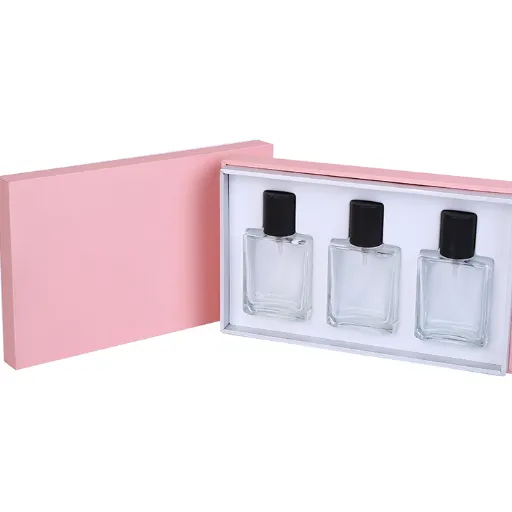
The insert is invisible when the box is closed but crucial when it opens. It holds the bottle securely, prevents movement during shipping, and contributes to the presentation when the customer lifts the lid. Insert material choice affects protection, sustainability, and perceived luxury.
EVA Foam, Cushioning and Custom Shaping
Ethylene-vinyl acetate (EVA) foam is the most common insert material for rigid perfume boxes. It is lightweight, easily die-cut into custom shapes, and provides excellent cushioning for glass bottles.
EVA foam can be laminated with velvet, satin, or other fabrics to create a luxurious interior presentation. The foam absorbs impact, preventing breakage during shipping. Custom die-cutting allows the insert to cradle a specific bottle shape exactly.
This material has its environmental drawback. EVA foam is not biodegradable and is rarely recycled. For brands committed to sustainability, it represents a significant compromise. Some suppliers now offer EVA made with recycled content, which improves the profile somewhat.
Velvet and Satin, Luxury Interior Finishes
Velvet and satin linings create an immediate impression of luxury. The soft texture contrasts with the hard glass bottle and rigid box exterior, creating a multi-sensory unboxing experience.
These fabrics are typically laminated onto EVA foam or cardboard substrates. Pure velvet or satin inserts without foam backing are also possible for brands prioritizing sustainability, though they offer less protection.
Velvet in deep colors like burgundy, navy, and black is the classic luxury choice. Satin in champagne or ivory creates a lighter, more modern feel. Both can be embossed with logos or patterns for additional brand presence.
Molded Pulp, Biodegradable Protection
Molded pulp inserts are made from recycled paper fibers formed into custom shapes through a molding process. They are biodegradable, recyclable, and compostable. They provide good protection for glass bottles during shipping.
The aesthetic is utilitarian rather than luxurious. Molded pulp works best for brands with strong sustainability positioning where the eco-friendly material story outweighs the premium presentation. Some brands use molded pulp for shipping inserts while keeping velvet for the retail presentation layer.
Mushroom/Mycelium Packaging, Cutting-Edge Biodegradable Inserts
Mycelium packaging is grown, not manufactured. Agricultural waste is inoculated with mushroom mycelium, which binds the fibers together into a solid, custom-shaped material. The process takes 5-7 days, and the resulting material is 100% biodegradable within 45 days.
This is still an emerging technology with limited suppliers and higher costs than conventional options. However, it represents the most sustainable insert option available. Brands like Dell and Ikea have adopted mycelium packaging, and it is gradually entering the cosmetics and fragrance space.
Recycled PET Felt, Eco-Conscious Alternative
Recycled PET felt is made from post-consumer plastic bottles. It has a soft, wool-like texture and can be die-cut or thermoformed into custom shapes. It is recyclable and diverts plastic waste from landfills.
PET felt offers a middle ground between the luxury of velvet and the sustainability of molded pulp. It can be produced in custom colors and has a distinctive modern aesthetic. For brands seeking eco-friendly alternatives that still feel premium, recycled PET felt is worth considering.
Decoration and Finish Materials
The materials used to decorate and finish perfume packaging are often overlooked in material discussions, but they significantly impact recyclability, cost, and visual appeal.
Inks and Printing, Soy-Based, Water-Based, UV-Cured
Traditional solvent-based inks contain volatile organic compounds (VOCs) that create environmental and health concerns during manufacturing. Modern alternatives include:
- Soy-based inks: Made from soybean oil rather than petroleum. They produce vibrant colors and are easier to remove during paper recycling. VOC emissions are 70% lower than solvent-based alternatives.
- Water-based inks: Use water as the primary solvent. They work well on absorbent materials like kraft and uncoated paper. Drying time is longer, but environmental impact is minimal.
- UV-cured inks: Cured instantly with ultraviolet light rather than evaporating solvents. They produce sharp, durable prints on non-absorbent surfaces like coated paper and plastic. No VOC emissions during curing.
For brands with strong sustainability positioning, specifying soy-based or water-based inks is a meaningful and low-cost commitment.
Coatings and Laminations, Matte, Gloss, Soft-Touch
Coatings protect printed surfaces and add tactile qualities. Common options include:
- Gloss lamination: Creates a shiny, reflective surface that makes colors pop. It is durable and moisture-resistant but can look mass-market.
- Matte lamination: Creates a non-reflective, sophisticated surface. It is the current standard for luxury fragrance packaging.
- Soft-touch lamination: Adds a velvety, suede-like texture that feels premium in the hand. It is increasingly popular for high-end fragrances.
- Spot UV: Applies gloss coating only to specific design elements, creating contrast between matte and glossy areas.
Laminations are typically plastic-based and can complicate recycling. Water-based and biodegradable coating alternatives are emerging but currently offer less durability.
Foil Stamping Materials, Metallic and Holographic Films
Hot foil stamping uses heat and pressure to transfer a thin metallic film onto packaging. Gold and silver remain the most common choices, but rose gold, copper, holographic, and custom-colored foils are increasingly available.
Foil stamping creates a premium, reflective accent that cannot be achieved with standard printing. The material is extremely thin and does not significantly affect recyclability in most cases. However, some foil films contain plastic layers that can contaminate paper recycling streams.
Adhesives, Eco-Friendly and Food-Safe Options
Adhesives bind packaging components together, from laminations to box construction to label attachment. Traditional adhesives can contain formaldehyde and other concerning chemicals.
Modern eco-friendly adhesives use water-based, plant-derived, or low-VOC formulations. For fragrance packaging, food-safe adhesive standards ensure that no harmful chemicals migrate into the product or create odors that interfere with the fragrance.
Mono-Material Construction: The Future of Recyclable Perfume Packaging
Mono-material packaging means that all components of a package are made from the same material family, allowing the entire package to be recycled in a single stream. For perfume packaging, this is both a significant challenge and a major opportunity.
What Is Mono-Material Packaging?
A truly mono-material perfume package might use a glass bottle with an aluminum cap, housed in a paperboard box with a paper pulp insert, all held together with water-based adhesives. Every component is recyclable through standard municipal recycling programs.
In contrast, a typical mixed-material package might combine a glass bottle, Zamac cap (with chrome plating and plastic internal parts), rigid box (with plastic lamination, magnetic closure, and EVA foam insert). This package requires disassembly before any component can be properly recycled, and in practice, most consumers throw it all in the trash.
Challenges of Mixed-Material Perfume Packaging
The fragrance industry has historically prioritized aesthetics and perceived luxury over recyclability. Mixed materials create design freedom. A chrome-plated Zamac cap on a crystal bottle in a velvet-lined rigid box with magnetic closure creates a spectacular unboxing experience. But it also creates a packaging product that is essentially non-recyclable.
Consumer awareness is changing this equation. Surveys consistently show that younger consumers, particularly Gen Z, factor packaging recyclability into purchase decisions. The EU Packaging and Packaging Waste Directive is making recyclability a legal requirement, not just a marketing preference.
Designing for Single-Stream Recycling
Achieving mono-material construction requires rethinking every component:
- Bottle: PCR glass is infinitely recyclable. Avoid spray coatings that cannot be removed during recycling.
- Cap: Aluminum is the best mono-material choice. Avoid Zamac with multi-layer plating, plastic inserts, and mixed-material construction.
- Box: Uncoated paperboard or rigid board with water-based coatings. Avoid plastic laminations, magnetic closures, and foil stamping with plastic backing.
- Insert: Molded pulp or paper-based inserts. Avoid EVA foam, plastic trays, and synthetic fabrics.
- Labels: Paper labels with recyclable adhesives. Avoid plastic labels and metallic foils.
The design constraint forces creativity. Brands like Aesop have proven that mono-material packaging can feel premium and distinctive. The constraint becomes part of the brand story.
EU Packaging Waste Directive Compliance
The EU Packaging and Packaging Waste Directive requires all packaging to be recyclable or reusable by 2030, with specific targets for recycled content. For fragrance brands selling in EU markets, mono-material design is moving from competitive advantage to regulatory necessity.
Brands that design for mono-material construction now will avoid costly redesigns later. They will also capture the growing segment of consumers who actively seek out recyclable packaging.
Planning your fragrance launch? Request a free material consultation and our team will help you select the right material combination for your brand, budget, and sustainability goals.
How to Choose the Right Materials for Your Brand
With so many options across bottles, caps, boxes, inserts, and finishes, material selection can feel overwhelming. A structured framework helps cut through the complexity.
Budget Tier Breakdown
Entry Level ($2-6 per unit):
- Bottle: Standard flint glass, stock mold
- Cap: ABS plastic or basic aluminum
- Box: Folding carton with standard printing
- Insert: Molded pulp or basic cardboard
- This tier works for mass-market launches, testers, and travel sizes.
Mid-Range ($6-18 per unit):
- Bottle: Custom flint glass or PCR glass, light decoration
- Cap: Aluminum or bio-resin, custom color
- Box: Rigid board (1,000-1,200 GSM) with matte lamination
- Insert: EVA foam with velvet or satin lining
- This tier suits growing indie brands, e-commerce direct-to-consumer lines, and mid-tier retail.
Luxury ($18-60+ per unit):
- Bottle: Custom-shaped glass, heavy base, extensive decoration
- Cap: Zamac with custom plating, or premium aluminum with anodizing
- Box: Rigid board (1,500-2,000 GSM) with specialty paper, foil stamping, embossing
- Insert: Custom EVA with velvet or silk lining
- This tier is for established luxury houses, limited editions, and collector pieces.
Sustainability Priorities and Certifications
Brands should identify their sustainability commitment level:
- Baseline: PCR glass, FSC-certified paperboard, recyclable materials where possible
- Committed: Mono-material construction, bio-resin caps, soy-based inks, aluminum over Zamac
- Leader: Agricultural fiber board, mycelium inserts, carbon-neutral shipping, zero-waste production
Relevant certifications to request from suppliers:
- FSC: Forest Stewardship Council for paper and board
- GRS: Global Recycled Standard for recycled content claims
- Cradle to Cradle: Comprehensive product lifecycle assessment
- REACH: EU chemical safety compliance
E-Commerce Shipping vs. Retail Display
E-commerce brands face different material priorities than retail-focused brands:
E-commerce priorities: Lightweight materials (reduce shipping costs), durable protection (prevent breakage in transit), compact dimensions (dimensional weight pricing), unboxing experience (social media shareability).
Retail priorities: Shelf presence (colors and finishes that stand out), substantial feel (weight and texture that conveys quality), compact footprint (shelf space efficiency), tamper evidence (security features).
Some material choices serve both contexts well. Rigid boxes protect during shipping while creating excellent unboxing moments. PCR glass reduces environmental impact whether the product ships or sits on a shelf.
Small-Batch vs. Large-Volume Material Feasibility
Material availability varies significantly by order volume:
- Under 500 units: Stock glass bottles, stock caps, folding cartons or simple rigid boxes. Custom molds and custom colors are generally not feasible.
- 500-2,000 units: Custom printing on stock components, custom box dimensions, some decoration options. Bio-resin caps may be available.
- 2,000-10,000 units: Custom glass molds, custom cap colors, specialty papers, extensive decoration. Full range of sustainable options.
- 10,000+ units: Fully custom components, custom colored glass, bespoke cap designs, exclusive materials. Economy of scale improves pricing.
Sourcing Perfume Packaging Materials: A Buyer’s Guide
Selecting materials is only half the battle. Sourcing them reliably, at the right quality, and with proper certifications requires a systematic approach.
Key Certifications
Before placing any material order, verify that your supplier holds relevant certifications:
- ISO 9001: Quality management systems
- FSC Chain of Custody: Traces FSC-certified materials through the supply chain
- GRS: Verifies recycled content percentages
- REACH Compliance: Ensures materials meet EU chemical safety standards
- FDA Compliance: Required for materials in contact with cosmetic products in US markets
Certifications should be current and verifiable. Ask for certificate numbers and check them against issuing body databases.
Questions to Ask Your Material Supplier
- What is the exact composition of this material? (Avoid vague terms like “eco-friendly” without specifics.)
- What is the recycled content percentage? Is it post-consumer or post-industrial?
- What certifications do you hold for this material?
- What is the minimum order quantity and lead time?
- Can you provide samples for testing before bulk production?
- What is your defect rate and quality control process?
- Do you offer material testing for compatibility with fragrance formulas?
- What are your sustainability practices for manufacturing and waste?
Sampling and Testing Before Commitment
Always request material samples before committing to bulk production. Test them for:
- Compatibility: Does the material interact with your fragrance formula? Some plastics and coatings can absorb fragrance compounds or release unwanted odors.
- Durability: Drop test, vibration test, and temperature cycling to simulate shipping conditions.
- Aesthetic consistency: Do samples match specifications for color, weight, and texture?
- Printability: If decorating the material, test your designs on actual samples rather than digital proofs.
Working with a Full-Service Manufacturer vs. Component Sourcing
Brands have two primary sourcing models:
Component sourcing: Purchase bottles from one supplier, caps from another, boxes from a third, and assemble them yourself or through a separate packer. This offers maximum flexibility and potential cost savings but requires significant coordination, quality control, and inventory management.
Full-service manufacturing: Work with a single manufacturer who sources all components, manages assembly, and delivers finished packaging. This reduces coordination overhead, ensures component compatibility, and typically includes quality control. The trade-off is less flexibility in component selection and potentially higher costs for some materials.
For most small and mid-size fragrance brands, full-service manufacturing is the more practical choice. The time saved on coordination and the reduced risk of compatibility issues usually outweigh any cost difference. At Fuzhou Longlu Packaging, we provide end-to-end perfume packaging manufacturing, from material selection and sourcing to final assembly and global delivery. Our team helps brands navigate material choices, secure certifications, and manage production timelines.
Frequently Asked Questions
What are the most common perfume packaging materials?
The most common perfume packaging materials are flint glass for bottles, Zamac or aluminum for caps, rigid board or folding carton for outer boxes, and EVA foam with velvet or satin for interior inserts. Glass dominates with approximately 62% of all perfume packaging units due to its chemical inertness and premium feel.
What is the most sustainable material for perfume packaging?
There is no single “most sustainable” material, but the most sustainable overall package uses mono-material construction: PCR glass bottles, aluminum caps, FSC-certified paperboard boxes, and molded pulp inserts. This combination ensures every component is recyclable through standard municipal programs. Bio-resin caps and agricultural fiber board are emerging as sustainable alternatives for brands willing to work with newer materials.
What is PCR glass in perfume packaging?
PCR stands for post-consumer recycled. PCR glass is manufactured using 30-90% crushed recycled glass (cullet) rather than virgin raw materials. Modern processing techniques produce PCR glass that matches virgin glass in clarity and quality. It reduces energy consumption by approximately 3% and CO2 emissions by 5% for every 10% increase in recycled content.
Are Zamac perfume caps recyclable?
Zamac caps are technically recyclable as metal, but the plating process complicates recycling. Chrome, gold, or other metal plating layers must be removed before the zinc alloy can be recycled, and many recycling facilities cannot process plated metals. Aluminum caps are a more recyclable alternative that still provides a premium metal aesthetic.
What is the difference between rigid board and folding carton for perfume boxes?
Rigid board (800-2,000 GSM) is a solid, non-folding material used for premium boxes that close with weight and precision. Folding carton (250-400 GSM) is a lighter, flexible paperboard that folds into shape. Rigid board creates a more luxurious unboxing experience and better protection but costs 3-5 times more than folding carton and ships fully assembled, increasing freight costs.
How much do perfume packaging materials cost?
Entry-level material combinations cost 2−6perunit,mid−rangeconfigurationsrun2−6perunit,mid−rangeconfigurationsrun6-18 per unit, and luxury material combinations range from $18-60+ per unit. Sustainable materials like PCR glass and bio-resin caps are now competitive at mid-tier price points, often adding only 5-15% to base material costs.
What certifications should I look for in perfume packaging materials?
Key certifications include FSC (responsible forestry for paper products), GRS (verified recycled content), REACH (EU chemical safety), and FDA compliance (for US cosmetic contact materials). ISO 9001 indicates general quality management practices. For brands making specific sustainability claims, third-party certification is essential for credibility.
What is mono-material perfume packaging?
Mono-material packaging uses the same material family for all components, making the entire package recyclable in a single stream. For perfume, this typically means a glass bottle with an aluminum cap, paperboard box, and paper pulp insert. Mono-material construction improves recyclability by 40-60% compared to mixed-material packaging and is increasingly required by EU regulations.
Conclusion
Choosing perfume packaging materials is one of the most consequential decisions a fragrance brand makes. The materials you select determine how customers perceive your product before they ever smell it. They affect shipping costs, environmental impact, retail shelf presence, and unboxing shareability. They communicate your brand values, whether you intend them to or not.
The key takeaways are clear. Glass remains the dominant bottle material, with PCR glass now offering sustainable luxury without compromise. Aluminum caps are overtaking Zamac for brands prioritizing recyclability. Rigid board creates the premium unboxing experience that luxury consumers expect. And mono-material construction is moving from idealistic aspiration to regulatory necessity.
But the most important insight is this: the best material combination is the one that aligns your brand positioning, budget, sustainability commitments, and customer expectations. A mass-market fragrance needs different materials than a niche indie launch. An e-commerce brand faces different constraints than a department store line. There is no universal “best” choice, only the right choice for your specific situation.
Start by defining your priorities. Is it cost control? Sustainability leadership? Maximum luxury perception? E-commerce durability? Once you know what matters most, material selection becomes a logical process rather than an overwhelming maze of options.
Ready to select the perfect materials for your fragrance line? Contact our team for a free material consultation. We’ll review your brand positioning, budget, and sustainability goals, then recommend a material combination that tells your story from the first touch.