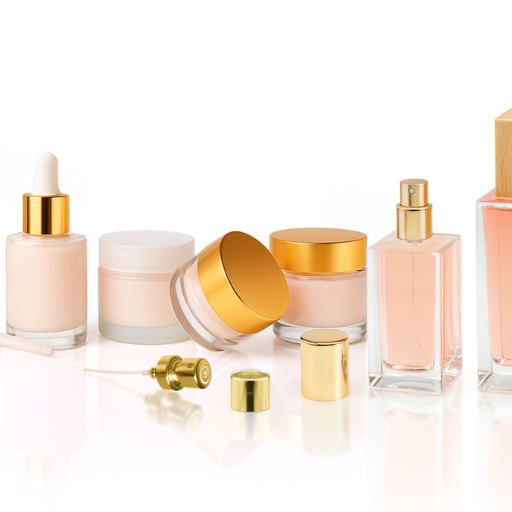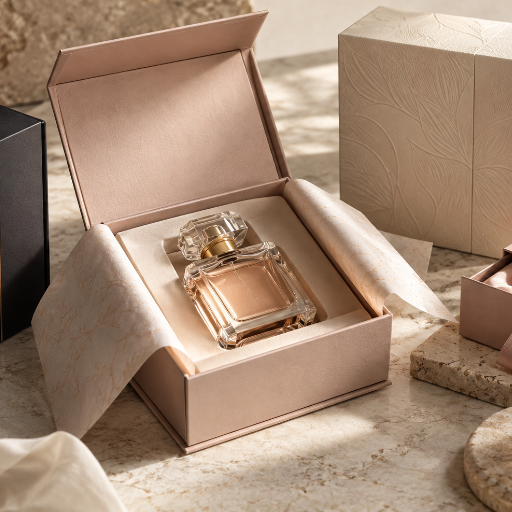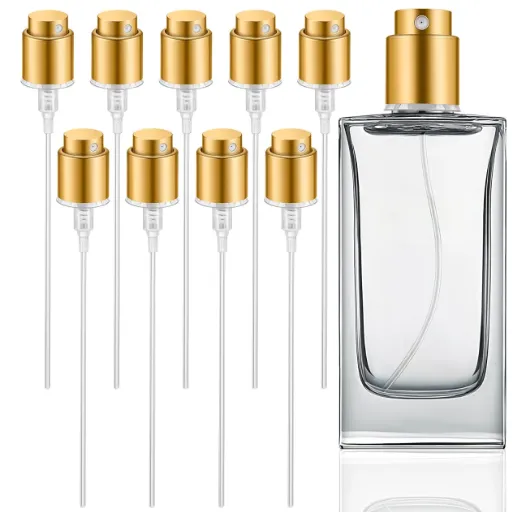
The best perfume tops and caps for your brand depend on three factors: your target market, your fragrance positioning, and your budget. Zamac alloy caps signal luxury for Middle Eastern markets, FSC-certified wood caps meet EU sustainability regulations, and engineered plastics offer versatility for mass-market lines at a fraction of the cost.
Before a customer ever smells your fragrance, they feel your cap. The weight in their palm. The cool metallic click. The smooth twist of wood. That first tactile impression shapes everything that follows. In the $3.2 billion fragrance packaging market, your perfume tops and caps aren’t just closures. They’re your brand’s first handshake.
You already know packaging matters. You’ve invested in the perfect bottle, the right sprayer, and a box that turns heads. But the cap? That’s where many brands cut corners, and that’s where savvy ones gain an edge. A poorly sealed cap lets precious top notes evaporate within weeks. A flimsy overcap on a luxury bottle signals cheapness before the first spray. And ordering custom perfume caps without understanding FEA standards or regional preferences? That’s a mistake that can cost thousands in rework and lost sales.
By the end of this guide, you’ll understand every type of perfume closure, know which material matches your brand positioning, understand sizing standards from FEA 12 to FEA 15, and have a clear framework for ordering custom caps that protect your fragrance and elevate your brand. Whether you’re launching a new niche fragrance or scaling an existing line, this is the decision-making resource you need.
Looking for custom perfume caps with low minimums and fast turnaround? Browse our custom perfume packaging solutions and request a free sample today.
Key Takeaways
- Zamac alloy caps (30-80g) dominate luxury and Middle Eastern markets where weight signals value; plastic caps (5-15g) offer cost-effective versatility for mass-market lines.
- FEA 15 is the industry standard for full-size perfume bottles (15mm neck diameter), while FEA 12 and FEA 13 serve the booming travel-size segment.
- Over 50% of new US fragrance launches in 2026 feature refillable packaging, making screw-neck FEA 15 caps with durable closures the fastest-growing category.
- EU PPWR regulations (full effect August 2026) are driving demand for mono-material, plastic-free caps like FSC-certified wood and concrete across European markets.
- Custom perfume cap MOQs range from 100 pieces (trading companies) to 10,000+ pieces (direct factories), with sampling typically available in 7-10 days.
What Are Perfume Tops and Caps?
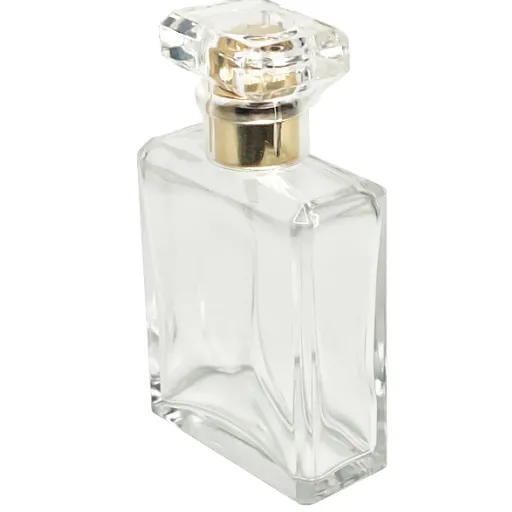
Perfume tops and caps are the closure mechanisms that seal fragrance bottles, protect the liquid from evaporation and oxidation, and serve as the primary tactile and visual touchpoint for consumers. They range from simple screw-on plastic lids to ornate Zamac alloy sculptures with integrated magnetic matrix systems.
A cap’s job extends far beyond covering the bottle opening. It preserves fragrance integrity by creating an airtight seal that prevents volatile aromatic compounds from escaping. It communicates brand value through weight, material, and finish. A heavy Zamac cap with 24K gold plating says “luxury” before the customer reads the label. And in 2026, caps increasingly serve functional roles: housing NFC chips for authentication, enabling refillable systems, and providing the satisfying acoustic “click” that premium brands engineer into the user experience.
At Fuzhou Longlu Packaging Co., Ltd., we manufacture perfume tops and caps across the full spectrum, from budget-friendly ABS plastic closures to heavyweight magnetic Zamac pieces for ultra-luxury houses. Understanding what each type offers is the first step toward making the right choice for your brand.
Types of Perfume Bottle Closures
All closures do not function the same way. The mechanism you choose affects everything from production cost to user experience to fragrance preservation. Here are the six main types of perfume bottle closures you’ll encounter when sourcing.
Screw-On Caps (FEA 15 Standard)
Screw-on caps thread directly onto the bottle neck using standardized FEA (Federation of European Aerosol Associations) threading. The FEA 15 standard (15mm neck diameter) is the most common specification for full-size perfume bottles worldwide. These caps are highly secure, easy to manufacture, and ideal for refillable packaging systems.
The screw mechanism creates a reliable seal when paired with an inner PE or Surlyn liner. For brands targeting the growing refillable market, screw-on perfume tops and caps are the practical choice. They withstand repeated open-refill-lock cycles without degrading, which is why over 50% of new US fragrance launches in 2026 use this format.
Magnetic Caps
Magnetic closures use internal magnets embedded in both the cap and a collar fitted around the bottle neck. When the cap approaches the collar, the magnets align and pull the cap into position with a satisfying, precision-engineered “click.” This mechanism is the hallmark of premium fragrances, particularly in the Middle East where the acoustic and tactile experience signals quality.
Magnetic perfume bottle caps require careful engineering. The magnet strength must be calibrated to hold the cap securely, especially for heavy Zamac pieces weighing 60-80 grams — without making removal difficult. Multi-pole magnets are able to align the logo perfectly each and every time, and this is one aspect that luxury brands want.
Snap-On / Press-Fit Caps
Press-fit or snap-on caps rely on friction to hold onto the neck of the bottle or collar. They’re the fastest and cheapest closure to assemble, making them popular for mass-market fragrances, gift sets, and promotional items. However, the friction fit tends to loosen over time, making these caps less suitable for fragrances with high evaporation risk or for premium positioning.
Crimp-On Pump Systems
Crimp-on closures are machine-crimped around a ridge on the glass bottle neck. This is the industry standard for commercial spray fragrances because it creates a permanent, leak-proof seal. The crimp mechanism is typically hidden beneath a decorative overcap, so the consumer never sees it. They only interact with the outer perfume tops and caps.
Stopper Closures
Stopper closures — ground glass, resin, or stone stoppers sealed by friction — emphasize ceremony and craftsmanship. They’re common in niche, artisanal, and attar bottles where the ritual of removing and replacing the stopper is part of the brand experience. However, stoppers are less practical for daily spray use and don’t provide the airtight seal that screw or crimp mechanisms offer.
Decorative Overcaps
Decorative overcaps are non-functional outer caps that sit over an inner sealing mechanism (typically a crimp pump). Their sole purpose is aesthetics — adding perceived value, brand distinction, and shelf presence. A stunning overcap can elevate a 30fragrancetolooklikea30fragrancetolooklikea100 product, which is why even mass-market brands invest heavily in overcap design.
| Closure Type | Mechanism | Best For | Price Tier | Airtightness |
|---|---|---|---|---|
| Screw-On | FEA threaded neck | Refillable, travel sizes | $ | Excellent |
| Magnetic | Internal magnets | Luxury, premium | $$$$ | Very Good |
| Snap-On | Friction fit | Mass market, gifts | $ | Moderate |
| Crimp-On | Machine crimped | Commercial sprays | $$ | Excellent |
| Stopper | Friction seal | Artisanal, niche | $$$ | Moderate |
| Decorative Overcap | Non-functional cover | All tiers (aesthetic) | $-$$$$ | N/A |
Perfume Cap Materials: A Complete Breakdown
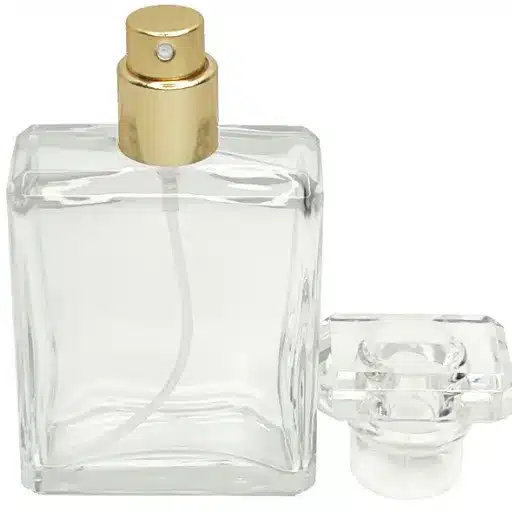
The material you choose for your perfume tops and caps does more than determine cost. It shapes brand perception, affects fragrance preservation, and dictates which markets you can sell into. Here’s what every fragrance brand needs to know about the five core cap materials.
Zamac (Zinc Alloy): The Luxury Standard
Zamac — a zinc-aluminum-magnesium-copper alloy — is the gold standard for high-end perfume bottle caps. It delivers a distinctive cold, heavy, metallic feel that consumers subconsciously associate with heritage craftsmanship and premium price points. A typical Zamac cap weighs 30-80 grams, compared to 5-15 grams for plastic alternatives.
The material’s density allows for intricate 3D detailing through die-casting. Logos can be embossed or debossed with precision. Finishes range from 24K gold plating and rose gold to brushed nickel, gunmetal, and matte sandblasting. For markets like the Middle East, where weight directly correlates with perceived value, Zamac is essentially non-negotiable for fragrances priced above $200.
The trade-offs are cost and weight. Zamac caps are significantly more expensive than plastic, and their heft requires robust inner inserts or magnetic mechanisms to prevent damage to the bottle. Shipping costs also increase due to weight. But for luxury positioning, nothing else communicates quality quite like a cold, heavy Zamac cap in the customer’s hand.
Want to explore how Zamac caps can elevate your luxury fragrance line? Browse our custom perfume packaging solutions to see material options, finishes, and MOQs tailored to your brand.
Plastic (ABS, Surlyn, Acrylic)
Plastic is the workhorse of the perfume cap world. ABS, Surlyn, acrylic, and PP (polypropylene) offer unmatched versatility in shape, color, and texture at a fraction of the cost of metal. Plastic caps can mimic other materials — metallic finishes through vapor deposition, crystal-like clarity through acrylic, or soft-touch surfaces through specialized coatings.
Surlyn is particularly prized for its resistance to fragrance oils and its glass-like clarity. Acrylic effectively mimics crystal at a lower cost. And ABS provides the structural rigidity needed for complex shapes. For mass-market fragrances, travel sizes, and budget-conscious brands, plastic perfume tops and caps are the pragmatic choice.
The sustainability angle is evolving too. Post-consumer recycled (PCR) plastics are gaining traction, particularly in the US clean beauty segment. Brands can now specify PCR-ABS or PCR-PP caps with full material traceability documentation — a selling point for environmentally conscious consumers.
Wood: The Sustainable Choice
FSC-certified wood caps — typically beech, ash, or walnut — are surging in popularity as European brands rush to comply with the EU’s Packaging and Packaging Waste Regulation (PPWR), which takes full effect in August 2026. Wood communicates natural authenticity and aligns with the clean beauty movement.
However, wood caps require engineering precision that many buyers overlook. Porous wood absorbs ethanol, which causes swelling and warping over time. Every wooden cap intended for fragrance use must include an injected PP (polypropylene) inner liner that creates a barrier between the wood and the bottle neck. Without this liner, the cap will degrade and compromise the seal.
When properly engineered, wood caps offer a unique tactile warmth that no metal or plastic can replicate. They’re particularly effective for artisanal, organic, and Scandinavian-inspired brands where the natural aesthetic is central to the brand story.
Aluminum and Other Metals
Aluminum offers a middle ground between the heavyweight luxury of Zamac and the lightweight practicality of plastic. It’s significantly lighter than Zamac (typically 10-20 grams) but still delivers a cool metallic feel and premium appearance. Aluminum caps are often used for sheathed designs or as collars paired with other materials.
Brass and stainless steel also appear in niche applications, though they’re less common due to cost and manufacturing complexity. Aluminum’s real advantage is its recyclability — it’s one of the most recycled metals on earth, making it attractive for brands with strong sustainability commitments.
Glass, Crystal, Resin, and Stone
At the ultra-luxury end of the spectrum, caps crafted from glass, crystal, resin, and even natural stone create collectible, one-of-a-kind pieces. Custom-carved rose quartz, black obsidian, and marble-effect resin caps are being used by avant-garde and artisanal fragrance houses to create objects that double as desk sculptures.
These materials are fragile, expensive, and challenging to engineer for airtight sealing. They typically require inner liners or are used purely as decorative overcaps. But for limited editions and ultra-premium positioning, they create an unmatchable sense of exclusivity.
| Material | Weight | Cost Tier | Durability | Sustainability | Best Markets |
|---|---|---|---|---|---|
| Zamac (Zinc Alloy) | 30-80g | $$$$ | Excellent | Recyclable, heavy shipping footprint | Middle East, luxury global |
| Plastic (ABS/Surlyn) | 5-15g | $ | Moderate | PCR options available; fossil-based | Mass market, US, Asia |
| Wood (FSC-certified) | 15-25g | $$ | Good with liner | Highly sustainable, biodegradable | Europe, clean beauty |
| Aluminum | 10-20g | $$ | Very Good | Highly recyclable, lightweight | Global, eco-conscious |
| Glass/Crystal/Stone | 20-100g | $$$$$ | Fragile | Natural material, variable | Ultra-luxury, limited editions |
How to Choose the Right Perfume Cap for Your Brand
Selecting the right perfume tops and caps isn’t just about aesthetics. It’s a strategic decision that affects production cost, market compliance, fragrance preservation, and brand perception. Here’s the framework we use at Fuzhou Longlu Packaging to help brands make the right choice.
Consider Your Target Market
Regional preferences for perfume caps diverge sharply. Understanding these differences can mean the difference between a product that flies off shelves and one that sits untouched.
Middle East: Weight is everything. Heavy Zamac caps with thick gold or rose gold plating, geometric embossing, and magnetic closures dominate. The “metallic click” of a magnetic cap is a known quality signal. Caps here often weigh 60-80 grams and may include gemstone inlays or enamel coatings.
Europe: Minimalism and sustainability rule. The PPWR is driving rapid adoption of plastic-free, mono-material caps. FSC-certified wood, concrete, and aluminum are preferred. Clean lines, matte finishes, and understated branding are the norm. A heavy, ornate Zamac cap would actually hurt brand perception in this market.
United States: Function and transparency matter most. US consumers respond to practical innovation: refillable systems, NFC-enabled authentication caps, and clear sustainability claims. PCR plastics and Surlyn remain popular, with a growing appetite for lightweight luxury that doesn’t compromise on aesthetics.
Asia: Precision engineering and portability lead. The “fragrance wardrobe” trend has created explosive demand for miniature travel sizes with FEA 12 and FEA 13 closures. “Guochao” (China-chic) aesthetics favor bamboo textures, jade-like finishes, and ceramic-glaze surfaces. The “click” sound and smooth damping of closures are meticulously engineered quality signals.
When Leila, a fragrance brand founder based in Dubai, first approached us, she insisted on the lightest possible cap to save on shipping. We explained that her target market — luxury consumers in the GCC — equate weight with value. After testing samples, she chose a 65-gram Zamac cap with magnetic closure. Her launch sold out in three weeks. The cap that felt “too heavy” to her was exactly what her customers expected.
Match Cap to Bottle Neck Size (FEA Standards)
The FEA (Federation of European Aerosol Associations) neck finish standard is the universal language of perfume bottle compatibility. Choosing the wrong size means your cap won’t fit, or worse, won’t seal properly.
FEA 15: The industry standard for full-size perfume bottles. The “15” refers to the 15mm outer diameter of the bottle neck thread. If you’re launching a standard 50ml or 100ml fragrance, FEA 15 is almost certainly what you need. The vast majority of perfume pumps, collars, and caps are manufactured to this specification.
FEA 13: A smaller standard used for mid-size bottles, typically 15-30ml. Less common than FEA 15 but essential if you’re targeting that bottle size.
FEA 12: The fastest-growing standard in 2026, driven by the travel-size and “fragrance wardrobe” boom. FEA 12 closures fit 5-10ml miniature bottles. If you’re creating a discovery set or travel collection, you’ll need caps specifically engineered for this smaller neck size.
Always confirm your bottle’s neck finish specification before ordering caps. A cap designed for FEA 15 will not fit an FEA 13 bottle, and attempting to force compatibility risks damaging the bottle or compromising the seal.
Balance Aesthetics with Function
A beautiful cap that doesn’t seal properly is a liability. When evaluating perfume tops and caps, test these functional criteria:
Airtightness: The cap must prevent evaporation of volatile top notes. Alcohol-based fragrances can lose 1-2% of their volume per year through poor sealing. For high-oil-concentration Middle Eastern attars, this is even more critical.
Durability: Will the cap withstand repeated opening and closing? Refillable systems may see 50+ open-refill-lock cycles. Magnetic mechanisms must maintain pull force over time. Plating must resist corrosion from fragrance oils and alcohol vapors.
User Experience: Can the cap be removed and replaced smoothly? Does it align correctly every time? Is the weight comfortable for the bottle size? A cap that’s too heavy for a small bottle will tip it over. One that’s too light for a luxury bottle will feel cheap.
Factor in Sustainability Goals
Sustainability is no longer optional in fragrance packaging. EU PPWR regulations, US state-level packaging laws, and consumer expectations are reshaping material choices.
Mono-material design: Caps made from a single material are easier to recycle. A cap that combines metal, plastic, and glue requires disassembly before recycling, which means it usually ends up in landfill. All-wood, all-aluminum, or all-PP designs score highest on recyclability.
FSC certification: If you’re using wood caps, FSC (Forest Stewardship Council) certification provides the documentation that eco-conscious consumers and retailers demand.
PCR content: For plastic caps, specifying post-consumer recycled content reduces virgin plastic use and supports circular economy claims.
Lightweight luxury: Engineers are creating caps that look and feel premium while using significantly less material. This reduces raw material consumption and shipping emissions without compromising perceived value.
Budget and MOQ Considerations
Custom perfume caps come with a wide range of minimum order quantities and price points. Here’s what to expect:
Stock caps (no customization): MOQs as low as 100-500 pieces. These are off-the-shelf designs in standard colors. Fastest turnaround but no brand differentiation.
Custom caps (existing molds): MOQs typically 3,000-10,000 pieces. You can specify color, plating, and logo application without paying for mold development. This is the sweet spot for most small-to-medium fragrance brands.
Fully custom caps (new mold): MOQs 10,000+ pieces, plus mold fees (2,000−2,000−10,000+ depending on complexity). Best for established brands with proven sales volume or for limited editions where unit economics work at higher prices.
Sampling timelines are typically 7-10 days for standard materials, with production lead times ranging from 15-35 days depending on complexity and order volume.
Customization Options for Perfume Caps
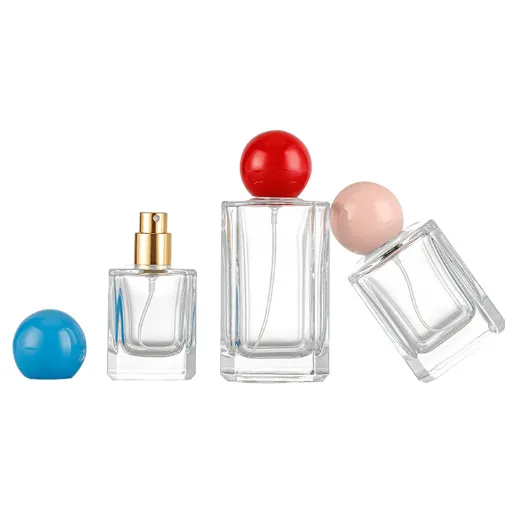
The cap is one of the most customizable components in fragrance packaging. Every surface, texture, and mechanism can be tailored to reflect your brand identity. Here’s what’s possible when you work with an experienced manufacturer.
Logo Application Methods
Your logo on the cap is often the first branding element a customer sees. Application methods include:
Engraving and Debossing: Creates recessed logos that catch light differently across the cap surface. Looks great when done on Zamac and aluminum. The engraving that is done on the cap surface gives a sense of craftsmanship.
Embossing: It creates an elevation of the logo from the cap surface.
Hot Stamping: Transfers metallic foil onto the cap surface using heat and pressure. Common for gold and silver logos on plastic and wood caps. Fast and cost-effective for high volumes.
Silk-Screen Printing: Allows for multi-color logos and fine detail on flat or gently curved surfaces. Ideal for complex brand marks with gradients or multiple colors.
Sandblasting: Creates a matte, frosted effect on metal caps. Often used for subtle logos that appear as texture differences rather than color contrasts.
Color and Finish Options
The finish of your perfume tops and caps is as important as the material itself. Options span the full spectrum:
Metallic Plating: Gold, silver, rose gold, chrome, nickel, and gunmetal through electroplating or PVD (physical vapor deposition). PVD offers superior durability and environmental compliance compared to traditional electroplating.
Coatings and Paints: Matte, glossy, satin, soft-touch, and gradient coatings. UV-resistant clear coats protect finishes from degradation caused by fragrance vapors.
Ceramic and Glaze Effects: Popular in Asian markets, these finishes create jade-like or porcelain textures that feel distinctly premium despite lighter weight.
Shape and Texture Design
Beyond standard round, square, and T-shaped caps, custom mold development enables virtually any silhouette. Asymmetric forms, architectural brutalist shapes, floral motifs, and geometric patterns are all achievable through die-casting or injection molding.
3D printing has revolutionized cap prototyping. Brands can now hold a physical prototype of a custom shape within days, test ergonomics and aesthetics, and refine the design before committing to expensive production molds. This dramatically reduces risk for new launches.
Magnetic Closure Engineering
For brands choosing magnetic perfume tops and caps, the engineering details matter. Multi-pole magnet arrays ensure the cap aligns perfectly every time. This is critical for logos that need to face forward. The magnet pull force must be calibrated to the cap’s weight: too weak and the cap falls off; too strong and removal becomes frustrating.
At Fuzhou Longlu, we test every magnetic cap design across 500+ open-close cycles to ensure consistency. The “click” sound, pull resistance, and alignment precision are all measured against client specifications before production begins.
2026 Perfume Cap Trends and Innovations
The perfume tops and caps market is evolving rapidly. These are the trends shaping purchasing decisions in 2026 and beyond.
Sustainability-First Design
Regulatory pressure is the single biggest force reshaping cap design. The EU’s PPWR, taking full effect in August 2026, is accelerating adoption of mono-material, plastic-free caps across European brands. FSC-certified wood, concrete, natural stone, and aluminum are replacing multi-layer electroplated plastics.
In the US, clean beauty brands are driving demand for PCR plastics with documented traceability. Consumers increasingly expect packaging that aligns with environmental values, and the cap — being the most visible and tactile component — is under particular scrutiny.
Smart Packaging Integration
Premium caps are becoming smart devices. NFC chips embedded in the cap or collar allow consumers to tap their phone and verify authenticity — critical for direct-to-consumer brands fighting counterfeits. QR codes and laser-etched serial numbers provide similar protection at lower cost.
Some brands are using smart closures for storytelling. Tap the cap, and your phone opens a video of the perfumer describing the scent’s inspiration. It’s a bridge between physical packaging and digital brand experience that resonates particularly with Gen Z consumers.
Refillable System Engineering
Refillable fragrances are no longer a niche concept. With over 50% of new US launches featuring refillable packaging in 2026, caps must now be engineered for longevity. Standard caps might see 50 open-close cycles in a fragrance’s lifetime. Refillable caps may see 500.
This demands higher-grade materials, more precise threading tolerances, and inner liners that resist compression set. FEA 15 screw-neck systems are the dominant format, with guided-alignment mechanisms that prevent spills during refilling.
Sensorial and Tactile Engineering
As sustainability drives lighter-weight designs, brands are investing in “sensorial engineering” to maintain perceived value. The crisp, satisfying “click” of a magnetic cap is no accident — it’s precision-calibrated through acoustic design. Smooth damping prevents jarring impacts. Anti-slip micro-textures improve grip.
These details might seem minor, but they shape the subconscious quality assessment that consumers make every time they use a fragrance. A cap that feels cheap in the hand undermines a $200 scent. One that feels precision-engineered justifies the price before the first spray.
Planning a refillable fragrance line? The cap is your most engineering-critical component. Contact our team for a free consultation on custom perfume packaging solutions designed for repeated-use durability.
The Perfume Cap Manufacturing Process
Understanding how perfume tops and caps are made helps you set realistic expectations for timelines, costs, and quality. Here’s the journey from concept to finished product.
Design and Prototyping
The process begins with your concept. Our design team reviews your brand guidelines, bottle specifications, target market, and budget. We then create 3D renderings and, when needed, 3D-printed prototypes that you can hold and test. This phase typically takes 5-10 days.
For fully custom shapes, we develop production molds from your approved prototype. Mold creation is the longest and most expensive step, typically 15-25 days and 2,000−2,000−10,000+ depending on complexity. However, molds are a one-time investment that amortizes across every unit you produce.
Production
Zamac caps are manufactured through die-casting. Molten Zamac alloy is injected into steel molds under high pressure, then cooled, trimmed, and polished. The raw castings move to finishing, where they’re plated, coated, or textured according to your specifications.
Plastic caps use injection molding. Pellets of ABS, Surlyn, or PP are melted and injected into molds. The process is faster and cheaper than die-casting, making it ideal for high-volume orders.
Wood caps require CNC machining or turning on lathes, followed by sanding, sealing, and the critical step of installing PP inner liners. FSC certification documentation is verified at this stage.
Quality Control
Every batch of perfume tops and caps undergoes multi-point quality inspection:
Dimensional verification: Neck thread measurements, height, and diameter checked against specifications.
Seal testing: Caps are fitted to test bottles and checked for airtightness under pressure.
Finish inspection: Plating consistency, color accuracy, and surface defect checks.
Function testing: Magnetic pull force, screw torque, and cycle testing for durability.
Fragrance compatibility: Sample caps are exposed to fragrance oils and alcohol vapors to verify finish stability.
Sampling and Approval
Before full production, we provide pre-production samples that match the exact specifications of the final order. This is your opportunity to verify color, weight, feel, and function. Only after your written approval do we proceed to mass production.
At Fuzhou Longlu Packaging Co., Ltd., our ISO-certified quality management system ensures consistency across every batch. We maintain production records and quality data for every order, so if you need to reorder six months later, we can match the exact specifications of your first run.
Conclusion
Your perfume tops and caps are more than functional closures. They’re the first physical interaction your customer has with your brand. The weight of Zamac that signals luxury. The warm grain of FSC-certified wood that communicates sustainability. The crisp magnetic click that says “this was engineered with care.”
Choosing the right cap means balancing material, mechanism, market expectations, and budget. It means understanding FEA standards so your cap fits perfectly. It means recognizing that a cap designed for Dubai may fail in Paris — and vice versa. And it means partnering with a manufacturer who understands these nuances and can guide you through them.
At Fuzhou Longlu Packaging Co., Ltd., we’ve helped fragrance brands across six continents find the perfect cap for their vision. From 100-piece prototype runs to 100,000-unit production orders, we bring the same precision and care to every project. Our Fujian-based facility offers fast sampling, competitive MOQs starting at 100 pieces for select materials, and the technical expertise to navigate everything from PPWR compliance to magnetic matrix engineering.
Ready to create custom perfume tops and caps that elevate your fragrance? Contact us today for a free consultation, material samples, and a detailed quote for your project. Let’s build something that feels as good as your fragrance smells.