Great wine packaging design is the silent salesperson on the shelf. It earns the first glance, communicates quality before the cork is pulled, and turns a one-time buyer into a loyal collector.
What if the bottle next to yours on the shelf wins the sale, even though your wine tastes better? In 2026, that is not a hypothetical. Research from Blue Label Packaging notes that nearly 82% of wine purchases happen in-store on impulse, and the package is often the deciding factor. The global wine packaging market is projected to reach between USD 6.81 billion and USD 7.8 billion in 2026, and brands are competing harder than ever on presentation.
We agree that designing wine packaging feels overwhelming. You are balancing brand identity, label regulations, bottle choice, closures, secondary boxes, sustainability goals, and production budgets. In this guide, you will learn how to approach wine packaging design as a complete system. We will cover design principles, 2026 trends, materials, finishes, common mistakes, and how to move from concept to production-ready custom wine packaging.
At Fuzhou Longlu Packaging Co., Ltd., we produce custom packaging for wine brands, retailers, and e-commerce sellers worldwide. This guide reflects what we have learned from thousands of orders across bottle formats, markets, and budgets.
Key Takeaways
- Wine packaging design is a system that includes the label, bottle, closure, secondary box, and shipping package, not just the label.
- Nearly 82% of wine purchases are made in-store on impulse, so shelf appeal directly affects sales.
- 2026 trends favor quiet luxury, tactile finishes, sustainable materials, reusability, and smart packaging like QR codes and NFC.
- Glass still accounts for roughly 67% of U.S. wine packaging, but paper bottles, cans, and bag-in-box formats are growing fast.
- A reliable manufacturer should offer design support, samples, clear MOQs, sustainability certifications, and export logistics.
What Is Wine Packaging Design?
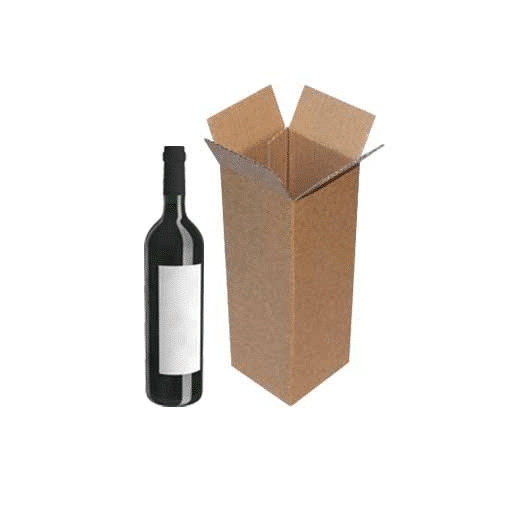
Wine packaging design is the process of creating every visual and structural element that presents and protects a wine product. It includes the bottle label, the bottle shape and glass, the closure, the outer gift box or carton, and the shipping package. Strong wine packaging design balances aesthetics, brand storytelling, regulatory compliance, protection, and cost.
Many wineries focus only on the label. That is a mistake. A beautiful label on a generic bottle inside a plain cardboard box sends mixed signals. The most successful brands treat every layer as part of one brand experience, from the retail shelf to the customer’s home.
Why It Matters for Your Brand
Packaging is the first physical touchpoint between your brand and the buyer. According to industry research cited by Arka, 75% of American consumers say packaging design influences their purchase decisions. For wine, that influence is even stronger because buyers often choose a bottle they have never tasted.
A thoughtful wine packaging design also solves practical problems. It protects the bottle during shipping. It creates structure for retail displays. And it gives e-commerce brands a shareable unboxing moment that drives social media visibility and repeat purchases.
The Elements of Effective Wine Packaging Design
Every strong wine packaging design starts with the same building blocks. Get these right, and the trends and finishes fall into place.
Brand Story and Visual Identity
Before choosing fonts or finishes, define what your brand stands for. Is it a heritage estate, a playful natural-wine project, or a premium collector label? Your packaging should answer that question at a glance. The Berlin Packaging 2025 trends report found that three out of four consumers value authenticity when buying wine, so your design should reflect your real story.
Typography and Label Hierarchy
Label typography guides the eye. The brand name, varietal, region, and vintage should have a clear order of importance. Avoid cluttering the label with too many competing fonts. One strong display typeface paired with a clean supporting font usually outperforms a busy layout.
Color Psychology for Wine Labels
Color sets expectation. Deep burgundy and gold suggest richness and tradition. Soft pastels and white space signal modern, lighter styles. High-contrast designs pop on crowded shelves and in small e-commerce thumbnails. Choose a palette that matches both your wine’s character and your target buyer.
Imagery, Illustration, and Texture
Imagery can tell a story faster than words. Hand-drawn illustrations, regional maps, and heritage etchings build emotional connection. Texture adds a second layer of engagement. Embossed crests, rough recycled paper, and soft-touch coatings invite customers to pick up the bottle.
Bottle Shape and Closure Selection
The bottle is part of the design, not just the container. A tall Alsace flute reads differently than a heavy Bordeaux punt. Closures also communicate. Natural cork suggests tradition, screw caps suggest freshness, and wax seals suggest craft. These choices shape perception before the label is read.
Secondary Packaging
Secondary packaging includes gift boxes, carriers, and shipping cartons. This layer protects the bottle and extends the brand. A premium wine deserves more than a plain corrugated shipper. If you are exploring options, our guide on choosing the right packaging explains how to match structure to product.
Want packaging that reflects your brand from the first glance? Explore our custom packaging solutions and see how the right design elevates your wine.
Wine Packaging Design Trends for 2026
Staying current with wine packaging trends 2026 helps your brand feel relevant without chasing every fad. Here is what we are seeing across the industry.
Quiet Luxury and Minimalism
Excessive ornamentation is giving way to clean lines, generous white space, and intentional material choices. The goal is to signal confidence and quality through restraint. A single foil-stamped crest on a textured label often reads as more premium than a crowded, multi-color design.
Tactile Finishes and Sensory Design
Texture is the new premium signal. Embossing, debossing, soft-touch lamination, and textured papers create a physical “dopamine” moment when customers touch the bottle. Industry reports suggest these craft cues can increase perceived value by roughly 37%.
Sustainable Materials and Lightweighting
Sustainability is no longer a differentiator. It is the baseline. According to Bataille Insights, 51% of wine’s carbon footprint comes from packaging and transport. Wineries are responding with lightweight glass, recycled paperboard, foil-free necks, and direct-to-glass screen printing. You can explore the options in our sustainable packaging guide.
Reusability and Circular Design
Reusable packaging turns buyers into brand ambassadors. Leather or vegan-leather carriers, wooden keepsake boxes, and rigid magnetic boxes are designed to be kept and repurposed. A box that lives on a customer’s shelf keeps your brand visible for years.
Digital Integration: QR Codes, NFC, and AR
Smart packaging connects the physical bottle to digital content. QR codes and NFC tags can link to vineyard videos, tasting notes, pairing suggestions, and reorder pages. Blue Label Packaging reports that the 19 Crimes AR-enabled label campaign drove 60% volume growth and 70% value growth. That is a powerful case for treating the package as a media channel.
Inclusive and Accessible Packaging
Premium packaging is becoming more ergonomic. Easier grip, cleaner pour, anti-drip rings, and high-contrast legible labels serve aging consumers without sacrificing minimalism. Good design should work for everyone.
Heritage, Narrative, and Cultural Motifs
As e-commerce grows, buyers crave authenticity. Etched illustrations, linocut art, hand-set typefaces, and regional motifs reinforce terroir and provenance. These details help smaller wineries compete against larger brands.
How to Design Wine Packaging for Your Brand
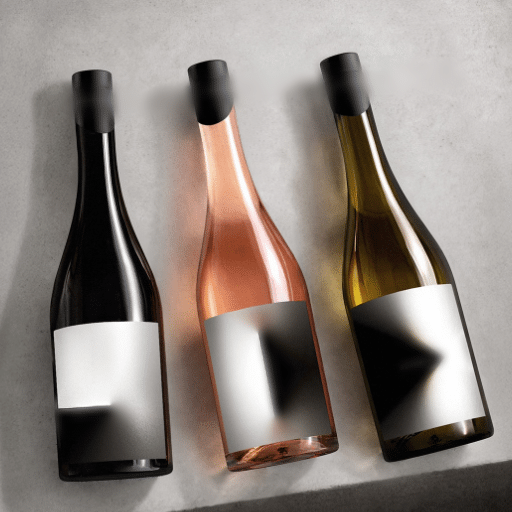
Designing custom wine packaging is a step-by-step process. Here is the workflow we recommend at Fuzhou Longlu.
Step 1: Define Your Positioning and Audience
Start with the buyer. A corporate gift customer wants understated elegance and logo placement. A millennial subscription buyer may prefer bold colors and an Instagram-friendly unboxing. Your audience shapes structure, material, and finish.
Step 2: Research Competitors and Retail Context
Study the shelf where your wine will sit. If every competitor uses heavy dark glass and gold foil, a lighter, brighter design may stand out. If you sell mostly online, test how the label reads as a small thumbnail.
Step 3: Choose the Right Materials and Formats
Match the format to the use case. E-commerce needs protective packaging. Retail gift sets need shelf appeal. Luxury editions need rigid board or wood. If you are unsure, order samples of two or three options before committing.
Step 4: Work With Designers and Manufacturers
Great wine packaging design happens when creative and production teams collaborate early. Share dielines, color targets, and finish expectations up front. This prevents costly surprises later.
Step 5: Prototype, Test, and Refine
Always order a pre-production sample. Check dimensions, color accuracy, finish quality, and bottle fit. A sample costs far less than a failed production run.
Materials and Finishes for Premium Wine Packaging
Material and finish choices drive cost, sustainability, and perceived value. Here is how the most common options compare.
| Element | Common Options | Best For | Cost Signal |
|---|---|---|---|
| Label stock | Coated paper, textured paper, recycled paper | Brand feel, sustainability | $ to $$ |
| Bottle glass | Flint, antique green, dead-leaf green, lightweight | Style, sustainability | $ to $$$ |
| Closure | Natural cork, screw cap, synthetic, wax | Tradition, freshness, craft | $ to $$$ |
| Secondary box | Cardboard, rigid board, wood, corrugated | Gifting, shipping, luxury | $ to $$$ |
| Finish | Foil stamping, embossing, spot UV, soft-touch | Premium perception | $$ to $$$ |
Label and Paper Options
Coated paper prints sharp color and accepts gloss finishes. Textured and recycled papers add tactile interest and sustainability appeal. For eco-conscious brands, FSC-certified paper and soy-based inks are now expected.
Glass Bottles: Weight, Color, and Texture
Glass still accounts for roughly 67% of U.S. wine packaging, according to Global Package LLC. Lightweight glass initiatives can cut transport emissions by around 20%, while recycled glass content now reaches 50% to 70% in many premium bottles. Heavy glass is no longer the only way to signal quality.
Closures
Closures do quiet work. Natural cork supports ceremony and tradition. Screw caps preserve freshness and appeal to casual drinkers. Wax seals and custom-printed capsules add craft cues. Choose a closure that fits your price point and brand story.
Secondary Packaging Materials
Cardboard and paperboard are the workhorses of wine packaging design because they print well and fold cleanly. Rigid board creates a premium feel for gift sets. Wood signals heritage and reusability. Corrugated fiberboard protects e-commerce shipments.
Finishing Techniques
Finishes turn a good design into a memorable one. Foil stamping catches light and signals luxury. Embossing and debossing add texture without extra ink. Spot UV creates contrast, and soft-touch lamination gives a velvet-like feel. Use one or two finishes with intention rather than stacking every option.
Ready to bring your wine packaging design to life? Contact our team for a free quote, sample, and production timeline.
Sustainable Wine Packaging Design
Sustainability and premium aesthetics are not opposites. The most forward-looking wine brands combine eco-friendly materials with high-end finishes.
Recycled and Recyclable Materials
Recycled paperboard, kraft paper, and corrugated fiberboard reduce environmental impact without sacrificing print quality. Target’s 2025 launch of paper wine bottles using 94% recycled paperboard cut carbon emissions by 84%. That kind of proof point resonates with modern buyers.
Lightweight Glass and Alternative Formats
Lightweight glass reduces shipping emissions. Paper bottles, flat rPET bottles, and aluminum cans are gaining ground, especially for younger consumers and outdoor occasions. These formats challenge tradition but solve real logistics problems.
Communicating Sustainability on Pack
Buyers reward honesty. Bataille Insights reports that 81% of consumers prefer purchasing from companies committed to sustainability, and 75% of Millennials will pay more for eco-friendly products. Use clear, specific claims like “100% recyclable box” or “FSC-certified paper” rather than vague terms. Our packaging trends 2026 guide covers how brands are communicating sustainability credibly.
Common Wine Packaging Design Mistakes to Avoid
Even great wine can be undermined by avoidable design errors. Watch for these pitfalls.
Designing for Yourself Instead of the Buyer
A label you love may not be a label your customers understand. Test designs with real buyers before committing to production. Ask what the packaging tells them about quality, style, and price.
Ignoring Production Constraints
A stunning design that cannot be printed consistently is a liability. Fine details, tiny text, and complex gradients can fail at scale. Confirm print feasibility and color matching with your manufacturer early.
Overlooking E-Commerce and Shipping
A label that looks great on a retail shelf may disappear in a thumbnail. A beautiful box may crush in transit. Design for both environments. If you sell online, study how custom packaging for e-commerce balances protection and presentation.
Inconsistent Brand System Across Formats
A premium label on a cheap box creates a “brand equity leak.” Every layer, from bottle to shipper, should feel like the same brand. Consistency builds trust.
Hidden Costs in Short Runs
Short runs with multiple finishes can be expensive per unit. Tooling, foil dies, and setup fees add up. Plan your order quantity carefully and ask for transparent pricing before you commit.
How Much Does Custom Wine Packaging Design Cost?
Pricing for custom wine packaging design splits into two parts: the creative work and the production.
Design Fees vs. Production Costs
Design fees cover concept, layout, and dieline preparation. Production costs cover materials, printing, finishes, and assembly. A simple label on a standard bottle is far cheaper than a custom-embossed glass bottle inside a foil-stamped rigid box.
Factors That Affect Price
Material, quantity, finishes, and shipping all affect the final cost. Higher volumes reduce per-unit cost. Each added finish increases production time and price. Inserts, windows, and closures add to the total.
Typical MOQs and Lead Times
Minimum order quantities vary by supplier and material. Standard turnaround for custom wine packaging is two to four weeks after sample approval, though Q4 peak season can extend this. Always confirm lead times before planning a launch.
When Sofia launched her natural-wine label in early 2025, she invested in a custom-embossed label and a recycled kraft gift box. Her per-unit packaging cost was 40% higher than a generic option. Within six months, her average order value rose 28%, and two boutique retailers reordered specifically because customers kept asking about “the beautiful bottle.” The packaging paid for itself before the second vintage.
Mini-Story: How Packaging Won a Listing
Marcus runs a 12,000-case winery in Sonoma. In 2024, his distributor passed on a new retail chain because his bottles “looked like everything else.” Marcus invested in a quiet-luxury redesign: a textured recycled label, a debossed crest, and a lightweight bottle. The redesign cost about $0.35 more per unit. Six months later, the same distributor secured a 240-store placement. The buyer cited shelf presence as a deciding factor. The wine had not changed. The packaging had.
Frequently Asked Questions
What makes a good wine packaging design?
A good wine packaging design is recognizable at a glance, legible at every size, and aligned with the wine’s character and price point. It works on retail shelves and digital thumbnails, complies with labeling regulations, and reflects the brand’s real story.
How much does custom wine packaging design cost?
Custom wine packaging design typically includes a design fee plus production costs. Simple label designs on standard bottles are affordable, while premium finishes, custom glass, and rigid boxes raise the per-unit price. Most projects fall between a few cents and a few dollars per unit depending on material, quantity, and finish.
What are the top wine packaging design trends for 2026?
The top 2026 trends include quiet luxury and minimalism, tactile finishes, sustainable materials, reusability, smart packaging like QR codes and NFC, inclusive design, and heritage-inspired narrative artwork.
How can I make my wine packaging more sustainable?
Use lightweight or recycled glass, FSC-certified paperboard, soy-based inks, and water-based coatings. Remove unnecessary foil capsules, choose recyclable inserts, and communicate your sustainability claims clearly and honestly on the package.
Should I hire a designer or work directly with a manufacturer?
Both matter. A designer creates the brand vision, while a manufacturer ensures it can be produced consistently and cost-effectively. The best results come from involving both early, so creative decisions align with production reality.
Conclusion
Wine packaging design is more than decoration. It is a sales tool, a sustainability statement, and a brand experience that lives from the retail shelf to the customer’s home. The most successful wine brands treat the label, bottle, closure, box, and shipper as one integrated system.
As you plan your next packaging project, start with your audience and your brand story. Then choose materials and finishes that reinforce that story without exceeding your budget. Finally, partner with a manufacturer who can turn your design into a consistent, high-quality product at scale.
At Fuzhou Longlu Packaging Co., Ltd., we help wine brands create custom wine packaging that protects bottles and elevates brands. From eco-friendly kraft boxes to luxury rigid boxes with foil stamping, we offer the materials, finishes, and export expertise you need.
Get a free quote and sample today. Contact our team and let us help you design wine packaging that your customers will remember.