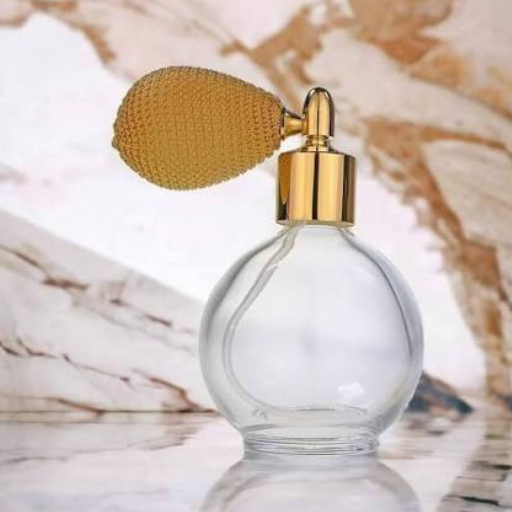
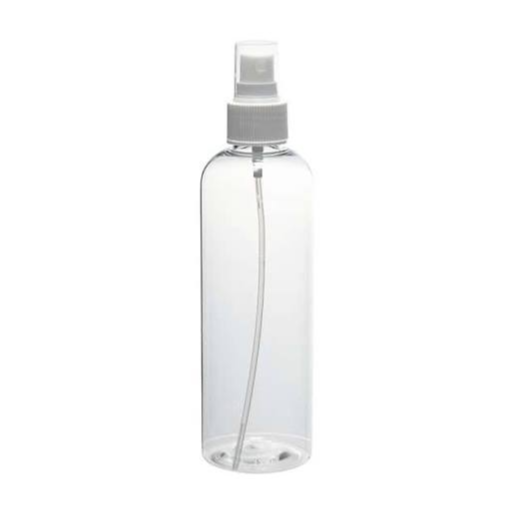
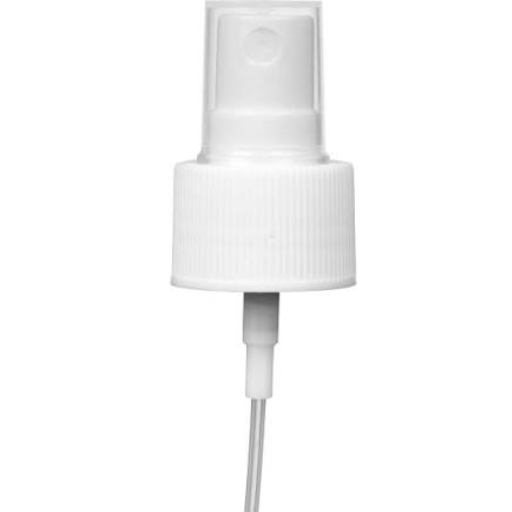
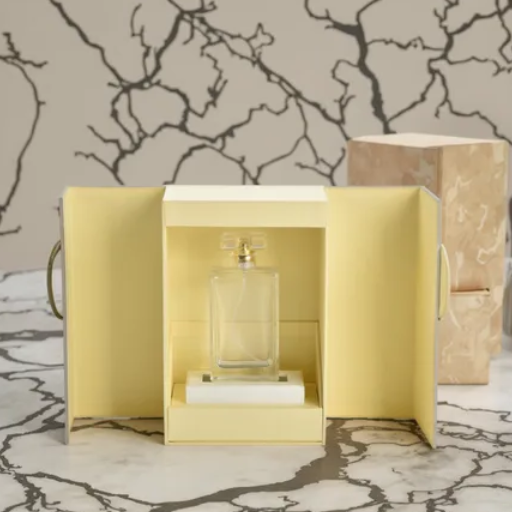
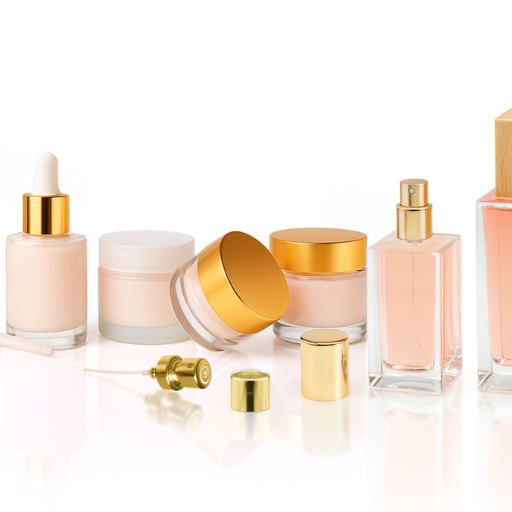
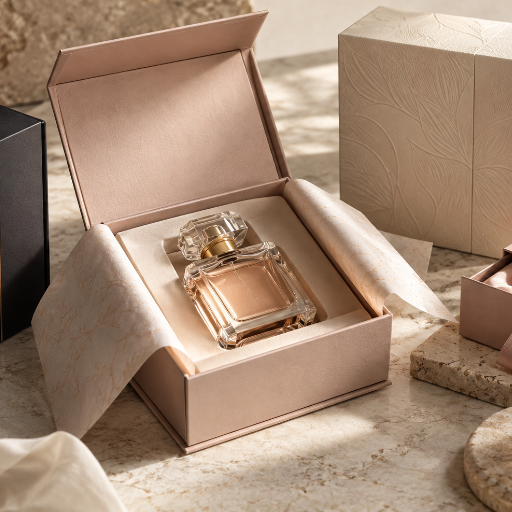
Perfume tester bottles are sample-sized or full-size fragrance containers used for in-store testing, discovery sets, and promotional sampling. They contain the same fragrance liquid as retail bottles but often use simpler packaging to keep costs low. For fragrance brands and retailers, choosing the right tester bottle format, material, and supplier directly impacts sampling conversions, brand perception, and profitability.
When Elena launched her niche fragrance house in 2024, she assumed any small bottle would work for samples. She ordered 10,000 generic plastic vials from a marketplace supplier. Within weeks, customers complained that the fragrance smelled “off” after sitting in the vials for only a month. Returns piled up. Elena discovered that the plastic reacted with the alcohol in her eau de parfum, altering the scent profile. Switching to borosilicate glass atomizers with proper closures cut her return rate by 60% and turned sampling into her top customer acquisition channel.
That single choice, material, shapes everything about how customers experience a fragrance before they buy. This guide shows fragrance brands, retailers, and packaging buyers how to source perfume tester bottles that protect product integrity, reinforce brand identity, and support profitable sampling programs.
Key Takeaways
- Glass tester bottles preserve fragrance integrity better than plastic for alcohol-based perfumes, while plastic works for short-term oil-based sampling.
- Common tester bottle sizes range from 1ml sample vials to 100ml+ counter testers, each serving different sampling strategies.
- Wholesale MOQs for custom perfume tester bottles typically start at 5,000-10,000 units, with lead times of 25-45 days after sample approval.
- Compliance matters: fragrance packaging sold in the EU must meet REACH standards, while US cosmetic packaging falls under FDA regulations.
- Refillable and recyclable tester formats are becoming standard as brands reduce single-use sample waste.
What Are Perfume Tester Bottles?

Perfume tester bottles are containers designed to let customers experience a fragrance before purchasing a full-size retail bottle. They appear in department stores, fragrance boutiques, subscription boxes, discovery sets, and online sample programs.
The term covers several formats:
- Counter testers. Full-size bottles, often 50ml to 100ml, placed on retail displays for in-store sampling.
- Sample vials. Small 1ml to 3ml glass or plastic vials used for gift-with-purchase, mail samples, and discovery sets.
- Travel-size atomizers. 5ml to 10ml refillable or single-fill spray bottles for portable sampling.
- Rollerball testers. Small bottles with rollerball applicators, popular for perfume oils and concentrated fragrances.
The fragrance liquid inside an authentic tester bottle is identical to the retail version, a point confirmed by major fragrance retailers including FragranceNet. The difference lies in packaging. Testers often ship in plain boxes, omit decorative caps, or display “Tester” or “Not for Sale” labeling. This simpler presentation reduces cost without reducing quality.
For brands, perfume tester bottles serve as a low-risk entry point. Customers can experience top, heart, and base notes over several hours before committing to a full bottle. That experience builds confidence and reduces returns. When used as part of a broader branding strategy, testers also reinforce brand identity before a customer ever holds the full-size bottle.
Why Tester Bottles Matter for Fragrance Brands
Sampling is one of the most effective tools in fragrance marketing. In fact, a customer who tests a scent is far more likely to purchase than one who only reads a description. Tester bottles make that first interaction possible.
Sampling Psychology and Conversion Impact
Fragrance is sensory. Customers need to smell a scent on their own skin, in their own environment, over time. A well-designed tester bottle lets them do exactly that. Brands that distribute samples through discovery sets, influencer kits, or counter displays create multiple touchpoints where customers form emotional connections with a scent.
Reducing Returns and Buyer Hesitation
Online fragrance purchases carry higher return risk than in-store buys. Customers worry about buying a scent they have never smelled. Sample vials and mini testers reduce that risk. When customers test first, they know what to expect. Return rates drop, and customer satisfaction rises.
Building Brand Awareness and Loyalty
Every tester bottle is a brand impression. A beautifully designed glass vial with clean screen printing communicates premium quality. A flimsy plastic sample with a leaky cap communicates the opposite. For emerging fragrance brands, tester bottles are often the first physical product a customer holds.
When Marcus started his clean-beauty fragrance line, he invested in custom packaging for fragrance brands that included embossed sample vials and a small printed card explaining the scent notes. Customers began posting unboxing videos on social media. His sample program drove a 40% increase in full-bottle sales within three months.
Types of Perfume Tester Bottles
Choosing the right type of tester bottle depends on where and how customers will use it. Each format has distinct advantages.
Full-Size Counter Testers
Counter testers match the size of retail bottles, usually 50ml, 75ml, or 100ml. Retailers place them on fragrance counters so customers can spray and test before buying. These testers often come without outer boxes or decorative caps to reduce cost.
Best for: Department stores, fragrance boutiques, duty-free shops.
Cologne Tester Bottles
Cologne tester bottles follow the same sourcing logic as perfume testers but often skew toward larger spray formats and masculine or unisex branding. Men’s fragrance counters typically use 50ml to 100ml spray testers, while sample programs may use 2ml to 5ml atomizers. The material and closure choices remain identical.
Best for: Men’s fragrance lines, unisex colognes, barbershops and grooming retailers.
Sample Vials and Mini Bottles
Sample vials and perfume sample bottles range from 0.5ml to 5ml. They are the workhorse of fragrance sampling programs. Brands use them for mail samples, gift-with-purchase offers, discovery sets, and influencer seeding.
Best for: Direct-to-consumer sampling, subscription boxes, discovery kits.
Spray Atomizers
Atomizers deliver a fine mist that mimics the full-bottle experience. Sizes range from 2ml to 10ml. High-quality atomizers use glass bodies with aluminum or plastic pumps.
Best for: Premium sampling, travel retail, influencer kits.
Rollerball Testers
Rollerball bottles use a small metal ball to apply fragrance directly to the skin. They work especially well for perfume oils, attars, and concentrated fragrances where precise application matters.
Best for: Oil-based fragrances, niche perfumery, travel-friendly formats.
Refillable and Sustainable Formats
Refillable tester bottles allow customers to reuse the container after the sample is gone. These formats support sustainability goals and reduce single-use plastic waste. Some brands pair refillable testers with in-store refill stations or subscription refill programs.
Best for: Eco-conscious brands, refill programs, long-term customer retention.
Tester Bottles vs. Sample Bottles
Brands often use the terms interchangeably, but tester bottles and sample bottles serve different purposes.
| Feature | Tester Bottles | Sample Bottles |
|---|---|---|
| Typical size | 50ml to 100ml | 0.5ml to 5ml |
| Primary use | In-store testing | Mail samples, discovery sets |
| Packaging | Plain, often no cap or box | Branded or simple vial |
| Quantity per customer | One shared tester | One personal sample |
| Cost per unit | Higher | Lower |
| Goal | Drive immediate purchase | Drive trial over time |
Tester bottles create an in-person experience. Sample bottles extend reach through mail, events, and subscription partners. Most successful fragrance brands use both.
Perfume Tester Bottle Materials: Glass vs. Plastic vs. Aluminum

Material choice affects fragrance stability, brand perception, cost, and sustainability. The wrong material can alter a scent. The right material can elevate it.
Glass Tester Bottles
Glass is the industry standard for premium fragrance packaging. It is chemically inert, meaning it does not react with alcohol-based perfumes. It also feels substantial and looks elegant.
Advantages:
- Preserves fragrance integrity
- Recyclable and reusable
- Supports screen printing, hot stamping, and labeling
- Communicates premium quality
Disadvantages:
- Heavier and more fragile than plastic
- Higher cost per unit
- Higher shipping weight
For alcohol-based eau de toilette and eau de parfum, glass is usually the safest choice.
Plastic Tester Bottles
Plastic options include PET, acrylic, and HDPE. These materials are lightweight, shatterproof, and inexpensive. They work well for short-term sampling or oil-based fragrances where chemical interaction is less of a concern.
Advantages:
- Lightweight and durable
- Lower cost per unit
- Lower shipping costs
- Shatterproof for travel or events
Disadvantages:
- Can interact with alcohol-based fragrances over time
- Less premium appearance
- Lower recyclability depending on type and local facilities
Plastic works best for short-use samples, event giveaways, or oil-based perfumes.
Aluminum Tester Bottles
Aluminum bottles are lightweight, opaque, and resistant to UV light. They protect fragrance from light degradation, making them ideal for travel and outdoor sampling.
Advantages:
- Blocks UV light
- Lightweight and durable
- Recyclable
- Modern, minimalist aesthetic
Disadvantages:
- Limited visibility of liquid level
- Fewer decoration options than glass
- May require internal lining to prevent metal-fragrance interaction
Aluminum is gaining popularity for refillable and sustainable tester formats.
Material Compatibility Guide
| Fragrance Type | Recommended Material | Why |
|---|---|---|
| Alcohol-based EDT/EDP | Glass | Prevents chemical interaction |
| Perfume oils | Glass or plastic | Lower reactivity risk |
| Citrus-forward scents | Glass or aluminum | Protects against oxidation |
| Fragrance samples for mail | Plastic or glass | Depends on budget and brand tier |
| Premium discovery sets | Glass | Reinforces luxury positioning |
Common Sizes and Their Best Uses
Size selection depends on sampling strategy, cost, and customer behavior. A 1ml vial gives one or two applications. A 10ml atomizer gives a week of testing.
1ml to 2ml Vials
These tiny vials hold one to three applications. They are inexpensive and ideal for mass distribution.
Best for: Magazine inserts, event handouts, gift-with-purchase, discovery sets with many scents.
3ml to 5ml Vials and Atomizers
This range gives customers enough product to test a fragrance over several days. It is the sweet spot for converting trial into purchase.
Best for: Influencer seeding, subscription boxes, paid sample programs.
10ml Travel Sizes
Ten-milliliter bottles function as both sample and travel accessory. Customers who like a fragrance may carry the bottle long after the sample period.
Best for: Premium sampling, travel retail, loyalty gifts.
30ml to 100ml Counter Testers
Full-size testers sit on retail counters for unlimited in-store testing. They are not given away but used as display tools.
Best for: Retail counters, boutiques, duty-free stores.
Custom Tester Bottles and Customization Options for Brand Impact
A custom tester bottle is more than a container. It is a brand touchpoint. Customization options help fragrance companies create cohesive sampling experiences.
Logo Printing and Screen Printing
Screen printing applies ink directly onto the bottle surface. It creates a durable, premium look that resists handling and travel. Common placements include the front panel, cap, or base.
Color Matching and Finishes
Brands can match bottle color to brand palettes. Frosted glass, gradient coatings, and metallic finishes add visual distinction. Matte and glossy finishes create different tactile impressions.
Closures and Applicators
Caps, pumps, droppers, and rollerballs all affect user experience. A smooth spray pump feels premium. A secure cap prevents leaks during shipping. A rollerball suits oil-based applications.
Labels and Secondary Packaging
Even simple sample vials benefit from professional labels. Information to include: brand name, fragrance name, concentration, volume, and batch code. Discovery sets often use custom inserts, sleeves, or boxes to tell the brand story.
At Fuzhou Longlu Packaging, we help fragrance brands develop custom tester bottles that align with their visual identity, from concept and prototyping through full production.
Wholesale Perfume Tester Bottles: MOQ, Pricing, and Lead Times
Sourcing wholesale perfume tester bottles at scale requires understanding manufacturing realities. MOQs, lead times, and pricing vary based on material, customization, and order volume. A practical B2B sourcing framework, such as the one outlined by Cospaks, can help buyers compare suppliers, certifications, and trade terms before placing an order.
Typical MOQs
| Product Type | Typical MOQ | Notes |
|---|---|---|
| Stock glass vials | 1,000-3,000 units | Standard shapes and sizes, limited decoration |
| Custom glass vials | 5,000-10,000 units | New molds or custom shapes |
| Plastic sample vials | 10,000-50,000 units | Lower per-unit cost, higher volume requirements |
| Custom caps/closures | 5,000-10,000 units | Often separate MOQ from bottles |
| Custom printing/decoration | 3,000-5,000 units | Screen printing, hot stamping, labeling |
Price Ranges
Pricing depends heavily on specifications. As a general guide:
- Stock glass 2ml vials: 0.05−0.05−0.15 per unit
- Custom glass 5ml atomizers: 0.25−0.25−0.80 per unit
- Plastic 1ml sample vials: 0.01−0.01−0.05 per unit
- Aluminum 10ml travel bottles: 0.40−0.40−1.20 per unit
Custom molds, premium finishes, and low-volume orders push pricing higher. Working with a manufacturer who understands fragrance packaging can help brands find the right balance between cost and quality.
Lead Times
Standard lead times for custom tester bottles range from 25 to 45 days after sample approval. Complex decoration, new mold development, or peak production seasons can extend this timeline. Brands should plan sampling programs at least two to three months ahead of launch.
Shipping and Incoterms
Most perfume tester bottle manufacturing happens in China, with major production clusters in Guangzhou, Shenzhen, and surrounding regions. Common shipping terms include:
- FOB (Free on Board): Buyer pays freight from the port.
- CIF (Cost, Insurance, and Freight): Supplier includes shipping to destination port.
- DAP (Delivered at Place): Supplier delivers to buyer’s facility.
Understanding Incoterms helps brands compare quotes accurately and avoid unexpected logistics costs.
Manufacturing and Quality Control

Producing high-quality tester bottles involves multiple stages. Each stage affects the final product.
Glass Bottle Production
- Raw material preparation. Glass batches combine silica sand, soda ash, limestone, and recycled cullet.
- Molding. Molten glass is blown or pressed into molds to create the desired shape.
- Annealing. Bottles pass through a controlled cooling process to relieve internal stress.
- Inspection. Automated and manual checks identify cracks, bubbles, and dimensional issues.
- Decoration. Screen printing, hot stamping, labeling, or coating apply brand visuals.
- Assembly. Caps, pumps, droppers, or rollerballs are fitted and tested.
Plastic Bottle Production
Plastic tester bottles typically use injection molding or blow molding. PET and acrylic are common choices. Quality checks focus on wall thickness, thread compatibility, and chemical stability.
Quality Control Stages
Reliable manufacturers use layered quality control:
- Incoming Quality Control (IQC): Inspect raw materials before production.
- In-Process Quality Control (IPQC): Monitor dimensions and appearance during manufacturing.
- Final Quality Control (FQC): Test finished bottles for leaks, capacity, and decoration adhesion.
- Outgoing Quality Control (OQC): Verify packaging and shipping accuracy.
For fragrance brands, leak testing is especially important. A sample vial that leaks in transit wastes product, damages packaging, and creates a poor customer experience.
Learn more about the production process in our guide to how perfume bottles are made.
Storage and Transport Best Practices
Fragrance is sensitive to heat, light, and air. Even the best tester bottle cannot protect a scent if storage conditions are poor.
Temperature Control
Store tester bottles and filled samples in a cool, stable environment. Ideal temperatures range from 15°C to 20°C (59°F to 68°F). Avoid storing fragrance samples near windows, radiators, or shipping docks where temperatures fluctuate.
Light Protection
UV light degrades fragrance molecules. Opaque bottles, outer cartons, or storage in dark areas help preserve scent integrity. This is especially important for citrus and floral compositions.
Humidity and Air Exposure
High humidity can affect labels, caps, and paper packaging. Air exposure accelerates oxidation. Keep caps tightly sealed and minimize headspace in partially filled bottles.
Shipping Considerations
Tester bottles need protective packing during transport. Common methods include:
- Individual polybags to prevent scratching
- Divided cartons to prevent contact
- Bubble wrap or foam inserts for glass bottles
- Palletizing large orders for sea freight
Sustainability and Refillable Tester Formats
Sustainability is no longer optional for fragrance brands. Customers, retailers, and regulators increasingly expect packaging that minimizes waste.
Recyclable Materials
Glass and aluminum are widely recyclable. PET plastic can be recycled in many regions, though facilities vary. Brands should choose materials that align with their sustainability claims and local recycling infrastructure.
Refillable Testers
Refillable tester bottles allow customers to reuse the same container multiple times. Some brands install refill stations in stores. Others sell refill cartridges by mail. Refillable formats reduce packaging waste and can increase customer lifetime value.
Reduced Secondary Packaging
Eliminating excess boxes, inserts, and wrappers lowers material use and shipping weight. Minimalist packaging also appeals to modern consumers who value simplicity.
At Fuzhou Longlu Packaging, we support brands with eco-friendly packaging solutions that include recyclable glass, biodegradable inserts, and refillable bottle designs.
Compliance and Regulatory Considerations
Fragrance packaging must meet regulatory requirements in the markets where it is sold. Ignoring compliance can lead to fines, recalls, or blocked shipments.
REACH (EU)
The EU’s Registration, Evaluation, Authorisation and Restriction of Chemicals (REACH) regulation governs substances used in packaging materials. Fragrance brands selling in Europe must ensure their bottles, caps, and decorations do not contain restricted substances.
FDA Regulations (US)
In the United States, the Food and Drug Administration (FDA) regulates cosmetics and their packaging. Fragrance products are generally classified as cosmetics. Packaging materials must be safe for intended use and properly labeled.
Prop 65 (California)
California’s Proposition 65 requires warnings for products containing chemicals known to cause cancer or reproductive harm. Fragrance brands selling in California should verify that their packaging materials do not trigger warning requirements.
Labeling Requirements
Labels on tester bottles and sample vials typically must include:
- Brand name
- Product name
- Net volume
- Country of origin
- Batch or lot number
- Ingredient information (depending on jurisdiction)
Working with an experienced manufacturer simplifies compliance. Reputable suppliers provide material certifications, test reports, and documentation for customs clearance.
Frequently Asked Questions
What sizes do perfume testers come in?
Perfume tester bottles range from 1ml sample vials to 100ml+ counter testers. Common sizes include 1ml, 2ml, 3ml, 5ml, 10ml, 30ml, 50ml, and 100ml. Smaller sizes work best for mail samples and discovery sets, while larger sizes suit retail counters.
Are perfume testers legitimate products?
Yes, authentic perfume testers are legitimate. They contain the same fragrance liquid as retail bottles. The main differences are packaging, testers often come in plain boxes without decorative caps, and may be labeled “Tester” or “Not for Sale.”
What is the best material for tester bottles?
Glass is the best choice for alcohol-based fragrances because it is chemically inert and preserves scent integrity. Plastic works for short-term or oil-based samples. Aluminum is ideal for travel formats and UV-sensitive fragrances.
Can you refill perfume tester bottles?
Many tester bottles, especially travel atomizers and aluminum formats, are refillable. Refillable testers support sustainability goals and can extend customer use. Some brands offer in-store or mail-based refill programs.
How much do custom tester bottles cost?
Costs vary by material, size, decoration, and order quantity. Stock glass vials may cost 0.05−0.05−0.15 per unit, while custom glass atomizers range from 0.25−0.25−0.80 per unit. New molds and premium finishes increase costs.
Where can I buy tester bottles wholesale?
Wholesale perfume tester bottles are available through manufacturers in China, B2B marketplaces, and specialized packaging distributors. Working directly with a manufacturer often provides better customization, quality control, and pricing for medium to large orders.
How should I store perfume testers?
Store perfume testers in a cool, dark, dry place away from direct sunlight and heat. Keep caps tightly sealed to reduce oxidation. For long-term storage, maintain temperatures between 15°C and 20°C.
Conclusion
Perfume tester bottles are a strategic asset for fragrance brands. The right format, material, and supplier can turn sampling from a cost center into a growth engine. Glass protects scent integrity. Plastic and aluminum offer practical alternatives for specific use cases. Customization transforms a simple sample into a memorable brand experience.
For fragrance brands planning a launch, expansion, or sampling program, the next step is clear. Evaluate your sampling goals, choose materials that match your fragrance chemistry, and partner with a manufacturer who understands both packaging and regulatory requirements.
At Fuzhou Longlu Packaging, we help fragrance brands design and produce wholesale perfume tester bottles that protect their products and elevate their brand. Contact our team today to request samples, discuss customization options, or get a detailed quote for your next sampling program.