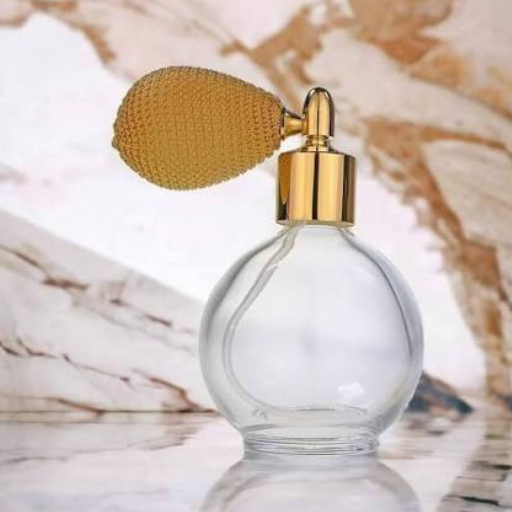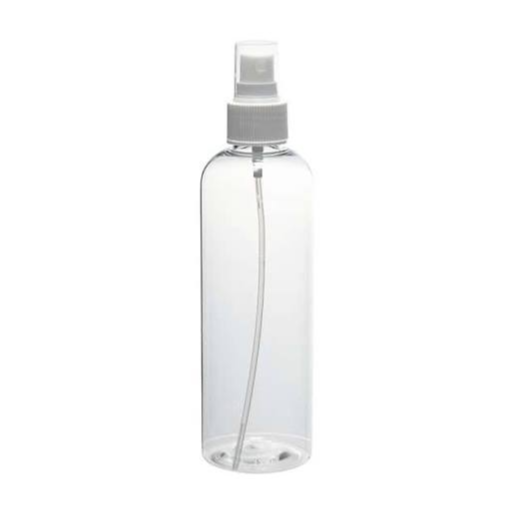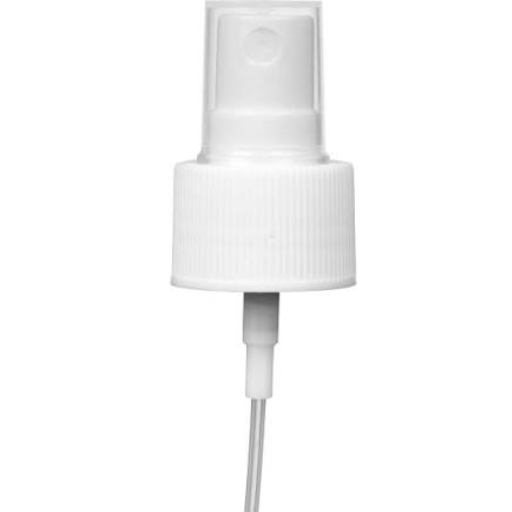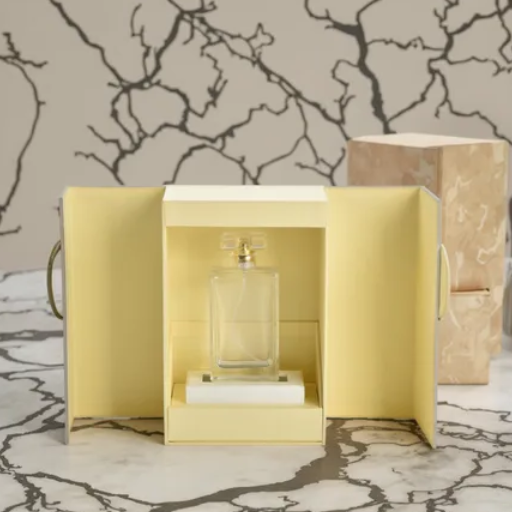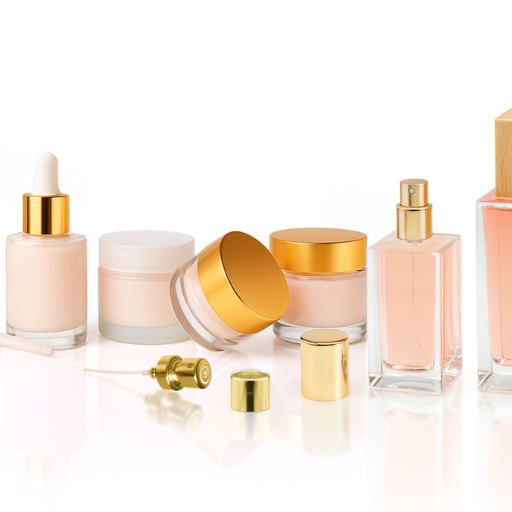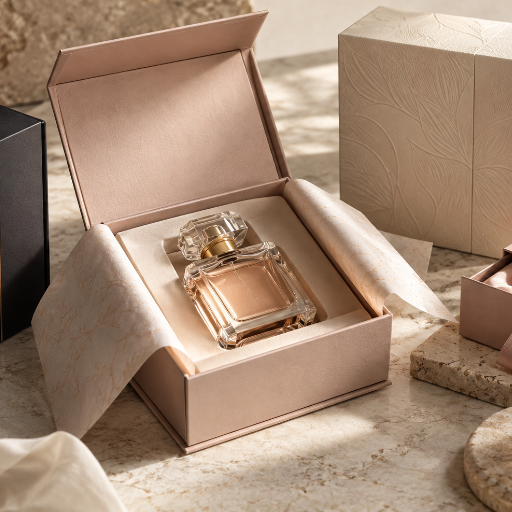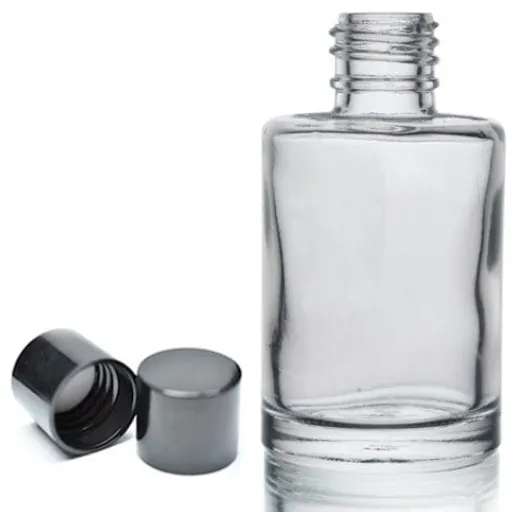
Perfume tops and caps are the first physical touchpoint between your fragrance and your customer. They protect the juice inside, preserve scent integrity, and communicate brand value before a single note is ever smelled. The right cap can elevate a 50bottletoa50bottletoa150 perception. The wrong one can undermine months of careful formulation and branding.
You already know packaging matters. But choosing perfume tops and caps involves more decisions than most brands expect.
Zamac or aluminum? Magnetic or screw-on? Each choice affects cost, perception, and compliance with regulations like the EU PPWR, effective August 2026. This guide covers everything: perfume bottle caps materials compared side by side, closure mechanisms explained, 2026 trends, and practical sourcing guidance for finding a reliable perfume cap manufacturer.
Key Takeaways
- Zamac (zinc alloy) dominates luxury due to its substantial weight and intricate die-casting capabilities, but aluminum and wood are gaining ground for sustainability-focused brands.
- Five closure types serve different needs: screw caps for refillability, sealed caps for exclusivity, magnetic caps for premium feel, snap-on for cost efficiency, and pump overclosures for everyday functionality.
- The EU PPWR 2026 mandate is driving demand for mono-material and recyclable perfume tops and caps that consumers can dispose of without disassembly.
- Pricing ranges dramatically from 0.03perunitforbasicABSplasticto0.03perunitforbasicABSplasticto2.00+ for custom Zamac magnetic closures.
- Always request samples and airtightness documentation before committing to a supplier, especially for unconventional materials like wood, concrete, or stone.
What Are Perfume Tops and Caps?
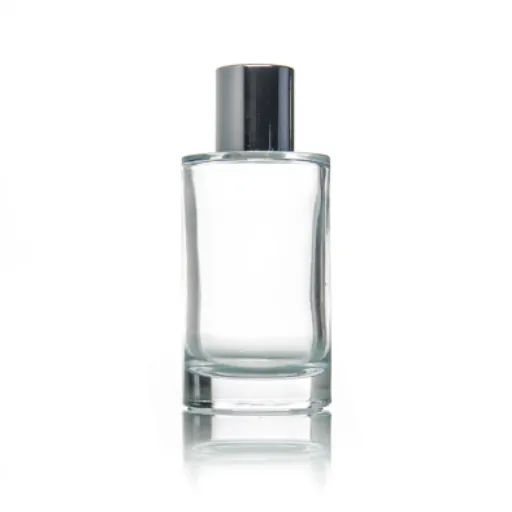
Perfume tops and caps are the removable closures that sit atop fragrance bottles. They serve three critical functions: they protect the fragrance from oxidation and contamination, preserve scent integrity by creating an airtight seal, and function as a tactile brand billboard that customers touch dozens of times before the bottle is ever opened.
These words tend to be used interchangeably in B2B sourcing. “Tops” typically refers to decorative overclosures that sit over a functional pump, while “caps” describes closures that screw or snap onto the bottle neck. For clarity, this guide uses “perfume tops and caps” to mean all fragrance bottle closures.
The choice of material, closure mechanism, and surface finish signals brand positioning instantly. A heavy Zamac cap whispers luxury. A bright ABS cap suggests accessibility.
A wooden cap with visible grain speaks to environmental values. Leading fragrance houses treat perfume tops and caps as strategic design elements, not afterthoughts.
Types of Perfume Cap Closure Mechanisms
When Elena Vasquez launched her fragrance house in Barcelona, she ordered 5,000 screw caps assuming all closures were interchangeable. Her retail partners expected sealed, non-refillable closures typical of luxury fragrances. The retrofit cost three weeks and 40% of her packaging budget.
Understanding the five closure mechanisms for perfume tops and caps prevents costly mistakes. Each serves a distinct brand purpose and price point.
Screw Caps
Screw caps twist onto threaded bottle necks using the FEA 15 standard. They are easy to open and reseal, making them ideal for refillable systems and travel formats. Screw caps are cost-effective and work with plastics, aluminum, and Zamac.
The trade-off is perceived value. Threads can wear down over time, and the mechanical feel lacks the precision of magnetic or sealed closures. Screw caps suit niche brands and clean beauty lines best.
Sealed and Crimped Caps
Sealed closures use crimping, pressing, or adhesive bonding to create a permanent, tamper-proof seal. This is the closure type on prestige fragrances from houses like Chanel and Dior. It signals exclusivity and ensures maximum fragrance preservation.
The downside is that the bottle is not refillable without damage. For brands building a sustainability narrative, sealed closures can conflict with circularity promises. Some houses address this by offering separate refill programs with different packaging.
Magnetic Caps
Magnetic closures use internal neodymium magnets in both the cap and bottle neck for a smooth, self-aligning click. Magnetic perfume tops and caps have become a hallmark of prestige positioning, especially in Middle Eastern and Asian markets where weight and precision signal value.
Manufacturing requires automated polarity detection to prevent caps that repel instead of attract. Magnets must be fixed with specialized epoxy to withstand solvent exposure over time.
Push and Snap-On Caps
Push or snap-on caps use friction fit to secure the closure. They are the simplest and cheapest mechanism, popular for samples and mass-market formats. The weakness is consistency; poor tolerances can cause loose or wobbly caps. Insist on lifecycle testing if you choose this route.
Spray Pump Overclosure Systems
This is the most common configuration today. A spray pump integrates into the bottle neck, and the decorative cap sits over it. The cap removes for use while the pump stays sealed. Standard neck finishes are FEA 12/13 for travel sizes, FEA 15 for the industry standard, and FEA 18/20 for larger formats.
Flexibility is the strength here. The decorative cap can change without altering the pump, making overclosure systems ideal for seasonal or limited-edition designs.
Perfume Cap Materials: A Complete Comparison
No single material is right for every fragrance brand. The choice depends on your positioning, budget, sustainability goals, and target market. Below is a side-by-side comparison of all major perfume cap materials used in modern perfume tops and caps.
Zamac (Zinc Alloy) – The Luxury Standard
Zamac, a zinc-aluminum-magnesium-copper alloy, dominates luxury perfume tops and caps. Its density creates a satisfying heft consumers associate with quality. Zamac can be die-cast into intricate shapes with fine surface detail impossible in solid brass or steel.
Surface treatments include 24K gold plating, chrome, nickel-free finishes, PVD coating, and brushed or hammered textures. The material supports embossing, debossing, and laser engraving.
The limitations are weight, cost, and environmental impact. Zamac is heavier than alternatives, increasing shipping costs.
It requires energy-intensive die-casting and plating. Zamac perfume tops and caps cost 0.60−0.60−2.00+ per unit, depending on complexity.
Aluminum – Lightweight and Sustainable
Aluminum offers a premium metallic appearance at roughly half the weight of Zamac. Recycled aluminum is increasingly available, and the material is infinitely recyclable without quality loss. Anodizing creates durable color finishes, while brushing and sandblasting add texture.
Aluminum caps suit mid-to-high-end brands wanting a metal aesthetic with a lighter footprint. Their usage is most common in Europe. Pricing falls between plastic and Zamac.
Plastics (ABS, Surlyn, PP, Acrylic)
Plastic remains the workhorse material for mass-market and masstige perfume tops and caps. ABS and Surlyn achieve glossy or matte finishes. Acrylic offers transparency, and PP is used for inner fitments.
The innovation is the shift toward post-consumer recycled (PCR) content. Some suppliers offer 65%+ PCR polypropylene. For brands targeting Gen Z and millennial consumers, specifying PCR content is a meaningful differentiator.
Plastic caps are the most affordable option, starting at $0.03 per unit. The trade-off is perceived value; even premium plastic lacks the thermal conductivity and density of metal.
Wood – Natural and Eco-Luxury
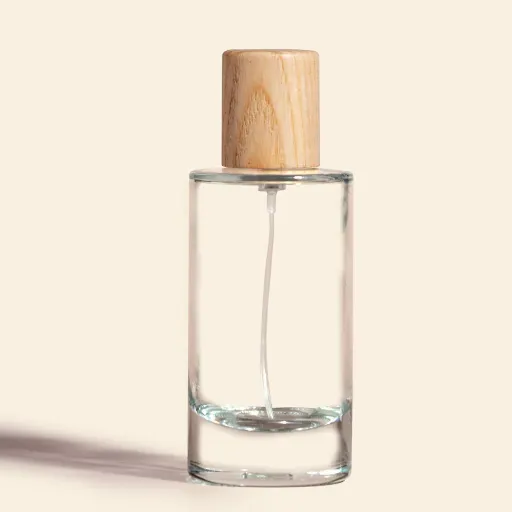
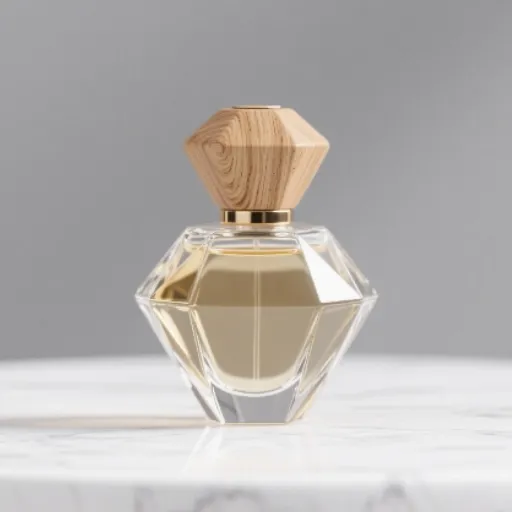
Wooden perfume tops and caps have gained traction for plastic-free, biodegradable packaging. FSC-certified beech, ash, maple, walnut, and bamboo are viable options. Each cap has a unique grain pattern, adding an artisanal quality.
Sealing is a difficulty. Wood is porous and can absorb fragrance oils. Solutions include precision CNC machining of micro-grooves for a friction fit, or natural cork fitments inside the cap. The latter maintains mono-material recyclability, critical for EU PPWR compliance.
Wooden caps signal authenticity and “slow luxury,” ideal for clean beauty and artisanal fragrance brands.
Glass and Crystal – Ultra-Premium
Glass and crystal caps offer unmatched transparency and refractive quality. A crystal cap transforms a fragrance bottle into an objet d’art.
The drawbacks are weight and fragility, which increase shipping costs and breakage risk. Manufacturing tolerances are harder to control. Glass caps are reserved for ultra-premium limited editions and niche houses where the packaging is part of the product story.
Stone, Concrete, and Ceramic
Marble, concrete, and ceramic caps deliver a minimalist, gallery-like aesthetic for avant-garde fragrance brands.
There are difficulties. Stone and concrete are brittle, heavy, and porous. Without treatment, they absorb fragrance or allow evaporation. Solutions include nano-hydrophobic coatings and biodegradable resin liners to prevent direct contact with the bottle neck.
These materials suit houses that treat each fragrance as a design statement, not mainstream distribution.
Leather and Textile Wraps
Leather-wrapped or velvet-touch caps add warmth and craftsmanship. They are often combined with Zamac or ABS bases for contrast. Leather evokes heritage; velvet-touch coatings add accessible ceremony.
Durability is the weakness. Leather scuffs and fades. Velvet coatings show wear. These finishes suit gift-oriented or special-occasion fragrances rather than daily wear.
How to Choose the Right Perfume Cap for Your Brand
With so many materials and mechanisms available, how do you make the right choice? The answer lies in aligning your perfume tops and caps with three factors: brand positioning, functional requirements, and regional market expectations. Partnering with an experienced packaging design services team can help you navigate these decisions with confidence.
Match Material to Brand Positioning
Your cap material is a non-verbal statement about your brand:
- Mass market ($15-50): ABS or Surlyn plastic. Focus on durability.
- Masstige ($50-100): Aluminum or coated plastics.
- Luxury ($100-250): Zamac with premium plating and magnetic closure.
- Eco-luxury ($80-200): FSC-certified wood or recycled aluminum.
- Ultra-premium ($250+): Crystal or hand-finished Zamac
When Marcus Chen launched his clean fragrance brand in Los Angeles, he insisted on wooden caps. The decision cost $0.40 more per unit, but customers consistently mentioned the “beautiful wood top” in reviews. The cap became a word-of-mouth trigger.
Consider Functional Requirements
Your perfume tops and caps must perform under real-world conditions:
- Airtightness: Demand testing documentation to prevent scent degradation
- Travel durability: Magnetic and screw closures outperform snap-on for transit
- Refillability: Screw caps and modular magnetic closures support circularity
- Weight distribution: Test assembled units to prevent tipping
Factor in Regional Preferences
Fragrance consumers have distinct regional expectations for perfume tops and caps:
- Middle East: Heavy Zamac with gold plating signals status. Magnetic closures are preferred; weight equals value.
- Europe: Minimalist aesthetics dominate. Mono-material construction and matte finishes are increasingly mandatory under PPWR.
- North America: Pragmatism prevails. Clean beauty brands favor PCR plastics and aluminum. Functional innovation matters.
- Asia: Precision engineering and lightweight luxury are prized. Travel formats (FEA 12/13) and ceramic textures are popular.
2026 Perfume Cap Design Trends
The perfume tops and caps landscape is evolving rapidly. Here are the five trends that will define 2026 and beyond.
Sustainability and Circular Design
The EU’s PPWR, effective August 2026, requires packaging designed for recycling from the outset. For perfume tops and caps, this means mono-material construction so consumers do not need to disassemble components before disposal. According to industry forecasts, the global sustainable packaging market is projected to exceed $35 billion by 2026. Fragrance brands that proactively design for circularity gain a regulatory and marketing edge. Explore our sustainable packaging materials to align your fragrance line with these evolving standards.
Tactile-First Design
The most significant trend in perfume tops and caps is the shift toward tactile packaging. Materials are now selected for what they communicate through touch before the consumer ever smells the fragrance.
Brushed metal signals precision. Wood conveys authenticity. Velvet coatings suggest accessible ceremony.
Brands are adding embossed medallions or distinct tactile patterns on caps so consumers can identify fragrance variants by touch alone. This improves both accessibility and shelf recognition. Weight engineering has also become a design discipline: as lightweighting reduces overall glass mass, caps are being designed with specific weight distribution to maintain a balanced, luxurious feel in the hand.
Smart and Interactive Integration
NFC chips embedded in metal caps enable authentication, brand storytelling, and refill reminders. QR codes connect to AR experiences.
Anti-counterfeiting is a key driver. Smart packaging elements on caps help verify authenticity, protecting brand reputation in luxury markets.
Refillable and Modular Systems
Major fragrance houses now offer refill programs. This affects cap design directly: modular closures with magnetic retention and swap inserts allow the outer bottle and premium cap to stay in use indefinitely. Manufacturers must engineer perfume tops and caps that withstand thousands of removal cycles without losing fit or finish.
Minimalism Meets Sculpture
Two directions are diverging: minimalist premium (clean geometric shapes, laser-etched logos, matte finishes) and sculptural artistic (3D-printed elements, asymmetric shapes, ornate designs). Both reject the generic.
Sourcing Perfume Caps: A Buyer’s Guide
Even the best design fails if your supplier cannot deliver. Here is practical guidance for sourcing perfume tops and caps.
Understanding MOQs and Lead Times
| Order Type | Typical MOQ | Lead Time |
|---|---|---|
| Stock or standard caps | 1,000 pieces | 3-7 days |
| Custom color or logo | 1,000 pieces | 2-3 weeks |
| Custom mold or shape | 10,000 pieces | 30-40 days |
| Mass production (custom) | 10,000+ pieces | 25-35 days after sample approval |
Payment terms are typically 30% deposit, 70% balance before shipment. Always confirm whether your quoted price includes tooling costs for custom molds, as these can add several thousand dollars to the initial order.
Quality Standards to Demand
Before ordering perfume tops and caps, verify your supplier provides:
- ISO 9001 certification
- Salt spray testing (ASTM B117) for corrosion resistance
- Solvent resistance testing (ISO 283)
- Lifecycle testing over 10,000+ cycles
- Airtightness documentation
- Dimensional tolerance reports
Red Flags When Vetting Suppliers
Not all perfume tops and caps manufacturers are equal. Watch for these warning signs:
- No sample policy or unwillingness to provide samples before order confirmation
- Unclear neck compatibility claims (always verify FEA standard compliance)
- Missing testing data or vague references to “high quality” without documentation
- Inability to explain their plating or coating process in detail
- Quotes significantly below market rate (this usually signals corner-cutting on material or finishing)
Cost Considerations
Material choice is the single biggest driver of unit cost for perfume tops and caps:
- Basic ABS plastic: 0.03−0.03−0.80 per unit
- Aluminum perfume caps with anodizing: 0.30−0.30−1.20 per unit
- Zamac perfume caps with standard plating: 0.50−0.50−1.50 per unit
- Zamac with magnetic closure: 0.60−0.60−2.00+ per unit
- Wood with CNC finishing: 0.50−0.50−1.80 per unit
- Crystal or bespoke materials: 2.00−2.00−5.00+ per unit
Pricing data sourced from FragrancePackage.com industry benchmarks.
Remember that these are approximate ranges. Decoration techniques like laser engraving, hot stamping, or multi-step color plating add cost but can dramatically increase perceived value.
If you are unsure where to start with your wholesale perfume caps sourcing, our team at Fuzhou Longlu Packaging Co., Ltd. can guide you through material selection, prototyping, and production. We specialize in custom packaging solutions for fragrance brands of all sizes, from first-time launches to global rollouts.
Frequently Asked Questions
What are perfume tops and caps made of?
Perfume tops and caps are manufactured from Zamac, aluminum, plastics (ABS, Surlyn, PP, acrylic), wood, glass, stone, concrete, ceramic, and leather. Zamac dominates luxury, plastics serve mass market, and wood or recycled aluminum are preferred for sustainable brands.
How do I choose between a screw cap and a magnetic cap?
Choose screw caps for refillable, niche, or clean beauty fragrances where accessibility matters. Choose magnetic caps for luxury positioning where the tactile experience of the closure is part of the brand story. Magnetic caps cost more but deliver a memorable interaction that reinforces perceived value.
What is FEA 15 and why does it matter?
FEA 15 is the industry-standard neck finish for perfume bottles, referring to a 15mm diameter threaded neck. It ensures compatibility between bottles, pumps, and caps from different suppliers. Learn more about FEA standards and perfume closure specifications from industry experts. Specifying FEA 15 for your perfume tops and caps means you can source components interchangeably without custom fitting.
Are plastic perfume caps lower quality?
Not inherently. High-quality plastics like Surlyn and acrylic can achieve glossy, premium finishes at a fraction of the cost of metal. However, plastic lacks the thermal conductivity and density of Zamac or aluminum, which affects the tactile experience. For brands where sustainability is central, PCR plastics can be the highest-quality choice.
How do I ensure my perfume caps are leak-proof?
Leak-proof performance requires three things: precision threading or interference fit, chemical compatibility between cap material and fragrance oils, and internal gaskets (silicone, PTFE, or EVA) that compensate for microscopic surface imperfections. Airtightness testing documents should always be requested from your supplier.
What is the minimum order quantity for custom perfume caps?
Most manufacturers offer stock caps at MOQs of 1,000 pieces. Custom colors or logos typically start at 1,000 pieces. Custom molds or shapes usually require 10,000 pieces. Some suppliers accommodate lower MOQs for an additional per-unit fee, which can make sense for limited editions or test markets.
Conclusion
Perfume tops and caps are far more than functional closures. They are the first physical impression your fragrance makes, the tactile signature your customers remember, and a signal of brand values. Whether you choose Zamac, FSC-certified wood, or aluminum, your decision should be intentional and aligned with your positioning.
The trends shaping 2026, sustainability mandates, tactile-first design, smart integration, and refillable systems, represent a permanent shift. Brands that invest now build competitive advantages that last.
Here is what to remember:
- Match your cap material to your brand position, not just your budget
- Test for airtightness, travel durability, and lifecycle performance before committing
- Demand documentation: ISO certification, salt spray results, and tolerance reports
- Consider regional preferences when designing for global markets
- Plan for sustainability now; the EU PPWR is only the beginning
The right perfume tops and caps do not just close a bottle. They open a conversation between your brand and your customer. Make it count.
Ready to design custom perfume tops and caps for your fragrance brand? Contact Fuzhou Longlu Packaging Co., Ltd. today for a free consultation and sample review. We bring your packaging vision to life with precision and sustainability.